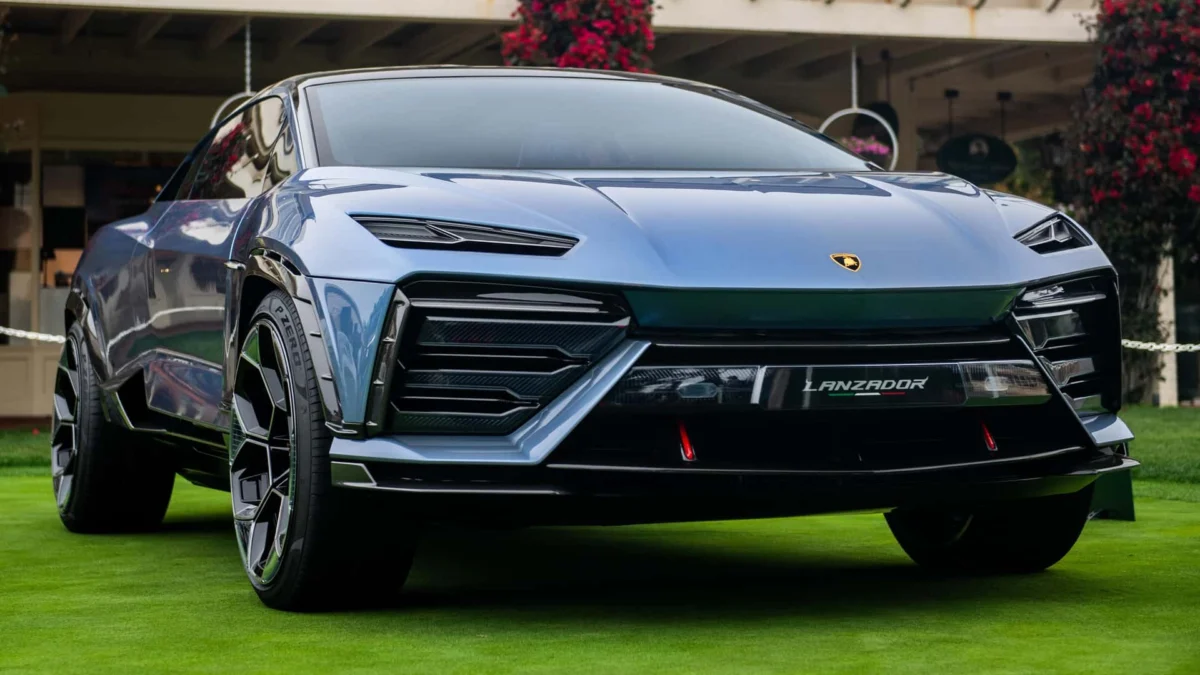
The automotive world is currently navigating a complex transition, caught between the inexorable push toward electrification and the deep-seated emotional attachment to the internal combustion engine (ICE). Nowhere is this tension more palpable than in the hallowed halls of Sant’Agata Bolognese. Lamborghini, a brand synonymous with high-revving V12s and the raw, visceral experience of traditional performance, has made a definitive strategic pivot. The highly anticipated Lanzador—the brand’s upcoming two-door, four-seater Gran Turismo—will no longer arrive as a pure battery-electric vehicle (BEV). Instead, it will feature a plug-in hybrid (PHEV) powertrain, a decision that underscores the company’s commitment to its core demographic and its long-term viability in a changing regulatory landscape.
The Evolution of the Lanzador: A Three-Year Journey
When the Lamborghini Lanzador concept first electrified the stage at Monterey Car Week in 2023, it was positioned as a radical departure for the Raging Bull. It was to be the marque’s first foray into the world of pure electric propulsion, a move intended to demonstrate that Lamborghini could marry its extreme performance DNA with sustainable technology. The concept promised a high-riding, 2+2 grand tourer that blended the futuristic aesthetics of an EV with the aggressive posture of a supercar.
However, the three years since that unveiling have been marked by profound market shifts and a candid reassessment of consumer sentiment. As the industry grapples with cooling EV demand and infrastructure hurdles, Lamborghini’s leadership has demonstrated a rare agility. By choosing to incorporate an ICE component into the Lanzador’s heart, the company is effectively acknowledging that while its customers are open to innovation, they are not yet ready to abandon the acoustic and mechanical character of the internal combustion engine.
Chronology of a Strategic Reversal
The path to the Lanzador’s current configuration has been anything but linear. The timeline of this transformation offers a window into how top-tier luxury brands are managing the "Green Transition":
- August 2023: The Lanzador concept debuts at Monterey, capturing headlines for its bold, silent, and electric vision for the future. At the time, it was hailed as a revolutionary step toward Lamborghini’s total electrification.
- Late 2024: Industry rumors begin to circulate regarding a "re-evaluation" of the brand’s electrification strategy. CEO Stephan Winkelmann, always known for his pragmatic and direct communication style, begins to temper expectations regarding a full-electric portfolio.
- Early 2025: Official confirmation emerges that the pure-electric platform will be replaced or supplemented by a plug-in hybrid architecture.
- August 2025 (Monterey Car Week): In a series of follow-up discussions, CEO Stephan Winkelmann confirms that the feedback from the brand’s most loyal clients has been overwhelmingly positive regarding the move to a PHEV, effectively cementing the new direction for the production model arriving later this decade.
The Voice of the Customer: Why PHEV is the "Right Way"
The decision to pivot to a plug-in hybrid is not merely a technical adjustment; it is a calculated response to the desires of the world’s most demanding automotive collectors. During a recent interview at Monterey Car Week, Lamborghini CEO Stephan Winkelmann was clear: the shift from a full-electric to a plug-in hybrid configuration has been met with widespread acclaim from the customer base.
"We decided to change the Lanzador from full electric to plug-in hybrid, and this was very well accepted by the customer," Winkelmann stated. "They’re very happy about that."
This sentiment aligns with his broader, often brutally honest philosophy regarding EVs. Winkelmann has previously characterized the interest in a purely electric Lamborghini as "close to zero" among the brand’s core buyers. By positioning the electric-only route as an "expensive hobby" rather than a commercial imperative, he has provided a roadmap that prioritizes the visceral experience—the sound, the vibration, and the mechanical theater—that defines a Lamborghini.
Technical Implications: Engineering the Hybrid Future
Transitioning the Lanzador from a pure EV to a hybrid is a significant engineering hurdle. The chassis of the 2023 concept was initially engineered for battery cells and electric motors, meaning the team must now rework the packaging to accommodate a traditional engine, a fuel tank, and the associated cooling and exhaust systems.
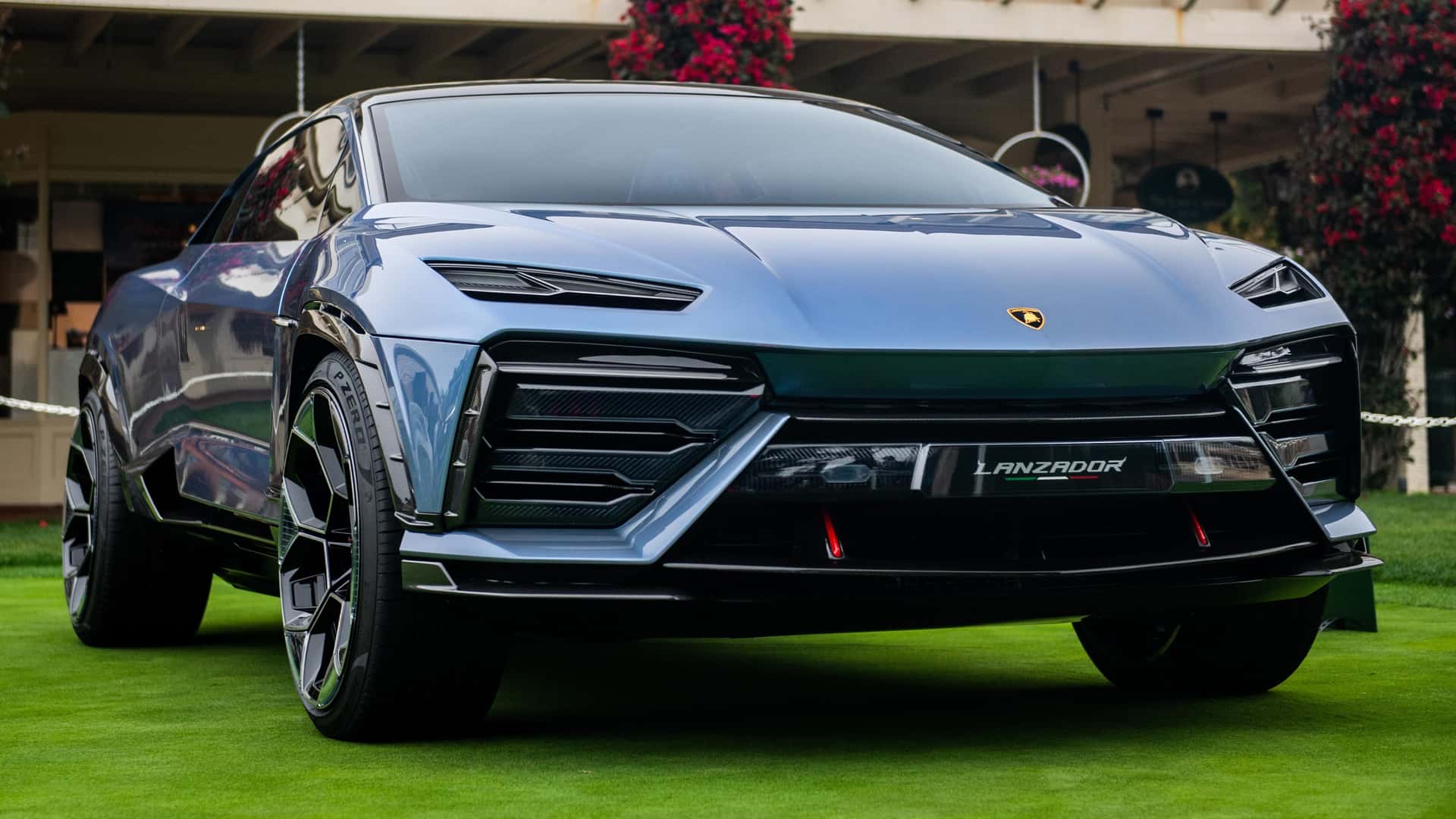
While technical specifications remain under wraps, analysts expect the Lanzador to leverage the expertise gained from the development of the Urus SE and the Revuelto. The Urus SE, for instance, utilizes a potent 4.0-liter twin-turbocharged V8 paired with an electric motor to produce a staggering 800 horsepower and 738 pound-feet (1,000 Newton-meters) of torque. Integrating a similar powertrain into the Lanzador would provide the "Grand Touring" performance expected of the segment while meeting modern emissions standards.
The challenge lies in the "packaging" aspect. A GT car requires space for passengers and luggage; adding a complex hybrid system requires meticulous space management. However, given Lamborghini’s history of chassis innovation, the development team has ample time to refine the platform before the car hits the assembly line later this decade.
Implications for the Broader Lamborghini Portfolio
The Lanzador is not an outlier; it is the final piece of a puzzle that defines Lamborghini’s "Direzione Cor Tauri" strategy. The brand has already committed to hybridizing its entire lineup, starting with the V12-powered Revuelto and the recently launched Temerario.
The move away from a pure-electric Lanzador has several critical implications:
- Regulatory Compliance: By adopting PHEV technology, Lamborghini can significantly reduce fleet-wide emissions and meet stringent global environmental regulations while keeping the combustion engine alive for a longer period.
- Market Differentiation: In a luxury market increasingly flooded with high-performance EVs that all offer similar acceleration figures, the hybrid setup allows Lamborghini to differentiate its products through sound and character—elements that pure electric vehicles often struggle to replicate authentically.
- Customer Retention: Wealthy collectors often view their cars as investments and emotional experiences. By retaining the internal combustion engine, Lamborghini avoids alienating the very demographic that sustains its profitability.
- The "Middle Ground" Strategy: The plug-in hybrid serves as a bridge. It offers owners the benefit of short-range silent, electric driving for urban environments—where regulations are often the strictest—while ensuring the car remains a true "Raging Bull" on the open road or track.
The Verdict: Listening to the Market
The transformation of the Lanzador is a masterclass in corporate adaptability. In an era where many manufacturers feel pressured to commit to rigid, long-term EV mandates, Lamborghini has displayed the courage to pivot based on the specific, unique needs of its clientele.
The Lanzador will likely be remembered as the car that defined the "Hybrid Era" of high-performance motoring. By listening to its customers, Lamborghini has ensured that its fourth model will not just be another compliance vehicle, but a car that maintains the spirit of the brand. As the automotive industry continues to evolve, the ability to balance technological progress with heritage will be the true hallmark of a successful supercar manufacturer.
Lamborghini has proven that, for its buyers, the future is not simply about being "green"—it is about being fast, being loud, and, most importantly, being a Lamborghini. The Lanzador, in its new hybrid iteration, is poised to deliver exactly that.