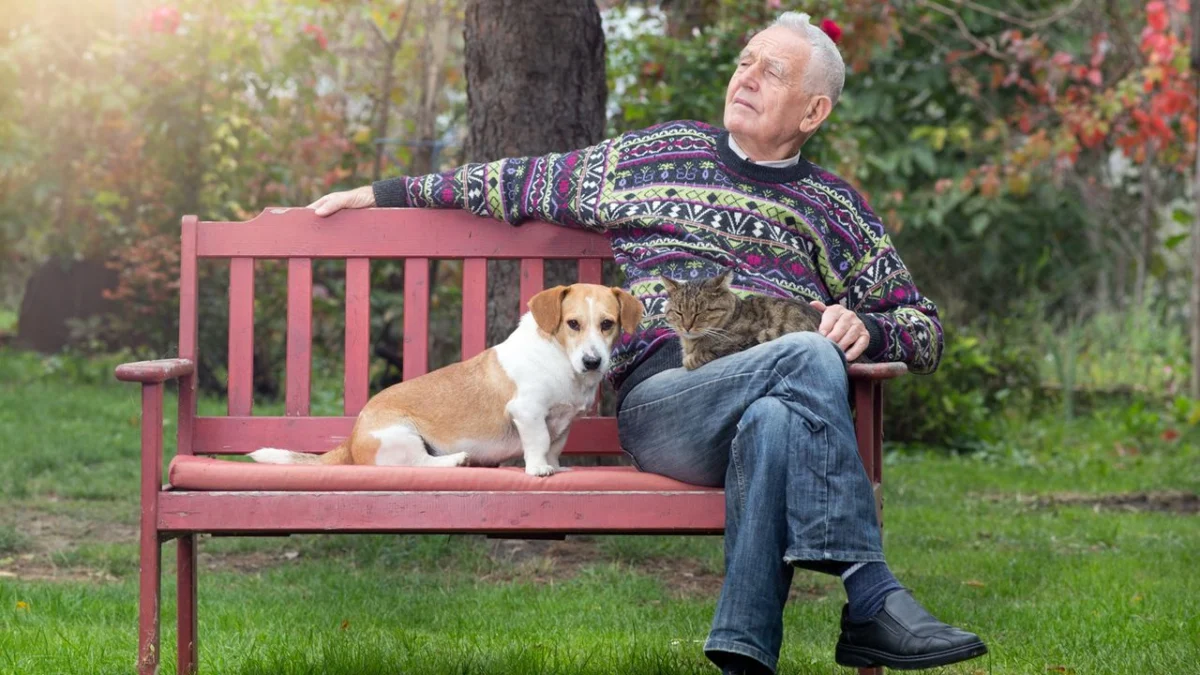
As retirement planning evolves from a purely mathematical exercise of portfolio diversification and tax optimization into a more holistic pursuit of "life planning," one unexpected variable has emerged as a significant indicator of happiness: the presence of a pet. For many, retirement is not merely a cessation of labor, but a radical recalibration of daily existence. Within this transition, the companionship of a dog or a cat is proving to be more than just a lifestyle choice—it is a cornerstone of emotional health in later life.
Recent data from the Prudential Global Retirement Pulse Survey provides a compelling look at this phenomenon. For those approaching their golden years, the decision to share their home with an animal is not just about affection; it is a financial and psychological commitment that warrants as much consideration as a 401(k) strategy.
The Intersection of Financial Planning and Pet Ownership
The conventional wisdom in retirement planning focuses on the "four percent rule," healthcare costs, and longevity risk. Rarely do advisers sit down with clients to map out the projected lifetime costs of a Golden Retriever or the long-term maintenance of a feline companion. Yet, as a retirement researcher and an animal lover, I have long observed that the "soft" aspects of retirement—purpose, social connection, and daily routine—are just as critical to a successful outcome as the "hard" assets.
When Prudential included questions regarding pet ownership in their 2025 Global Retirement Pulse Survey, it signaled a shift in how we understand the "mass affluent" demographic. The survey, which focused on individuals aged 30 and older with at least $100,000 in investable assets, revealed that while most people recognize the joys of pet ownership, they frequently underestimate the fiscal impact of caring for an animal throughout a multi-decade retirement.
The reality is that pets are a long-term liability that requires liquidity. From rising veterinary costs and premium pet insurance to specialized diets and potential home modifications, the cost of a pet can shift significantly as both the owner and the animal age. Integrating these costs into a comprehensive income plan is not just prudent; it is essential for those who view their pets as non-negotiable family members.
Chronology of a Shifting Relationship
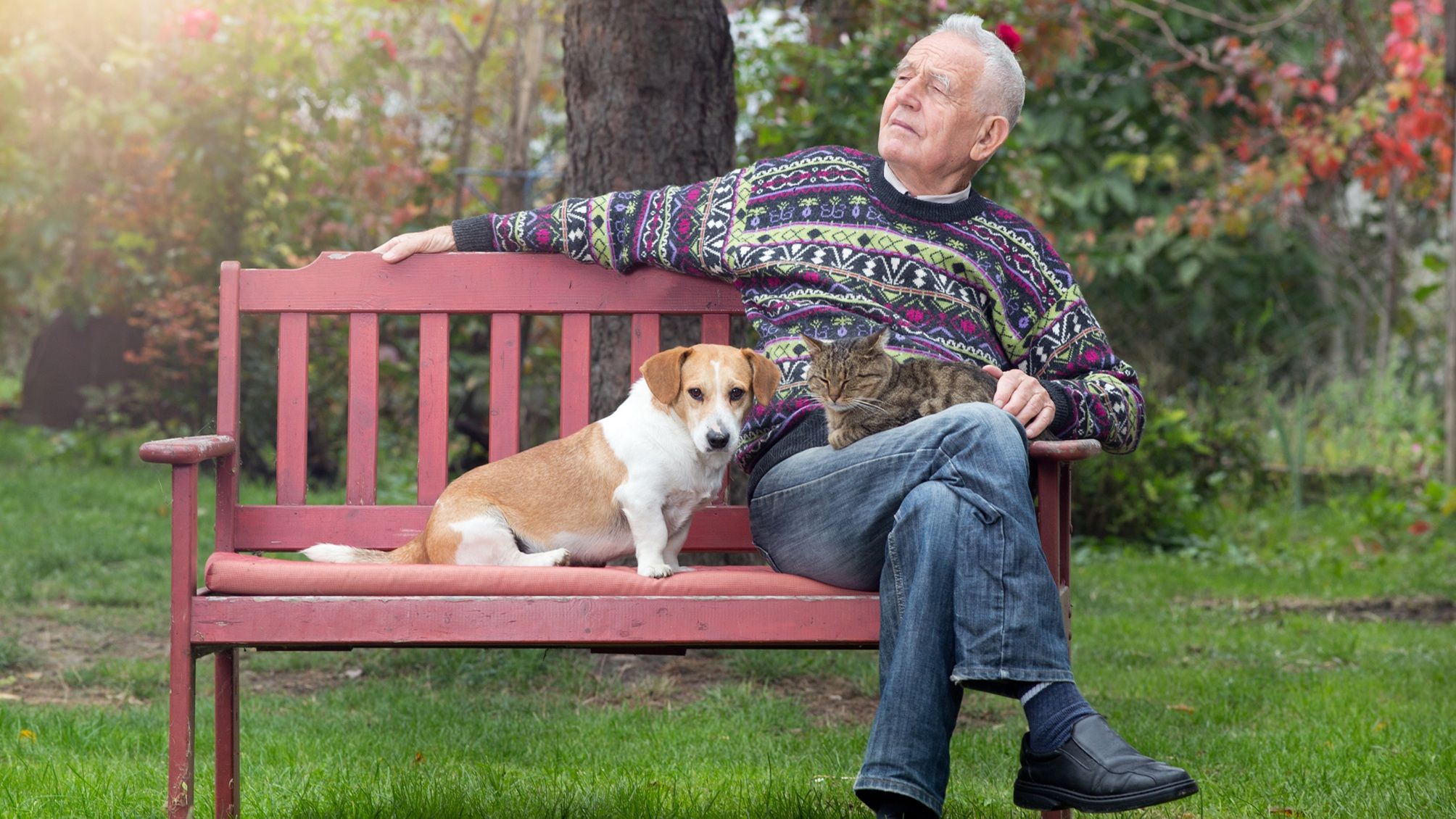
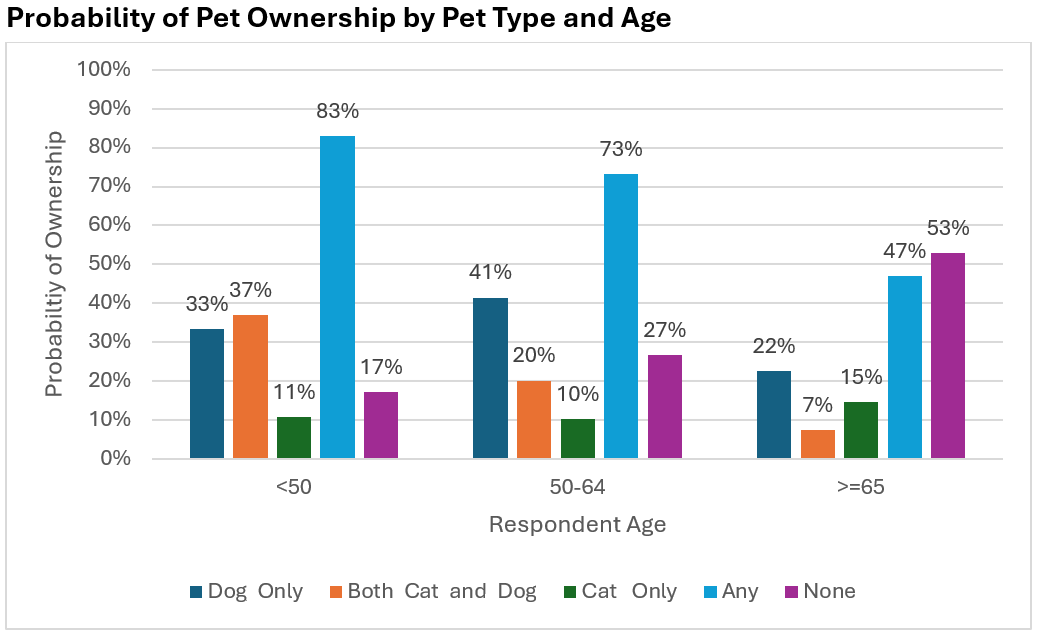
The lifecycle of pet ownership throughout adulthood follows a predictable, yet fascinating, arc. Our research, bolstered by the Prudential data, indicates that the likelihood of owning a pet declines notably as individuals progress through their 60s, 70s, and beyond. This decline is often attributed to concerns over mobility, the ability to provide adequate care, and the fear of outliving one’s pet.
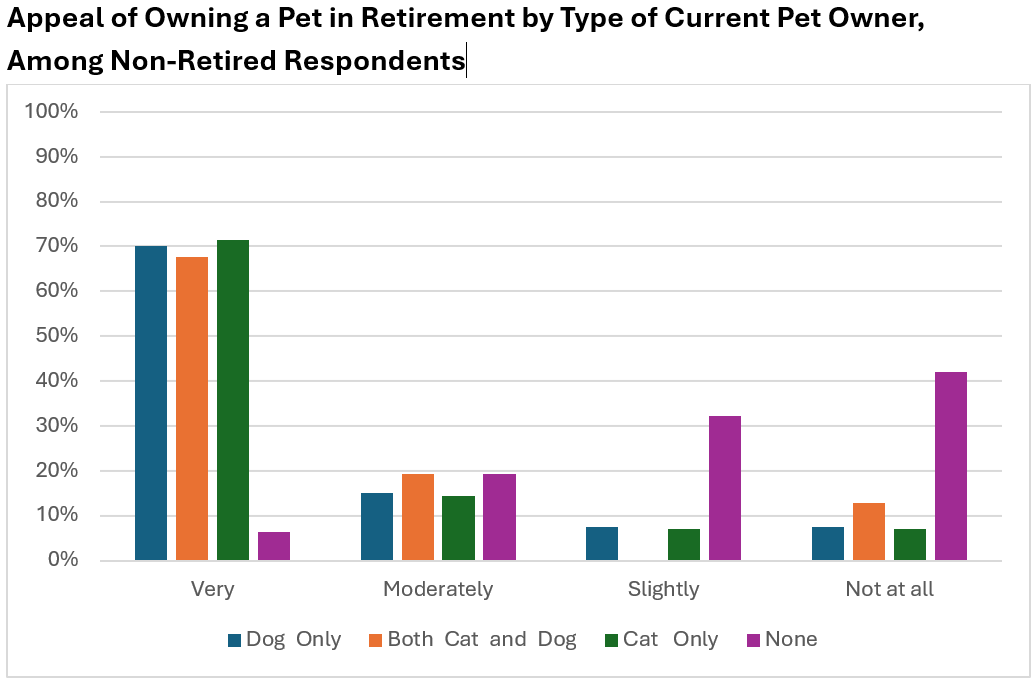
However, the desire for companionship often remains constant. Many retirees who owned pets earlier in their lives express a strong intention to maintain that bond during retirement. The primary challenge lies in the gap between the aspiration of pet ownership and the pragmatic execution of care.
- The Career Phase: During the peak earning years, pets are often viewed as a way to ground a busy household.
- The Pre-Retirement Phase: As individuals approach the five-year mark before retirement, they begin to evaluate their home environment and their ability to sustain a pet.
- The Early Retirement Phase: This is often a "golden window" where retirees have the time to dedicate to training and engagement, leading to a spike in interest in adopting new pets.
- The Later Years: As health and travel become variables, the nature of ownership changes, often shifting toward lower-maintenance companions or opting out of ownership entirely.
Decoding the Data: The "Dog Effect" vs. The Cat Paradox
Perhaps the most provocative finding in the recent survey concerns the relationship between specific types of pets and an individual’s self-reported life outlook. In the study, we asked participants if their outlook on life had improved as they aged. When we cross-referenced these responses with pet ownership, a clear divide emerged.
The Canine Connection
The data suggests that dog owners, on average, report a more positive life outlook than their counterparts without pets. This is likely linked to the active nature of dog ownership. Dogs require walks, regular outings, and interaction with the community—factors that promote physical activity and social engagement. In retirement, these forced rhythms of daily life provide structure and a sense of purpose, which are two of the most significant predictors of happiness after one stops working.
The Feline Reality
Conversely, cat owners reported life outlooks that were, on average, lower than those who owned no pets at all. While this may seem counterintuitive to cat lovers, the data reflects a broader sociological trend. Feline ownership is often chosen for its independence and lower physical requirements. However, in the context of the survey, this might suggest that those relying solely on the quiet companionship of a cat may be missing out on the external, community-building benefits that come with the more demanding requirements of dog ownership.
It is important to note that this is a correlation, not a causation. It is not necessarily that owning a cat makes one less happy, but rather that the lifestyle associated with dog ownership—getting outside, meeting neighbors, and maintaining a strict, active schedule—aligns more closely with the psychological needs of a thriving retiree.
Implications for the Future of Retirement
The implications of these findings for the financial services industry and individual retirees are profound.
For Financial Advisers
Advisers must move beyond the balance sheet. A comprehensive retirement plan should account for the "companion factor." If a client intends to adopt a dog in retirement, the financial plan must reflect the potential for increased pet-related expenditures. Furthermore, advisers should encourage clients to think about the "what-ifs"—who will care for the pet if the owner faces a health crisis? This is a crucial element of estate planning that is often ignored.
For the Retiree
If you are planning your retirement, treat your pet as a pillar of your lifestyle design. If you are leaning toward dog ownership, ensure you have the physical stamina and the financial buffer to handle the responsibilities. If you prefer the companionship of a cat, consider how you will build social and physical activity into other areas of your life to ensure your retirement is not marked by isolation.
Addressing the "Mass Affluent" Perspective
The Prudential survey focused specifically on the "mass affluent"—those with at least $100,000 in investable assets. This is a critical distinction. For this demographic, the decision to own a pet is rarely about the ability to afford the basics; it is about the trade-offs between different types of leisure and the maintenance of a high quality of life.
The survey, conducted by the Brunswick Group in August 2025, underscores that even for the financially secure, retirement is an uncertain frontier. The fact that pet ownership remains a consistent theme across international borders—from the U.S. to Brazil, Mexico, and Japan—highlights that the desire for companionship is a universal human trait that transcends geography and culture.
Final Reflections
As I look at my own home—three dogs, two guinea pigs, and a tortoise—I see the reality of this data every day. The work involved is substantial, and the costs are not insignificant. Yet, the emotional return on that investment is immeasurable.
Retirement is not a finish line; it is a long-term project. Whether your companion has fur, feathers, or a shell, the relationship you build with your pets can be a vital component of your mental, physical, and emotional stability. While I cannot offer a mathematical guarantee that a dog will increase your happiness, the research is clear: if you are looking for a way to add joy, purpose, and a little bit of chaos to your post-work years, the data suggests you might want to look toward the canine side of the spectrum.
As you finalize your retirement plans, do not just count your money. Count your blessings, consider your companions, and ensure that your post-work life is structured in a way that allows for the kind of connection that only a pet can provide. After all, the best retirement plan is one that allows you to wake up with a smile—and sometimes, that smile is prompted by a wet nose or a wagging tail.