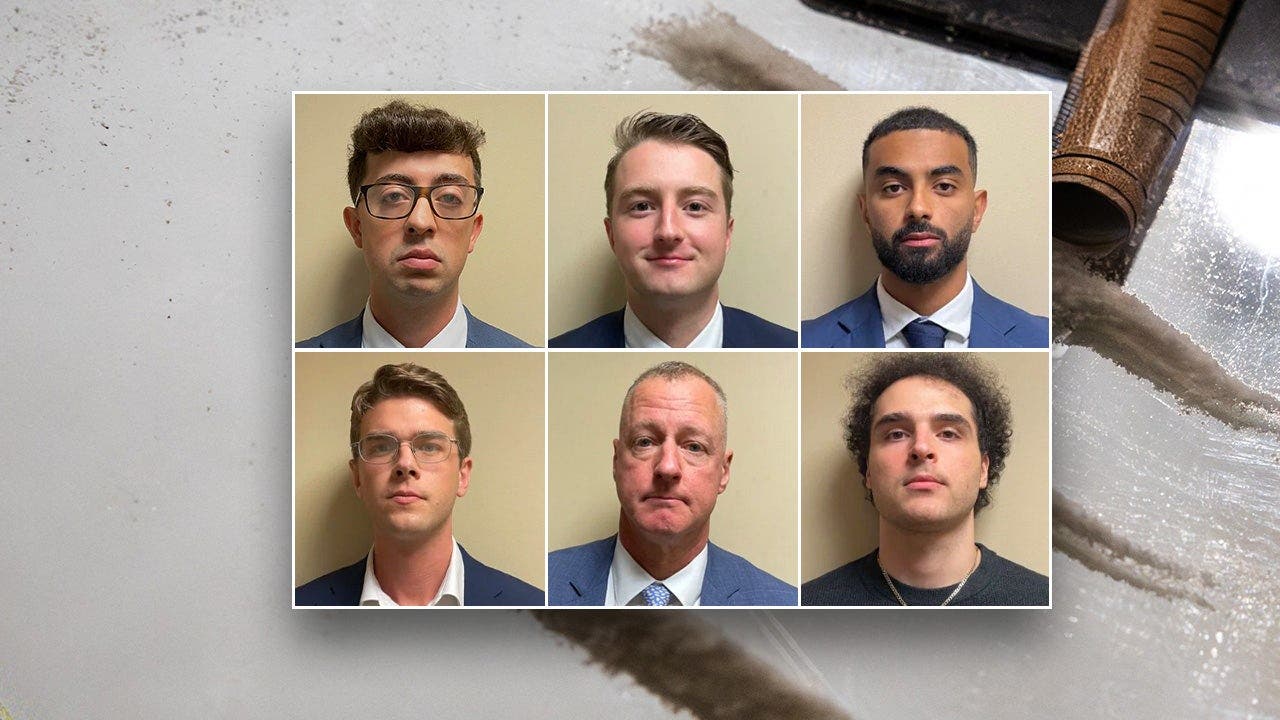
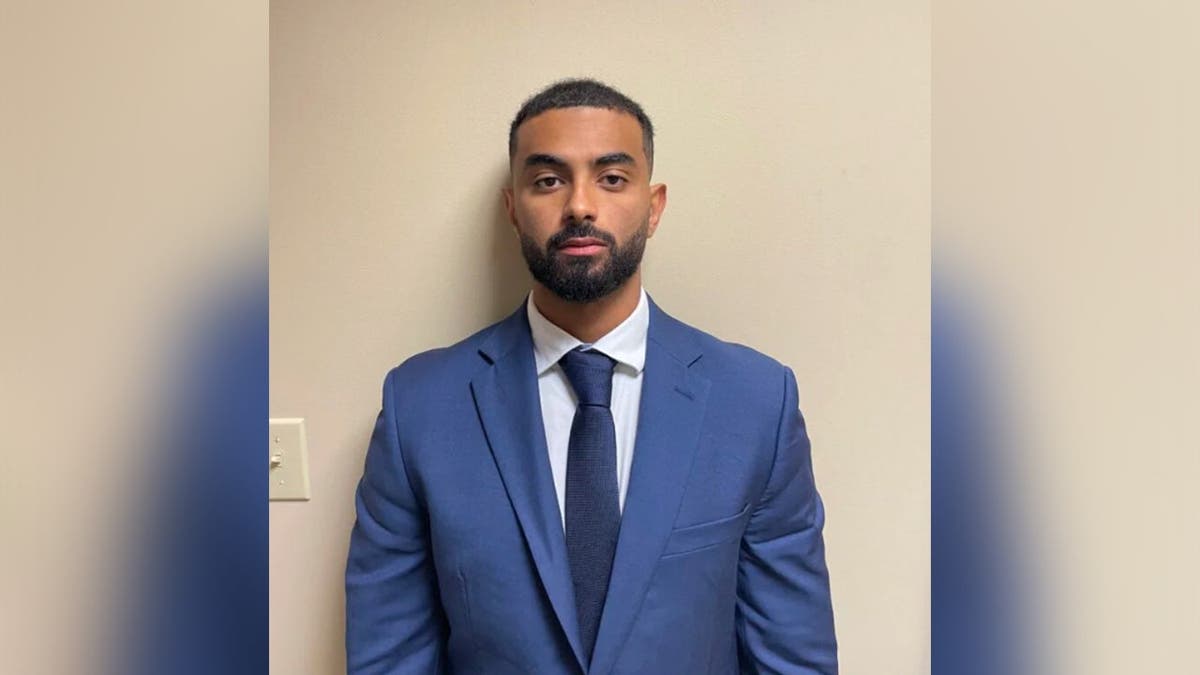
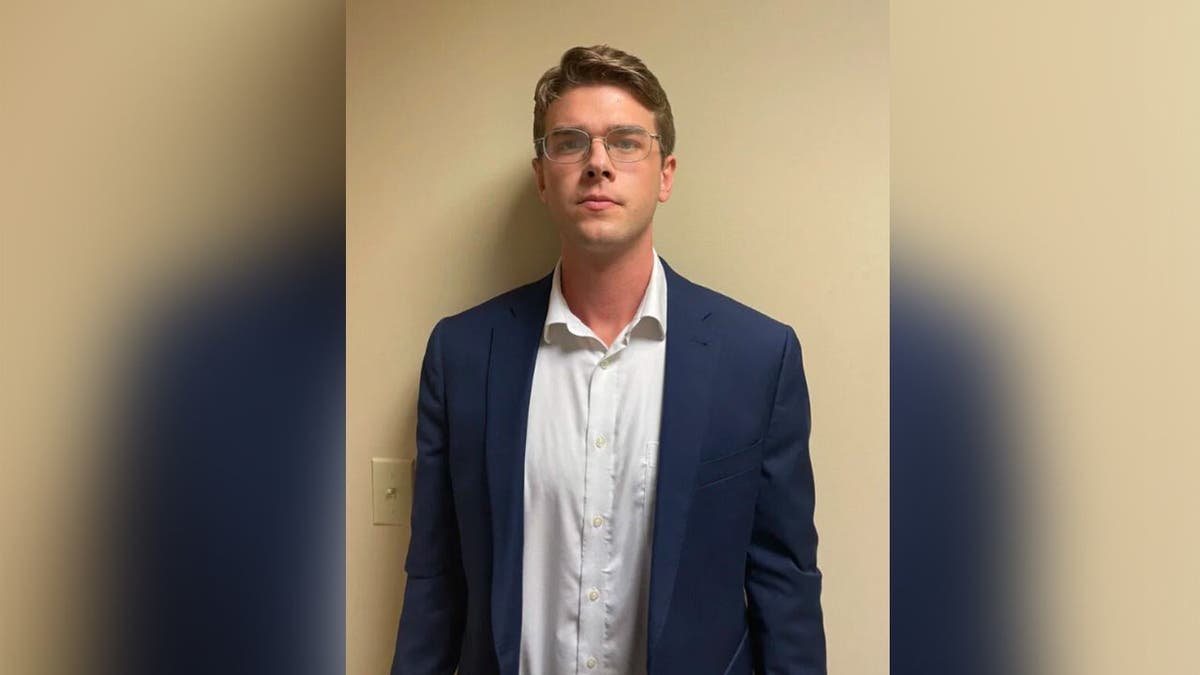
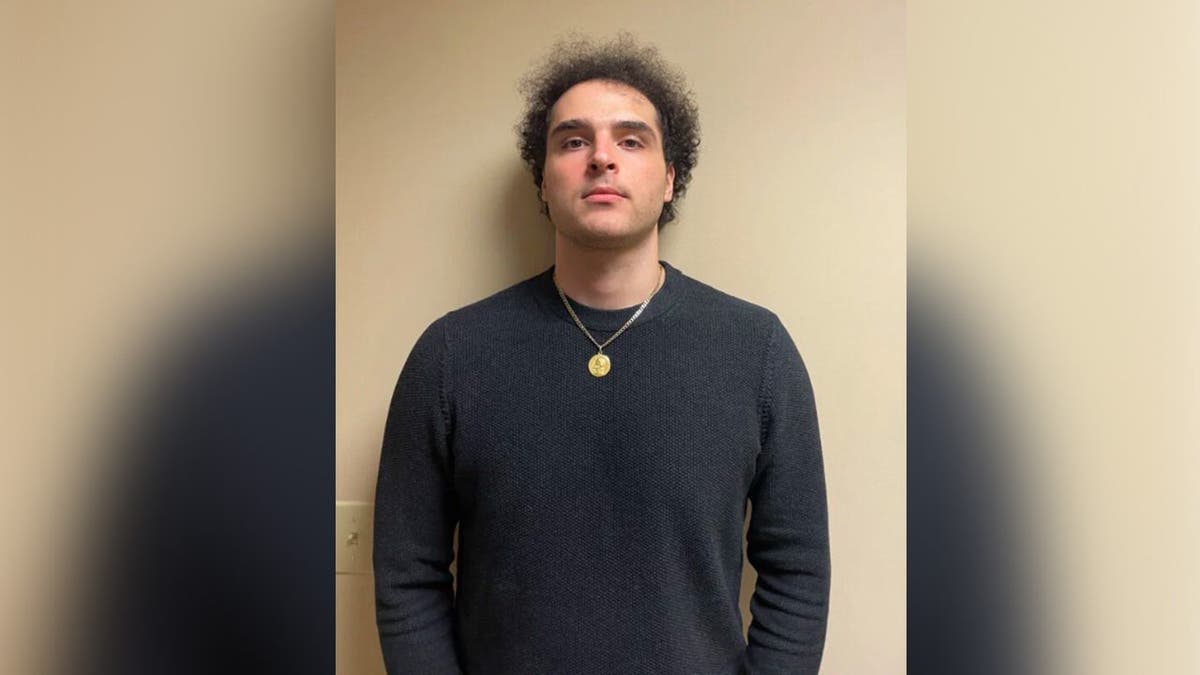
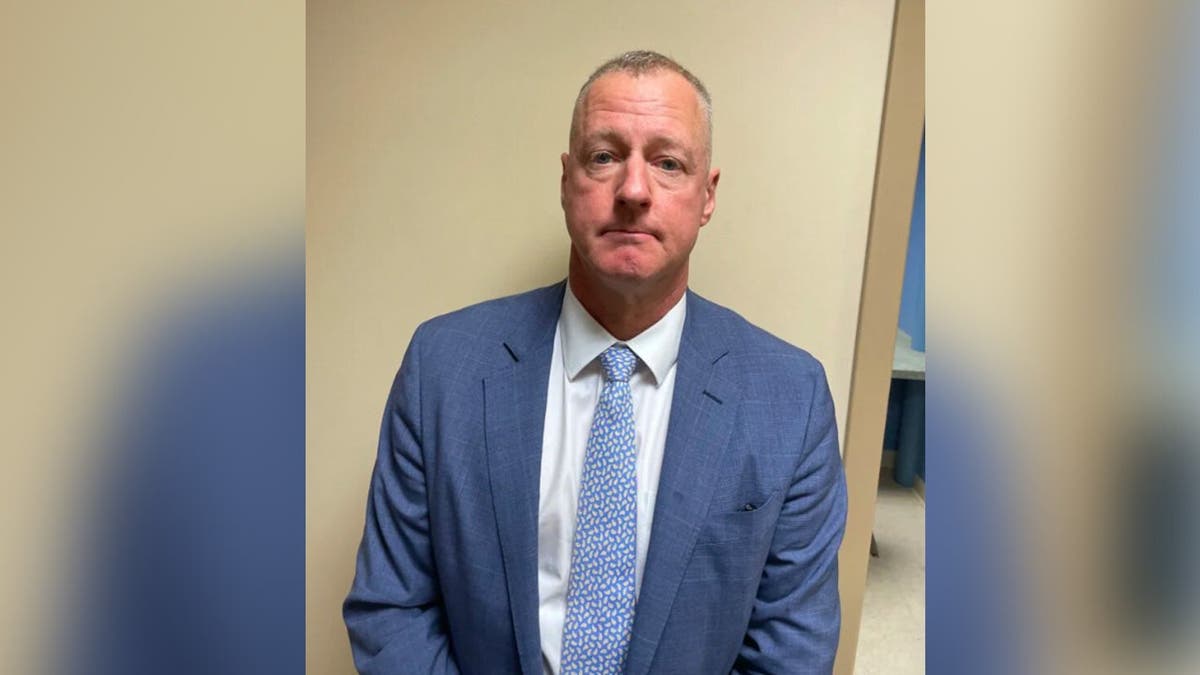
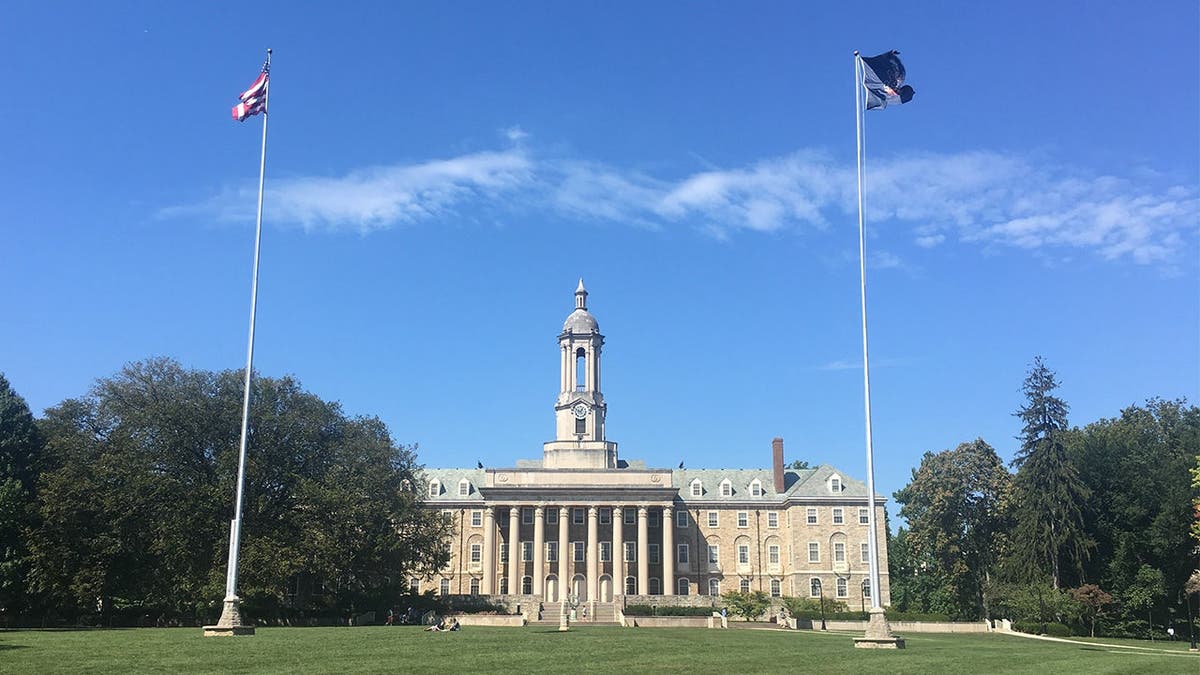
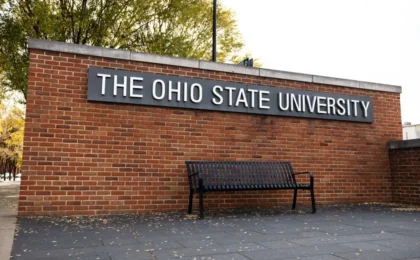
In one of the most sophisticated student-run drug distribution busts in recent collegiate history, law enforcement officials in Pennsylvania have dismantled a large-scale cocaine trafficking operation operating out of Penn State University. The multi-agency investigation, announced by Pennsylvania Attorney General Dave Sunday, culminated in the arrest of 14 individuals, including current and former students, as well as one parent.
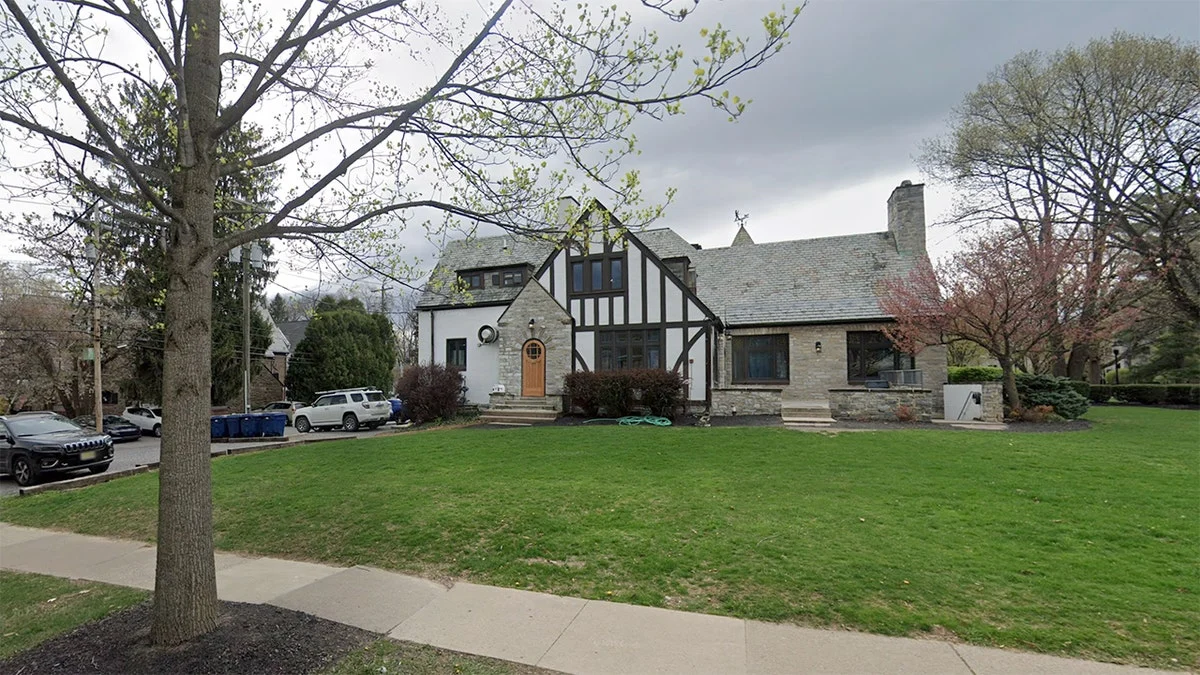
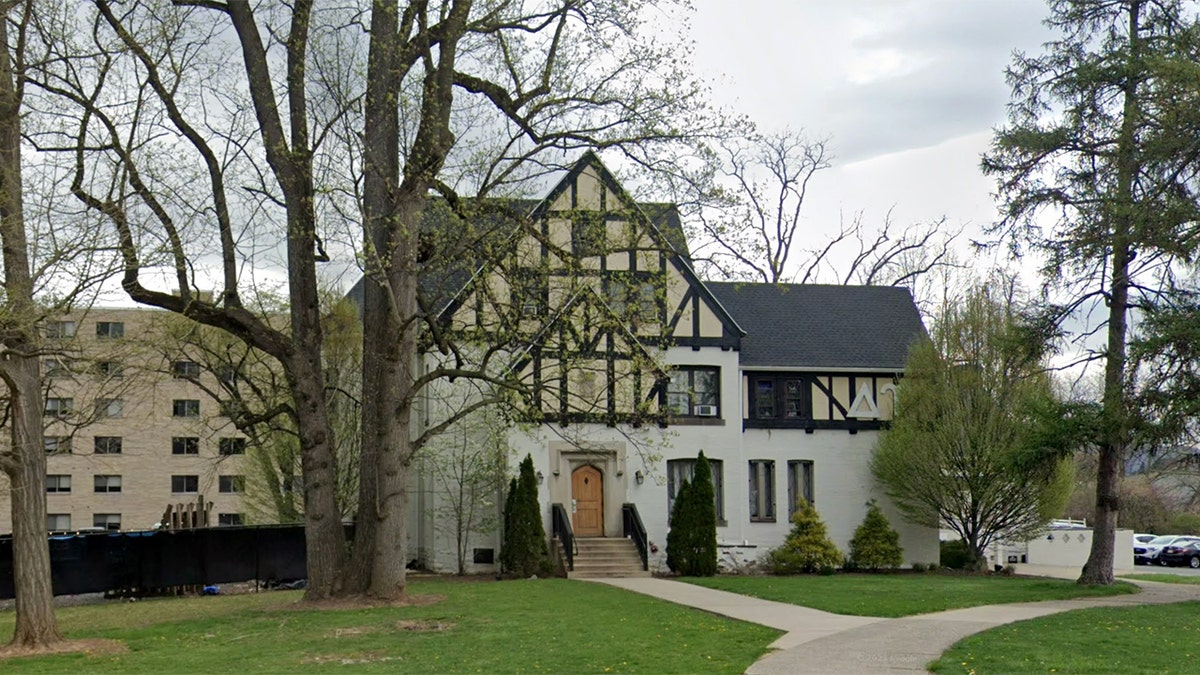
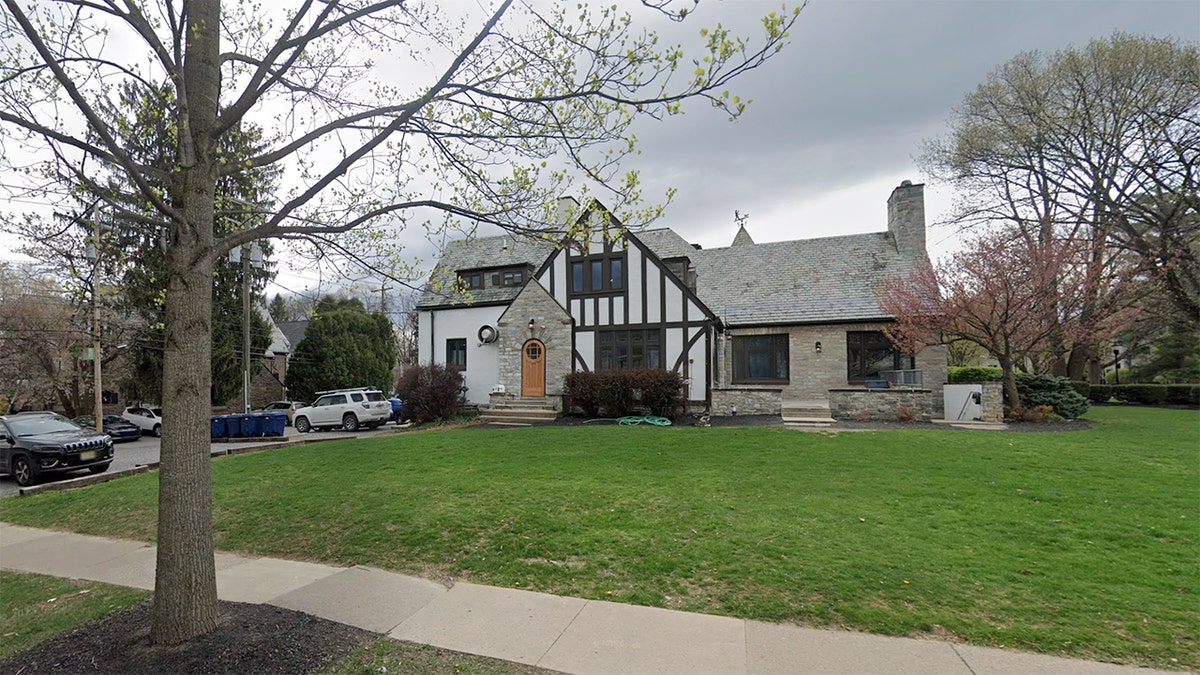
The illicit network, which allegedly utilized popular digital platforms such as Snapchat and Cash App to coordinate sales and process payments, was deeply embedded within the university’s Greek life ecosystem. According to investigators, the distribution ring operated primarily out of two prominent fraternity houses in State College, Pennsylvania: Sigma Chi and Delta Upsilon.
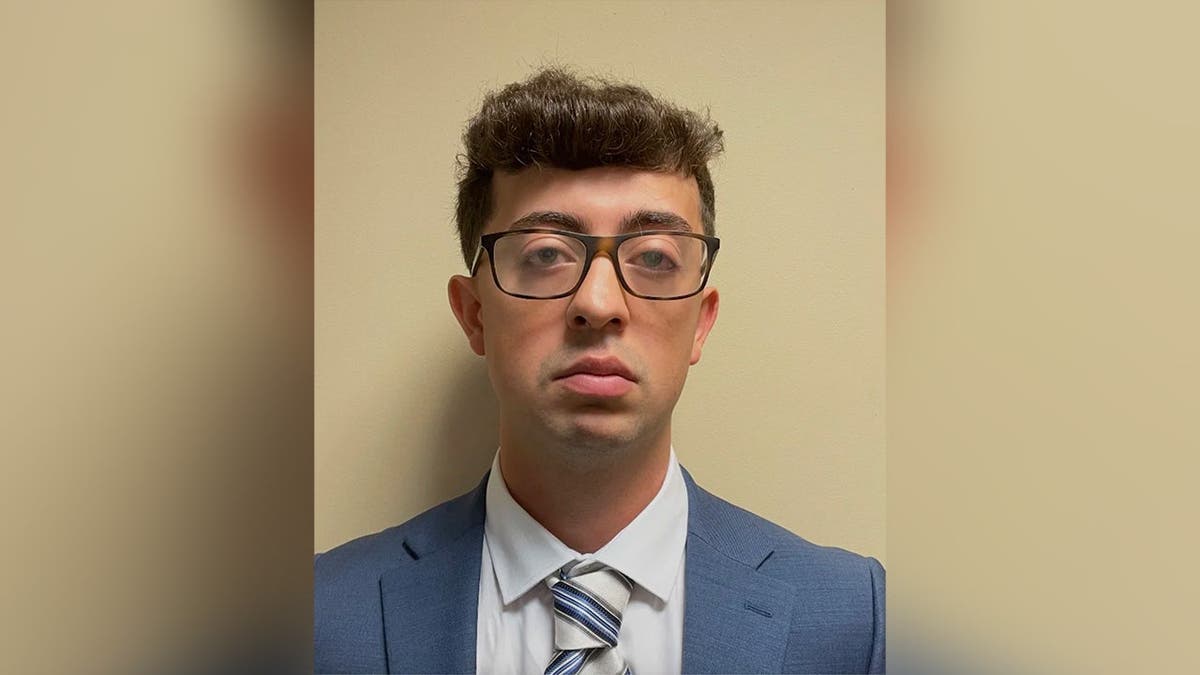
At the apex of the hierarchy was 24-year-old accounting student Agostino Abbatiello, who reportedly went by the moniker "Pablo Pledgescobar." Prosecutors allege that the operation was structured like a corporate enterprise, utilizing younger fraternity pledges and members to weigh, package, and distribute the narcotics, thereby insulating the high-level operators from direct exposure.
The charges leveled against the defendants range from felony possession with intent to deliver and corrupt organizations to misdemeanor charges for lower-level distribution and packaging assistance. All defendants are presumed innocent until proven guilty in a court of law.
Chronology of the Operation and Investigation
The rise and fall of the State College cocaine ring reveals a timeline of rapid expansion, strategic restructuring, and eventual systemic collapse under law enforcement scrutiny.
Late 2023: The Foundation and Early Partnerships
The origins of the distribution network date back to late 2023. According to court documents, Mohammed Huraibi and Thomas Robinson, both members of the Delta Upsilon fraternity, established a partnership to purchase bulk quantities of cocaine. The duo initially split the costs of bulk purchases to maximize their profit margins. During this foundational period, Huraibi introduced Robinson to Agostino Abbatiello, establishing a connection that would later centralize the campus’s drug supply.
As demand grew, the ring sought reliable, high-volume supply chains. Lars Zeepvat, a close friend of Abbatiello and a member of Sigma Chi, stepped forward with a connection. Zeepvat, an admitted cocaine user, informed investigators that he had established a reliable source for the drug in Philadelphia upon arriving at Penn State.
To diversify and increase their inventory, the network expanded its sourcing operations to New York City. Robert Zanolla was recruited by Abbatiello to facilitate transport. Abbatiello allegedly offered to pay Zanolla to make runs to New York City. Investigators estimate that Zanolla and Zeepvat made at least three trips to NYC to secure bulk cocaine shipments for Abbatiello, which were then brought back to the State College area.
Late 2023: Structural Shift
In late 2023, Huraibi attempted to buy out of his partnership with Robinson, seeking to step back from the high-risk bulk procurement operations. However, Huraibi did not exit the trade entirely; court records allege he continued to sell smaller quantities of cocaine to members of other fraternities on campus. Following Huraibi’s partial withdrawal, Abbatiello consolidated power, effectively placing himself at the "top of the food chain" of the campus drug economy.
2024 – 2025: Institutionalization Within Greek Life
With Abbatiello directing operations and Robinson managing downstream logistics, the enterprise began utilizing the fraternity pledge system. Pledges and younger members of Delta Upsilon and Sigma Chi were allegedly coerced or recruited to act as "mules" and packaging assistants. These individuals were tasked with using digital scales to weigh bulk cocaine, packaging the drug into individual baggies, and delivering them to student buyers. Transactions were streamlined through Snapchat to arrange deals and Cash App to handle the financial transactions, keeping cash on hand to a minimum.
The Downfall: Undercover Stings and Arrests
The operation began to unravel when detectives from the Office of the Attorney General, working alongside local State College police, deployed confidential informants.
The First Breakthrough: An informant successfully executed a controlled purchase of cocaine from Thomas Robinson.
The Domino Effect: Following his subsequent arrest, Robinson cooperated with law enforcement officers, detailing the inner workings of the network and identifying Abbatiello as the primary supplier.
The Father’s Intervention: Upon learning of the investigation into his son, Paul Robinson (59) allegedly attempted to intervene by taking possession of a safe containing cocaine and drug proceeds to conceal the evidence from police.
The Takedown: Armed with digital forensics from Snapchat, transaction histories from cash applications, and statements from cooperating co-conspirators, authorities secured arrest warrants for the remaining members of the ring. On Tuesday, August 18, 2026, Agostino Abbatiello surrendered to authorities, where he was arraigned and denied bail.
Supporting Data: Suspect Profiles and Alleged Roles
The 14 complaints released by the Pennsylvania Office of the Attorney General detail a highly organized, multi-tiered hierarchy. Below is the breakdown of the suspects, their backgrounds, and their alleged roles within the enterprise.
Tier 1: Leadership and Bulk Sourcing
1. Agostino "Pablo Pledgescobar" Abbatiello
Age: 24
Hometown: Westbury, New York
Major: Accounting (Dean’s List student)
Fraternity: Sigma Chi
Alleged Role: Ringleader / "Top of the Food Chain." Abbatiello allegedly managed the overall supply, directed transport runs from New York City, and controlled the downstream distributors. He faces multiple felony counts, including running a corrupt organization.
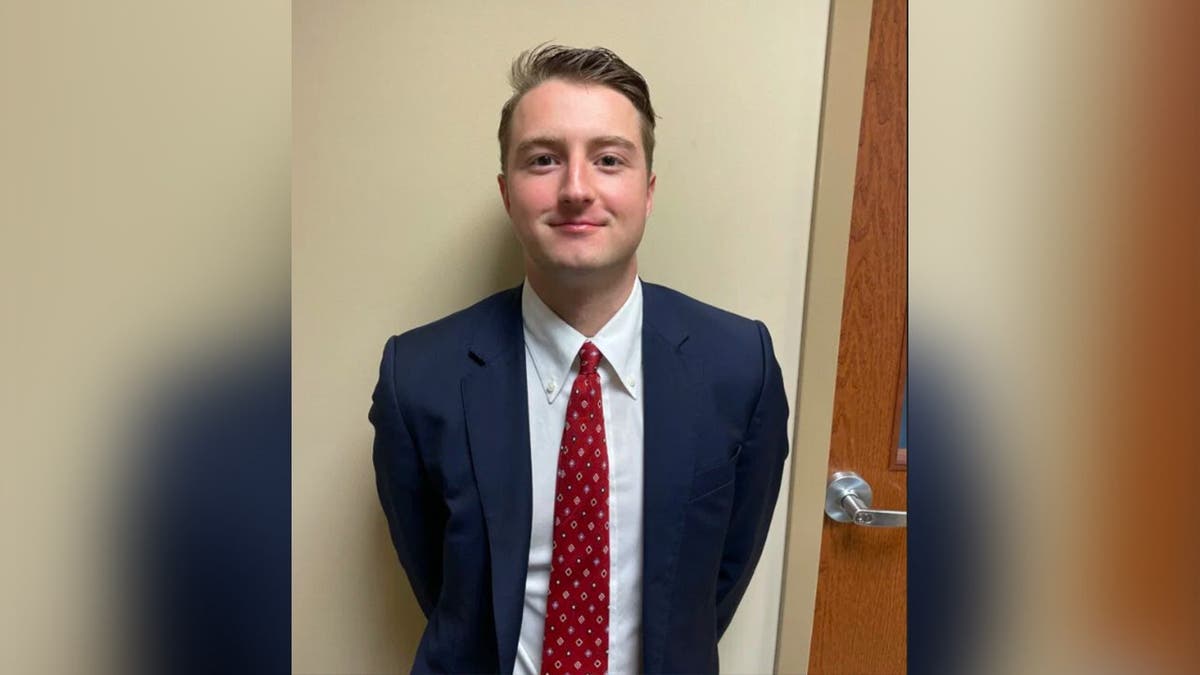
2. Thomas Robinson
Age: 22
Hometown: Pittsburgh, Pennsylvania
Major: Human Resources and Management
Fraternity: Delta Upsilon
Alleged Role: Downstream Logistics and Distribution. Robinson allegedly worked directly under Abbatiello, managing the day-to-day distribution of cocaine to Penn State students and supervising the pledges who packaged the drugs.
3. Lars Zeepvat
Age: 24
Hometown: Mendham, New Jersey
Major: Accounting
Fraternity: Sigma Chi
Alleged Role: Business Partner and Sourcing Agent. Zeepvat allegedly used his personal connections in Philadelphia to secure initial bulk quantities of cocaine and assisted in transporting the drugs to State College.
4. Mohammed Huraibi
Age: 22
Hometown: Secaucus, New Jersey
Major: Accounting/Finance
Fraternity: Delta Upsilon
Alleged Role: Early Stage Distributor and Financier. Huraibi co-funded the initial bulk purchases with Robinson before attempting to divest from the bulk operation in late 2023.
5. Robert Zanolla
Age: 24
Hometown: Manhasset, New York
Major: Unlisted
Fraternity: Sigma Chi
Alleged Role: Inter-State Transporter. Zanolla allegedly collaborated with Zeepvat to make targeted trips to New York City to purchase cocaine on behalf of Abbatiello in exchange for financial compensation.
Tier 2: Facilitators and Mid-Level Support
6. Paul Robinson
Age: 59
Hometown: Pittsburgh, Pennsylvania
Connection: Father of Thomas Robinson
Alleged Role: Obstruction and Concealment of Evidence. He is accused of taking possession of a safe containing cocaine and cash belonging to his son in an attempt to hide it from law enforcement.
7. Liam Smith
Age: 23
Hometown: Garden City, New Jersey
Major: Unlisted
Fraternity: No formal affiliation listed in court documents
Alleged Role: Purchaser and Packaging Assistant. Smith, who was Abbatiello’s roommate, allegedly purchased cocaine from him on at least ten occasions and assisted in packaging the drug for distribution five times.
Tier 3: Packaging, Weighing, and Delivery (Pledge Class / Lower-Level Operators)
8. Michael Brogno Jr.
Age: 20
Hometown: Ellicott City, Maryland
Major: Finance
Fraternity: Delta Upsilon
Alleged Role: Packaging and Delivery. Brogno allegedly operated under the direct guidance of Thomas Robinson, packaging bulk cocaine into smaller user-quantities and delivering them to buyers.
9. Kaden Howe
Age: 22
Hometown: Monmouth Court, New Jersey
Major: Energy Engineering
Fraternity: Acacia
Alleged Role: Delivery Support. Howe faces misdemeanor charges for allegedly purchasing and delivering cocaine sourced from Robinson and Huraibi.
10. Connor Hurleigh
Age: 22
Hometown: Oakdale, New York
Major: Unlisted
Fraternity: Delta Upsilon
Alleged Role: Packaging and Delivery Support. Hurleigh allegedly purchased cocaine from Robinson and assisted with the physical prep work of packaging and distribution.
11. Seth Beardsley
Age: 20
Hometown: Mechanicsburg, Pennsylvania
Major: Supply Chain Information Systems
Fraternity: Delta Upsilon
Alleged Role: Packaging Support. Facing misdemeanor charges, Beardsley allegedly utilized digital scales to weigh out cocaine doses under Robinson’s direction.
12. Charlie Weisman
Age: 20
Hometown: Mount Airy, Maryland
Major: Chemical Engineering
Fraternity: Delta Upsilon
Alleged Role: Packaging Assistance. Weisman allegedly assisted Robinson by weighing cocaine on digital scales and portioning it into individual baggies.
13. Daniel Price
Age: 21
Hometown: Media, Pennsylvania
Major: Unlisted
Fraternity: Delta Upsilon
Alleged Role: Packaging Support. Price faces misdemeanor charges for his alleged involvement in preparing the drugs for sale.
14. Kyle Ridpath
Age: 21
Hometown: Media, Pennsylvania
Major: Unlisted
Fraternity: Delta Upsilon
Alleged Role: Packaging Support. Ridpath is facing misdemeanor charges for assisting in the preparation and packaging of the network’s cocaine inventory.
Official Responses
The announcement of the arrests drew swift condemnation and concern from state officials, law enforcement experts, and university representatives.
Pennsylvania Attorney General Dave Sunday emphasized the danger that such operations pose to the safety of academic environments. "This was not a case of casual, small-scale sharing among friends," Sunday stated during a press conference. "This was an organized, profit-driven drug trafficking organization operating right in the heart of a major university community, exploiting Greek life structures to build a customer base."
Former acting DEA Administrator Derek Maltz weighed in on the operational security of the ring, pointing out the dangerous normalization of drug trafficking among college students. "What we are seeing here is the corporate-style optimization of drug dealing," Maltz noted.
"These students used Snapchat and Cash App because it made the transactions feel clean, transactional, and modern. But the reality is that they were pumping highly addictive, potentially lethal substances into their community. With the current fentanyl crisis, any illicit cocaine market on a college campus is a tragedy waiting to happen."
Penn State University officials released a statement affirming their cooperation with state and local law enforcement. The university reiterated its zero-tolerance policy toward narcotics distribution and indicated that any students involved would face immediate disciplinary action, up to and including permanent expulsion, independent of the ongoing criminal proceedings. Both the Sigma Chi and Delta Upsilon national organizations have reportedly suspended the local chapters pending further investigation.
Implications
The dismantling of the Penn State cocaine ring highlights several critical socio-economic and institutional challenges facing modern universities.
The Irony of Major Selection and Corporate Organization
One of the most striking aspects of the case is the alignment of the suspects’ academic pursuits with their alleged roles in the drug ring. The leadership tier consisted largely of Accounting, Finance, and Human Resources majors.
Abbatiello, an accounting student on the Dean’s List, reportedly possessed a "passion for numbers and financial storytelling." The network operated with a defined corporate structure: a CEO (Abbatiello), logistics managers (Robinson), supply chain coordinators (Zeepvat), and low-level labor (the pledges). This integration of academic business training into illicit enterprises represents a sophisticated challenge for campus police forces, who are more accustomed to disorganized, localized drug sales.
The reliance on Snapchat and Cash App demonstrates how fintech and social media have lowered the barrier to entry for youth-led drug cartels. By avoiding physical cash handoffs, the ring avoided the traditional, high-risk "street corner" dynamics of drug dealing.
However, this reliance on digital platforms also proved to be their undoing. Digital payment apps and social media platforms leave permanent, subpoena-ready data trails. The digital footprint left by Cash App transfers and Snapchat archives provided prosecutors with a comprehensive map of the conspiracy, illustrating how modern technology acts as a double-edged sword for criminal enterprises.
Systemic Vulnerabilities in Greek Life
The involvement of Sigma Chi and Delta Upsilon underscores the persistent structural vulnerabilities within university fraternities. The traditional hierarchy of Greek life—particularly the power dynamic between active members and pledges—creates an environment ripe for coercion. Pledges, eager to fit in and gain official entry into the fraternity, are uniquely susceptible to being pressured into high-risk activities, such as packaging and delivering illicit substances.
As the legal system processes these 14 defendants, universities nationwide are forced to confront a sobering reality: the infrastructure of traditional Greek life remains highly vulnerable to exploitation by sophisticated, student-led criminal networks.