ANKARA – The 2026 NATO summit, intended to be a platform for transatlantic unity, has instead devolved into a theatre of diplomatic brinkmanship. As global tensions skyrocket following the collapse of the Iran ceasefire, US President Donald Trump has utilized the Ankara gathering to openly berate European allies, rekindle territorial disputes, and reshape the military landscape of the Middle East.
The State of the Alliance: A Summit Overshadowed
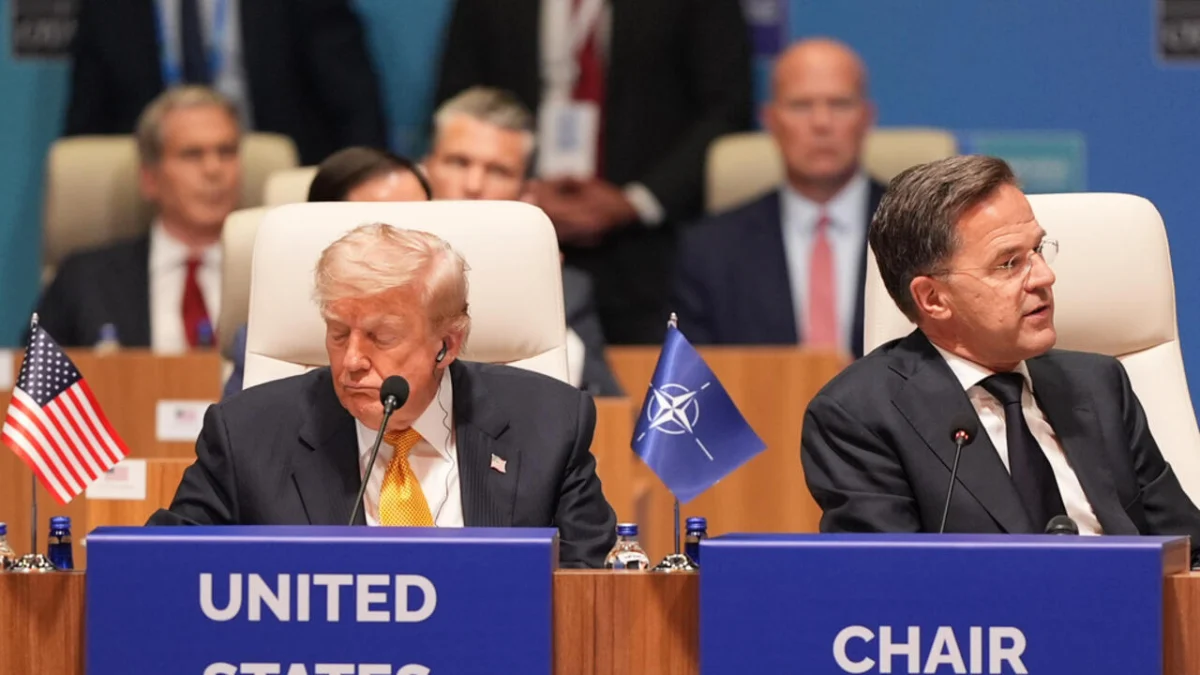
The atmosphere at the summit in Turkey is one of palpable anxiety. NATO Secretary-General Mark Rutte had spent the weeks leading up to the event attempting to project an image of a cohesive, modernized alliance. However, President Trump’s arrival effectively dismantled that narrative.
Fresh off an overnight military flare-up in the Strait of Hormuz, President Trump declared the Iran ceasefire "dead on arrival." His rhetoric, aimed squarely at the leaders assembled in Ankara, centered on a perceived lack of loyalty from European counterparts who have refused to fully align with Washington’s aggressive posture against Tehran.
"I’m very upset with NATO," the President stated during a briefing on Wednesday. "They didn’t want to help us with the number one state sponsor of terror, that’s Iran. It’s a disgrace."
Chronology of the Diplomatic Fallout
The current crisis did not emerge in a vacuum; it is the culmination of months of friction regarding defense burden-sharing and conflicting foreign policy priorities.
- July 7, 2026: A major escalation occurs in the Strait of Hormuz, involving US naval assets and Iranian forces. Washington responds with targeted strikes, effectively nullifying the existing ceasefire agreement.
- July 8, 2026 (Morning): President Trump arrives in Ankara. In a sharp contrast to his treatment of European leaders, he shares a warm, high-profile reception with Turkish President Recep Tayyip Erdogan, emphasizing their "chemistry."
- July 8, 2026 (Afternoon): During a press conference, Trump publicly castigates Spain, labeling it a "terrible partner" and threatening to curtail trade ties. He simultaneously pivots back to the controversial topic of Greenland, dismissing Danish objections.
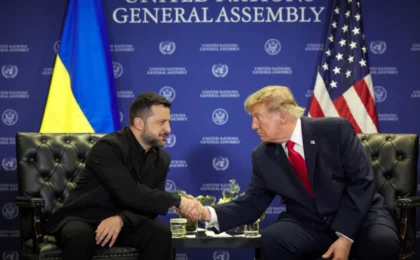
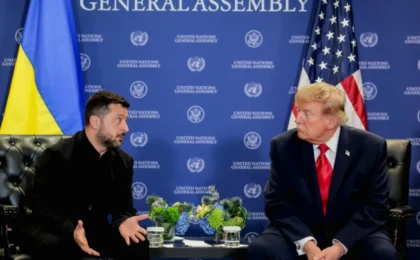
- July 9, 2026 (Scheduled): The President is set to hold high-stakes bilateral meetings with Ukrainian President Volodymyr Zelensky and a controversial session with Syrian leader Ahmed al-Sharaa.
The Greenland Gambit and the "Spain Problem"
President Trump’s reassertion of his interest in purchasing Greenland has sent shockwaves through Scandinavian diplomatic circles. Despite a terse, immediate dismissal from Danish Prime Minister Mette Frederiksen—who famously stated, "Greenland is, of course, not for sale"—Trump continues to press the issue as a matter of American strategic necessity.
"Greenland is a big problem for us," Trump told reporters, framing the territory as a vital asset for global security that is currently underutilized by Copenhagen. "We need it for protection of the world, not just the United States."
Simultaneously, the President has turned his fire on Spain, citing insufficient defense spending and a lack of support in his "war with Iran." In a move that has alarmed economists and diplomats alike, Trump instructed Treasury Secretary Scott Bessent to examine the feasibility of cutting off economic ties with Madrid. "Spain is a wasted cause," the President declared, signaling a potential shift toward a more transactional, punitive foreign policy toward long-term allies.
Supporting Data: The Defense Spending Paradox
The tension in Ankara is deeply rooted in the contentious issue of defense expenditures. NATO’s own figures, published on the eve of the summit, suggest that the alliance is actually hitting its targets, yet this has done little to soothe the President’s grievances.
According to the latest reports, core defense spending by European member states surged by 11 percent in 2026, reaching a record $634 billion, up from $571 billion the previous year. In a preemptive bid to appease the US administration, allies unveiled tens of billions in new arms contracts on Tuesday.
Secretary-General Mark Rutte attempted to frame this as a victory for the Trump administration’s long-standing demands. "Yesterday was a great success," Rutte noted. "Allies are delivering by taking more responsibility for the defense of their continent in the face of Russia." However, Trump’s focus appears to have shifted from mere budgetary compliance to absolute political and military alignment with US objectives in the Middle East.
Shifting Alliances: The Ankara-Washington Axis
One of the most significant takeaways from the summit is the strengthening of ties between the United States and Turkey. While Trump remains at odds with the European core of NATO, he has signaled a radical policy reversal regarding Ankara.
Trump has publicly announced that he is considering the sale of F-35 fighter jets to Turkey and is prepared to roll back sanctions that have plagued the bilateral relationship since 2019. Turkey was expelled from the F-35 program after purchasing Russian-made S-400 defense systems, but this potential pivot could signal a major realignment of regional power dynamics. Analysts suggest that this gesture is intended to reward President Erdogan for his alignment with Washington’s regional goals, particularly regarding the Syrian conflict.
Implications for Global Stability
The summit serves as a microcosm of the current geopolitical impasse. With the war in Ukraine at a stalemate, the focus has shifted toward the fragile ceasefire in the Middle East and the future of the Syrian state.
The Ukraine Dimension
Despite his focus on Iran, President Trump maintained that he believes a deal is within reach regarding the conflict in Ukraine. "I think they both want to make a deal," he said, confirming he had spoken with Russian President Vladimir Putin prior to his arrival in Turkey. Further consultations with the Kremlin are expected following his meeting with President Zelensky. Meanwhile, Europe and Canada have pledged to maintain military support for Kyiv at a rate of €70 billion annually through 2027, an effort that remains under the shadow of potential US policy shifts.
The Syrian Factor
Perhaps the most contentious development is the planned meeting between President Trump and Syrian President Ahmed al-Sharaa. This follows a high-profile state visit by French President Emmanuel Macron to Damascus—a visit that was tragically marred by twin bombings in the Syrian capital, which left 18 people wounded. The international community is watching closely to see if the US will normalize relations with the Syrian government, a move that would represent a seismic shift in Western foreign policy.
Conclusion: A Transatlantic Alliance at a Crossroads
As the Ankara summit concludes, the NATO alliance finds itself in a precarious position. The "complete commitment" to the alliance promised by Secretary-General Rutte is being tested by a US administration that increasingly prioritizes unilateral action over multilateral consensus.
The disconnect between European efforts to modernize their military capacity and the President’s demand for total ideological and operational subservience has created a vacuum of leadership. As the US recalibrates its role on the global stage—moving away from traditional European partnerships and toward new, transactional alliances in the Middle East—the future of NATO remains more uncertain than at any point since the turn of the century.
The coming months will determine whether the alliance can withstand these internal fractures or if the events in Ankara mark the beginning of a fundamental disintegration of the post-Cold War security architecture.