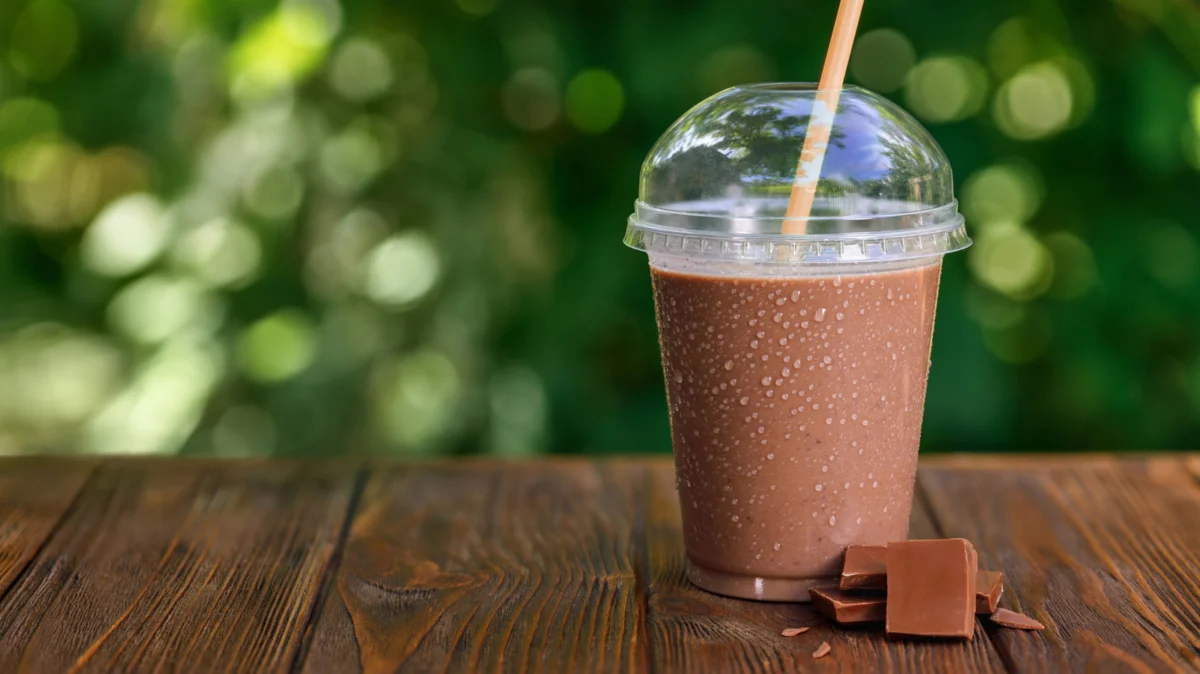
In the high-stakes arena of fast-food desserts, the chocolate milkshake is perhaps the ultimate litmus test. It is a deceptively simple concoction—a blend of dairy, sugar, and cocoa—that should, in theory, be impossible to ruin. Yet, as any frequent traveler of the drive-thru circuit knows, the gulf between a mediocre shake and a masterpiece is vast. While industry titans like McDonald’s and Burger King have long dominated the market through sheer ubiquity, a comparative analysis has revealed that a specific chicken-centric chain is quietly producing a dessert that renders its competitors’ offerings obsolete.
Chick-fil-A, a brand primarily recognized for its pressure-cooked chicken sandwiches and legendary customer service, has emerged as the unlikely champion of the milkshake category. Following a comprehensive taste test of 10 major fast-food chocolate milkshakes, industry experts have concluded that the Chick-fil-A version possesses a depth of quality that neither the Golden Arches nor the Home of the Whopper can replicate.
The Anatomy of the Perfect Shake: A Comparative Analysis
To understand why Chick-fil-A has managed to surpass its rivals, one must first look at the mechanics of the beverage. A truly superior milkshake must balance density, flavor profile, and mouthfeel. It should be thick enough to require effort through a straw, yet smooth enough to avoid the texture of frozen slush.
The Chick-fil-A Standard
The success of the Chick-fil-A milkshake lies in its foundational ingredient: the company’s proprietary "Icedream." Unlike the generic soft-serve used by many competitors, Icedream offers a distinct, milky richness that serves as a high-quality canvas for flavoring.
According to our lead reviewer, the Chick-fil-A shake achieves a "hand-spun consistency" that feels intentional rather than industrial. "It is craveably dense yet still sippable," the review notes. Perhaps most importantly, the flavor profile avoids the common pitfall of syrupy, artificial sweetness. Instead, the shake delivers "smooth and mellow chocolate notes" that highlight the cocoa rather than burying it under a mountain of high-fructose corn syrup. The addition of whipped cream, which is fresh and provides a necessary textural contrast, elevates the experience to an "old-fashioned" standard that feels remarkably premium for a quick-service restaurant.
The Competition: Where the Giants Falter
The experience at McDonald’s and Burger King, by contrast, highlights the limitations of mass-market, high-volume production. McDonald’s, long synonymous with the chocolate shake, has faced increasing criticism for a consistency that often leans toward the thin side. "The blend of soft serve and chocolate syrup was still only of medium thickness, at best," the critique stated. For a consumer seeking an indulgent dessert, the watery consistency of the McDonald’s shake fails to deliver the tactile satisfaction required of the category.
Burger King’s offering struggles with a different set of issues, primarily concerning preparation. In the tasting, the Burger King shake appeared "a bit of a mess," suffering from a lack of proper blending. When the chocolate syrup is not integrated effectively into the ice cream base, the result is a disjointed drinking experience—a failure in execution that renders the shake unappealing.
Chronology: The Evolution of the Fast-Food Dessert
The milkshake has served as a cornerstone of the American drive-in culture since the early 20th century. While the 1950s and 60s saw the rise of the malt shop, the late 20th century saw the commodification of the shake as fast-food chains vied for dominance in the "snackable" dessert market.
- The Golden Age of Soft Serve: In the 1970s and 80s, chains like McDonald’s streamlined their milkshake production by utilizing centralized soft-serve machines and pre-mixed syrups. This prioritized speed and cost-efficiency over artisanal quality.
- The Rise of "Hand-Spun": As consumer palates grew more sophisticated in the 2010s, brands began to market "hand-spun" shakes as a premium alternative. This was an attempt to recapture the nostalgia of the local soda fountain.
- The Chick-fil-A Differentiator: Chick-fil-A’s strategic decision to leverage its existing Icedream base allowed it to enter the market not as a newcomer, but as a brand with a unique, pre-established dessert identity. By keeping their menu focused, they maintained a level of quality control that larger, more diversified menus often struggle to sustain.
Supporting Data: The Digital Verdict
The superiority of the Chick-fil-A shake is not merely the opinion of a single critic; it is a sentiment echoed across digital forums and consumer feedback loops. On platforms like Reddit, the consensus regarding Chick-fil-A’s dessert menu is overwhelmingly positive.
In threads dedicated to the chain’s offerings, users frequently highlight the consistency of the flavor. "They’re so good!" wrote one user, a sentiment echoed by a chorus of commenters who describe the experience as "addictive." Furthermore, the brand has successfully fostered a culture of "shake-hacking." Customers have begun experimenting with cross-flavor blending, such as combining the chocolate shake with the cookies and cream variety. This level of consumer engagement suggests a product that is not just consumed, but enjoyed as a part of a wider culinary experience.
The Recipe for Success
The "secret" behind the consistency is less about magic and more about strict operational procedure. Chick-fil-A employees are trained to follow precise, measured recipes. The blending cups used in every location feature marked lines for ingredients, ensuring that the ratio of base to flavoring is identical whether the store is in Georgia or Washington state. This operational rigor is the backbone of their quality assurance.
Implications: The Calories and the Trade-offs
Despite the acclaim, the reality of the milkshake industry remains a concern for the health-conscious consumer. A single, standard-sized shake at many of these chains packs a significant caloric and carbohydrate load.
Data from consumer reports indicate that most Chick-fil-A shakes exceed 80 grams of carbohydrates, with seasonal variations like the Peppermint Shake reaching as high as 110 grams. For the average consumer, these figures are a stark reminder that these beverages are, by design, decadent treats. The discourse online frequently touches on this, with regulars acknowledging the high sugar content while maintaining that it remains an occasional "guilty pleasure."
This creates an interesting market implication: while Chick-fil-A wins on quality, the dessert category as a whole is facing a reckoning. As consumers become more aware of nutritional intake, the future of the fast-food shake may lie in smaller portion sizes or alternative, lower-sugar bases. However, for the time being, the demand for the "thick, creamy, and decadent" experience remains high, and Chick-fil-A has positioned itself as the provider of choice for those who view the milkshake as an essential component of the meal.
Conclusion: A Lesson in Brand Integrity
The triumph of the Chick-fil-A chocolate milkshake over its global competitors is a classic case study in the value of operational focus. By prioritizing the quality of the base ingredient (Icedream) and implementing strict, repeatable blending protocols, the brand has managed to outperform giants with significantly larger marketing budgets and longer histories in the beverage space.
While McDonald’s and Burger King continue to rely on the convenience of their systems, Chick-fil-A has successfully commodified the "premium" experience. Whether it is the hand-spun consistency or the perfectly whipped cream topping, the chain has proven that even in the world of high-speed, high-volume dining, quality control remains the ultimate competitive advantage. For those seeking the gold standard of chocolate milkshakes, the evidence is clear: the chicken chain has officially claimed the throne.