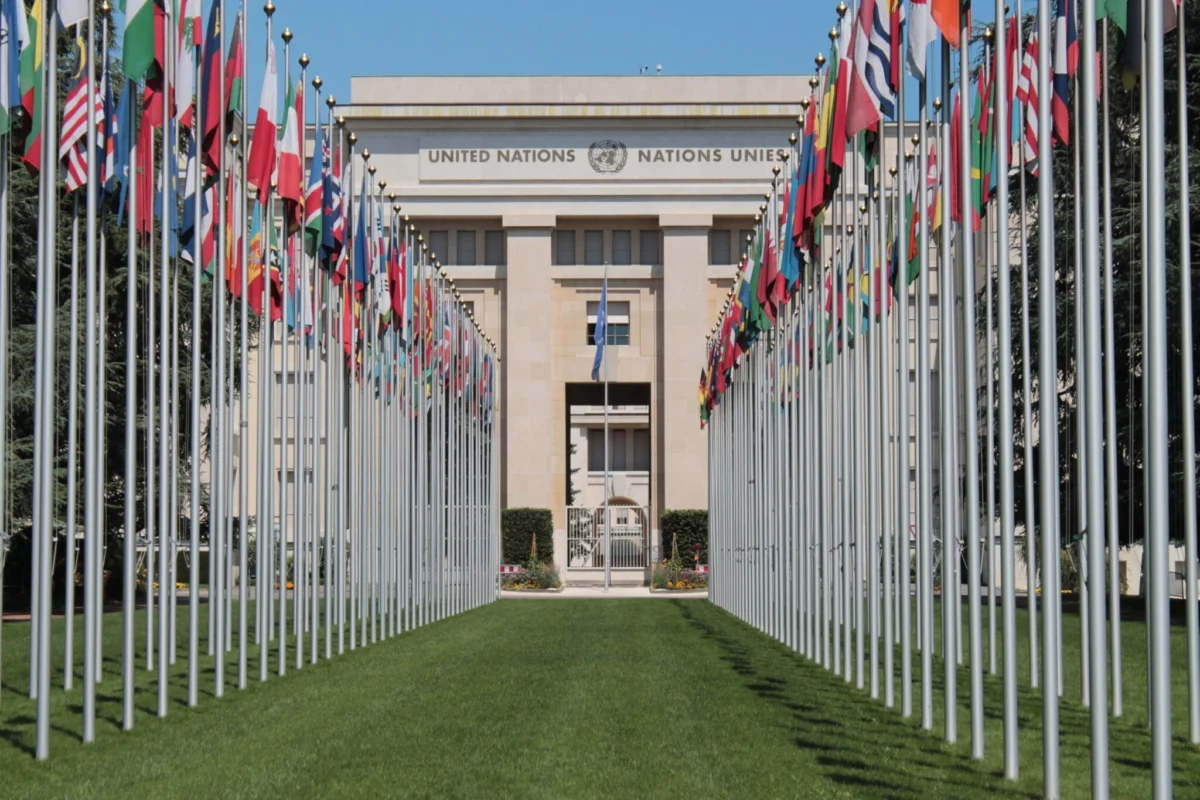
GENEVA — In a world where the echoes of violence no longer fade with the sunset of the day they occur, the United Nations has taken a definitive step toward addressing the "second wave" of terrorism: the persistent, inescapable trauma inflicted by the digital landscape.
On Friday, August 21, coinciding with the International Day of Remembrance of and Tribute to the Victims of Terrorism, the UN Office of Counter-Terrorism (UNOCT) unveiled a groundbreaking initiative aimed at dismantling the online mechanisms that retraumatize survivors. By shifting the burden of digital safety from the individual to the platforms themselves, this new framework seeks to foster a victim-centric digital environment, ensuring that the internet serves as a tool for healing rather than a theater for renewed violence.
The Core Mandate: A Victim-Centric Digital Future
The initiative is built upon the foundational belief that technology companies have a moral and operational responsibility to protect those most vulnerable to the viral nature of modern conflict. The cornerstone of this effort is a new briefing paper titled “Building a Safer Internet for Victims of Terrorism,” released by the Victims of Terrorism Associations Network (VoTAN).
The initiative addresses a harrowing reality: for victims, the physical end of an attack is rarely the end of the threat. Instead, they are often subjected to a relentless digital barrage of graphic footage, deepfake manipulation, and targeted harassment that forces them to relive their worst moments repeatedly. The UN’s new directive demands a fundamental redesign of how social media platforms handle content related to terror, moving beyond reactive moderation to proactive, trauma-informed architecture.
Chronology of Advocacy: From Resolution to Reform
The path to this initiative was paved by years of international diplomacy and the persistent advocacy of survivors.
- 2017 – The Foundation: The UN General Assembly adopted Resolution 72/165, officially designating August 21 as the International Day of Remembrance of and Tribute to the Victims of Terrorism. This set the stage for institutional recognition of survivors’ rights.
- 2022 – The Global Congress: The inaugural UN Global Congress of Victims of Terrorism provided a critical turning point. For the first time, victims, survivors, and civil society organizations were brought into the formal counter-terrorism architecture, creating a unified voice that demanded systemic change rather than symbolic gestures.
- 2025 – The Rise of VoTAN: The UNOCT launched the Victims of Terrorism Associations Network (VoTAN), an ambitious network connecting 120 victim associations across 40 countries. This network became the primary conduit for the lived experiences that now inform UN policy.
- 2026 – The Digital Pivot: Following months of consultation with technologists, human rights experts, and psychologists, the UN unveiled its comprehensive strategy to combat online retraumatization, marking the first time international policy has directly challenged the algorithmic structures of major social media platforms regarding victim protection.
The Mechanics of Retraumatization: Why Algorithms Matter
The briefing paper highlights a chilling reality: the very algorithms designed to maximize engagement are the same mechanisms that fuel the trauma of terror survivors.
The Algorithmic Loop
Dr. Maysoon Salama, manager of the An-Nur Child Care Centre and a vocal advocate for the initiative, noted that recommendation-based algorithms are often indifferent to human suffering. When a terror attack occurs, these algorithms frequently push graphic, unverified, and disturbing footage into the feeds of users, including the victims themselves. This "trending" status serves to amplify the reach of extremist propaganda, rewarding the perpetrators with the digital notoriety they crave while keeping the victims trapped in a cycle of exposure.
Weaponized Technology
Beyond mere amplification, the digital landscape is increasingly used as a weapon of secondary victimization. The proliferation of AI-generated content, such as deepfakes, allows extremists to manipulate events, deny the suffering of victims, or even generate fake testimonies that mock survivors. This manipulation is not just a nuisance; it is a profound psychological assault that distorts reality, making it nearly impossible for victims to find closure.
Expert Testimony: The Psychological Toll
The psychological impact of these digital experiences is profound and long-lasting. Odette Chesnot, a renowned psychologist and founder of the Lebanese Association of Victims of Terrorism, emphasizes that the internet has become a "perpetual crime scene."
"When a victim is suddenly exposed to content—be it a video of the attack or a campaign of harassment—it triggers a physiological stress response that mimics the original trauma," Chesnot explained. "This ‘reactivation’ of trauma can undo years of psychological recovery. It is a form of digital violence that is often invisible to the policy-makers who regulate these platforms."
Chesnot’s observations underscore the urgency of the UN’s request: the "digital cleanup" of extremist content cannot remain the responsibility of the victims. Currently, survivors are forced to navigate cumbersome reporting tools, often while in a state of emotional distress, to plead for the removal of content that is already causing them harm.
Proposed Structural Reforms: The "Golden Hour" and Beyond
The UN’s briefing paper outlines a series of technical and operational requirements that demand immediate adoption by technology firms.
1. The "Golden Hour" Protocol
The initiative advocates for the implementation of a "Golden Hour Protocol." In the immediate aftermath of an attack, platforms must activate pre-arranged crisis response rooms. These units would be tasked with the rapid dissemination of verified information, effectively crowding out the misinformation and deepfakes that typically fill the vacuum in the minutes and hours following an event.
2. Priority Reporting and Human Moderation
VoTAN argues that verified victims should not be subject to the same automated moderation queues as the general public. The proposed "protected status" would allow victims to bypass bots and be routed directly to human moderators—specialists trained specifically in trauma-informed content moderation. These moderators would be empowered to act with speed and sensitivity, recognizing the unique nature of extremist content.
3. Algorithmic Accountability
The initiative calls for a fundamental audit of recommendation algorithms. Platforms are urged to deprioritize content that features or mimics the perspectives of terrorists and to implement "circuit breakers" that automatically detect and suppress the spread of graphic content related to active or recent terror events.
Official Responses and Global Implications
The response from the international community has been largely supportive, though the implementation challenges remain significant. Alexandre Zouev, Acting Under-Secretary-General for Counter-Terrorism, framed the initiative as a moral imperative.
"Drawing directly on the lived experiences of victims and survivors, it offers recommendations to governments, technology companies, and civil societies to help create digital spaces that protect rather than re-traumatize those affected by terrorism," Zouev stated.
However, the initiative also serves as a warning to the private sector. By setting these standards, the UN is signaling that the era of self-regulation for social media companies regarding counter-terrorism is coming to an end. There is a growing consensus that failure to protect victims from digital harm could soon result in stricter legislative oversight and international regulatory frameworks.
Conclusion: A Shift in the Human Rights Paradigm
The launch of this UN initiative marks a significant evolution in how the world understands human rights in the digital age. By acknowledging that digital harm is a genuine extension of physical violence, the UN is expanding the scope of what it means to support victims of terrorism.
The success of these recommendations will ultimately depend on the willingness of global tech giants to subordinate their engagement-driven business models to the safety of the public. For survivors, the initiative offers a flicker of hope: that one day, the internet might stop being a place where their pain is monetized, and instead become a space where their dignity is preserved.
As the international community reflects on the victims of terror this week, the message is clear: the defense against extremism is no longer just about stopping the next attack—it is about ensuring that the digital world does not remain a weapon against those who have already sacrificed so much.