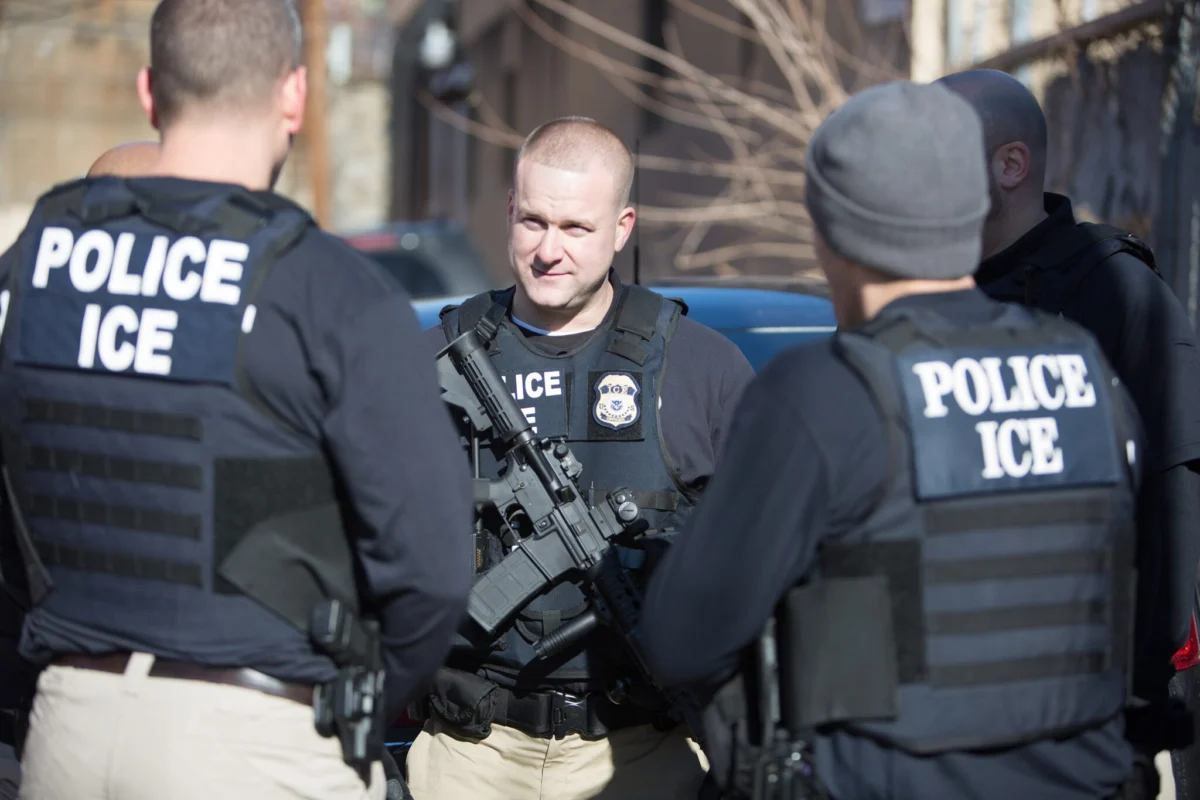
In a move that has ignited intense debate among human rights organizations and legal scholars, U.S. Immigration and Customs Enforcement (ICE) conducted a mass deportation flight to Haiti this past Thursday. The charter, carrying over 160 individuals, marks the first significant wave of removals since the Supreme Court upheld the administration’s decision to terminate Temporary Protected Status (TPS) for approximately 330,000 Haitian nationals.
The flight landed not in the capital of Port-au-Prince, but in the northern city of Cap-Haïtien. This diversion was a tactical necessity born of desperation: armed gangs currently exert total control over roughly 70 percent of the capital and its surrounding infrastructure. Officials expressed profound concern that returning deportees to the capital would essentially deliver them into the hands of criminal syndicates, potentially resulting in kidnapping, torture, or execution.
The Legal Landscape: From Appellate Courts to the Supreme Court
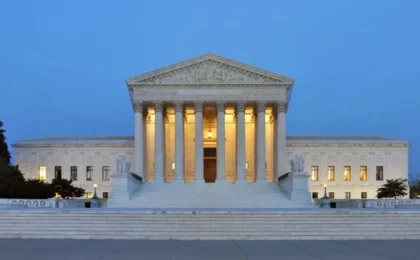
The current deportation surge is the direct result of a landmark June Supreme Court ruling that handed the executive branch broad authority to revoke TPS. The program, which had allowed Haitians to live and work in the United States in 18-month cycles, was designed to protect individuals from the compounding crises of natural disasters, political instability, and civil unrest.
The Supreme Court’s decision effectively overturned a January 2026 ruling by a federal appellate court. In that earlier decision, judges had determined that then-Homeland Security Director Kristi Noem had exceeded her congressionally authorized powers by unilaterally stripping protections from Haitian and Venezuelan immigrants. However, the Supreme Court majority argued that such immigration matters fall squarely under the "sole executive discretion" of the President.
Dissenting justices expressed sharp concern regarding the motivations behind the policy. They argued that the Court had a duty to scrutinize the executive action more closely, citing documented statements by President Trump regarding Haitian migrants as evidence of potentially racially charged decision-making. Despite these concerns, the legal pathway for mass removal is now clear, leaving hundreds of thousands of people in a state of extreme legal precarity.
A Chronology of Instability and Rhetoric
To understand the current crisis, one must look at the convergence of political rhetoric and state collapse over the last two years:
- March 2024: Prime Minister Ariel Henry resigns amid a total collapse of public order, leading to the establishment of a nine-member transitional council.
- September 2024: Then-candidate Donald Trump gains national notoriety for peddling debunked conspiracy theories claiming that Haitian immigrants in Springfield, Ohio, were abducting and eating local pets. The rhetoric sparks a wave of harassment and fuels local anxiety.
- January 2026: A federal appeals court blocks the administration’s plan to end TPS for Haitians and Venezuelans, providing temporary relief to hundreds of thousands.
- June 2026: The Supreme Court reverses the appellate decision, allowing the executive branch to terminate TPS at will.
- August 2026: Reports emerge of increased ICE activity in regions like Springfield, Ohio, and Miami’s "Little Haiti," prompting many to withdraw from public life entirely.
- Late August 2026: The first post-ruling deportation flight touches down in Cap-Haïtien, signaling the beginning of a new, more aggressive era of border enforcement.
The Humanitarian Reality: Haiti at a Breaking Point
The situation on the ground in Haiti is, by all international metrics, catastrophic. The United Nations has consistently warned that the country is at a "breaking point." Between January and June 2026 alone, the UN reported that over 3,100 people were killed in gang-related violence, and more than 1.5 million people have been internally displaced.
Jean Négot Bonheur Delva, Director General of Haiti’s National Office of Migration, confirmed that the flight included a diverse group of returnees: former TPS holders, individuals who had served prison sentences in the U.S., and people of Haitian descent who had been born in other countries and had never lived on the island.
Humanitarian groups, including the Immigrant Survivors organization, have called for an immediate moratorium on these flights. They argue that the U.S. State Department’s own "Do Not Travel" advisory—which remains in place for Haiti due to kidnappings, crime, and civil unrest—is in direct contradiction with the act of forcibly returning vulnerable people to such a war zone.
Supporting Data and Security Failures
The escalation of violence in Haiti has outpaced the ability of international forces to respond. In September 2025, the UN established a multi-nation "Gang Suppression Force" to attempt to reclaim urban centers. Despite this, the reach of gangs has only widened.
Key issues currently plaguing the nation include:
- Child Trafficking: The UN Rights Office has flagged a significant rise in the exploitation of children by armed groups.
- Systemic Massacres: Frequent, unpunished attacks on residential neighborhoods have become a primary tool of gang intimidation.
- Institutional Vacuum: The rule of law has all but evaporated, with the judicial system unable to process cases or protect witnesses.
The decision to divert flights to Cap-Haïtien highlights the U.S. government’s awareness of the danger. By bypassing the capital, the U.S. acknowledges that it is returning individuals to an environment where the government cannot guarantee their safety. Yet, the continuation of the flights persists as a matter of policy, prioritizing immigration enforcement over the immediate protection of human life.
Official Responses and Public Anxiety
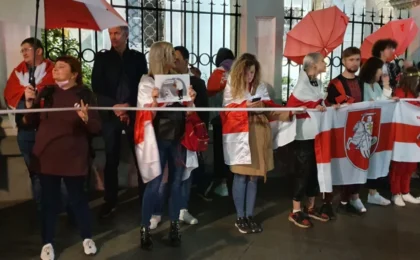
The administration maintains that the enforcement of immigration law is essential to maintaining the integrity of the U.S. border. However, the impact on Haitian-American communities has been profound. In cities like Springfield, Ohio, the atmosphere is one of terror. Reports indicate that families are keeping children home from school and adults are skipping work, fearing that any public interaction could lead to an encounter with ICE agents.
"Anyone can be picked up," is the prevailing sentiment reported by local outlets covering the anxiety in the Midwest. This climate of fear extends to Miami, where community leaders report that the revocation of TPS has effectively dismantled a support system that had functioned for years to integrate Haitian immigrants into the fabric of American society.
Long-term Implications
The Supreme Court’s decision to grant the executive branch such wide latitude on TPS sets a significant precedent for future administrations. It shifts the power balance in immigration policy away from the judiciary and back to the White House, effectively insulating executive decisions from challenges regarding humanitarian necessity or discriminatory intent.
For the people of Haiti, the return of these individuals presents a unique challenge for the transitional government. With an already strained economy and a broken social infrastructure, the sudden influx of hundreds of deportees—many of whom lack immediate ties to the country—will test the limits of an already failing state.
As the international community watches, the tension between the U.S. government’s domestic political agenda and its role in the global humanitarian crisis remains the defining story of the year. While the administration points to its legal authority, the moral and humanitarian consequences of these deportations continue to cast a long, dark shadow over the future of U.S.-Haitian relations. For now, the flights continue, and with them, the growing fear among those who have lost their legal foothold in the only home they have known for years.