For many aspiring homeowners, the dream of a "brand new" house often conjures images of endless design meetings, architectural blueprints, and the long, arduous wait for construction to conclude. However, there is a middle ground between buying an existing home and building a fully custom residence: the spec house.
Short for "speculative house," these properties represent a strategic cornerstone of the modern real estate market. Whether you are hunting for your first home in a bustling hub like Atlanta or searching for a contemporary build in the scenic landscapes of Salt Lake City, understanding the mechanics of a spec home can provide a significant competitive advantage.
What is a Spec House? Defining the Concept
A spec house is a new construction property built by a developer or homebuilder without a specific buyer in mind. Instead of waiting for a client to provide a wish list, the builder operates on "speculation"—they anticipate what the market wants and build accordingly.
Because these homes must appeal to a broad demographic, they typically feature high-demand architectural trends. You will frequently find open-concept floor plans, oversized kitchen islands, walk-in closets, and energy-efficient smart home technology. The goal is to create a move-in-ready product that checks the boxes for the widest possible range of buyers.
The Strategy Behind Success: How Builders Design for the Market
Building a spec home is a high-stakes balancing act between aesthetic appeal and fiscal discipline. Developers must avoid the trap of "luxury for luxury’s sake," instead focusing on high-impact areas that yield the highest return on investment.
Insights from Industry Experts
To understand the philosophy behind these builds, we spoke with Jordan Javier of Karma Construction Group. According to Javier, the most successful projects are not products of guesswork, but of rigorous market analysis.

"A successful spec home starts with a clearly defined buyer, neighborhood, and price point," says Javier. "Before purchasing the lot or finalizing the plans, anyone planning a spec home should involve an experienced builder to evaluate zoning, site-development costs, the construction budget, and which features buyers in that market will actually value."
Javier emphasizes that the kitchen is the focal point of the home. "It often shapes a buyer’s first impression of the entire home. Prioritize a functional layout, generous storage, expansive countertops, warm lighting, and appropriately scaled appliances, while keeping the decorative selections timeless enough to appeal to a broad range of buyers. The best spec homes balance memorable design with disciplined cost decisions."
The Chronology of the Spec Home Lifecycle
Understanding the life cycle of a spec house helps buyers identify the optimal window for acquisition.
- The Planning and Zoning Phase: The builder identifies a lot, analyzes local market demand, and secures the necessary permits. This is where the budget is locked in.
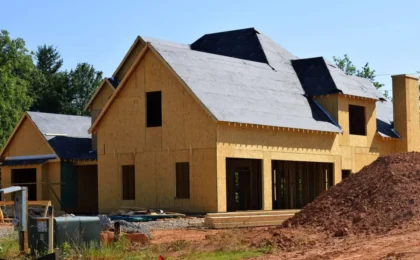
- The Foundation and Framing: Construction begins. At this stage, the home is a "blank slate" in terms of physical structure, though the floor plan is finalized.
- The Interior Selection Phase: This is the "sweet spot" for many buyers. If a buyer enters the contract during the middle of construction, they may occasionally have the opportunity to influence final finish selections, such as paint colors, flooring, or cabinet hardware, depending on the builder’s timeline.
- Completion and Staging: The home is finished, cleaned, and professionally staged to maximize its appeal to prospective buyers.
- The Sales Period: The home hits the market. Builders often offer incentives at this stage, particularly if the home has remained on the market for longer than the typical absorption rate for that neighborhood.
Weighing the Pros and Cons
Is a spec house right for you? To make an informed decision, it is essential to look at the practical trade-offs.
The Benefits
- Move-in Readiness: Unlike a custom build, you aren’t waiting for a year of construction. You can move in as soon as the closing process is complete.
- Modern Amenities: Spec homes are built to current building codes, meaning you get modern insulation, plumbing, and electrical systems, along with the latest design trends.
- Warranties: New construction often comes with a builder’s warranty, providing a safety net for structural or mechanical issues that might arise in the first few years.
- Lower Risk: You aren’t responsible for the construction process, financing the build, or managing contractors.
The Drawbacks
- Limited Customization: You are buying what is already built. If you don’t like the tile in the bathroom or the layout of the living room, you have to accept it or pay for renovations immediately after closing.
- Generic Design: While the design is "trendy," it may lack the unique character or personalized touches that a custom-built home would offer.
- Pricing Constraints: Because the builder has factored in their profit margin and the cost of capital, the price is often set at the top end of the market for the area.
Navigating the Buying Process
The journey to purchasing a spec home is similar to buying any residential property, but with a few critical additions:
- Get Pre-Approved: As with any home purchase, knowing your budget is vital.
- Consult a Realtor: Even when buying new construction, having a real estate agent represent your interests is crucial. They can help navigate builder contracts, which are often heavily weighted in favor of the developer.
- Review the Builder’s Reputation: Research the builder’s history. Look for reviews, visit their previous projects, and ask about their post-closing support.
- Schedule an Inspection: Never skip an inspection just because the house is new. Builders make mistakes; a third-party inspector can identify issues before you sign the final paperwork.
- Final Walk-Through: Conduct a detailed walk-through to ensure all agreed-upon finishes and repairs are completed.
Spec vs. Model vs. Custom: Understanding the Distinctions
It is common to confuse these three categories, but they serve very different market needs:

- Spec Home: Built on speculation, targeting the average buyer with current, popular trends. These are available for sale immediately.
- Model Home: The "showcase" home of a new development. It is fully upgraded and designed to demonstrate the maximum potential of the community. These are usually the last homes to be sold because they act as the builder’s sales office.
- Custom Home: Built for a specific client from the ground up. The buyer is involved in every decision, from the architectural footprint to the final light switch cover. This requires the most time, budget, and effort.
Strategic Financial Implications
When buying a spec home, the financial landscape is distinct. Builders are often motivated to move inventory to clear their balance sheets for the next project.
Timing the Market:
- End of Fiscal Quarters: Builders often have internal sales targets to hit. Buying toward the end of a quarter can sometimes yield better pricing or added incentives.
- Slower Seasons: During winter months or slower market periods, builders may be more willing to negotiate on closing costs or upgrades to avoid holding costs.
- Negotiation Strategy: While the "base price" of a spec home is often firm due to the builder’s profit margins, there is usually room to negotiate on the "soft" items. Instead of asking for a price drop, ask for upgrades—such as extended warranties, landscaping packages, or the inclusion of high-end appliances.
Frequently Asked Questions
What is the typical cost of a spec house?
While prices vary wildly based on geographic location and local economic conditions, mid-range spec homes generally fall within the $400,000 to $700,000 bracket in many U.S. markets. Luxury spec homes, of course, can scale into the millions.
Is it possible to negotiate the price of a spec home?
Yes, but don’t expect a massive slash in the purchase price. Builders typically have a "floor price" dictated by their construction loans. If the price is non-negotiable, focus on closing cost assistance or "builder cash," which can be applied to interest rate buydowns or additional features.
Are spec homes built with lower-quality materials?
Not necessarily. Most builders use standardized materials to maintain efficiency and cost-effectiveness. However, it is vital to research the builder. A reputable builder will use quality materials to protect their brand, while a bottom-line-focused developer might cut corners. Always perform your due diligence.
Conclusion
The spec house is an elegant solution for the buyer who wants the pristine, modern experience of new construction without the headache of the design-build process. By understanding the builder’s perspective, the timing of the market, and the critical importance of inspections, you can secure a home that is both a sound financial investment and a place you are proud to call your own. Whether you are moving to a growing metropolis or a quiet suburb, the right spec home is waiting to be discovered—provided you know exactly what to look for.