As the calendar turns to the second half of 2026, the American whiskey landscape is undergoing a profound metamorphosis. The explosive, often frenetic growth that defined the bourbon industry in the 2010s and early 2020s has given way to a period of strategic maturation. Today’s consumer is no longer merely chasing "unicorn" bottles; they are demanding transparency, value, and intentionality.
From the correction of the supply-demand imbalance to the rise of female-led innovation, the bourbon industry in 2026 is moving away from hype-driven marketing toward a focus on craftsmanship and long-term sustainability.
The Correction: An Era of Stable Pricing
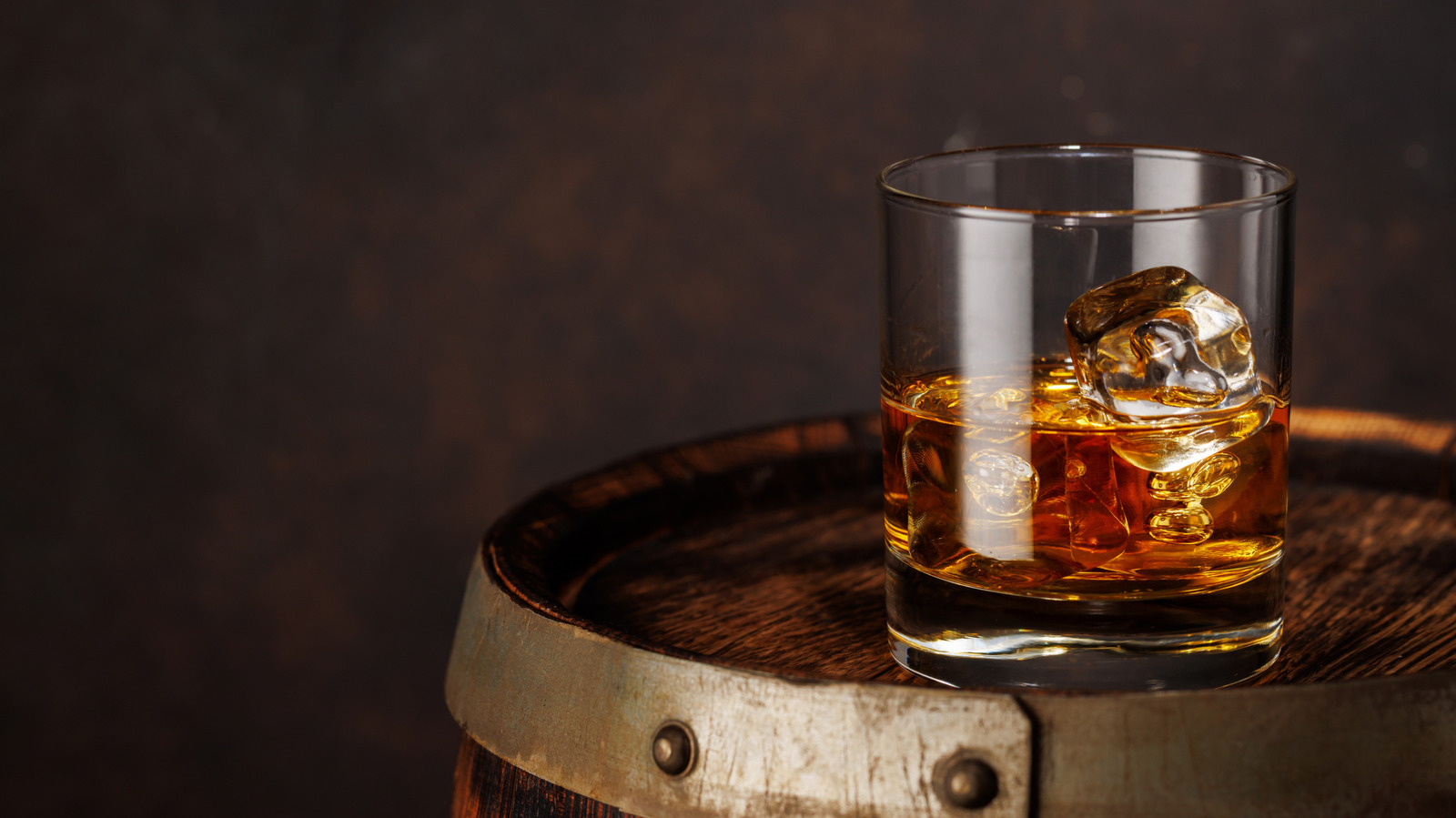
The narrative of bourbon for much of the last decade was defined by scarcity. The "Pappy Van Winkle effect"—a phenomenon where secondary market prices soared and supply was intentionally restricted—created a bubble that seemed destined to burst. In 2026, that bubble has not necessarily popped, but it has certainly deflated, leading to a much-needed period of price stabilization.
The "Bourbon Glut" Explained
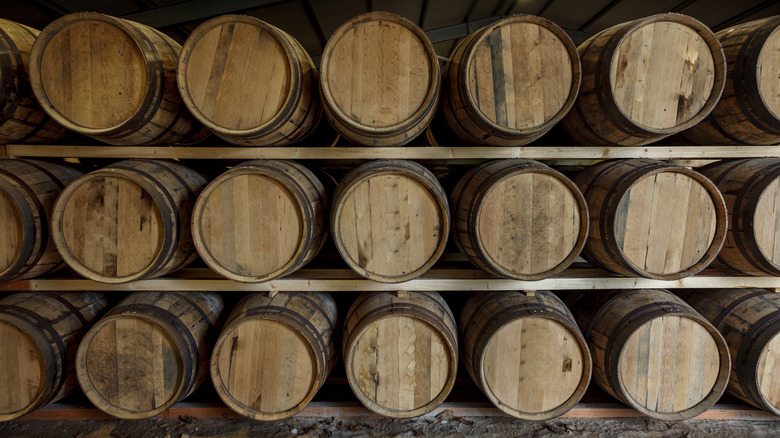
The root of this shift lies in the cyclical nature of whiskey production. Because bourbon requires years of aging in new charred oak barrels, distillers must forecast demand nearly a decade in advance. During the mid-2010s, industry analysts predicted that the upward trajectory of consumption would be permanent. Consequently, massive amounts of capital were invested in expanding distilling capacity.
However, shifting consumer habits—marked by a growing interest in health-conscious "sober-curious" lifestyles and a retreat from the pandemic-era purchasing spikes—have resulted in a surplus of inventory. This "Bourbon Glut" has forced major producers to pivot. No longer able to rely on scarcity to drive value, brands are now competing on the only metric that remains relevant: the quality of the liquid inside the bottle. For the consumer, this translates to more accessible price points and a wider variety of premium offerings sitting on shelves rather than locked behind glass cases.
Renewed Focus on Quality and Value
With inflation continuing to influence household spending, the modern bourbon enthusiast is increasingly discerning. The "trophy bottle" era—where consumers bought whiskey as an investment or for aesthetic display—is fading. In its place is a movement toward "drinkability."
Beyond Marketing Buzzwords
The industry is currently struggling with a lack of regulated terminology. While terms like "small-batch" and "craft" are used liberally to evoke a sense of heritage, they lack the strict legal definitions found in wine production (such as the AOC system in France).
In response, the market is seeing a surge in interest toward "Bottled-in-Bond" (BiB) products. As a federally regulated classification, BiB offers a guarantee of quality: it must be the product of a single distillery from a single distilling season, aged for at least four years, and bottled at exactly 100 proof. Recent releases, such as the Old Grand-Dad 7 Year Bottled in Bond launched this July, are proving that consumers are gravitating toward these objective markers of quality rather than abstract marketing claims.
Innovation with a Reason
Innovation in the 2026 market is no longer about novelty for novelty’s sake. Distillers are finding that for a new product to succeed, it must possess a compelling narrative—a "reason for being."
The Search for Depth
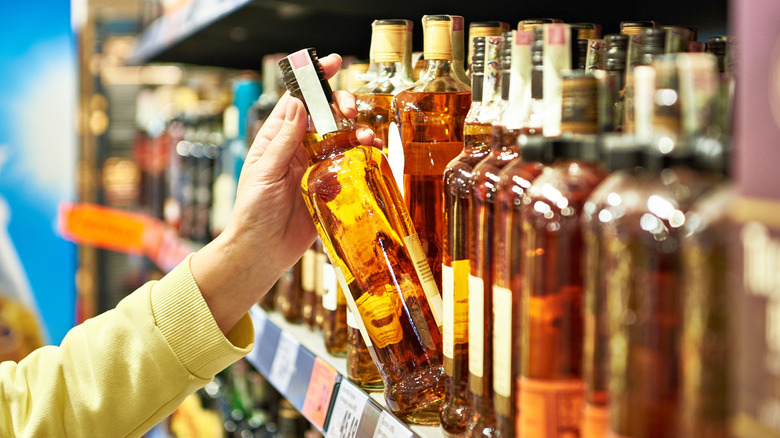
Consumers are becoming increasingly savvy regarding finishing techniques. Whether it is a port, sherry, or cognac cask finish, the modern drinker wants to know: Does this barrel enhance the spirit, or is it hiding a lack of maturity?
This skepticism has pushed distillers to experiment with more radical approaches that justify their price points. We are seeing a rise in "experimental aging," such as bourbons aged at sea or in climate-controlled environments that mimic specific altitudes. These projects are successful only when they demonstrably alter the flavor profile in a positive, meaningful way. The trend is clear: innovation must be substantive, not just cosmetic.
The Evolution of the Mash Bill: Wheat and Rye
The fundamental definition of bourbon—at least 51% corn—leaves significant room for creativity regarding the remaining grains. In 2026, the use of "flavor grains" like wheat and rye has become the primary battleground for differentiation.
The Wheated vs. High-Rye Dichotomy
- The Wheated Movement: Wheated bourbons, prized for their softer, sweeter, and more approachable flavor profiles, have seen a surge in demand. While industry titans like Maker’s Mark and the Buffalo Trace Antique Collection remain the gold standard, newer expressions like Heaven Hill’s Grain to Glass are capturing market share by focusing on unique corn varietals. This demonstrates a farm-to-bottle ethos that resonates with contemporary values.
- The High-Rye Renaissance: On the opposite end, the push for complexity has elevated high-rye bourbons. By increasing the rye percentage, distillers are creating spirits that bridge the gap between traditional bourbon and rye whiskey. Brands like Four Roses and Bulleit continue to lead here, providing a spicy, complex counterpoint to the sweetness of corn-heavy spirits.
The Influence of Female Distillers
Perhaps the most significant cultural shift in the industry is the formal recognition of women as the architects of modern bourbon. While women have been involved in the process since the dawn of distillation, 2026 marks a watershed moment for visibility and leadership.
Celebrating 15 Years of the Bourbon Women Association
The industry is currently celebrating the 15th anniversary of the Bourbon Women Association, an organization founded by Peggy Noe Stevens, the world’s first female Master Bourbon Taster. Stevens’s role in creating the Kentucky Bourbon Trail in the 1990s serves as a foundation for today’s progress.
Leadership and Technical Prowess
The trend is no longer just about representation; it is about technical expertise. Leaders like Dr. Dawn O’Neal, founder of New Dawn Distilling, are applying scientific rigor to supply-chain sustainability, while Meghan Ireland, chief blender at WhistlePig, is pushing the boundaries of what is possible through chemical analysis and experimental blending. This shift has fundamentally altered the industry’s culture, moving it toward a more collaborative and environmentally conscious future.
Implications for the Future
As we look toward the remainder of 2026 and into 2027, the bourbon industry is settling into a "new normal." The era of blind, speculative buying is being replaced by an educated consumer base that demands:
- Transparency: Clearer labeling and a move away from ambiguous marketing terms.
- Sustainability: A focus on eco-friendly supply chains and responsible production, led by a new generation of diverse industry leaders.
- Value-Driven Consumption: A return to the roots of bourbon as an accessible, high-quality beverage meant to be shared rather than stored.
For the casual drinker and the connoisseur alike, this is arguably the best time in decades to be buying bourbon. The market is finally working in favor of the consumer, rewarding those who seek out quality, purpose, and the stories behind the glass. As producers continue to refine their methods and embrace new perspectives, the legacy of American bourbon is not just being preserved—it is being reinvented.