General Motors’ flagship 6.2-liter L87 V8 engine—a powerhouse synonymous with the brand’s high-performance trucks and SUVs—has become the epicenter of a widening mechanical crisis. Despite years of scrutiny, multiple internal investigations, and a massive recall initiated early last year, the engine continues to exhibit catastrophic failure rates that have prompted the National Highway Traffic Safety Administration (NHTSA) to escalate its regulatory response.
In a move that signals deep skepticism regarding the effectiveness of previous remedial efforts, the NHTSA announced this week that it is upgrading its probe into an “Engineering Analysis.” This formal escalation grants the federal agency greater investigative powers, allowing it to scrutinize not only the initial scope of the defective units but also engines manufactured well after the timeframe previously flagged by the automaker.
The Scope of the Crisis
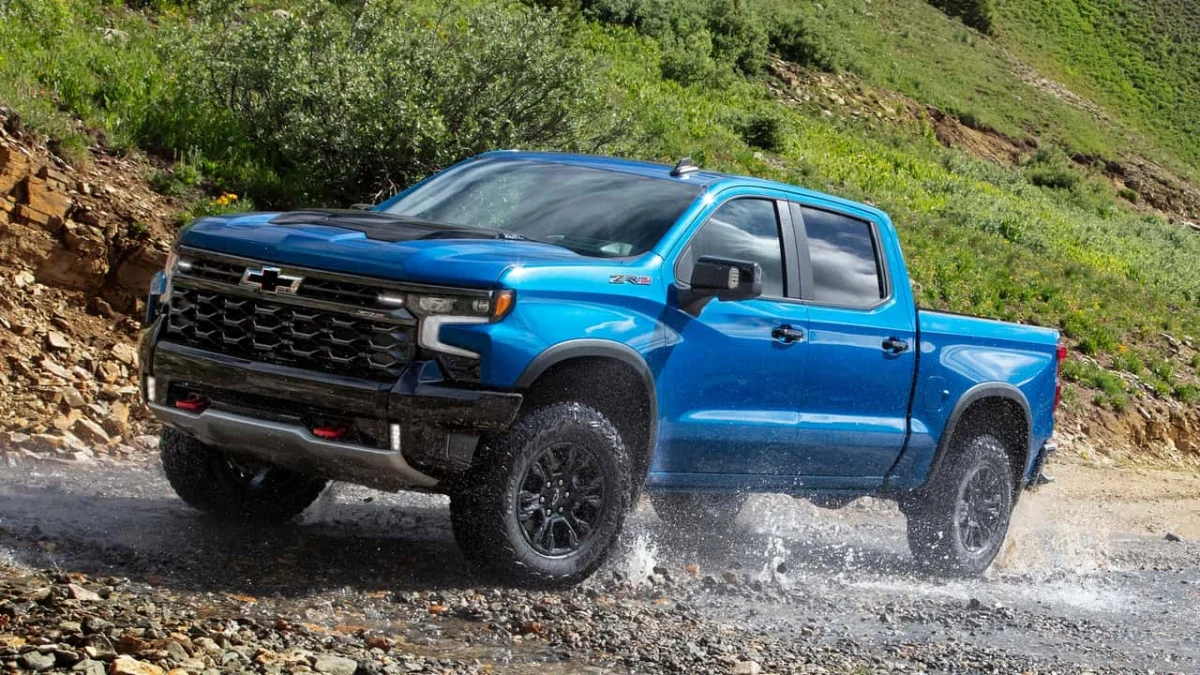
The expanded investigation is massive in scale, encompassing approximately 997,743 vehicles across General Motors’ most popular platforms. The list of affected models includes high-demand vehicles such as the Chevrolet Silverado, GMC Sierra, Cadillac Escalade, and Chevrolet Tahoe/Suburban.
The transition from a Preliminary Evaluation to an Engineering Analysis underscores the severity of the situation. For the federal government, this shift implies that the initial fixes proposed by General Motors—namely, oil viscosity adjustments and total engine replacements—may be insufficient to address the underlying design or manufacturing flaws inherent in the L87 architecture.
A Chronology of Mechanical Failure
To understand the gravity of the current situation, one must look at the timeline of GM’s struggle with the L87. The issues surrounding this engine are not new; they represent a multi-year saga of iterative investigations that have, until now, failed to produce a permanent resolution.
- 2022: The first official investigation into the L87 platform was launched, focusing on reports of sudden power loss. The inquiry was closed without a definitive, widespread solution, a decision that has since drawn criticism as complaints continued to mount.
- 2023: A second investigation was opened and subsequently closed. Once again, the automaker managed to satisfy regulatory requirements without triggering a comprehensive recall, leaving thousands of owners to deal with potentially unreliable engines.
- 2024: A third inquiry followed the same pattern, suggesting that the issues were either more complex than GM initially communicated or that the company’s internal quality control processes were failing to identify the root cause of the failures.
- January 2025: Facing mounting pressure and an unprecedented volume of consumer complaints, the NHTSA forced a recall of nearly 600,000 vehicles. This marked a turning point, as the agency finally deemed the risk to public safety—namely, the loss of motive power at highway speeds—too significant to ignore.
- Present Day: The NHTSA has launched an Engineering Analysis, effectively reopening the book on the L87. The agency is now investigating engines produced well after the initial recall window, suggesting that the manufacturing defects may persist in newer production cycles.
Supporting Data: By the Numbers
The data provided by the Office of Defects Investigation (ODI) paints a troubling picture of life after a “fix.” Since the 2025 recall, the agency has received 499 formal complaints from owners who claim their vehicles suffered catastrophic engine failure even after receiving the prescribed remedy from their local dealerships.
Of those 499 complaints, 473 involved vehicles that were serviced with the “higher-viscosity oil” remedy, while 26 involved vehicles that received an entirely new engine replacement. This distribution suggests that while engine replacement is the more robust fix, it is not an absolute guarantee of reliability, and the oil-based remedy is proving largely ineffective for a significant portion of the fleet.
Furthermore, the scale of the post-remedy issue is further illuminated by GM’s own internal reporting. The automaker has acknowledged receiving 6,953 post-remedy complaints. When paired with the 191 reports of failure in engines produced after May 2024, it becomes clear that the problem is not merely a legacy issue involving older components, but a contemporary quality-control challenge that continues to plague the assembly line.
Root Causes: What Went Wrong?
Throughout the various investigations, General Motors has identified several key areas of concern regarding the L87’s manufacturing. These findings, while technical, reveal the nature of the failure:
- Out-of-Spec Crankshaft Dimensions: Precision is paramount in high-displacement V8 engines. Reports indicate that some crankshafts did not meet the required dimensional tolerances, leading to increased friction and eventual metal fatigue.
- Rod-Bearing Damage: The failure of connecting rod bearings is a death sentence for any internal combustion engine. These components, which must withstand immense pressure during the combustion cycle, appear to be failing prematurely, leading to the "catastrophic failure" reports cited by the NHTSA.
- Supplier Quality Issues: GM has pointed to external supplier manufacturing inconsistencies as a contributing factor. While the company has attempted to address these through tighter quality audits, the continued rate of failure suggests that the quality management system has yet to achieve the necessary level of consistency.
Implications for Owners and the Automaker
For the thousands of owners driving affected Chevrolet, GMC, and Cadillac vehicles, the implications are two-fold: financial and safety-oriented. The loss of motive power is not a minor inconvenience; it is a significant safety hazard that can lead to collisions, particularly when a vehicle loses acceleration while merging into traffic or maintaining speed on a highway.
The financial burden is equally heavy. Owners are facing the prospect of driving vehicles with depreciating value due to the “recall” stigma, and many are experiencing extended downtime as dealerships struggle to secure the necessary parts for engine replacements.
For General Motors, the reputational damage is significant. The L87 engine was intended to be the backbone of the company’s light-duty truck and SUV lineup. By failing to rectify the issue through multiple rounds of regulatory scrutiny, GM risks alienating its most loyal customer base—those who rely on their trucks for towing, hauling, and daily transportation. As the company pivots toward its next generation of internal combustion engines, the shadow of the L87 serves as a cautionary tale about the dangers of prioritizing production speed and cost-cutting over rigorous component validation.
The Path Forward
The NHTSA’s Engineering Analysis is not a final verdict, but it is a critical step toward ensuring that the manufacturer is held accountable for the safety of its products. The agency will continue to monitor the performance of post-remedy engines and may, depending on the findings of this new phase, demand further corrective actions, including a broader, more permanent recall or a change in the manufacturing process for replacement components.
Until then, the “engine headache” remains a central theme of GM’s current operational narrative. As the agency digs deeper into the manufacturing logs and failure reports, the industry will be watching closely to see whether the automaker can finally turn the tide on a mechanical problem that has proven remarkably stubborn. For now, the millions of owners of L87-equipped vehicles are left in a state of uncertainty, waiting to see if their “fixed” engines will hold up or if they will be added to the growing list of those requiring further intervention.
The situation serves as a stark reminder of the complexities inherent in modern automotive engineering, where a single systemic failure can cascade into a crisis affecting nearly a million vehicles. As the NHTSA continues its work, the focus remains on a single, vital objective: restoring safety to the road for those behind the wheel of GM’s most powerful trucks.