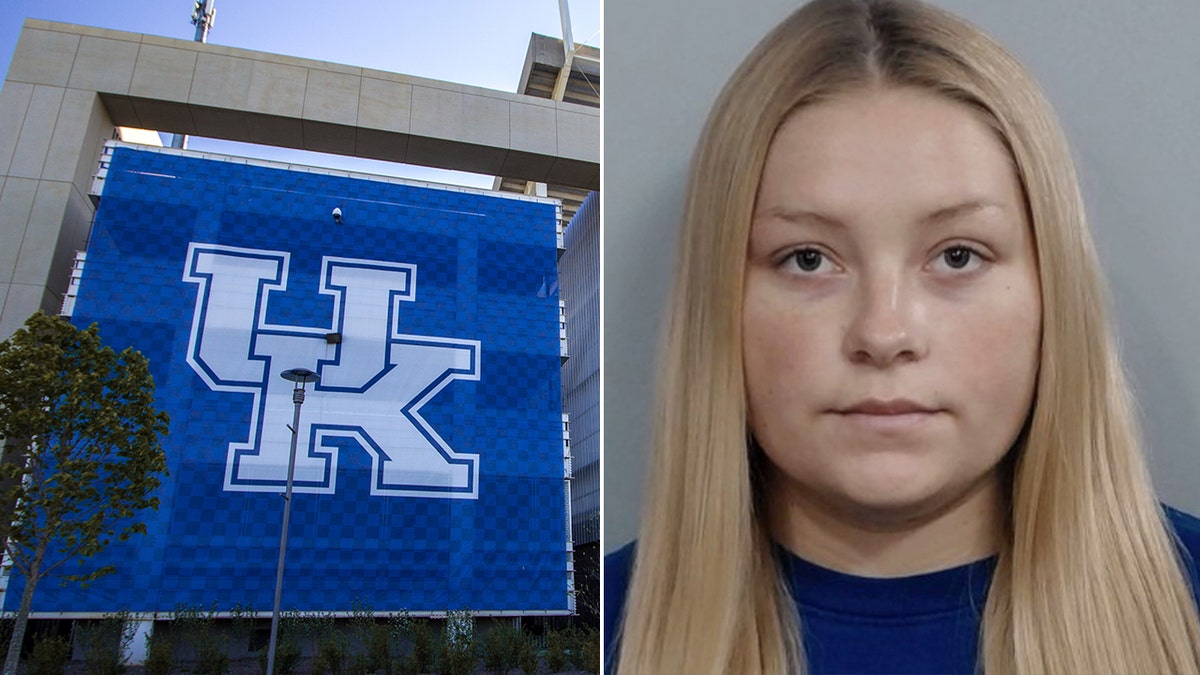
A tragic and deeply unsettling case that has gripped the Lexington, Kentucky community reached a critical legal milestone on Friday. Laken Snelling, a 22-year-old former University of Kentucky student-athlete, entered a guilty plea in connection with the death of her newborn infant. The baby boy’s body was discovered by police hidden inside a black trash bag in a closet.
Snelling, who was previously a member of the university’s varsity STUNT team, had initially maintained a plea of not guilty. However, she reversed her position in a Fayette County courtroom, pleading guilty to first-degree manslaughter, abuse of a corpse, tampering with physical evidence, and concealing the birth of an infant. Under the terms of the plea agreement, Snelling faces up to 10 years in prison.
Main Facts of the Case
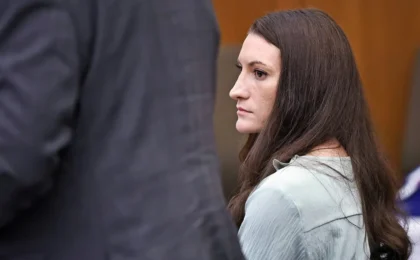
The legal proceedings on Friday offered a chilling and emotional look into the final moments of the newborn’s life. Clad in court attire and visibly weeping, Snelling addressed Fayette Circuit Judge Diane Minnifield to describe the circumstances of her son’s birth and subsequent death on August 27, 2024.
"I was under a lot of emotional stress and my baby came unexpectedly," Snelling testified through tears. "And instead of helping him, I ended his life and afterward I cleaned up and didn’t tell anyone."
When pressed by Judge Minnifield for specifics regarding how the infant’s life was terminated, Snelling made a direct and solemn admission: "I deprived him of oxygen."
The admission brought a degree of resolution to a case that began as a mysterious and deeply disturbing welfare check at an off-campus residence. Lexington police officers discovered the deceased infant inside a closet, wrapped in a trash bag. The subsequent investigation exposed a pattern of concealment, panic, and missed opportunities for intervention.
Chronology of Events
To understand how a promising college athlete found herself facing a decade in prison, it is necessary to examine the timeline of events leading up to and immediately following the birth of her child.
The Hidden Pregnancy and Unexpected Labor
Throughout the spring and summer of 2024, Snelling successfully concealed her pregnancy from teammates, coaches, roommates, and family members. As a senior and an active member of the University of Kentucky’s STUNT team—a high-energy varsity sport derived from traditional cheerleading—she maintained her athletic schedule and social obligations without revealing her condition.

On August 27, 2024, Snelling unexpectedly went into labor while inside her Lexington residence. According to court documents and police affidavits, she gave birth to a baby boy alone.
The Critical Thirty Minutes
Following the delivery, Snelling observed signs of life in her newborn. In statements later made to medical staff at the University of Kentucky Hospital, she recalled hearing the infant "whimper" and noted that she "guessed" he was alive. Court records also indicate there was observable "fetal movement" immediately following the birth.
Snelling told investigators she remained awake for approximately 30 minutes after giving birth. Exhausted from the physical toll of labor, she subsequently passed out, reportedly landing on top of the newborn. Upon waking up, Snelling observed that the infant was "turning blue and purple."
Concealment and the Attempted Return to Normalcy
Believing the infant was dead, Snelling wrapped the baby "like a burrito" and laid next to him, telling investigators that doing so "gave her comfort." Rather than calling 911 or seeking emergency medical assistance, she began a series of actions designed to hide the birth.
She cleaned the delivery area and placed the infant’s body inside a black plastic trash bag, which she then hid in a closet.
To explain her physical state to her roommates, Snelling fabricated a story, claiming she had fainted due to a lack of nutrition and needed to see a doctor. She left the residence, drove to a local McDonald’s to pick up food, and then drove to the University of Kentucky student health clinic. However, police reports indicate that although she arrived at the clinic, she did not go inside to seek medical attention.
Discovery and Arrest
The concealment quickly unraveled. On the evening of August 27, 2024, Lexington police officers responded to a call regarding an unresponsive infant at the residence. Upon entering the home, officers discovered the baby’s cold remains inside the closet.
Snelling was admitted to the University of Kentucky Hospital for post-delivery medical evaluation. While hospitalized, she made several incriminating statements to medical staff, which were later conveyed to law enforcement. She was formally arrested and charged days later.
Supporting Data and Investigative Findings
The prosecution’s case against Snelling was built on a combination of physical evidence, medical examinations, and digital forensics.
Digital Evidence and Forensics
A forensic analysis of Snelling’s cell phone revealed a deliberate effort to erase any record of her pregnancy and labor. Investigators discovered that in the hours immediately following the infant’s death, Snelling had deleted photos documenting her labor and other digital evidence of her pregnancy. This discovery formed the basis for the charge of tampering with physical evidence.
Medical and Autopsy Findings
The autopsy results played a pivotal role in the grand jury’s decision to indict Snelling on first-degree manslaughter rather than lesser charges. While the defense initially raised questions about whether the infant was viable or had survived the birth, Snelling’s own admissions to hospital staff and her subsequent courtroom testimony confirmed that the baby was born alive, exhibited movement, and was ultimately suffocated through oxygen deprivation.
Character Profiles and Social Context
Following her arrest, former classmates and acquaintances spoke out, painting a complex picture of the student-athlete. While some expressed shock that a visible campus figure could hide such a secret, one former classmate described Snelling to reporters as a "serial bully" during her school years, suggesting a history of troubled interpersonal relationships.
At the University of Kentucky, Snelling was a senior and a recognized athlete on the STUNT team. The demanding physical regimen and high-profile nature of college athletics may have contributed to the intense pressure she felt to conceal her pregnancy, though investigators found no evidence that she had sought help from university athletic or counseling services.
Official Responses and Judicial Proceedings
The transition of the case from a capital murder investigation to a manslaughter plea deal represents a structured resolution coordinated by both the defense and prosecution.
The Prosecution’s Position
Fayette County Commonwealth’s Attorney Kimberly Baird explained the strategic decision to present the case directly to a grand jury rather than proceeding through a lengthy preliminary hearing process.
"This was a case that needed to go straight to the grand jury anyway, as opposed to just entering a plea," Baird stated. "The grand jury returned the indictment for first-degree manslaughter, and then they returned and suggested that offer. We accepted."

Baird noted that the plea agreement represents a balanced outcome that secures a conviction and prison time while avoiding the trauma of a trial for the family and roommates involved.
Judicial Oversight
During the Friday hearing, Judge Diane Minnifield carefully questioned Snelling to ensure she understood the rights she was waiving by pleading guilty. Minnifield emphasized the gravity of the charges, systematically confirming that Snelling was entering the plea voluntarily and fully comprehended the details of her confession.
Implications and Broader Context
The tragic death of Snelling’s newborn highlights several critical societal issues, ranging from the pressures faced by young women in academic environments to the underutilization of emergency safety resources.
Safe Haven Laws and Baby Boxes
Kentucky, like all 50 states, has established "Safe Haven" laws designed specifically to prevent neonaticide and the abandonment of newborns. Under Kentucky’s Safe Infancy Act, a parent can safely and anonymously leave an unharmed newborn up to 30 days old at designated locations—including hospitals, police stations, staffed fire stations, and specialized "Safe Haven Baby Boxes"—without fear of prosecution.
The proximity of the University of Kentucky Hospital to Snelling’s residence means that a safe, legal, and anonymous resource was less than a mile away. The failure to utilize this resource underscores a persistent gap in public awareness and the paralyzing effect of panic and denial in unexpected pregnancies.
The Phenomenon of Pregnancy Denial and Neonaticide
Psychological experts note that cases of neonaticide—the homicide of an infant within the first 24 hours of birth—are frequently linked to profound denial of pregnancy. Young women in these situations often experience extreme fear of social, familial, or academic ruin, leading them to mentally block out the reality of the pregnancy until labor begins. When the birth occurs, the sudden confrontation with reality can trigger acute panic, leading to catastrophic decision-making.
Mental Health Resources for Student-Athletes
The case also draws attention to the mental health infrastructure within collegiate athletic programs. While universities offer robust medical and psychological counseling, student-athletes often face unique barriers to seeking help, including fears of losing scholarships, being removed from teams, or facing public scrutiny.
As Snelling awaits her formal sentencing, her case stands as a sobering reminder of the devastating consequences of isolation, panic, and the failure to access available resources in moments of crisis.