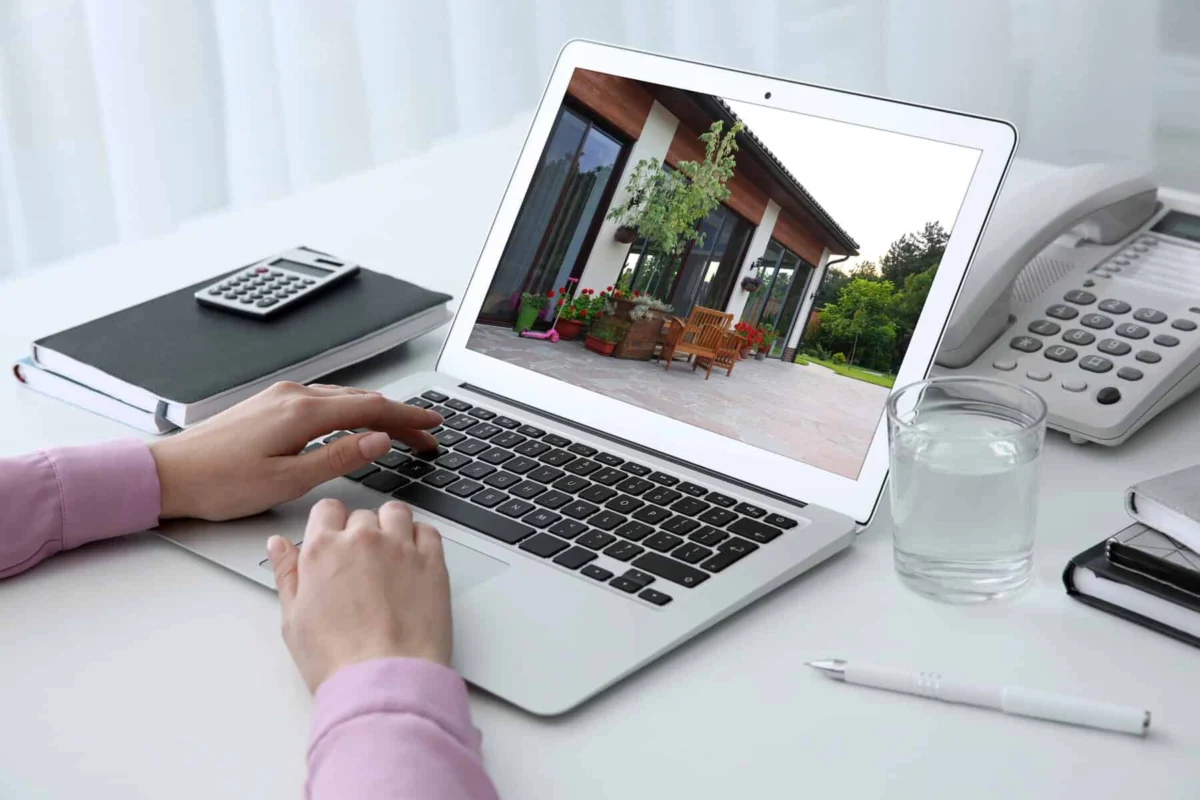
In the contemporary real estate landscape, the traditional "For Sale" sign on the front lawn is no longer the primary driver of property interest. Today, the initial showing happens thousands of miles away, on a smartphone screen, in the middle of the night. As the boundaries of the local housing market continue to dissolve, virtual home tours have evolved from a luxury marketing amenity into a fundamental requirement for any seller aiming to secure a competitive, high-value offer.
For buyers relocating from across the country—or even internationally—a virtual tour is rarely just a "nice-to-have" feature. It is frequently the deciding factor between submitting a formal offer and scrolling past a listing entirely. By providing a comprehensive digital experience, sellers can bridge the physical gap, transforming passive observers into motivated, serious buyers before they ever set foot in the local airport.
The Evolution of Remote Homebuying: A New Market Reality
The rise of remote work, shifting lifestyle preferences, and the dramatic appreciation of home prices in major urban hubs have fundamentally altered buyer behavior. Families and professionals are increasingly searching for properties in states and cities where they have no existing footprint. This demographic shift has created a "borderless" buyer pool that requires a completely different approach to property marketing.
Recent industry data underscores this trend: a joint study by Redfin and Matterport revealed that 63% of homebuyers have made an offer on a property they never visited in person. This staggering statistic confirms that the digital presence of a home is now its most critical asset. For sellers, the objective is no longer just to reach the local neighborhood, but to appeal to a national audience of buyers who are building their shortlists entirely online.
Beyond Still Images: The Spatial Advantage
While professional, high-resolution photography remains a staple of real estate marketing, it possesses inherent limitations. Photos provide a snapshot of a room’s aesthetic, but they fail to capture the "lived-in" experience. They cannot answer the most fundamental question a buyer asks: How does it feel to move through this space?
Grant Smith, co-owner of Sold Visual, highlights the psychological gap between viewing photos and understanding a floor plan. "Photos sell rooms well enough, but they never quite answer the layout question," Smith notes. "That layout is what people are trying to work out when they’re scrolling through listings late at night. A virtual tour provides that spatial understanding that photos simply cannot convey."
This sentiment is echoed by Alan Duggins of Advantage Austin Properties. For Duggins, the value lies in the user’s autonomy. "Great photos are a good start, but a 3D walkthrough allows a buyer to move from the entryway to the living room, to the primary suite, and back again, as many times as they want," he explains. "Until that layout ‘clicks’ in the buyer’s mind, they aren’t going to commit to an offer."
The Economic Implications for Sellers
For the modern seller, the business case for investing in high-quality virtual tours is multi-faceted. The most immediate impact is the expansion of the buyer pool. By making a property accessible 24/7 to anyone with an internet connection, a seller effectively removes the geographical friction that once limited potential interest to the immediate metro area.
However, the benefits extend beyond just "more eyes" on a listing. They also improve the quality of the in-person showing experience. When a potential buyer walks through the front door for a physical inspection, they arrive with a pre-existing, sophisticated understanding of the home’s flow and dimensions.
Kyle Breeden, a market leader at V6D, has observed this efficiency in real-time. "Listings with immersive 3D tours hold buyer attention significantly longer than static listings," Breeden observes. "That extra time on the page translates into more inquiries. Furthermore, it changes the nature of the showing. Because they have already ‘walked’ the home, they aren’t asking where the kitchen is located; they are asking about the roof, the HOA, and the structural history of the property."
This shift allows sellers to bypass the "discovery" phase of a showing and move directly to the "negotiation" phase, as the buyers arrive already vetted and highly interested.

Identifying High-Impact Scenarios
While every listing can benefit from a virtual tour, some properties see a disproportionate return on investment. The technology is particularly vital in the following circumstances:
- Relocation-Heavy Markets: Areas that serve as hubs for military personnel, corporate transferees, or remote-working professionals.
- Unique Floor Plans: Homes where the layout is a major selling point—or potentially confusing without visual guidance—benefit from the "spatial context" provided by 3D mapping.
- High-End or Luxury Properties: For buyers in the luxury segment, time is the most valuable commodity. A virtual tour acts as an essential pre-screening tool for wealthy, busy professionals.
- Distressed or "Fixer-Upper" Homes: When marketed correctly, a tour can help a buyer visualize the potential of a space, moving past superficial wear and tear to see the structural opportunity.
Brooklyn Jenkins Cooper, CEO of RE-MEDIA, notes that for military families, the virtual tour is often a necessity rather than a preference. "They are often buying from the other side of the world," she says. "A virtual tour is the only way they can feel confident enough to place an offer. For the seller, this is a massive advantage—it invites a level of competition that simply wouldn’t exist if they relied solely on photos."
Strategic Deployment: How to Maximize Impact
Investing in the technology is only the first step. To ensure the virtual tour delivers maximum value, sellers and their agents must treat it as a primary pillar of their marketing strategy.
1. Integration as the "Front Door"
Sellers should treat the virtual tour as the centerpiece of their online presence. It should be prominently featured on the MLS, Zillow, Redfin, and the property’s dedicated website. It is not an "add-on" or a link hidden at the bottom of a description; it is the first full experience the buyer will have of the home.
2. High-Quality Production
Low-quality, shaky, or poorly lit video content can be more detrimental than having no video at all. It is essential to work with professionals who understand how to stage a home for a 3D camera, ensuring that lighting is optimized and that the flow of the tour feels natural and intuitive.
3. Mobile Optimization
With the majority of real estate searches now occurring on mobile devices, the virtual tour must be seamlessly accessible on phones and tablets. If the tour requires clunky plugins or takes too long to load, the buyer will bounce to the next listing.
4. Direct Call-to-Action
The tour should be accompanied by clear instructions on how to schedule an in-person viewing or contact an agent. By keeping the "Buy" button visible, the seller capitalizes on the excitement the buyer feels while moving through the digital space.
The Future of Property Marketing
As we look toward the future, the integration of Augmented Reality (AR) and Artificial Intelligence (AI) will likely push virtual tours even further. Imagine a virtual tour that allows a prospective buyer to toggle between different furniture styles, or even "renovate" a kitchen in real-time to see how a new layout might look.
For now, the 3D walkthrough stands as the gold standard of real estate engagement. It provides the freedom of exploration that modern buyers demand and the competitive edge that savvy sellers require.
Dennis Wyrick, owner of Real Estate Photography Now, summarizes the shift perfectly: "Virtual tours give buyers the agency they crave. When you give them the tools to explore on their own time, you are building trust before you even shake their hand. In this market, that trust is the currency that leads to faster, more confident, and more successful sales."
Ultimately, the goal of any property listing is to reduce uncertainty. By embracing digital immersion, sellers are not just showing their home—they are providing the confidence a buyer needs to make the largest financial decision of their life from anywhere in the world. As the market continues to evolve, those who treat their digital presence as a virtual "open house" will continue to command the most attention and the best offers.