As the thermometer climbs and the summer season reaches its peak, the search for the perfect dessert shifts. Gone are the days of heavy, oven-baked sponges that leave guests feeling sluggish; in their place, a trend is sweeping the culinary landscape that marries hydration, health, and spectacle: the "No-Bake Watermelon Cake." This architectural fruit creation is rapidly becoming the centerpiece of outdoor gatherings, offering a refreshing, vibrant, and entirely guilt-free alternative to traditional confections.
Main Facts: The Anatomy of a Summer Sensation
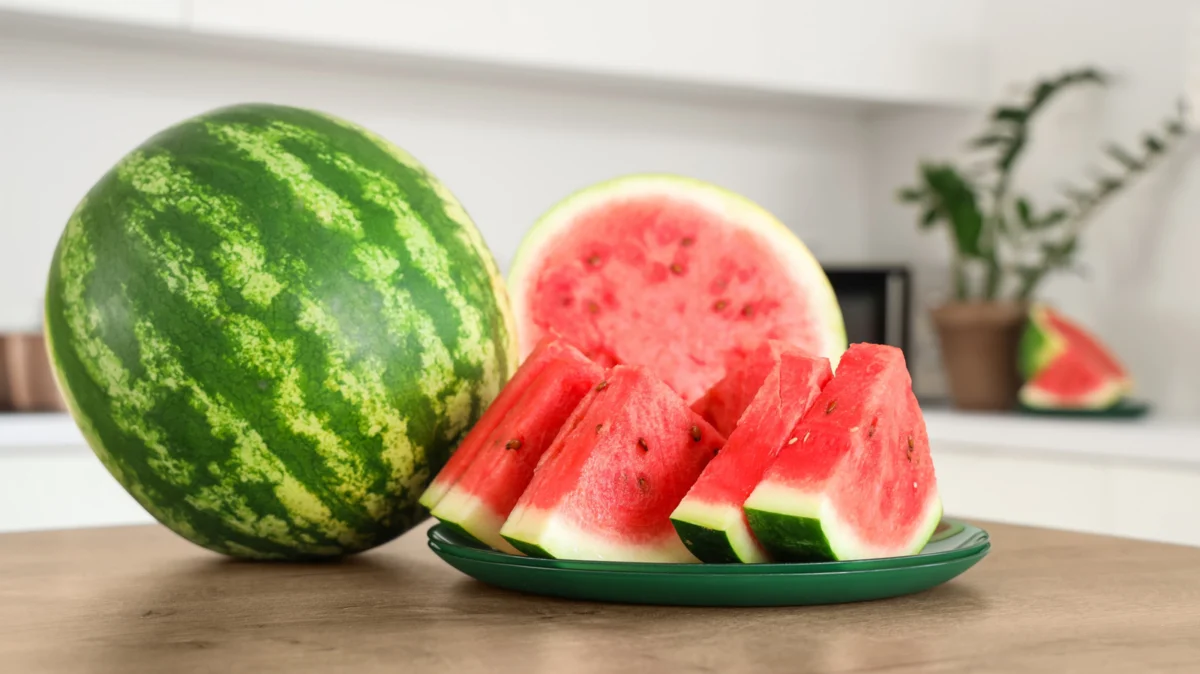
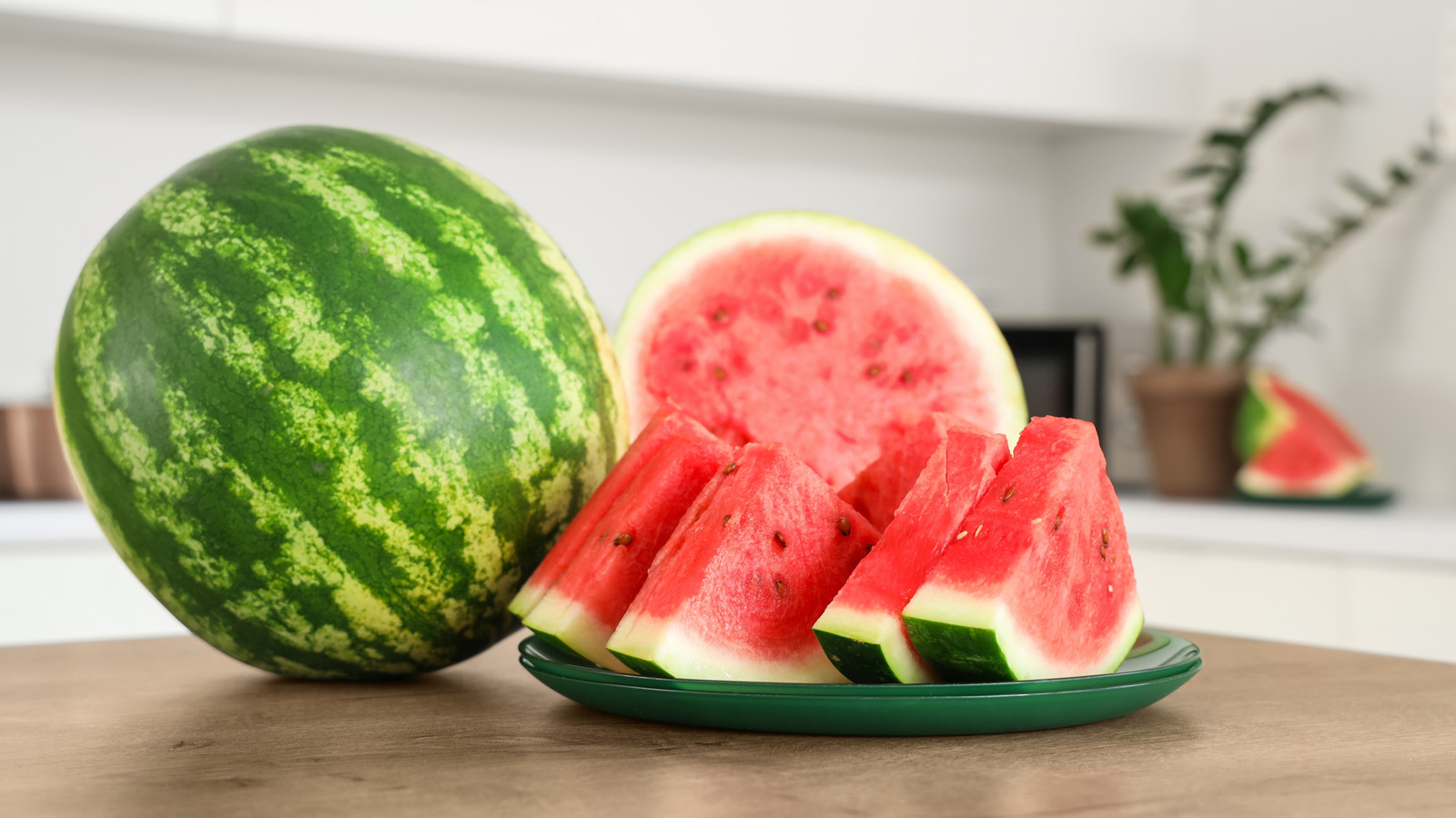
The concept of the watermelon cake is deceptively simple yet visually stunning. At its core, it is a structural feat of fruit carving. By selecting a large, seedless watermelon—the heavier the better, as it indicates higher water content and ripeness—hosts can transform a humble gourd into a tiered masterpiece that mimics the aesthetic of a classic wedding or birthday cake.
The process involves removing the tough outer rind and sculpting the vibrant red flesh into stacked, cylindrical tiers. These tiers are secured using wooden dowels or sturdy skewers, ensuring the structure remains stable even in the humid, heat-stricken environment of a backyard barbecue. Unlike traditional cakes that rely on flour, butter, and sugar, this dessert relies on the natural sweetness of the fruit, making it a low-calorie, allergen-friendly option that caters to almost every dietary restriction, including vegan, gluten-free, and keto-friendly lifestyles.
Chronology: From Simple Snack to Culinary Icon
The evolution of the watermelon cake reflects a broader shift in consumer behavior toward "clean eating" and creative food presentation.
- Early Origins: Historically, watermelon was served simply as sliced wedges or scooped into fruit salads. It was the quintessential "grab-and-go" snack.
- The Rise of Instagrammable Food: In the mid-2010s, as social media platforms like Instagram and Pinterest began to influence party culture, food presentation became paramount. Amateur chefs began experimenting with structural fruit carving to create "wow" factors at parties.
- The Modern Iteration: By 2026, the trend has fully matured. No longer just a gimmick, the watermelon cake has been refined through professional culinary techniques, incorporating sophisticated toppings like stabilized meringues, balsamic reductions, and artisanal cheeses. It has transitioned from a niche Pinterest project to a staple in modern catering and high-end outdoor event planning.
Supporting Data: Why Watermelon Reigns Supreme
Watermelon is an ideal candidate for a structural dessert for several scientific reasons. First, its high water content—typically around 92%—makes it the ultimate hydrator during high-heat events. In the context of a summer barbecue, where alcohol consumption and sun exposure are common, the electrolyte-rich nature of the fruit provides a functional benefit that a chocolate cupcake simply cannot match.
Furthermore, the nutritional profile of watermelon is robust. It is a significant source of lycopene, a powerful antioxidant that has been linked to heart health and sun protection. When paired with other seasonal fruits like berries, which are high in anthocyanins, or mint, which aids digestion, the watermelon cake becomes a functional health food masquerading as an indulgent dessert.
Data from consumer trends suggests that demand for "no-bake" recipes increases by nearly 40% during the months of June and July, as home cooks seek to avoid turning on their ovens during heatwaves. The watermelon cake sits at the intersection of this demand for convenience and the rising trend of "natural-first" culinary aesthetics.
Official Perspectives: The Chef’s Take on Versatility
Professional pastry chefs and event planners have largely embraced the trend, noting that it allows for a level of creative expression that is often stifled by the rigidity of baking chemistry.
"When you work with watermelon, you are working with a canvas," says culinary consultant and food stylist Kate Shuey. "It’s not just about the cut; it’s about the integration of flavors. The acidity of a balsamic glaze or the creaminess of a goat cheese crumble transforms the fruit into something that feels truly composed. It bridges the gap between an appetizer and a dessert, which is perfect for the casual flow of a summer party."
Chefs emphasize that the secret to a successful watermelon cake lies in the "dry time." Before applying any cream or frosting, the carved watermelon must be thoroughly patted dry with paper towels. Excess moisture is the enemy of any topping, causing it to slide off the surface. By chilling the fruit after carving, the flesh becomes firmer, making it easier to secure with toothpicks and easier to slice for guests.
Implications: The Future of Outdoor Entertaining
The popularity of the watermelon cake is indicative of a wider movement toward "low-impact" entertaining. As hosts become more conscious of their guests’ varied dietary needs, the "one-size-fits-all" dessert becomes increasingly impractical. A watermelon cake is inclusive; it doesn’t contain the gluten found in flour, the dairy found in buttercream, or the processed sugars found in traditional icing.
Elevating the Experience: Beyond the Basics
While the basic construction is straightforward, the potential for elevation is endless. Consider these professional-grade enhancements:
- The Savory Pivot: By swapping whipped cream for a savory garnish—such as crumbles of feta, ribbons of fresh basil, and a reduction of aged balsamic vinegar—you create a sophisticated palate cleanser that pairs perfectly with grilled proteins like lamb or pork.
- The Meringue Finish: For those who crave the look of a traditional frosted cake, a light, Italian-style meringue can be torched for a smoky, caramelized finish. This adds a textural contrast that mimics the crunch of a crust.
- Fruit Cascades: Using fresh, seasonal produce such as blackberries, dragon fruit, or star fruit allows the host to customize the cake to the color palette of their event. Fastening these with food-grade floral wire or toothpicks creates a cascading "waterfall" effect that is visually stunning.
Waste Reduction and Sustainability
A significant implication of this trend is the emphasis on minimizing food waste. Traditional carving leaves behind significant amounts of excess watermelon. Rather than discarding this, modern recipes encourage the full utilization of the fruit. The rind, often viewed as compost, can be pickled for a crunchy, sweet-and-sour condiment. The leftover chunks of fruit are perfect for base ingredients in cocktails, such as a spiked watermelon mojito, or can be blended into a gazpacho or salsa. This "nose-to-tail" approach to fruit prep is a hallmark of the sustainable kitchen.
Conclusion: A Refreshing Path Forward
The watermelon cake is more than just a passing social media trend; it is a rational, refreshing response to the demands of modern summer entertaining. It rewards creativity, prioritizes health, and solves the age-old problem of how to satisfy a crowd in the heat without spending hours in a sweltering kitchen. As we continue to navigate the intersection of convenience and quality, the humble watermelon stands ready to take center stage, proving that sometimes, the most impressive culinary creations are the ones that require the least amount of heat.
Whether you opt for a minimalist approach, showcasing the natural beauty of the fruit, or a maximalist design adorned with herbs and cheeses, the watermelon cake is destined to remain a fixture of the outdoor season for years to come. It is, quite literally, the coolest dessert you can serve.