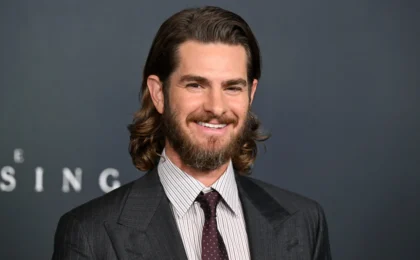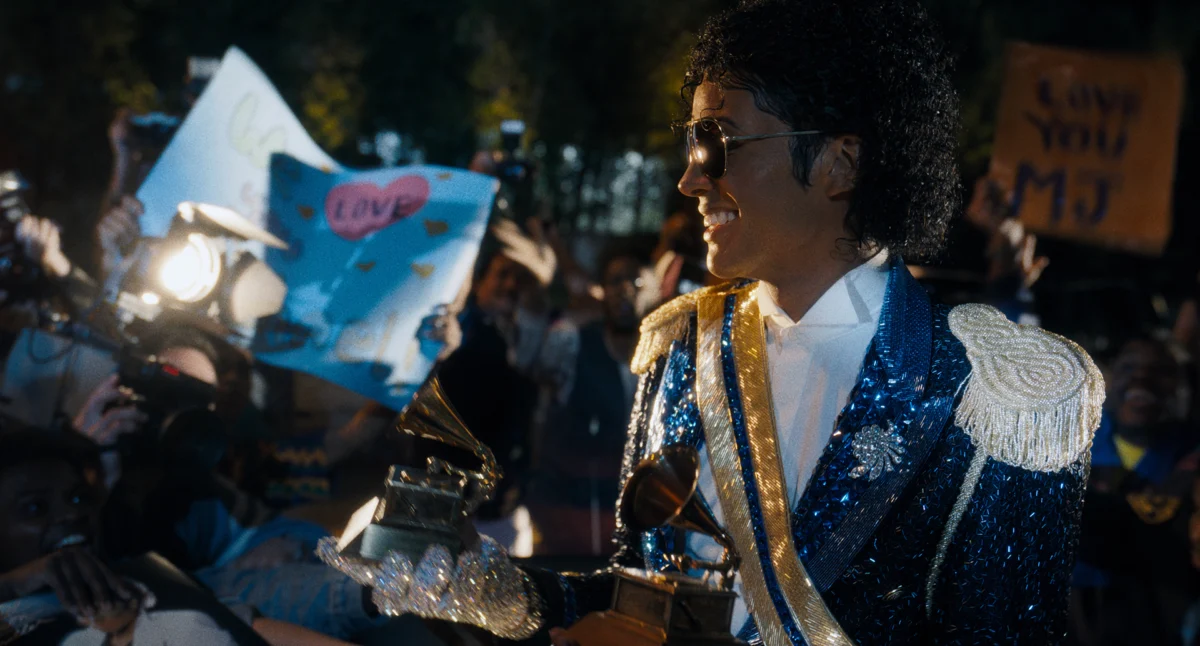
As the gears of Hollywood production begin to turn for the highly anticipated sequel to this year’s record-breaking biopic Michael, the focus has shifted from the glitz of the Jackson 5 era to the somber, complex reality of the late pop icon’s final decades. Jaafar Jackson, who masterfully portrayed his uncle in the first installment, has confirmed that the upcoming film will confront the intense scrutiny, legal battles, and child abuse allegations that defined the singer’s life starting in the early 1990s.
For a project that has already rewritten box-office history, the stakes for the second chapter could not be higher. As the industry and the public look toward the next phase of production, the conversation has moved toward a central question: How can a biopic balance the narrative of a global superstar with the gravity of the accusations that fundamentally altered his legacy?
A Financial and Cultural Phenomenon
To understand the weight of the sequel, one must first look at the unprecedented success of the initial feature. The first Michael film was not merely a hit; it was a global phenomenon, recently crossing the $1 billion mark in international ticket sales. This milestone solidified the biopic as one of the most successful musical portraits in cinematic history, proving that the public’s appetite for Michael Jackson’s music and history remains insatiable.
However, the first film strategically concluded its narrative arc with the 1987 release of the Bad album. By stopping there, the filmmakers avoided the turbulent 1990s, a decade marked by the singer’s first major child abuse allegations, his declining health, and the increasing media obsession with his private life. This creative choice allowed the first film to focus on the rise of a musical prodigy, establishing his humanity before the public image became inextricably linked to controversy.
The Shift in Narrative: Addressing the 1990s
As production for the sequel prepares to commence, the tone is shifting. In a recent, candid interview with GQ Middle East, Jaafar Jackson acknowledged the inherent challenge of the next installment. While he maintains that his role is primarily that of an actor—not a screenwriter—he expressed a clear hope for the film’s direction.
"It’s someone else’s story," Jackson explained to GQ Middle East. "It’s someone else’s idea of what it is, and it’s mainly driven by an agenda. And that’s really the issue we’ve been having as a family—not having Michael’s voice being heard. I think that’s very, very important, especially in the late years."
This statement highlights the central tension surrounding the project: the desire to present the "human" side of the artist against the backdrop of the "agendas" that have shaped his public perception for three decades. The sequel aims to bridge the gap between the man the world saw in the 1970s and 80s and the man who faced systemic media scrutiny in the years that followed.
Chronology of a Legacy Under Siege
The timeline of Michael Jackson’s life is generally bifurcated by the events of 1993. Before that year, Jackson was perceived primarily through the lens of his musical genius, his dance innovations, and his record-shattering sales. The 1993 allegations, however, signaled a permanent shift in how the media and the public processed his behavior.
- The Early Era (Pre-1993): The first film successfully captured this period, focusing on the rigorous training under Motown, the breakout success of Off the Wall, the global dominance of Thriller, and the creative peak of Bad.
- The Transition (1993–2005): The sequel will presumably navigate the fallout of the first allegations, the HIStory era, the 2005 trial, and the final preparations for his ill-fated "This Is It" concert residency.
- The Human Element: The filmmakers face the daunting task of portraying the isolation and physical decline of the late 90s and 2000s while attempting to maintain the empathetic tone established in the first film.
The Perspective of the Family: Giving Voice to the "Broken"
Jaafar Jackson’s portrayal has been praised for its nuance and physical accuracy. By leaning into the personal connection he holds as a family member, he hopes to bring a layer of vulnerability to the screen that other portrayals have lacked.
"This first film focuses on Michael from his roots," Jackson stated. "So you get that idea of who he was before he had all the success and became the icon that people are familiar with, you understand who he was as a human being first. Because at the end of the day, that’s who he was in the ’90s until he passed."
The actor argues that despite the external pressures, the internal nature of the man remained consistent. "He never stopped treating people with kindness. He never stopped believing in and wanting to look for the good in people… even though he was broken, his heart still stayed the same." The goal, according to Jackson, is to ensure that this "purity" remains the anchor of the second film, even as the narrative shifts into darker, more contested territory.
Implications for the Industry and the Audience
The decision to include the abuse allegations in the sequel has significant implications for how the film will be received by critics and the public.
The Challenge of Objectivity
Biopics are rarely neutral. When a subject is as polarizing as Michael Jackson, the risk of the film being viewed as a "whitewash" or, conversely, a "hit piece" is high. By acknowledging the allegations, the filmmakers are attempting to preempt criticism that the project is merely a vanity piece sanctioned by the Jackson estate. However, the success of this approach depends on the script’s ability to handle legal realities with precision and sensitivity.
The Box Office Momentum
Having surpassed $1 billion, the first film has created a massive economic expectation. Audiences have shown they are willing to watch a film that celebrates the artist’s music. Whether that same audience will show up for a film that forces them to grapple with the darkest chapters of the icon’s life remains to be seen. The sequel will be a litmus test for the public’s current relationship with Jackson’s legacy.
The Role of the "Voice"
The emphasis on "Michael’s voice" suggests that the film will rely heavily on the singer’s own accounts, interviews, and perhaps private journals or recorded reflections. This creates a specific narrative framework—one that prioritizes the artist’s self-perception over the external, often sensationalized, media narrative. Whether this proves to be a compelling cinematic device or a point of contention among critics will likely dominate the conversation leading up to the film’s release.
Final Thoughts: A Complex Portrait
The development of the Michael sequel represents a pivotal moment in the cinematic history of biopics. By moving into the "late years," the production team is stepping onto a battlefield of public opinion.
Jaafar Jackson’s role in this is pivotal. As both a performer and a family member, he occupies a unique space—capable of channeling the late singer’s mannerisms while advocating for a narrative that seeks to humanize a man often stripped of his humanity by the public record.
As the project moves from the writing room to the set, the industry will be watching closely. The film does not have the luxury of remaining in the "Purity" of the early years. Instead, it must reconcile the music that changed the world with the person who became the subject of the world’s most intense, and often painful, scrutiny. If the goal of the sequel is to provide a "deeper understanding," it will have to do more than just repeat the facts; it will have to synthesize the contradiction of a man who was simultaneously the most famous person on earth and, in his own words, profoundly broken.
The upcoming production promises to be an ambitious, difficult, and essential piece of storytelling that will likely define the legacy of the King of Pop for a new generation. Whether it succeeds in offering a definitive look at those final, tumultuous decades remains to be seen, but the intent—to present the human behind the icon—is firmly set.