By International Affairs Desk
August 20, 2026
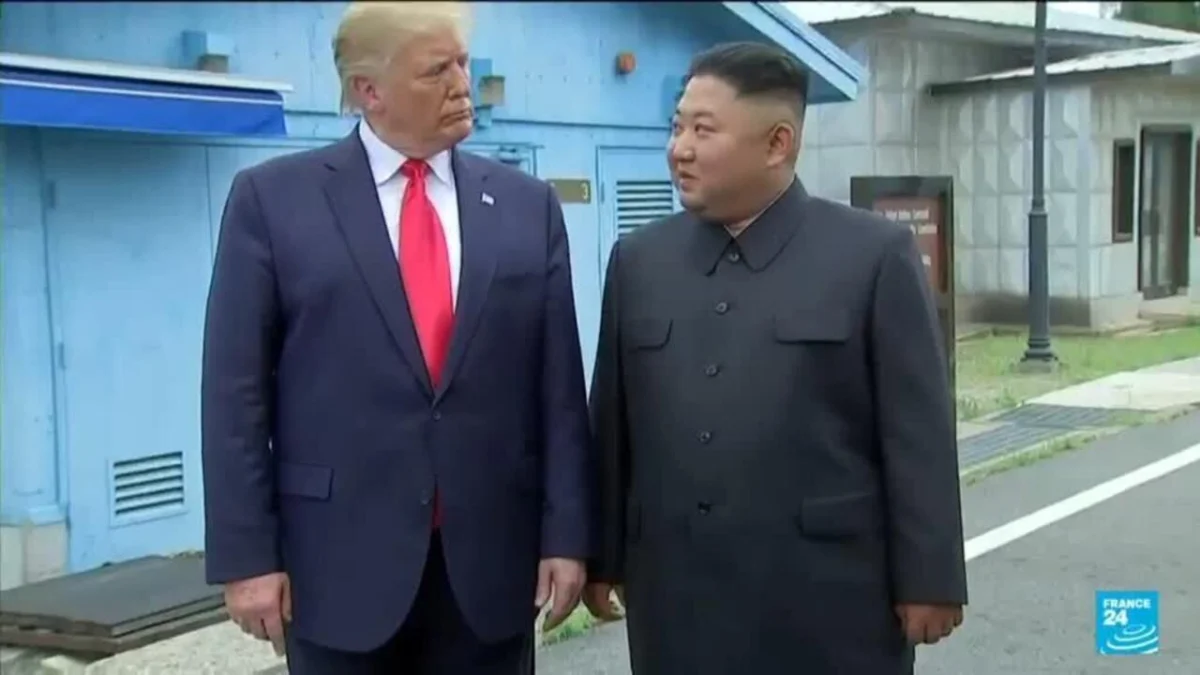
In a move that has sent shockwaves through the global diplomatic community, former U.S. President Donald Trump has publicly announced his intention to meet with North Korean leader Kim Jong Un later this year. The declaration, which comes amid a period of heightened regional tension and shifting geopolitical alliances, signals a potential return to the "top-down" diplomacy that characterized the 2017–2021 period of U.S.-North Korea relations.
While official details regarding the venue and specific agenda remain sparse, the prospect of a third high-stakes summit has reignited debates over the efficacy of personal diplomacy versus multilateral sanctions in addressing Pyongyang’s nuclear ambitions.
The Core Developments: A New Chapter in "Summit Diplomacy"
The announcement was made via digital channels early Thursday morning, with the former president asserting that a personal rapport with the North Korean leader remains the most effective tool for preventing regional escalation. "I know Kim very well, and he knows me," the statement read. "We have unfinished business that is vital for the security of the Pacific and the world at large."
For many observers, this represents a pivot back to the "fire and fury" era’s eventual cooling, characterized by the historic Singapore and Hanoi summits. However, the international landscape in 2026 is vastly different from 2018. The proliferation of advanced ICBM technology, the deepening strategic partnership between Pyongyang and Moscow, and the strained communication lines between Washington and Beijing have fundamentally altered the chessboard.
Chronology: The Evolution of U.S.-North Korean Relations
To understand the weight of this impending meeting, one must trace the turbulent history of the past decade:
- 2017: The "Maximum Pressure" campaign begins, marked by heated rhetoric and a series of North Korean nuclear and missile tests.
- 2018 (June): The Singapore Summit. President Trump and Kim Jong Un meet for the first time, signing a broad agreement on the denuclearization of the Korean Peninsula.
- 2019 (February): The Hanoi Summit. Negotiations collapse abruptly over the scope of sanctions relief versus the dismantling of the Yongbyon nuclear facility.
- 2019 (June): The Panmunjom meeting. Trump becomes the first sitting U.S. president to step into North Korean territory, briefly reviving hopes for a breakthrough.
- 2020–2025: A period of relative diplomatic silence, during which Pyongyang significantly accelerated its nuclear modernization, including the development of tactical nuclear weapons and solid-fuel missile systems.
- 2026 (August): The announcement of a prospective late-year summit, marking the first major diplomatic overture in several years.
Supporting Data: The Current Security Landscape
The urgency behind this potential meeting is supported by intelligence data regarding North Korea’s current capabilities. Since the collapse of the Hanoi summit, the DPRK has successfully transitioned from a nascent nuclear state to a consolidated one.
The Nuclear Arsenal
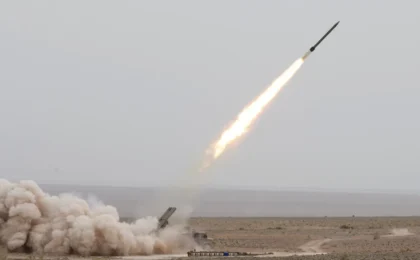
According to reports from the International Atomic Energy Agency (IAEA) and regional think tanks, Pyongyang is estimated to possess between 60 and 80 nuclear warheads. More concerning to military analysts is the diversification of delivery systems. The recent development of hypersonic glide vehicles and submarine-launched ballistic missiles (SLBMs) suggests that North Korea now possesses a credible "second-strike" capability.
Economic Resilience
Despite heavy international sanctions, North Korea’s economy has shown surprising resilience. Data suggests that increased trade with Russia—partially driven by the ongoing conflict in Eastern Europe—has provided Pyongyang with the hard currency and technological expertise needed to bypass traditional economic bottlenecks. This has reduced the leverage the U.S. previously held through financial isolation.
Official Responses: A Divided International Community
The news of the proposed summit has elicited a wide spectrum of reactions from global stakeholders, reflecting deep divisions in foreign policy strategy.

The Washington Perspective
Current administration officials have remained cautious, expressing skepticism regarding the value of another "photo-op" summit. White House spokespersons emphasized that any engagement must be preceded by "working-level discussions" and a concrete roadmap toward verifiable denuclearization. There is concern among career diplomats that a summit without a clear agenda could inadvertently legitimize North Korea’s status as a nuclear-armed state, undermining the global non-proliferation treaty (NPT) framework.
The Seoul Stance
The South Korean government finds itself in a precarious position. While the administration in Seoul has historically favored engagement, it is wary of being sidelined. President Yoon’s office issued a statement calling for "full coordination and transparency" between Washington and Seoul, insisting that any deal must address not only nuclear threats but also the conventional military threats posed to the South.
The View from Beijing and Moscow
China and Russia have offered a muted, yet watchful, response. Beijing has long advocated for a "dual-track" approach—simultaneous suspension of joint U.S.-South Korean military exercises and a freeze on North Korean testing. Russia, meanwhile, views the potential summit as a distraction from the broader security crises in Europe, though it remains a primary beneficiary of current North Korean cooperation.
Implications: The Risks and Potential Rewards
The decision to pursue a summit carries significant political and strategic weight.
The Risk of Normalization
Critics argue that a third summit risks "normalizing" North Korea’s nuclear status. By engaging in high-level talks, the U.S. may be implicitly accepting that the DPRK will never fully disarm, shifting the goal from "denuclearization" to "arms control." While this may be a more realistic objective, it would represent a massive departure from decades of American foreign policy.
The Potential for De-escalation
Conversely, supporters of the summit argue that the status quo is untenable. With tensions on the DMZ at an all-time high, they posit that direct communication between the two leaders is the only mechanism capable of preventing a catastrophic miscalculation. "In a crisis, you don’t talk to your friends; you talk to your adversaries," noted one veteran analyst.
Domestic Political Fallout
Domestically, the announcement serves as a lightning rod for the former president’s base. For his supporters, the move is a demonstration of bold, unconventional leadership that prioritizes "peace through strength." For his detractors, it is seen as a tactical misstep that grants international prestige to a regime characterized by severe human rights abuses.
Conclusion: The Road Ahead
As the year progresses, the world will be watching closely for any movement in the diplomatic corridors. Whether this proposed summit materializes into a concrete framework for peace or becomes another footnote in the complex history of the Korean Peninsula remains to be seen.
The primary challenge will be moving beyond the spectacle of a summit and addressing the core technical and security issues that have stalled progress for nearly a decade. For now, the prospect of a meeting between Trump and Kim serves as a reminder that in the volatile theater of global politics, personal diplomacy remains a wildcard—one that can either reset the course of history or further entrench existing divisions.
As of today, the logistical preparations, potential venue locations, and the precise level of diplomatic clearance remain the subject of intense speculation. What is certain, however, is that the eyes of the global community are once again fixed on the peninsula, waiting to see if this unconventional gambit will yield the stability that years of traditional diplomacy have failed to produce.