Introduction: A Nation at a Moral Juncture
In the landscape of Southeast Asian geopolitics, Malaysia currently finds itself at a critical crossroads regarding its humanitarian obligations. On July 29, 2026, the Malaysian government made headlines with a contentious announcement: the planned repatriation of approximately 5,000 Rohingya refugees to Myanmar. The move sent shockwaves through international human rights circles, as Myanmar remains a site of acute instability, systematic persecution, and ongoing state-sanctioned violence. While the government later walked back the immediacy of this policy, clarifying that no individual would be returned if their life was deemed to be at real risk, the incident underscored a growing friction between nationalist populist pressures and the country’s international humanitarian responsibilities.
This tension is not merely a matter of state policy; it is mirrored in a fractured public consciousness. In June, a digital petition calling for the mass removal of the Rohingya community from Malaysian soil gained alarming traction, securing 280,000 signatures in a single week. As the country navigates the transition toward a new national refugee registration system, the fate of the 181,000 refugees and asylum-seekers currently residing in Malaysia remains caught between bureaucratic shifts and a rising tide of xenophobia.
The Chronology of Conflict and Contention
To understand the current crisis, one must look at the recent timeline of events:
- June 2026: A petition targeting the Rohingya community gains 280,000 signatures within seven days, reflecting a surge in anti-refugee sentiment.
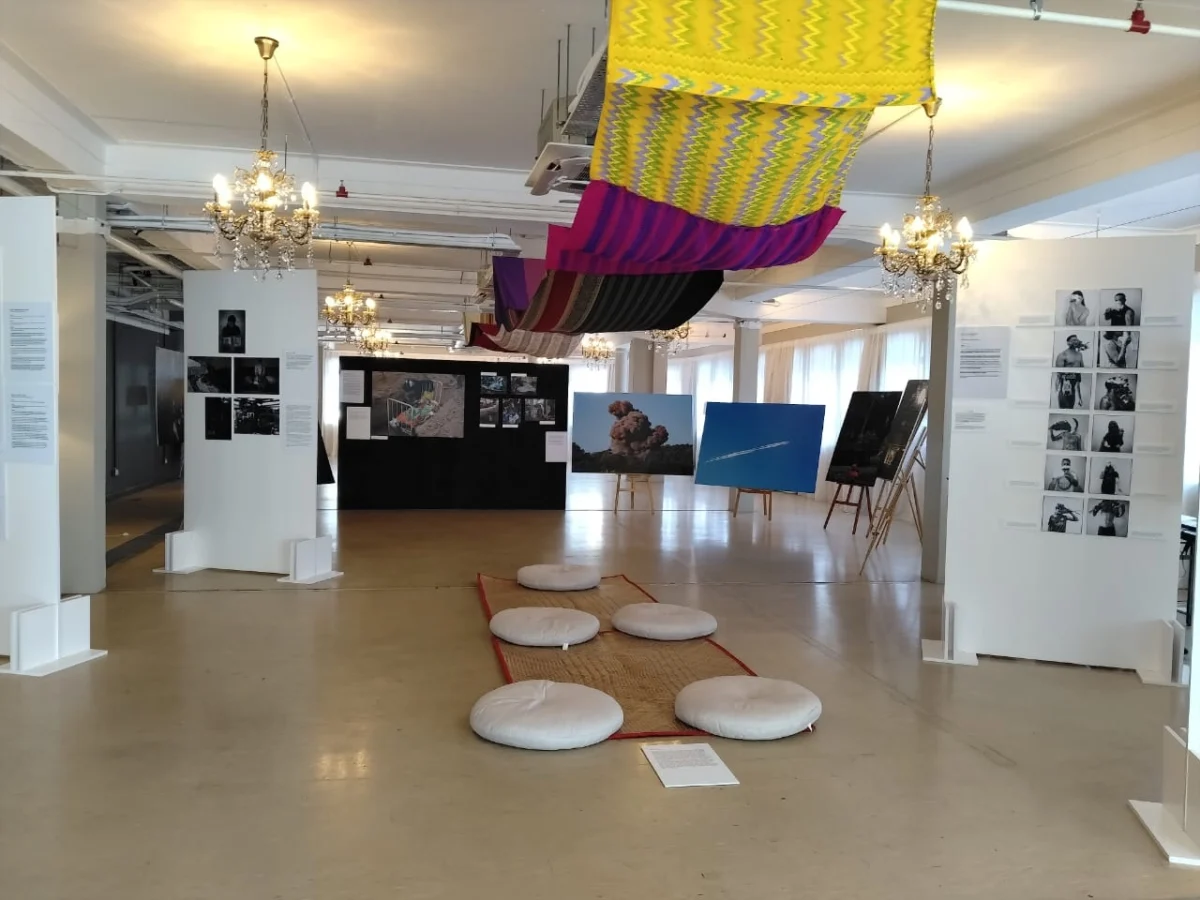
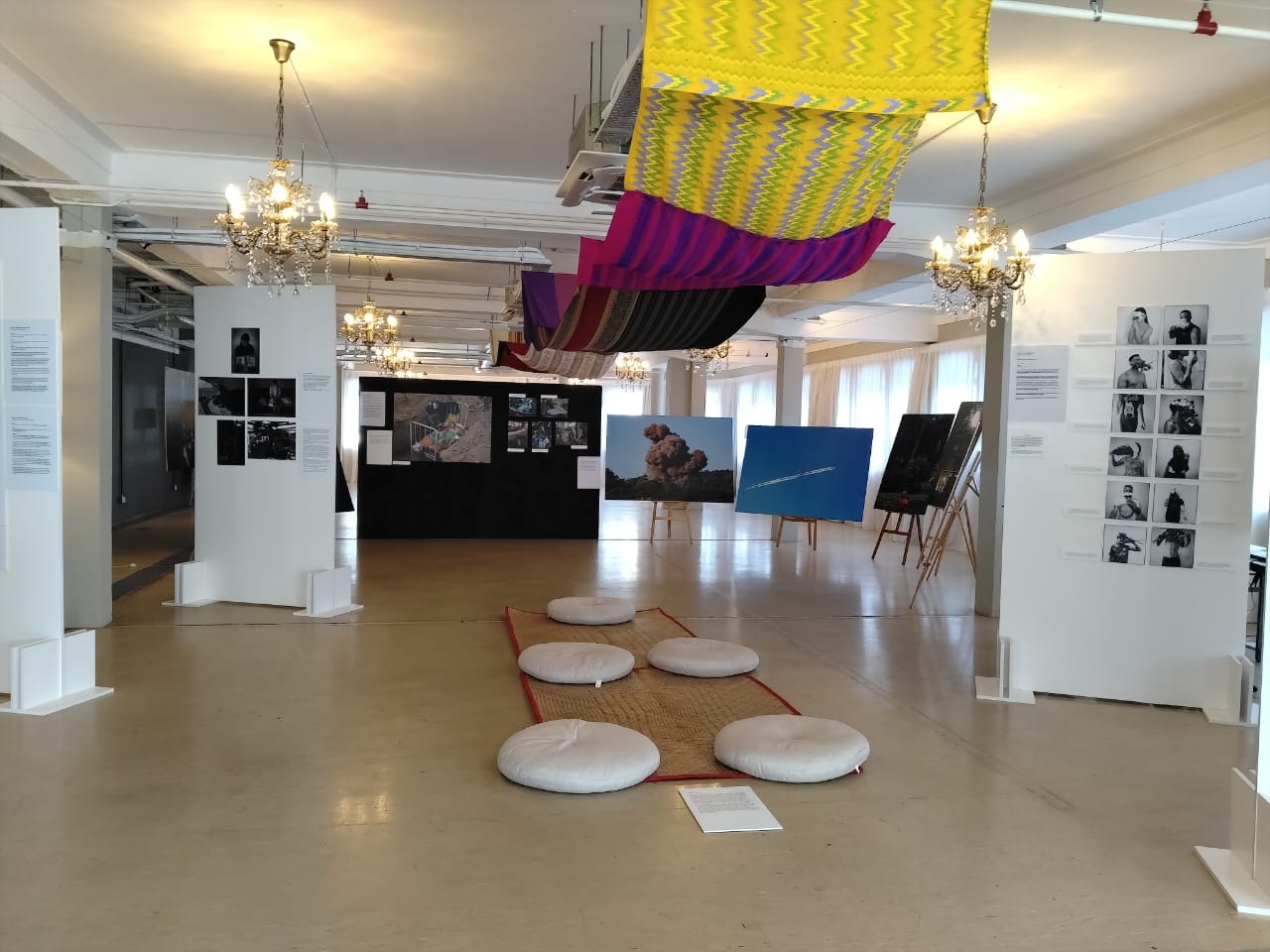
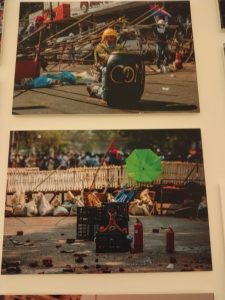
- June 21 – July 5, 2026: Amnesty International Malaysia hosts "To Kill A Movement," an exhibition documenting the brutal realities of the Myanmar military junta’s rule since the 2021 coup.
- July 25, 2026: Malaysia announces a new national refugee registration system, signaling a move away from the long-standing UNHCR-managed process.
- July 29, 2026: The government announces the repatriation of 5,000 Rohingya refugees, sparking immediate international outcry.
- August 2026: The government issues a clarification, stating that the principle of non-refoulement will be observed, effectively pausing the repatriation of those at risk.
"To Kill A Movement": A Mirror to Atrocity
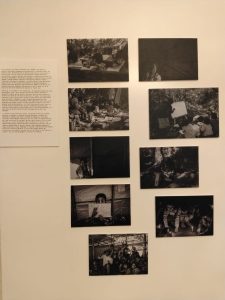
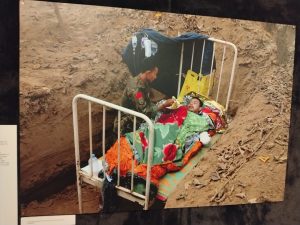
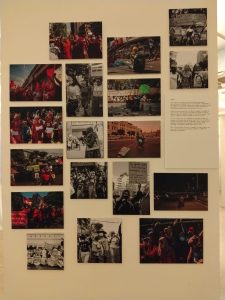
The exhibition "To Kill A Movement," which served as a focal point for awareness during the summer, provided a haunting look at the cost of the Myanmar conflict. Through a collection of nearly 1,000 images—many retrieved from military-controlled Telegram channels—the exhibition laid bare the systemic nature of the junta’s violence.

The title itself, "To Kill A Movement," draws on the sociological reality that authoritarian regimes do not extinguish dissent with a single, decisive blow. Rather, they rely on the slow, methodical erosion of human dignity. Through cornering, exhaustion, forced disappearances, and deliberate defamation, these regimes dismantle the structural support systems of a population. The exhibition showcased the wreckage of schools and hospitals, the reality of child soldiers, and the horrific images of torture that have become the hallmark of the post-2021 junta.
Perhaps most poignant were the displays of htamein—the traditional cloth used by women in Myanmar. In the face of the junta’s deep-seated misogyny and superstition, activists transformed these cloths into banners of defiance. This act of reclaiming the domestic to combat the political serves as a powerful metaphor for the broader struggle of the Rohingya and other oppressed groups: the refusal to be erased.

Official Responses and the "Non-Refoulement" Principle
The legal landscape surrounding these refugees is complex. While Malaysia is not a signatory to the 1951 Refugee Convention, it is bound by the customary international law principle of non-refoulement. This principle dictates that no state shall expel or return a refugee in any manner whatsoever to the frontiers of territories where their life or freedom would be threatened on account of their race, religion, nationality, membership of a particular social group, or political opinion.
Rights groups, including Pusat KOMAS, have been vocal in challenging the state’s rhetoric. In response to the June petition, the group issued a stinging rebuke: "Narratives like this deliberately portray the Rohingya community as only taking from the country, while ignoring the fact that many of them contribute to Malaysia’s economy despite living in precarious conditions and facing frequent exploitation."

Furthermore, Amnesty International Malaysia’s spokesperson, Divya Shesshan, has cautioned the government regarding the transition to a new, state-led registration system. "While we welcome the government’s efforts to develop a national refugee registration system and move towards formal recognition of refugees in Malaysia, any transition away from UNHCR registration must not leave refugees and asylum-seekers without access to protection procedures."
Implications: The Dangers of Populism
The current climate in Malaysia is a symptom of a global trend: the rise of populist politics that prioritize nationalistic "geographical privilege" over universal human rights. When a country allows itself to be governed by the fears of a vocal, xenophobic minority, it risks losing its moral standing in the international community.
State leaders often speak of a "rules-based order," yet this advocacy becomes performative when those same leaders contemplate returning vulnerable populations to regions defined by genocide and state-sponsored torture. The desire to remove refugees is often fueled by a lack of understanding regarding the realities of conflict-ridden nations. As the evidence from the "To Kill A Movement" exhibition shows, the Rohingya are not merely "guests" who have overstayed their welcome; they are survivors of a systematic campaign of erasure. To return them to the very environment that seeks their destruction is to be, at the very least, passively complicit in the crimes being committed.
Data and Demographics: The Reality of the Situation
The scale of the situation in Malaysia is significant. The country hosts approximately 181,000 refugees and asylum-seekers. Of this number, a staggering 85 percent are members of the Rohingya community. These individuals occupy the most vulnerable rungs of the socioeconomic ladder, often relegated to the shadows of the economy where they are susceptible to exploitation and denied basic legal protections.
The government’s decision to move toward a national registration system is a double-edged sword. If implemented with transparency and a commitment to international standards, it could lead to the formal recognition of refugees, potentially granting them better access to work and healthcare. However, if the system is used as a tool for mass deportation or as a means to circumvent the protections provided by the UNHCR, it will only exacerbate the misery of those already living in precarious conditions.
Toward a Future of Compassion
The path forward requires a fundamental shift in how Malaysia—and indeed all nations—perceive their humanitarian duties. While legal frameworks are necessary, they are insufficient without a societal commitment to compassion.
We must ask ourselves: what kind of society do we wish to build? One that views the stranger as a threat, or one that recognizes the common humanity shared by all? The images of destroyed schools and decimated hospitals in Myanmar are not merely pictures of a foreign land; they are warnings of what happens when empathy is discarded for the sake of political convenience.
As we look toward the future, the responsibility lies not only with policymakers but with every citizen. We must challenge the narratives that depict refugees as a burden and instead recognize the resilience of those who have survived the unthinkable. Advocacy for the moral responsibility of society is just as crucial as the legal responsibility of the state. If we wish to see a world where people fleeing conflict are welcomed rather than expelled, we must begin by fostering a culture of forbearance and active, intentional compassion.
The story of the Rohingya is the story of our time. It is a test of our collective conscience. As long as the international community—and specifically nations like Malaysia—treats the lives of refugees as negotiable, the cycles of violence that drive people from their homes will continue to find fertile ground. The goal must be clear: to move beyond the cold calculus of politics and toward a principled, humanitarian approach that honors the dignity of every human life.