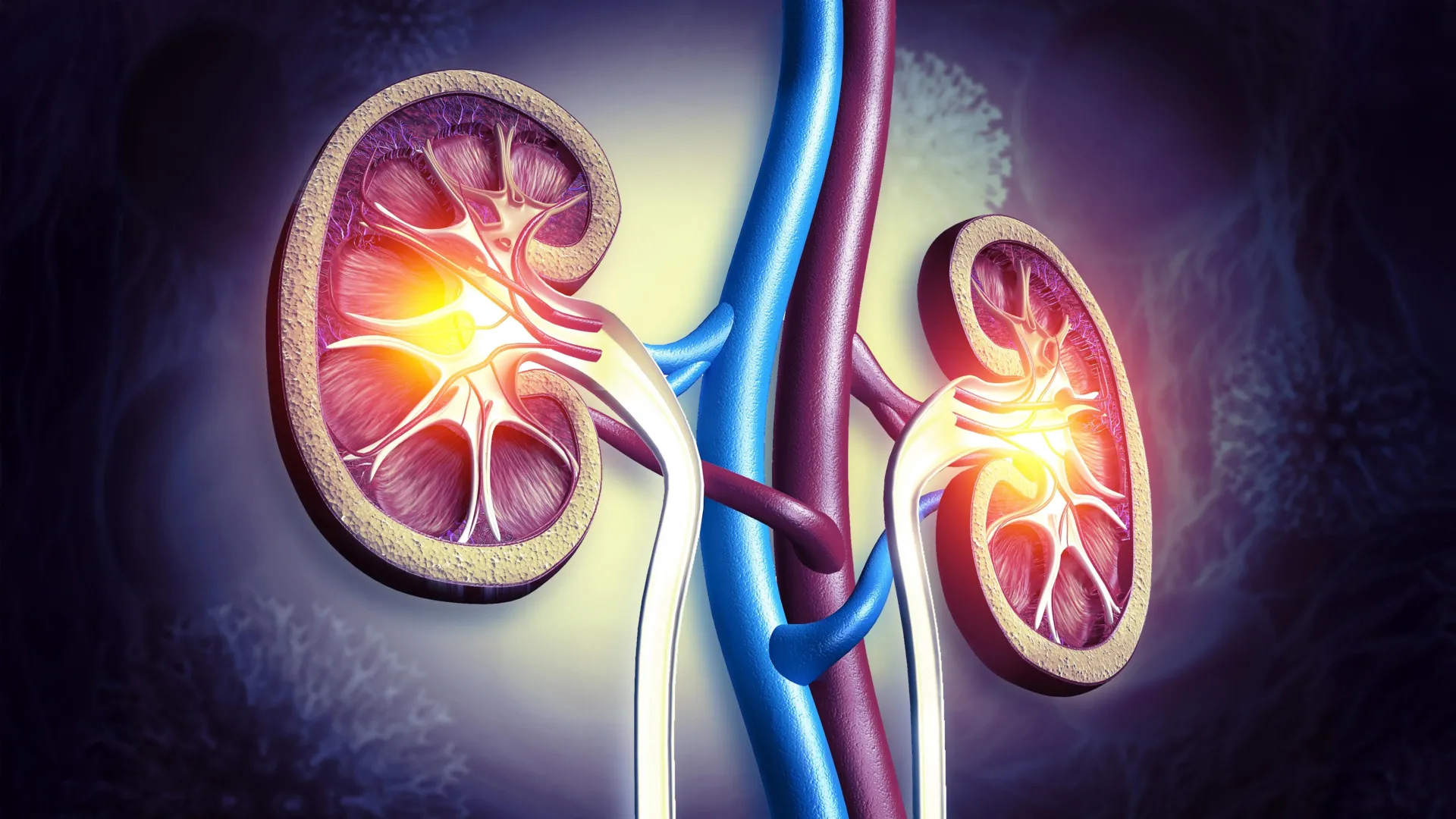
A significant shift in the clinical understanding of diabetic kidney disease (DKD) management may be on the horizon. Recent data presented at the 63rd European Renal Association (ERA) Congress has cast a spotlight on a widely utilized class of antihypertensive medication, suggesting that their use may be linked to adverse renal outcomes—even in patients already benefiting from modern, kidney-protective therapies.
The study, which examined data from over 31,000 patients, centers on dihydropyridine calcium-channel blockers (DCCBs). These drugs, which function by relaxing vascular smooth muscle to lower systemic blood pressure, are a cornerstone of hypertension treatment. However, the new findings suggest that for individuals living with type 2 diabetes (T2D) and existing kidney complications, the physiological mechanism that makes DCCBs effective for blood pressure control might inadvertently place undue stress on the delicate filtering units of the kidney.
The Global Burden of Diabetic Kidney Disease
To understand the weight of these findings, one must first appreciate the prevalence and severity of diabetic kidney disease. DKD remains one of the leading global drivers of end-stage renal disease (ESRD), a condition that necessitates life-altering interventions such as chronic dialysis or kidney transplantation.
At its core, DKD is a microvascular complication of prolonged hyperglycemia. High blood sugar levels act as a systemic toxin, damaging the intricate capillary networks within the kidneys—specifically the glomeruli, which act as the body’s filtration system. As these structures become scarred and sclerotic, their ability to filter waste products from the blood diminishes, leading to the clinical progression of kidney failure.
Hypertension is both a cause and a consequence of this damage. Elevated blood pressure accelerates the deterioration of the renal microvasculature, creating a vicious cycle of damage. Consequently, blood pressure control has long been the primary objective in slowing the progression of DKD.
A Paradigm Shift in Treatment: The Role of RAS and SGLT2 Inhibitors
For years, the gold standard for treating DKD has been the use of Renin-Angiotensin System (RAS) inhibitors. By modulating the hormonal pathway that regulates blood pressure and fluid balance, these medications effectively lower the pressure within the glomerular filtering structures, thereby "unloading" the kidney and preserving function.
More recently, the medical community has seen a revolution in treatment with the integration of Sodium-Glucose Cotransporter-2 (SGLT2) inhibitors. Initially approved for their ability to lower blood glucose in T2D patients, SGLT2 inhibitors were found to possess extraordinary nephroprotective properties. By altering how the kidney handles glucose and sodium, these drugs reduce intraglomerular pressure and oxidative stress. Today, the dual-therapy approach of using both RAS and SGLT2 inhibitors is considered the standard of care for many patients living with T2D and DKD.
Chronology of the Study: Tracking 31,000 Patients
The investigation presented at the ERA Congress was designed to evaluate how the addition of secondary blood pressure medications—specifically DCCBs—impacts this modern standard of care.
The study cohort consisted of 31,031 adults with T2D monitored between 2016 and 2021. The selection criteria were precise: every participant was already stabilized on a regimen of both RAS and SGLT2 inhibitors. This design allowed researchers to isolate the specific impact of adding a DCCB compared to other classes of antihypertensive agents.
- The Cohort: 31,031 patients with T2D and underlying kidney disease.
- The Intervention Group: 12,172 patients (39.2%) treated with DCCBs as a secondary agent.
- The Control Group: 18,859 patients (60%) treated with alternative antihypertensive medications.
- Duration: A median follow-up period of 3.5 years.
The methodology utilized comprehensive electronic health record analysis, adjusting for baseline clinical and demographic variables to ensure a balanced comparison. The primary endpoint was defined as a "major adverse kidney event," encompassing either a significant decline in kidney filtration capacity—specifically a 40% or greater reduction in estimated glomerular filtration rate (eGFR)—or the progression to end-stage kidney disease requiring dialysis or transplantation.
Supporting Data: The 33% Risk Gap
The results of the study were striking. After adjusting for potential confounding factors, the researchers discovered that the use of DCCBs was associated with a 33% greater risk of a major adverse kidney event (Hazard Ratio 1.33, 95% Confidence Interval 1.03-1.73).
This finding is particularly significant because it suggests that the protective "cushion" provided by SGLT2 and RAS inhibitors might not be sufficient to negate the physiological impact of DCCBs in certain patients. While DCCBs are highly effective at lowering systemic blood pressure, they may not offer the same hemodynamic benefits to the renal microcirculation that other antihypertensive classes provide.
The Physiological Hypothesis: Why DCCBs May Be Counterproductive
The researchers propose a compelling hypothesis for these findings based on renal hemodynamics. In the context of DKD, the kidney is already struggling with "hyperfiltration"—a state where the glomerular structures are under excessive pressure and strain.
The function of the kidney depends on the balance between blood entering the filter (afferent arteriole) and blood exiting the filter (efferent arteriole). It is hypothesized that DCCBs may preferentially dilate the afferent (inflow) vessels while having less of an effect on the efferent (outflow) vessels. This creates an imbalance, essentially forcing more blood into the delicate filtering units while the outflow remains restricted. This phenomenon effectively increases the pressure inside the glomerular tuft, potentially exacerbating the very damage that clinicians are trying to prevent.
Dr. Timna Agur, the lead author of the study, noted the disappointment in the findings: "We initially thought the kidney-protective effects of SGLT2 inhibitors might counterbalance the potential harms associated with DCCBs. However, the increased risk of kidney disease progression appeared to persist even in this group."
Official Responses and Clinical Implications
The medical community has received these findings with a mix of caution and interest. Because the study was observational in nature, it cannot establish a direct causal link between the medication and kidney decline. Observational studies, by definition, can identify associations, but they remain subject to "residual confounding"—the possibility that patients prescribed DCCBs were sicker or had more advanced disease at baseline, even after statistical adjustments.
However, the size of the cohort and the consistency of the findings have prompted a call for further investigation. The implication for clinical practice is significant: if these findings are validated by randomized controlled trials, it may lead to a shift in treatment guidelines for patients with T2D. Doctors may be encouraged to prioritize alternative antihypertensive agents that do not interfere with renal hemodynamics, such as specific diuretics or beta-blockers, when the patient’s clinical profile allows.
Moving Toward Precision Nephrology
The path forward, as emphasized by Dr. Agur and her colleagues, requires a two-pronged approach. First, there is an urgent need for prospective, randomized controlled trials that can specifically test whether switching patients from DCCBs to other antihypertensives leads to a measurable improvement in long-term kidney outcomes.
Second, the findings highlight the importance of "precision nephrology." As more becomes known about how specific drugs affect the micro-environment of the kidney, clinicians will need to move away from a "one-size-fits-all" approach to blood pressure management. For a patient with significant renal damage, the choice of a secondary blood pressure medication may be just as important as the choice of a primary kidney-protective drug.
Conclusion: A Call to Action
The ERA Congress presentation serves as a vital reminder that in medicine, even established and widely used therapies must be subject to continuous re-evaluation as our understanding of disease pathophysiology evolves.
While DCCBs remain essential for controlling systemic hypertension in the general population, their role in the specific context of diabetic kidney disease is now under a microscope. For the millions of patients living with type 2 diabetes, these findings underscore the necessity of close monitoring and the potential need for a more nuanced approach to blood pressure management. As the research continues, the focus remains clear: protecting the delicate filters of the kidney is paramount to ensuring the longevity and quality of life for those living with diabetes.
For now, the medical community awaits further, more granular data, but one thing is certain: the conversation surrounding secondary antihypertensive therapy has changed, and the potential for improving renal outcomes through more selective prescribing has never been more apparent.