
In an era defined by the push toward sustainable living and the reduction of single-use plastics, the modern kitchen has become a laboratory for creative upcycling. While many households dutifully rinse their yogurt containers before placing them in the recycling bin, a growing movement of DIY enthusiasts is proving that these humble vessels possess a second life far more aesthetic than their primary purpose. By shifting our perspective from "disposable waste" to "raw material," we can craft functional, rustic-style storage solutions that rival high-end boutique kitchenware.
The Case for Creative Upcycling: Why We Should Stop Tossing Plastic
The environmental implications of single-use plastic are well-documented. According to recent environmental reports, millions of tons of plastic waste enter the global waste stream annually, much of which originates from food packaging. While municipal recycling programs are a vital component of waste management, they are often energy-intensive and subject to market fluctuations.
Repurposing items at home—often referred to as "upcycling"—effectively bypasses the industrial recycling cycle entirely, extending the lifecycle of a product that has already been manufactured. By transforming a plastic yogurt tub into a decorative fruit basket, the consumer reduces the demand for new, store-bought organizational items, which are often shipped across the globe, further increasing their carbon footprint. This movement toward "circular kitchens" is not just about aesthetics; it is a fundamental shift in how we value materials within the domestic sphere.
Chronology of a Transformation: From Waste to Whimsy
The process of turning two seemingly mundane yogurt containers into a sophisticated, rustic-style fruit basket is a masterclass in low-cost, high-impact design. The transformation, popularized by home-decor influencers like Camelia DIY, relies on a simple, step-by-step methodology that emphasizes craftsmanship over expensive supplies.
Phase 1: Structural Preparation
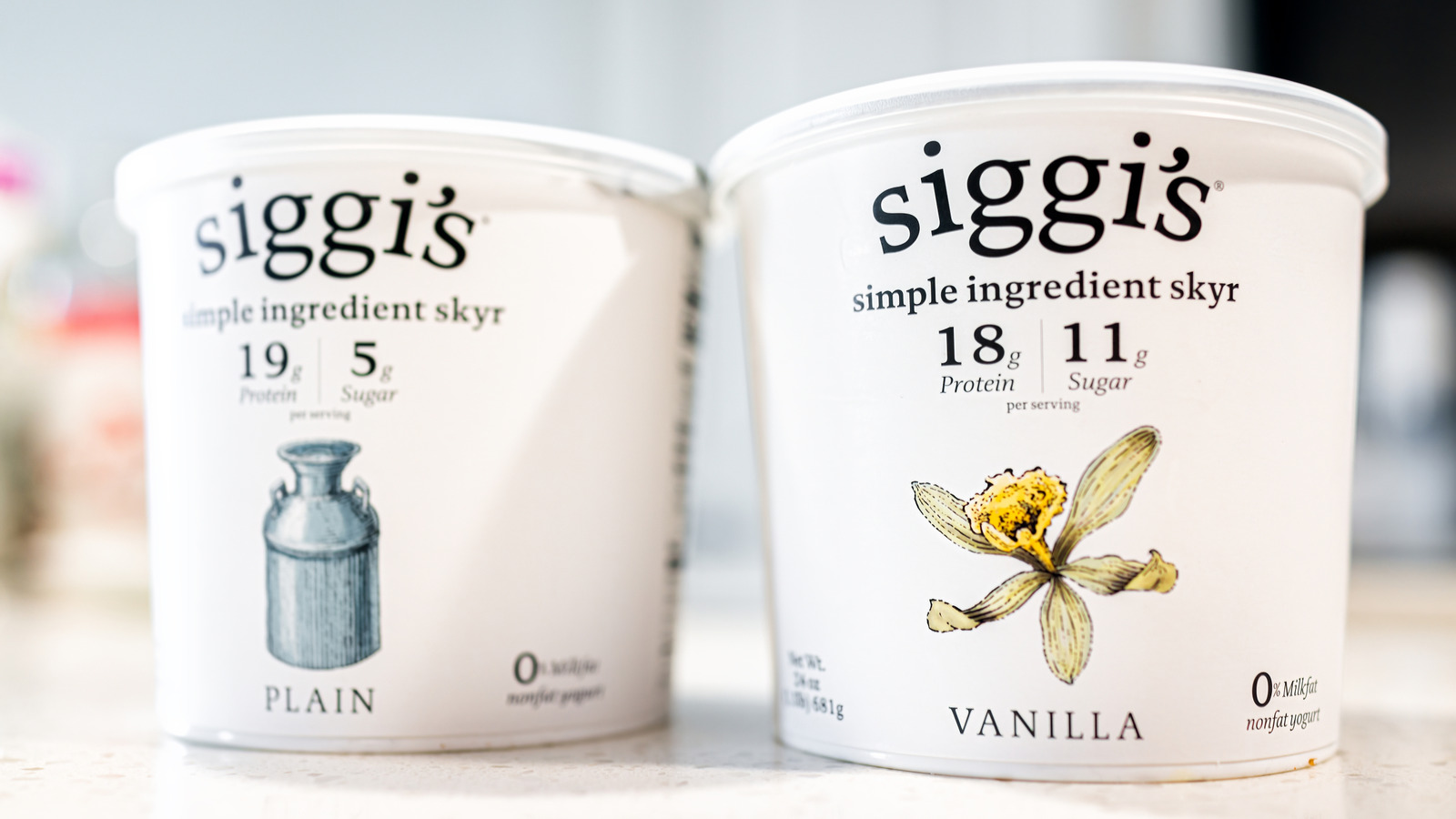
The transformation begins with structural integrity. The "lip" of the standard plastic yogurt tub is often the most recognizable "industrial" feature. By utilizing a box cutter or heavy-duty scissors, the crafter removes this rim, creating a smooth, clean silhouette. Once the rims are removed, the tubs lose their "store-bought" look and take on the appearance of basic, neutral cylinders.
Phase 2: Interior Lining and Foundation
The secret to obscuring the plastic origin of these containers lies in the interior lining. By using burlap or similar rustic fabrics, the crafter creates a soft, textured finish that masks the glossy, artificial look of the plastic. This fabric is tucked into the rim and secured with a hot glue gun. A cardboard circle, cut to size and covered in the same fabric, acts as a false floor, hiding the bottom of the container and providing a more premium feel.
Phase 3: The Assembly and Handle
To create a two-tiered or linked system, two tubs are bonded together. The gap between them is bridged by a strip of cardboard wrapped in matching burlap, which provides structural rigidity. A braided twine handle is then attached, transforming the assembly into a portable, functional basket.
Phase 4: The Finishing Aesthetic
The exterior is the final frontier. By applying layers of twine or rope in a continuous spiral, the crafter creates a woven texture that mimics high-end nautical or farmhouse baskets. Small details, such as burlap trim at the base and frayed edges, add the "vintage charm" that is so highly sought after in modern interior design.
Supporting Data: The Economic and Ecological Benefits
When analyzing the viability of DIY home storage, the economic benefits are immediate. A typical decorative fruit basket purchased from a home goods retailer can range anywhere from $20 to $60, depending on the material and brand. In contrast, the cost of repurposing two yogurt tubs—assuming the household already consumes the yogurt—is essentially limited to the cost of a few yards of twine and a small amount of glue.
Furthermore, the environmental savings are significant. By choosing to reuse these tubs, a household saves approximately 0.2 to 0.5 pounds of plastic from entering the waste stream per project. While this may seem negligible on an individual level, if scaled across a community, the impact on landfill diversion is measurable.
Additionally, the trend of upcycling encourages "mindful consumption." When consumers look at a container and see its potential for a future project, they become more conscious of the materials entering their homes, often leading to a broader reduction in overall plastic purchasing.
Perspectives from the DIY Community
The popularity of this specific project reflects a broader "Maker Movement" that has surged in the wake of global supply chain disruptions and an increased focus on home-centric living. Experts in interior design suggest that the appeal of these DIY projects lies in the "perfectly imperfect" aesthetic.
"We are seeing a move away from the hyper-minimalist, mass-produced look," says an industry interior design consultant. "Consumers are gravitating toward items that feel personal, tactile, and intentional. A fruit basket made from an upcycled yogurt container isn’t just a storage item; it’s a conversation piece. It signals to guests that the homeowner values creativity and sustainability."
While some might argue that plastic is inherently "un-chic," the application of organic materials like burlap, jute, and sisal successfully bridges the gap between industrial utility and cottage-core aesthetics. By obscuring the plastic entirely, the maker reclaims the object, stripping it of its corporate branding and re-branding it as a bespoke home accessory.
Broader Implications for Sustainable Living
The ripple effects of this simple DIY project extend far beyond the kitchen counter. If the practice of upcycling becomes a standard household activity, it shifts the burden of waste management back to the consumer in a positive, creative way.
Expanding the Horizon: Beyond Fruit Baskets
The methodology applied to yogurt tubs can be extrapolated to almost any plastic container in the home.
- Seedling Starters: For the home gardener, smaller yogurt cups are the ideal size for germinating seeds. Their plastic construction provides excellent moisture retention, while a few holes punched in the bottom ensure proper drainage.
- Glass and Porcelain Upcycling: Many premium yogurt brands (such as La Fermière) sell their product in reusable glass or porcelain pots. These are arguably even more valuable for the upcycler, serving as elegant candle holders, bud vases, or desk organizers that require little to no modification to look sophisticated.
- Office and Bathroom Organization: Smaller plastic tubs, once wrapped in fabric or painted, become perfect catch-alls for pens, makeup brushes, or hair accessories, reducing the need for plastic drawer inserts.
Conclusion: A Shift in Perception
The transformation of two empty yogurt containers into a rustic fruit basket is more than just a weekend craft; it is a manifestation of a necessary cultural shift. As we face the mounting challenges of waste management and environmental degradation, the power of the individual to repurpose, refine, and reuse cannot be overstated.
By taking the time to see the potential in what we discard, we do more than just clean our kitchens; we cultivate a mindset of resourcefulness. The next time you finish a container of yogurt, instead of immediately reaching for the recycling bin, consider the possibilities. With a bit of twine, some glue, and a touch of imagination, you aren’t just managing waste—you are crafting a more sustainable, and undeniably charming, home.