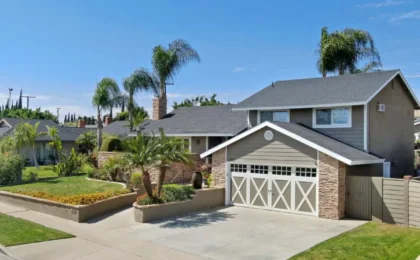
For millions of Americans, the dream of homeownership has felt increasingly like a mirage over the past five years. With home prices sitting 20% higher than they were in 2020 and mortgage rates nearly doubling, the barrier to entry has never felt more formidable. A toxic cocktail of pandemic-era demand, stubborn inflation, and a chronic shortage of inventory has sidelined a generation of potential buyers.
However, as we move through 2026, the narrative is shifting. The chaotic, hyper-inflated market of the pandemic is finally giving way to a period of stabilization. While many buyers continue to wait on the sidelines for a “market crash” that would return prices to pre-2020 levels, economists suggest that such a decline is unlikely—and perhaps even undesirable. Instead, we are entering a phase of “market normalization,” where wage growth is finally beginning to outpace housing costs, setting the stage for a long-term improvement in affordability.
The Chronology of a Housing Crisis
To understand where we are, we must look at how we arrived here. The current housing dilemma is not the result of a single event, but a cascading series of economic shocks:
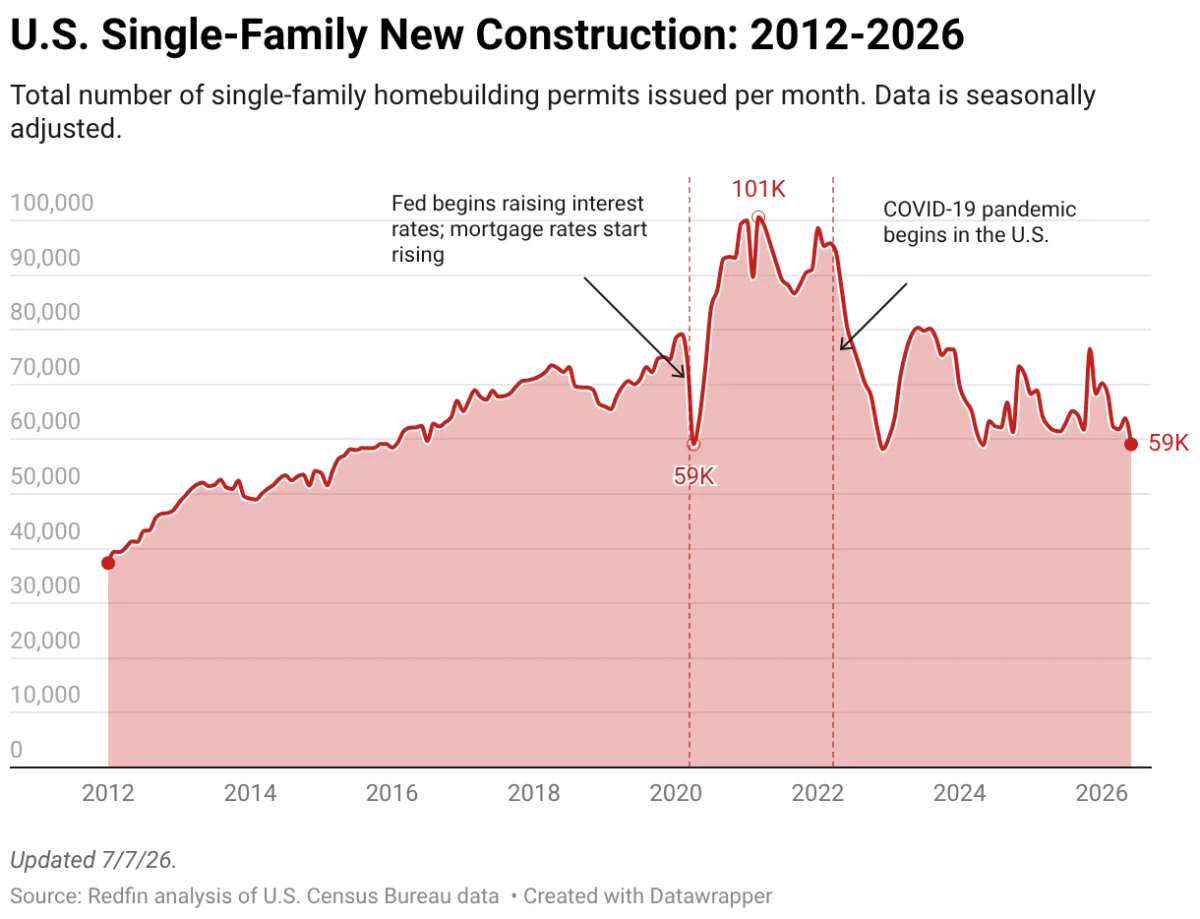
- 2020–2021: The Pandemic Gold Rush: As COVID-19 forced the world indoors, the demand for space skyrocketed. Simultaneously, the Federal Reserve slashed interest rates to record lows to prevent a total economic collapse. This triggered a buying frenzy that rapidly depleted the nation’s available housing supply.
- 2022–2023: The Inflationary Brake: As inflation surged, the Federal Reserve began an aggressive campaign of interest rate hikes. This effectively cooled the market by increasing the cost of borrowing, yet it failed to significantly lower home prices because inventory remained at historic lows.
- 2024–2025: The Plateau: Buyers and sellers reached a stalemate. Homeowners with low mortgage rates from the pandemic refused to sell, fearing they would have to trade their 3% rate for a 6% or 7% rate. This “lock-in effect” strangled supply, keeping prices elevated even as demand cooled.
- 2026: The Reset: We are currently in a period of transition. While prices remain high, the pace of growth has slowed significantly. For the first time since late 2025, wage growth is outpacing housing cost increases, providing a glimmer of hope for middle-income earners.
The Pillars of High Home Prices
Why haven’t prices collapsed despite high interest rates? The answer lies in the fundamental laws of supply and demand.
1. The Chronic Inventory Deficit
The United States is currently facing a massive shortfall of housing units, with estimates ranging from 1.5 million to as many as 7 million homes. This shortage has been brewing for over a decade, exacerbated by a lack of construction following the 2008 Great Recession. When supply is perpetually low, even modest demand keeps price floors high.
2. The Construction Slowdown
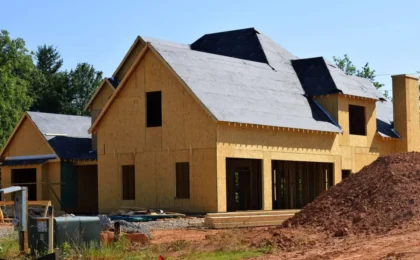
While homebuilding surged briefly post-pandemic, it has since slowed due to labor shortages, the rising cost of materials, and regulatory hurdles. The average American home is now older than at any point in modern history, reflecting the lack of new stock being added to the market. Legislative efforts, such as the ROAD to Housing Act, aim to remove these barriers, but the effects of such policy shifts take years to materialize.
3. Mortgage Rate Volatility
Mortgage rates act as the heartbeat of the housing market. During the pandemic, low rates masked the high price of homes. Today, elevated rates make every purchase significantly more expensive on a monthly basis. External factors, such as geopolitical conflicts in the Middle East, continue to cause fluctuations in the bond market, which directly impacts mortgage rates and keeps buyers in a state of uncertainty.
Insights from the Field: The Economist’s Perspective
Daryl Fairweather, Chief Economist at Redfin, maintains that the current environment is a necessary correction. “House prices aren’t going to fall on a national scale any time soon—and that’s actually a good thing,” Fairweather notes.
She argues that a “crash” would trigger a cascade of negative consequences, including negative equity for recent buyers, a spike in foreclosures, and a broader economic slowdown. “It is normal for house prices to rise gradually over time, just as mild inflation is healthy for an economy. The anomaly was the pandemic boom. Now, affordability is starting to increase because wages have been rising faster than housing costs since late 2025.”
Where are Prices Actually Falling?
While a national crash is not on the horizon, regional corrections are occurring. The most significant price drops are concentrated in "pandemic boomtowns"—cities that saw explosive growth between 2021 and 2022.
Markets such as Austin, Nashville, and San Antonio are prime examples. These regions became top destinations for remote workers during the pandemic, driving prices to unsustainable levels. As remote work mandates eased and those prices became disconnected from local wage levels, these markets began to cool. In Austin, for instance, prices have retreated by over $100,000 from their peak, and the average time a home spends on the market has surged. These are not signs of a national collapse, but rather a local re-alignment with economic reality.
The Implications for Buyers and Sellers
The decision to enter the market remains fraught with psychological and financial hurdles.
For the Prospective Homebuyer
Waiting for a crash is a high-risk strategy. In most of the country, prices are not trending downward; they are simply growing at a more sustainable pace. Buyers who remain on the sidelines risk missing out on negotiated deals. Today’s market is increasingly favorable for buyers who have the patience to negotiate. With competition lower than it was three years ago, buyers can often demand repairs, concessions, or price reductions—luxuries that were unheard of in 2021.
For the Potential Seller
Sellers must adjust their expectations. The era of receiving twenty offers over the asking price within 24 hours of listing is largely over. Sellers in 2026 must be prepared for a longer listing period and a more discerning buyer pool. However, because demand remains fundamentally strong due to the national inventory shortage, sellers who price their homes competitively can still achieve a successful, profitable sale.
Is a Crash Imminent?
The term "market crash" is often used loosely, but economists distinguish it from a "market correction." A crash, like the one seen in 2008, is characterized by a systemic failure of lending, a massive surge in foreclosures, and a total evaporation of buyer demand.
Current indicators do not support this narrative. While foreclosures have risen slightly from their historic lows, they remain within healthy, manageable levels. The banking sector is significantly more robust than it was two decades ago, and the labor market, while shifting, remains relatively resilient. What we are seeing is a "prolonged reset"—a painful but necessary transition toward a more stable, sustainable housing economy.
Final Thoughts: The Path Forward
The housing market of 2026 is defined by uncertainty, ranging from potential tariff impacts on materials and the shifting nature of the job market to the role of AI in the economy. Yet, beneath this noise, the fundamentals are slowly healing.
For the average American, the message from economists is clear: stop waiting for a price drop that may never come. Instead, focus on the improving metrics of affordability—the narrowing gap between wage growth and home prices. As the market continues to stabilize, the focus will shift from "how can I afford this bubble?" to "how can I build long-term wealth in a normalized market?"
While the road to homeownership remains difficult, it is no longer the vertical climb it was during the pandemic. For those willing to navigate the current complexities, the market is offering a more predictable, if still expensive, path toward the American dream. The housing market is not falling apart; it is simply growing up.