In the high-stakes world of American fast-food, few rivalries are as deeply personal as the battle for the best cheese curd. While Culver’s has long enjoyed a reputation as the gold standard for Midwestern comfort food, a quiet revolution is taking place at the drive-thru windows of A&W. Known as one of the oldest and most storied fast-food chains in the United States, A&W has recently surged in popularity, specifically due to a menu item that experts and everyday diners alike are calling a masterclass in fried cheese: their Wisconsin White Cheddar Cheese Curds.
Main Facts: The Anatomy of a Perfect Curd
To understand the fervor surrounding A&W’s curds, one must first understand the product itself. Unlike mass-produced cheese sticks that rely on processed cheese logs, A&W’s offering is rooted in authenticity. Each serving is comprised of 100% Wisconsin White Cheddar cheese. This regional sourcing is not merely a marketing gimmick; it is a nod to the curd’s status as a cultural staple in the Upper Midwest.
The defining characteristic of these curds, according to recent taste tests, is their structural integrity and sensory experience. The breading is notably light and crispy, providing a delicate crunch that gives way to a center that retains a distinct "squeak"—a hallmark of freshness in cheese curds. Furthermore, the varying sizes of the curds—ranging from large, rustic clumps to smaller, golden bits—provide a homemade aesthetic that contrasts sharply with the uniform, factory-pressed appearance often found at other chains.
With a flavor profile that is subtly milky and lightly salted, the curds are designed to stand alone. However, they are frequently paired with the chain’s proprietary Papa Sauce, a sweet and tangy concoction that elevates the savory notes of the cheddar.
Chronology: The Evolution of a Menu Icon
The rise of A&W’s cheese curds did not happen overnight. It is the result of a long-term commitment to quality that has spanned decades.
- 1919: A&W is founded in Lodi, California, by Roy W. Allen. While it began as a root beer stand, the brand gradually expanded into a full-service restaurant, establishing the "Frosted Mug" as a cultural icon.
- Late 20th Century: As the brand evolved, A&W sought to differentiate its menu from burger-centric competitors. Recognizing the regional popularity of cheese curds in the Midwest, the chain began experimenting with incorporating them into their national menu.
- The 2010s: A&W began refining the sourcing of their cheddar, moving toward a standardized "Wisconsin White Cheddar" program. This shift was instrumental in winning over purists who previously only trusted state fair or local creamery versions.
- 2020–Present: In recent years, A&W has leveraged social media and limited-time offers (LTOs) to create hype. By introducing experimental variations like Sriracha and Dill Pickle Ranch curds, the brand successfully moved the conversation away from "standard side dish" to "must-try delicacy."
Supporting Data: The Case for A&W over Culver’s
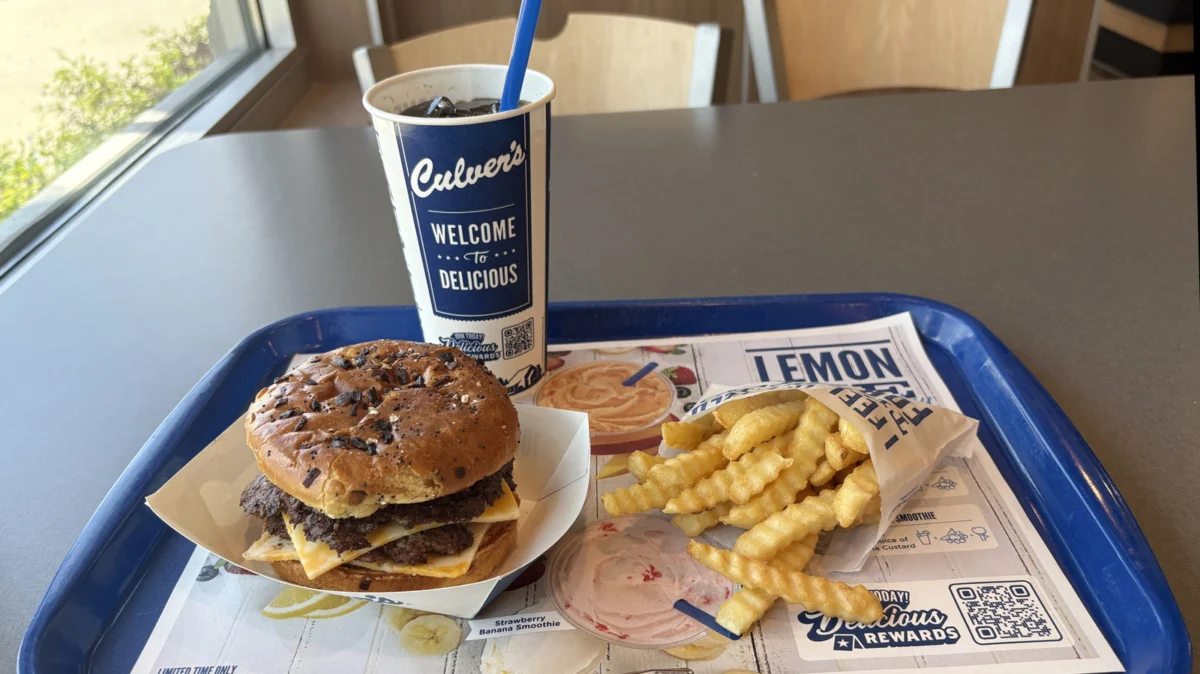
Culver’s has long held the crown for the most popular cheese curd in the quick-service restaurant (QSR) sector. However, data from consumer sentiment analysis and social media engagement suggests a shifting tide.
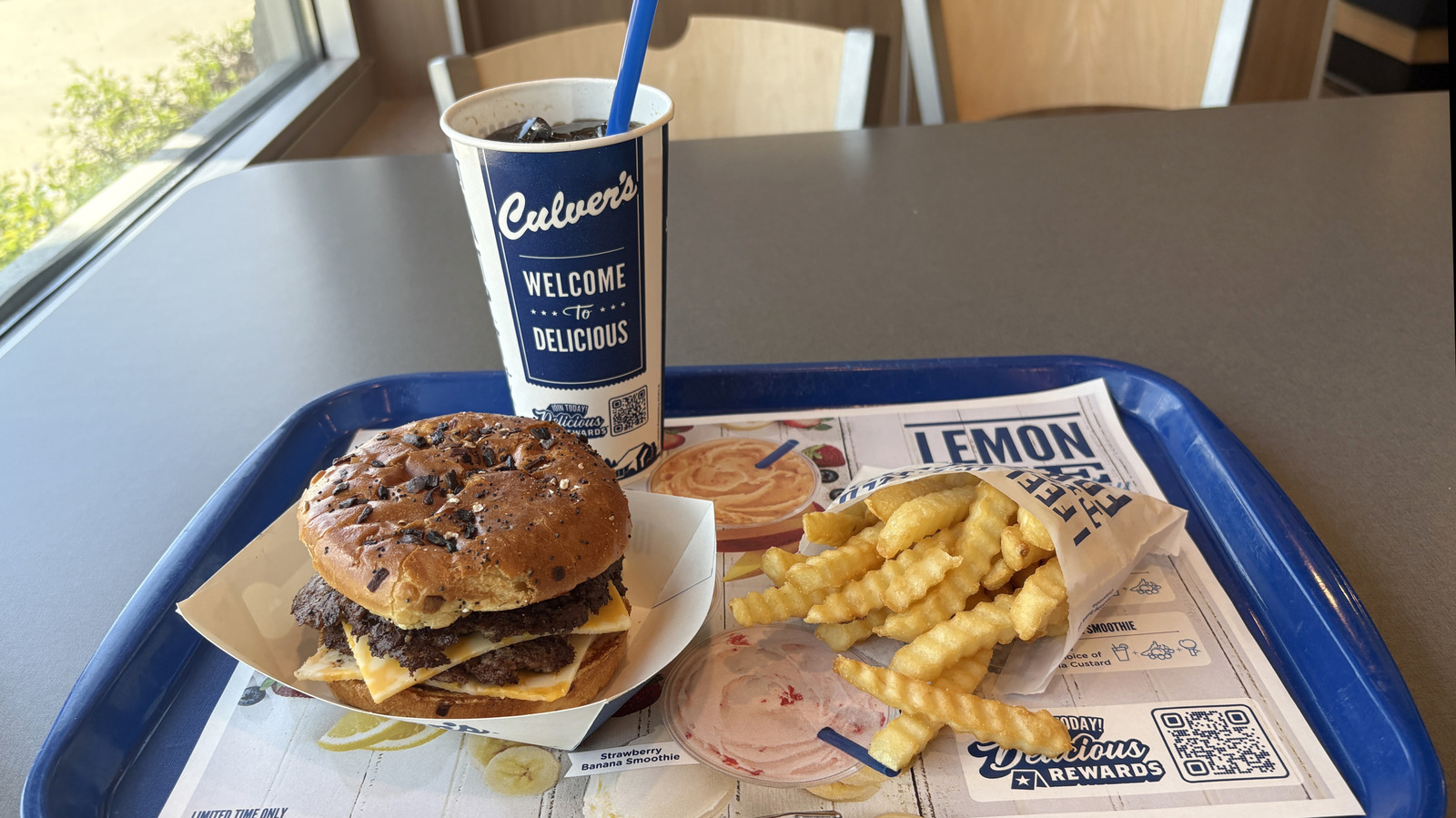
On platforms like Reddit, where food enthusiasts frequently debate the nuances of regional chains, the consensus has begun to tilt in favor of A&W. Critics of the Culver’s model often point to a loss of consistency, claiming that the rapid expansion of the chain has led to a more "commercialized" curd. In contrast, A&W is frequently praised for its "fair-style" quality.
In a recent blind taste test conducted by food journalists, A&W’s curds were described as having a more authentic "melt" than their competitors. The specific ratio of breading-to-cheese in the A&W version allows the flavor of the cheddar to remain the focal point, whereas other chains are often accused of letting the breading dominate the palate.
Official Responses and Strategic Pivot
While A&W has not officially engaged in a "war of words" with Culver’s, their product development strategy speaks volumes. By leaning into the "Wisconsin Heritage" aspect of their product, A&W is positioning itself as the more authentic choice for the sophisticated curd connoisseur.
A&W’s marketing strategy has been to treat the curd not as a cheap add-on, but as a premium experience. By introducing limited-time flavor profiles—such as the viral Dill Pickle Ranch curds—the chain has successfully captured the attention of younger demographics who are looking for "snackable" items that are both high-quality and adventurous. This approach has transformed the curds from a simple side into a "destination item," driving traffic to locations that might otherwise be overlooked in favor of larger, more ubiquitous burger chains.
Implications for the Fast-Food Landscape
The success of the A&W cheese curd serves as a case study for the broader fast-food industry: quality is the ultimate differentiator. As consumers become increasingly discerning about the origins and preparation of their food, brands that can demonstrate a commitment to regional sourcing and artisanal techniques are seeing higher customer retention.
The Impact on Menu Development
Other chains are watching closely. The success of A&W’s experimental curd flavors suggests that the "limited-time offer" model is the most effective way to maintain relevance in a saturated market. By rotating flavors, A&W keeps its core menu exciting without alienating fans of the original.
The "Frosted Mug" Effect
It is also worth noting the symbiotic relationship between the curds and the brand’s history. A&W is uniquely positioned because it offers an "experience" rather than just a meal. Pairing a box of salty, crispy white cheddar curds with an iconic, icy root beer served in a heavy glass frosted mug provides a nostalgic, multi-sensory experience that few competitors can replicate.
Looking Ahead: The Future of the Curd
As the rivalry between A&W and Culver’s continues to heat up, the primary beneficiaries are the consumers. We can expect to see further innovation in the "fried snack" category, with more chains likely to follow suit by sourcing regional cheeses and experimenting with bold dipping sauces.
Whether one believes A&W has truly usurped the throne or simply provided a worthy alternative, the fact remains: the bar has been raised. For the casual diner, this means that the next time you find yourself craving a salty, melty, and satisfying snack, the local A&W might just offer the most authentic bite in town.
Conclusion: A Culinary Landmark
Ultimately, A&W’s surge in the cheese curd category is a testament to the power of focusing on a singular, high-quality product. By respecting the traditions of Midwestern cheesemaking and maintaining a standard of excellence that keeps fans coming back for more, A&W has effectively carved out a niche that challenges the biggest names in the industry. Whether you are a devotee of the classic, lightly salted curd or an adventurer looking to try the latest flavor-infused iteration, A&W’s menu is currently serving up a masterclass in how to turn a simple side dish into a main event.
As the industry continues to evolve, one thing is certain: the competition for the title of "Best Cheese Curd" is no longer a one-horse race. With its commitment to texture, flavor, and tradition, A&W has earned its place at the top, proving that sometimes, the best way to innovate is to get back to the basics—and make them better than everyone else.