For the global traveler and the culinary adventurer, the grocery aisles of Canada represent a hidden frontier of flavor. While the world is well-acquainted with Canadian exports like pure maple syrup and premium rye whisky, there exists an entire subculture of snack foods—confections, chips, and pastries—that remain strictly within the borders of the Great White North. For those who find themselves wandering the aisles of a Canadian "depanneur" or a local supermarket, these ten items are not merely snacks; they are cultural touchstones of Canadian identity.
1. Hawkins Cheezies: The Gold Standard of Crunch
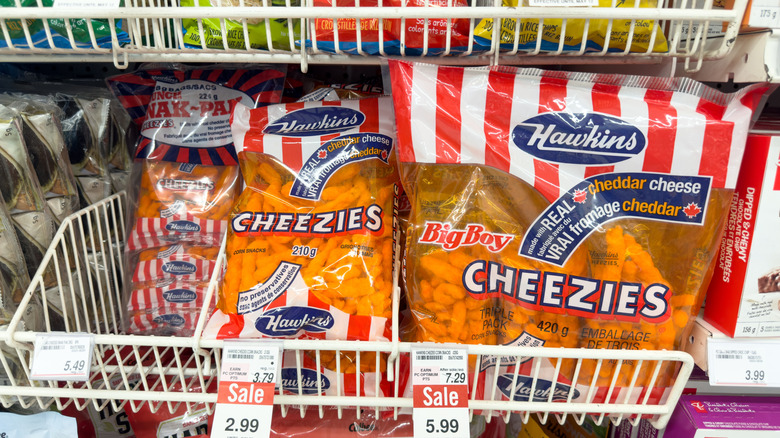
If one were to poll a cross-section of the Canadian population regarding the ultimate "must-buy" snack, the overwhelming consensus would land on Hawkins Cheezies. Unlike the mass-produced, neon-orange extruded snacks found in other nations, Hawkins Cheezies are a study in artisanal consistency.
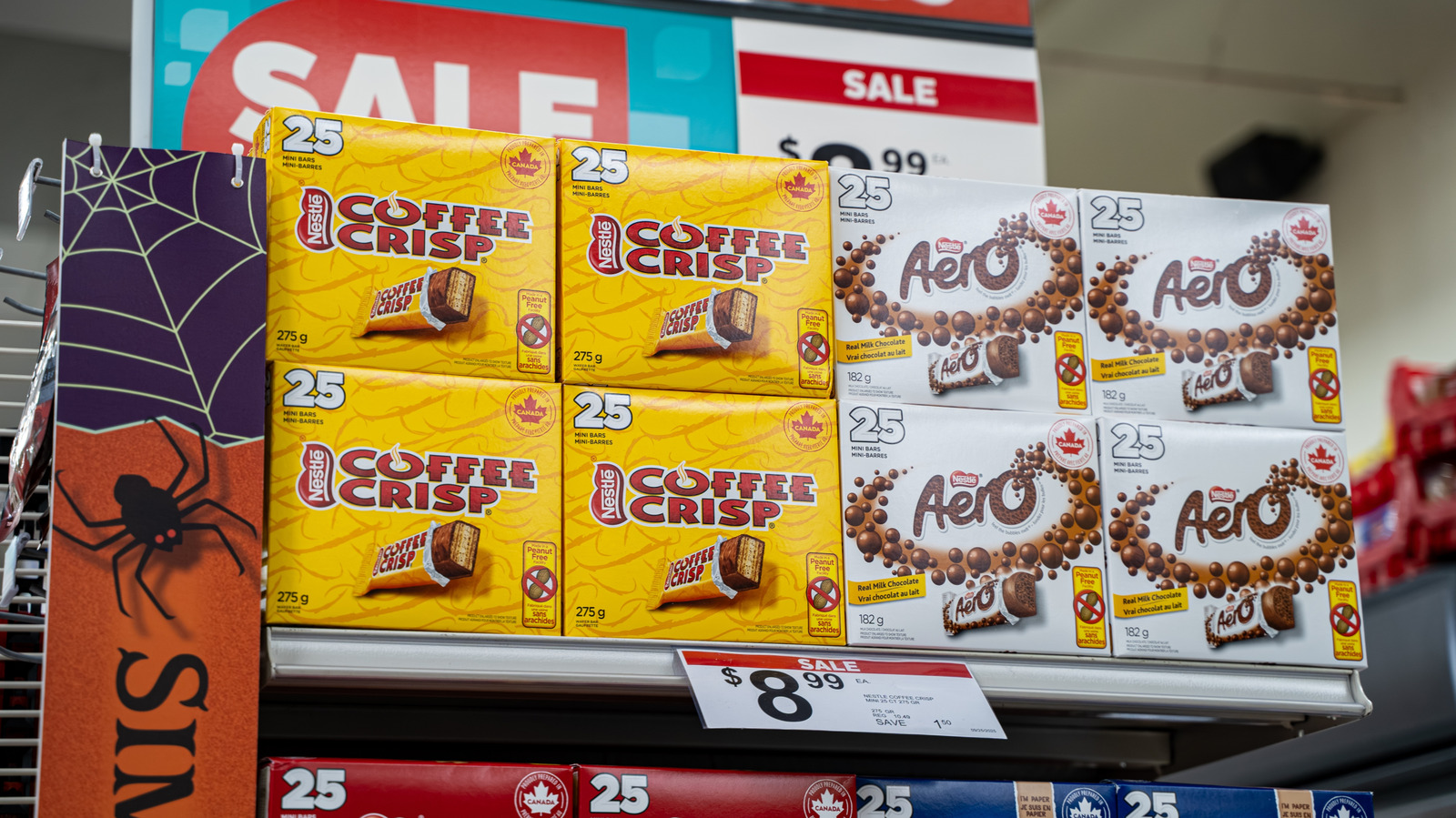
Supporting Data: Since the post-World War II era, the company has utilized the same original machinery and a time-honored recipe that prioritizes real aged cheddar. This commitment to quality results in a texture that is simultaneously light and shatteringly crisp, with a savory profile that relies on genuine cheese rather than synthetic flavoring. Remarkably, Hawkins has eschewed traditional high-budget advertising for decades, relying entirely on the "word-of-mouth" advocacy of loyal Canadians to maintain its market dominance.
2. Coffee Crisp: A Legacy of Canadian Confectionery
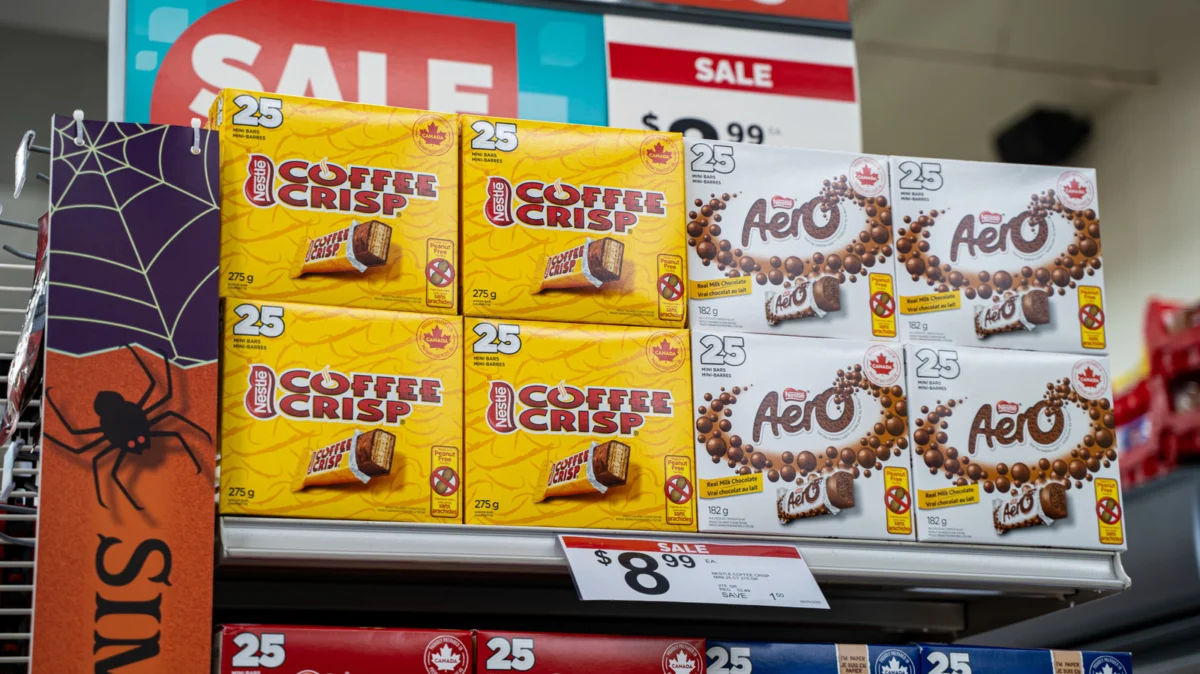
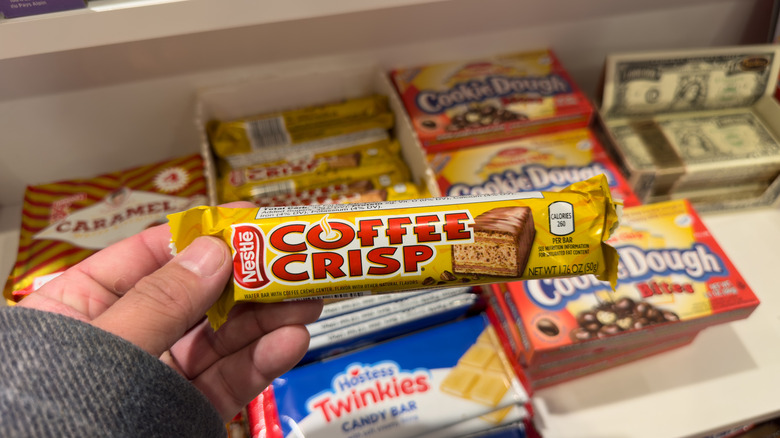
Coffee Crisp is perhaps the most quintessentially Canadian chocolate bar. Its delicate architecture—layers of light, airy wafer separated by a smooth coffee-infused crème, all enrobed in a thin shell of milk chocolate—offers a refined experience that stands in stark contrast to the dense, sugar-heavy bars common elsewhere.
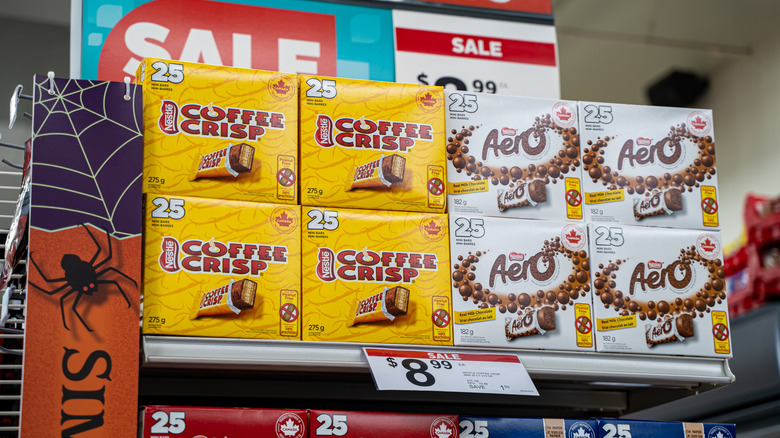
Chronology: The bar’s journey began in the United Kingdom in the 1930s under the name "Rowntree’s Wafer Crisp." By 1939, it had reached Canada, briefly rebranded as "Biscrisp," before settling into its iconic moniker by 1948. It has been manufactured in the same Toronto factory for over 75 years, cementing its status as a permanent fixture in the Canadian pantry.
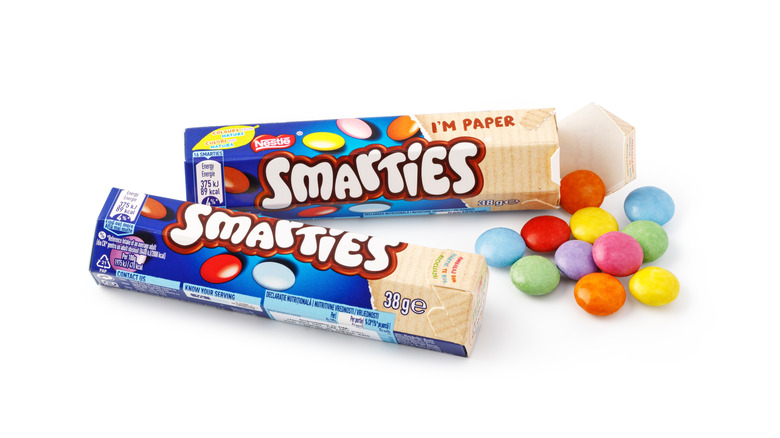
3. Canadian Smarties: The Chocolate Quality Divide
To an American visitor, the Canadian "Smartie" is a source of confusion. In the U.S., the name refers to a chalky, fruit-flavored sugar tablet. In Canada, however, Smarties are premium, round chocolate candies encased in a vibrant, snappy sugar shell.
Implications of Food Standards: The discrepancy is rooted in strict Canadian food labeling laws. Canadian chocolate must contain a minimum of 25% cocoa solids and is strictly regulated regarding the use of vegetable fats—a stark contrast to the 10% cocoa minimum permitted in other jurisdictions. This regulatory environment ensures that the chocolate within a Canadian Smartie is significantly smoother and richer than its international counterparts.
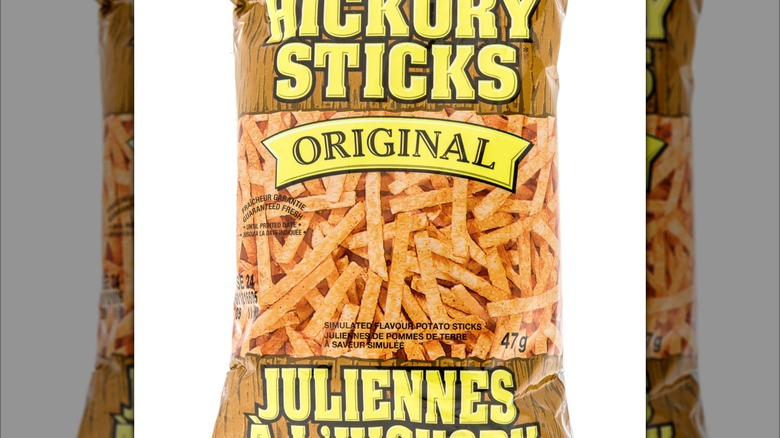
4. Hickory Sticks: The Unsung Hero of Savory Snacking
Hostess—the Canadian brand, not the U.S. snack cake giant—once reigned as the king of Canadian potato chips. Today, the company’s legacy is distilled into a single, fan-favorite product: Hickory Sticks. These are thin, matchstick-cut potato slivers seasoned with a deep, smoky hickory profile. They have transcended the status of a simple chip to become a culinary ingredient; it is common to see Canadians using them as a crunchy topping for hot dogs or ground into a unique breading for poultry.
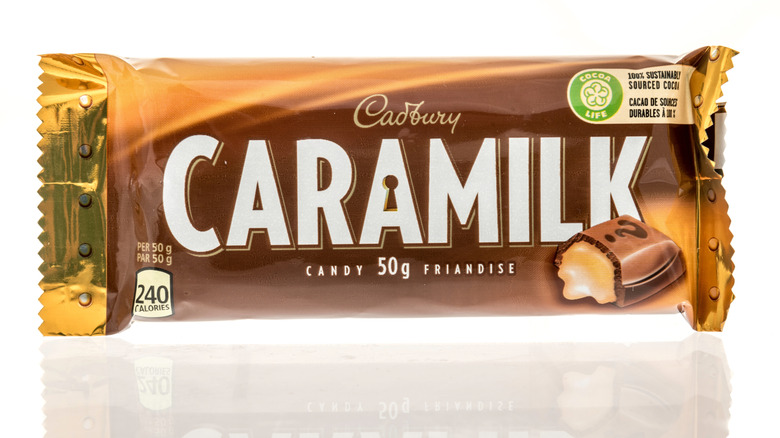
5. Caramilk: The Liquid Gold Standard
Cadbury’s Caramilk is a masterclass in texture engineering. Each bar consists of discrete, chocolate-encased "pillows" filled with a rich, viscous liquid caramel.
Official Distinction: It is crucial to note that while a "Caramilk" bar exists in the United Kingdom, it is a completely different product—a caramelized white chocolate bar. The Canadian version remains the only iteration that features the signature flowing caramel center. For the true aficionado, the secret to enjoying a Caramilk is storage: keeping the bar in the freezer prevents the caramel from becoming too thin, allowing it to maintain a luxurious, velvety consistency against the chilled chocolate.
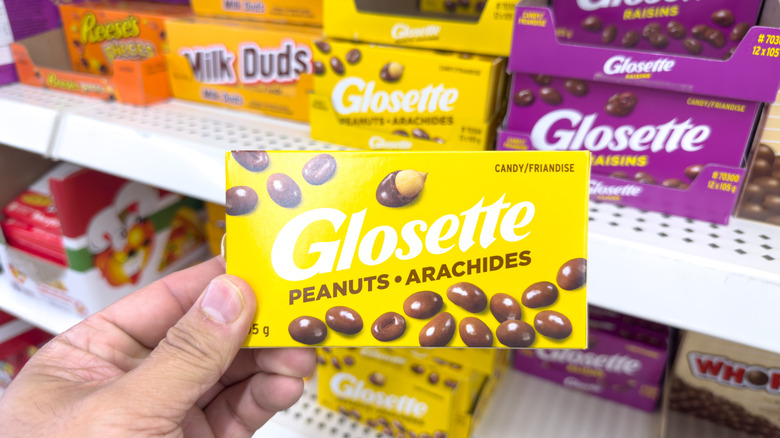
6. Glosette: The Theater Standard
Glosette Peanuts and Raisins represent the vintage era of Canadian cinema snacking. Packaged in slim, distinctively colored cardboard boxes, these chocolate-covered morsels are far superior to the matte-finish counterparts found in other nations. The "gloss" in the name refers to the polished, sheen-filled finish of the chocolate coating, which protects the high-quality nut or fruit within.
7. Fuzzy Peaches: A Gummy Revolution
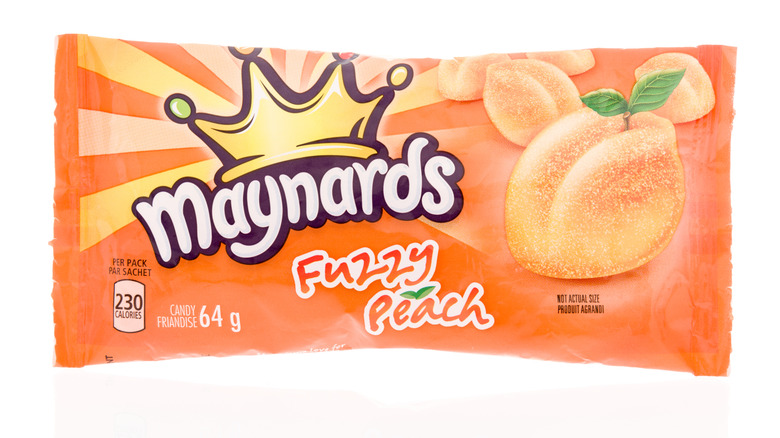
Introduced to the Canadian market in the 1990s, Maynards’ Fuzzy Peaches are a cultural phenomenon. Inspired by the profile of peach schnapps, these gummies offer a tangy, juicy, and sweet experience that is notably absent from the North American gummy market.
Supporting Data: Notably, many iterations of these candies are free from animal-derived gelatin, making them a rare, accessible treat for the vegetarian population. Their popularity has spawned a massive family of Maynard products, including Sour Cherry Blasters and Swedish Berries, but the Fuzzy Peach remains the crown jewel.
8. Vachon Snack Cakes: The Lunchbox Icon
Vachon, a company with deep roots in Quebec, has been the architect of the Canadian childhood lunchbox since 1923. Brands like "Passion Flakie," "Ah Caramel!," and "Jos Louis" are more than just snacks; they are part of the Canadian collective memory.
Chronology of Quality: The "Jos Louis," introduced in 1932, remains a benchmark for the industry—a perfect marriage of chocolate cake and creamy filling. These items represent the pinnacle of industrial baking, maintaining a level of freshness and flavor that has successfully warded off the influx of international snack cake competitors.
9. Butter Tarts: The National Pastry
The butter tart is the unofficial national dessert of Canada. These small, crust-based tarts filled with a mixture of butter, sugar, syrup, and egg represent a long-standing culinary tradition.
Implications: The debate over what constitutes the "perfect" butter tart—raisins vs. no raisins, runny vs. firm—is a perennial topic of discussion across the country. Every year, festivals dedicated solely to the butter tart draw thousands of visitors, proving that this is not merely a grocery item, but a pillar of Canadian heritage. Whether purchased from a high-end bakery or in bulk at a wholesale club, the butter tart is an essential rite of passage.
10. Oh Henry!: A Lost American Classic
The story of the Oh Henry! bar serves as a cautionary tale of corporate consolidation. Originally a staple of the American candy aisle, the rights to the bar were sold and subsequently pulled from U.S. distribution in 2019. However, the bar remains a powerhouse in Canada.
Main Facts: The Canadian Oh Henry! is a substantial, heavy-duty bar featuring peanuts, caramel, and fudge. Because it is manufactured under Canadian chocolate regulations, the "chocolatey" coating on the bar meets a higher standard of quality than the version that was once available south of the border. For those who grew up with the bar, a trip to Canada is the only way to reconnect with this nostalgic, hearty classic.
Conclusion: The Value of the Canadian Shelf
The snacks listed above are more than just items to be consumed; they are the result of specific Canadian manufacturing standards, regional culinary tastes, and a fierce national loyalty to tradition. For the visitor, these shelves offer a window into the Canadian palate—one that favors quality, texture, and a balance of nostalgia with consistent, reliable ingredients. Whether you are seeking the smoky crunch of a Hickory Stick or the buttery decadence of a homemade-style tart, Canada’s snack landscape remains a unique and rewarding discovery.