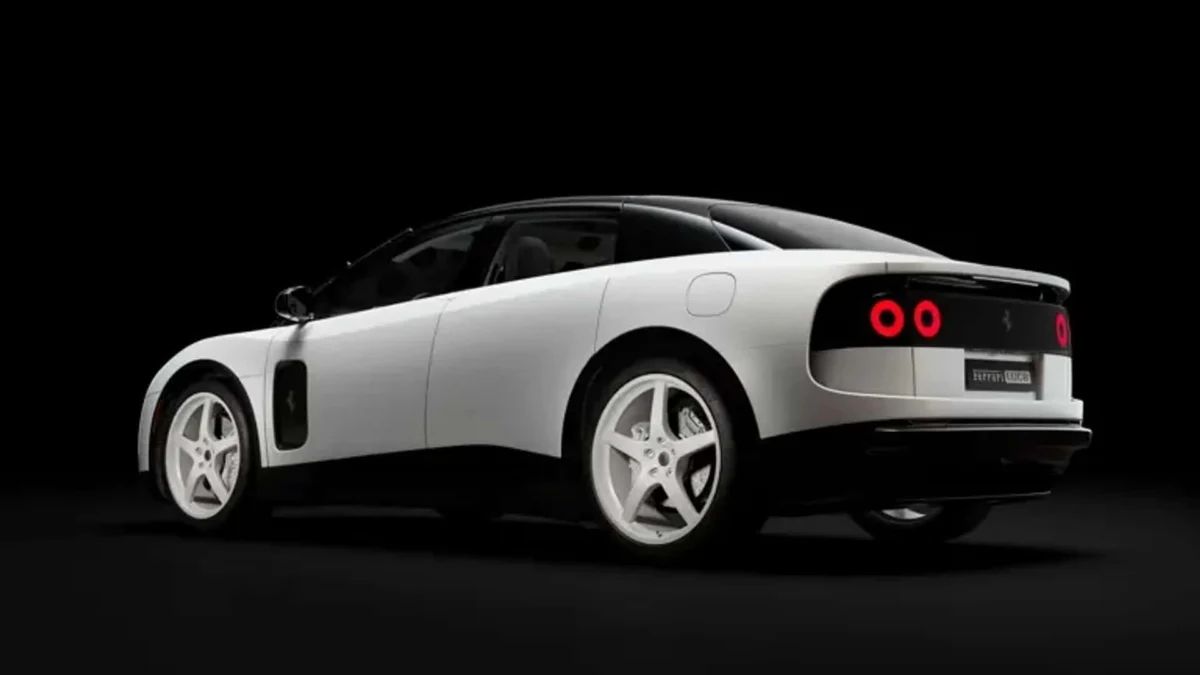
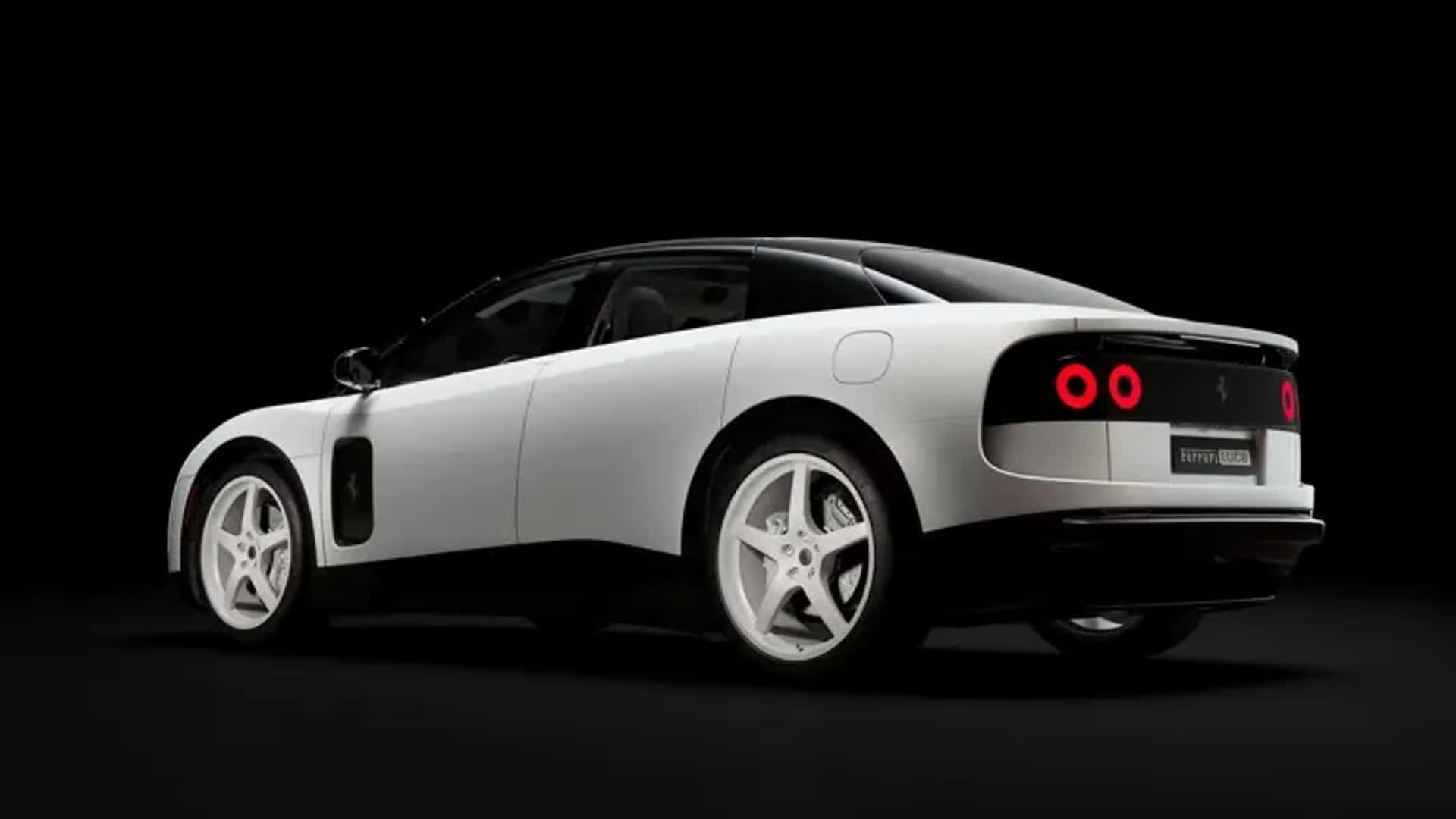
In the rarefied atmosphere of Monterey Car Week, where the air is thick with the scent of high-octane fuel and the sound of multi-million dollar hammer falls, a new, silent titan has emerged. Herbie Wertheim, the billionaire investor and philanthropist, has fundamentally altered the trajectory of the automotive collector market by committing $40 million to the Ferrari Luce "Chassis 0."
This transaction is more than a mere acquisition; it is a seismic event. By purchasing the very first production chassis of Ferrari’s inaugural battery-electric vehicle (BEV), Wertheim has effectively validated the future of the supercar in an electrified world. This sale marks the most expensive brand-new car ever sold at public auction, surpassing the previous benchmarks set by internal combustion legends and cementing the Luce as a cornerstone of modern automotive folklore.
The Significance of Chassis 0: Maranello’s New Mythology
To understand the magnitude of this sale, one must understand the significance of "Chassis 0." In the meticulous world of Ferrari manufacturing, the first chassis off the line is rarely a consumer product. It is a developmental masterpiece, a "halo" build that represents the pinnacle of the factory’s technical capability at the dawn of a new era.
The Luce is not merely another entry in the Ferrari catalog; it is the brand’s definitive statement on the transition to electric propulsion. Chassis 0, curated by Ferrari’s elite "Tailor Made" division and the central design center, stands as a one-of-a-kind artifact. It is a bridge between the storied heritage of the Prancing Horse and the high-voltage future of Maranello. For collectors, owning this specific unit is akin to owning the first page of a new history book. While other Luce models will be built for clients, Chassis 0 is the prototype of the legend—an object that exists outside the standard order book, defined by bespoke materials, unique engineering calibrations, and an intangible "first-off" status that cannot be replicated.
A Chronology of the Sale: From Preview to Record-Breaking Hammer
The road to this historic sale was paved with calculated anticipation. Throughout 2025, Ferrari carefully managed the narrative surrounding the Luce. By providing glimpses of the car’s high-performance specs and design language, the manufacturer ensured that the market understood the vehicle was not merely a design exercise, but a functional, world-class supercar.
The formal auction, conducted by RM Sotheby’s during the fervor of Monterey Car Week, served as the theater for this monumental transaction. The bidding process was fierce, reflecting a growing sentiment among the world’s wealthiest collectors that the "Electric Transition" is not a threat to the hobby, but a new frontier for appreciation.
When the hammer finally fell at $40 million, the room erupted. The sum surpassed the record previously set by the one-off Ferrari Daytona SP3 charity car in 2025. It was a clear signal: the market is not just interested in the Luce; it is obsessed with the prestige of being the first to own the future of the brand. With the broader production run of the Luce effectively sold out before the general public has even had the opportunity to view the vehicle in person, Chassis 0 represented a singular, fleeting chance to secure a piece of history.
Herbie Wertheim: The Man Behind the Milestone
The buyer, Dr. Herbert "Herbie" Wertheim, is no stranger to transformative investments. A billionaire investor and polymath, Wertheim is perhaps best known for his early, prescient stakes in technology giants like Microsoft and Apple. His career has been defined by an ability to identify paradigm shifts before they reach the mainstream.
However, Wertheim is equally recognized for his extensive philanthropic endeavors. His commitment to funding medical research and educational initiatives at universities across the globe provides context for this specific purchase. By participating in this high-profile charity auction, Wertheim has aligned his passion for automotive engineering with his commitment to social progress. All proceeds from the $40 million sale have been pledged to the Ferrari Foundation, which focuses on education and development, ensuring that the legacy of this record-breaking sale extends far beyond the confines of a private garage.
Supporting Data: The Economics of Scarcity
The valuation of $40 million for a new car is unprecedented, but it fits into a broader, well-documented trend in the collector car market. Historically, the most valuable vehicles at auction have been those that represent a "turning point"—the first, the last, or the only one of a specific model.
- The "First" Factor: Just as the first production models of iconic classics like the 250 GTO command astronomical premiums, modern "Chassis 0" designations are becoming the gold standard for high-end investment portfolios.
- The Charity Premium: High-net-worth individuals often use auctions as a vehicle for philanthropy. The $40 million figure reflects a dual incentive: the acquisition of an unparalleled asset and the significant tax and social benefits associated with major charitable donations.
- The Market for "Halo" EVs: The sale demonstrates that the collector market does not view electric vehicles as "disposable" or "appliance-like." Instead, the scarcity of high-performance, design-led EVs has created a new category of "blue-chip" assets that are expected to hold or increase their value as the internal combustion era wanes.
Official Responses and Strategic Implications
Ferrari’s leadership has been careful to frame the Luce and the subsequent sale of Chassis 0 as a strategic pivot rather than a departure from tradition. By involving the Tailor Made team, Ferrari signaled that the Luce is treated with the same reverence as their most exclusive classic models.
"This is not just a car; it is the manifestation of our vision for the next century," a spokesperson for the brand noted following the sale. The move to donate the proceeds to the Ferrari Foundation underscores the company’s intent to portray the Luce as a force for good—a symbol of progress that honors the brand’s heritage while securing its relevance in a carbon-conscious world.
The implications for the broader market are profound. Other luxury manufacturers are undoubtedly watching this sale with intense interest. If the first iteration of a brand’s EV effort can command $40 million, the "Electric Halo" becomes a viable business model for the ultra-luxury segment.
The Future of the Collector Market
As we look toward the next decade, the sale of the Ferrari Luce Chassis 0 will likely be remembered as the moment the electric transition was "crowned" by the collector community. The traditional concerns regarding the longevity of battery technology or the loss of the "soul" of the engine are clearly being outweighed by the raw power of provenance and the prestige of the Ferrari badge.
Collectors are no longer asking if an electric car can be a classic; they are actively competing to define which electric cars will become the classics of the future. The $40 million price tag is not just a number on a board; it is a profound declaration that the passion for the automobile—regardless of what powers it—remains as vibrant and aggressive as it has ever been.
In the final analysis, Herbie Wertheim hasn’t just bought a car. He has invested in the continuity of the Ferrari myth. As the automotive world navigates the shift toward electrification, Chassis 0 stands as a testament to the fact that while the engine may change, the desire to own the absolute pinnacle of human engineering remains a constant, driving force in the world of high-stakes collecting.
The Luce, in its silence, has spoken volumes. And the world, led by the boldest investors, is listening intently.