Nineteen years is a lifetime in the world of travel. It is long enough for a small, obscure fishing outpost to transform into a high-octane tourist hub, and long enough for the memories of a traveler to become distorted by the passage of time. In 2006, Ko Lipe, a tiny island in Thailand’s Adang Archipelago, was the embodiment of the backpacker’s dream: a place of flickering electricity, $2 bamboo bungalows, and a profound, rhythmic silence broken only by the tide.
Returning to the island recently, I was confronted with a reality that mirrors the broader crisis of Southeast Asian tourism. The island I once knew—a quiet, intimate sanctuary—has been replaced by a sprawling, concrete-heavy landscape that serves as a cautionary tale for the dangers of rapid, unchecked development.
The Chronology of a Transformation
In the mid-2000s, Ko Lipe was arguably one of the last frontiers in Thailand. Reaching it was a logistical feat that required persistence, and staying there meant embracing the absence of modern conveniences. There were only five restaurants on the entire island, and the "nightlife" consisted of a single beach bar where travelers would trade stories under a canopy of stars. It was a place where one might arrive for a weekend and find themselves staying for a month, caught in the gravity of its simplicity.
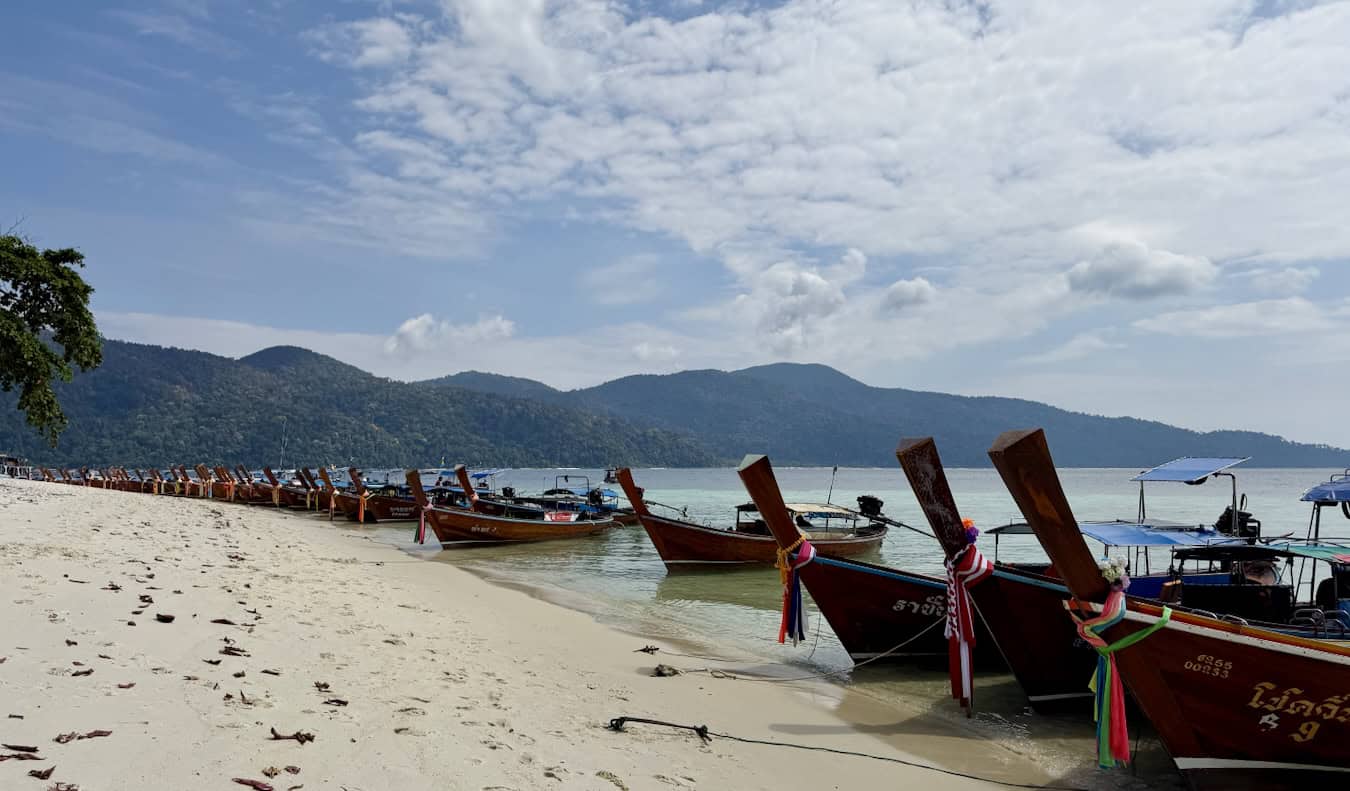
However, the late 2000s and early 2010s marked a pivot point. As digital connectivity and budget airlines shrank the world, the "hidden gem" status of islands like Ko Lipe became their undoing. The subsequent decade saw a rapid acceleration of infrastructure: dirt footpaths were paved to accommodate cars and construction trucks, dense palm groves were cleared to make way for high-end resorts, and the island’s limited freshwater table was tapped to feed swimming pools in a region where water security is a constant struggle.
By 2026, the transformation is complete. The island has adopted the "Ko Phi Phi model"—a trajectory of mass-market tourism that prioritizes volume over sustainability. The silence of 2006 has been replaced by the roar of motorbikes, the drone of construction machinery, and the constant hum of boat engines.
Supporting Data and Environmental Implications
The cost of this development is not merely aesthetic; it is ecological. The marine environment surrounding Ko Lipe, once a pristine ecosystem, is suffering under the strain of over-tourism.
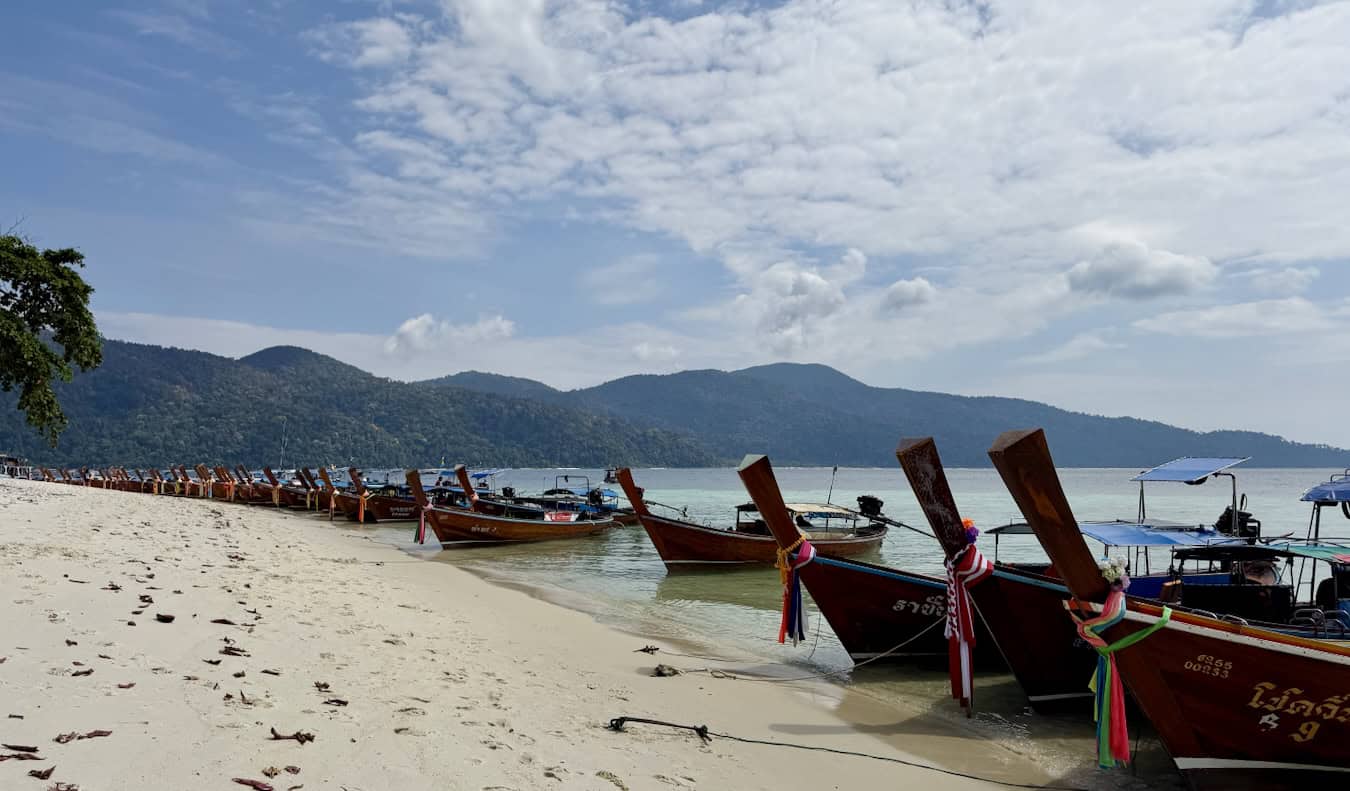
- Marine Degradation: The coral reefs, which once thrived, are now in a state of visible decline. Scientific surveys and local reports point to a trifecta of stressors: physical damage from anchor strikes, nutrient runoff from poorly managed waste systems, and chemical pollution from the dense concentration of longtail boats. The "shiny film" of fuel exhaust on the water’s surface is a visceral reminder of the human cost of accessibility.
- Resource Depletion: As noted, the construction of luxury resorts with swimming pools on an island with no natural water source has placed an unsustainable burden on the local water table. This, combined with the island’s inability to process the sheer volume of solid waste generated by thousands of daily visitors, creates an environmental deficit that the local geography simply cannot balance.
- Socio-Economic Displacement: The economic narrative of the island has also shifted. The original local community, largely comprised of the Urak Lawoi (sea gypsies), has been largely displaced. As land values skyrocketed, many were forced to sell their ancestral holdings to mainland developers. Today, much of the workforce is imported from the mainland, meaning the profits of the tourism boom are largely exported, leaving the island’s original inhabitants on the margins of their own home.
The Paradox of Modern Tourism
It is important to acknowledge why travelers still flock to Ko Lipe. The geography remains objectively stunning. The water retains an azure clarity, the sand is remarkably white, and the proximity to the Tarutao National Marine Park ensures that day-trippers can still find pockets of secluded beauty.
For a first-time visitor, the island can indeed be "postcard perfect." It is objectively less chaotic than the hyper-developed hubs of Phuket or Krabi. However, this comparison is a dangerous metric. By judging Ko Lipe only against the most egregious examples of over-tourism, we set the bar for "acceptable" development far too low. We fall into the trap of praising a slow-motion disaster simply because it hasn’t reached the speed of a total catastrophe yet.
Implications: A Call for Responsible Stewardship
The fundamental implication of this trend is that our choices as travelers possess an inherent, compounding impact. We are no longer mere observers of the destinations we visit; we are active participants in their evolution.
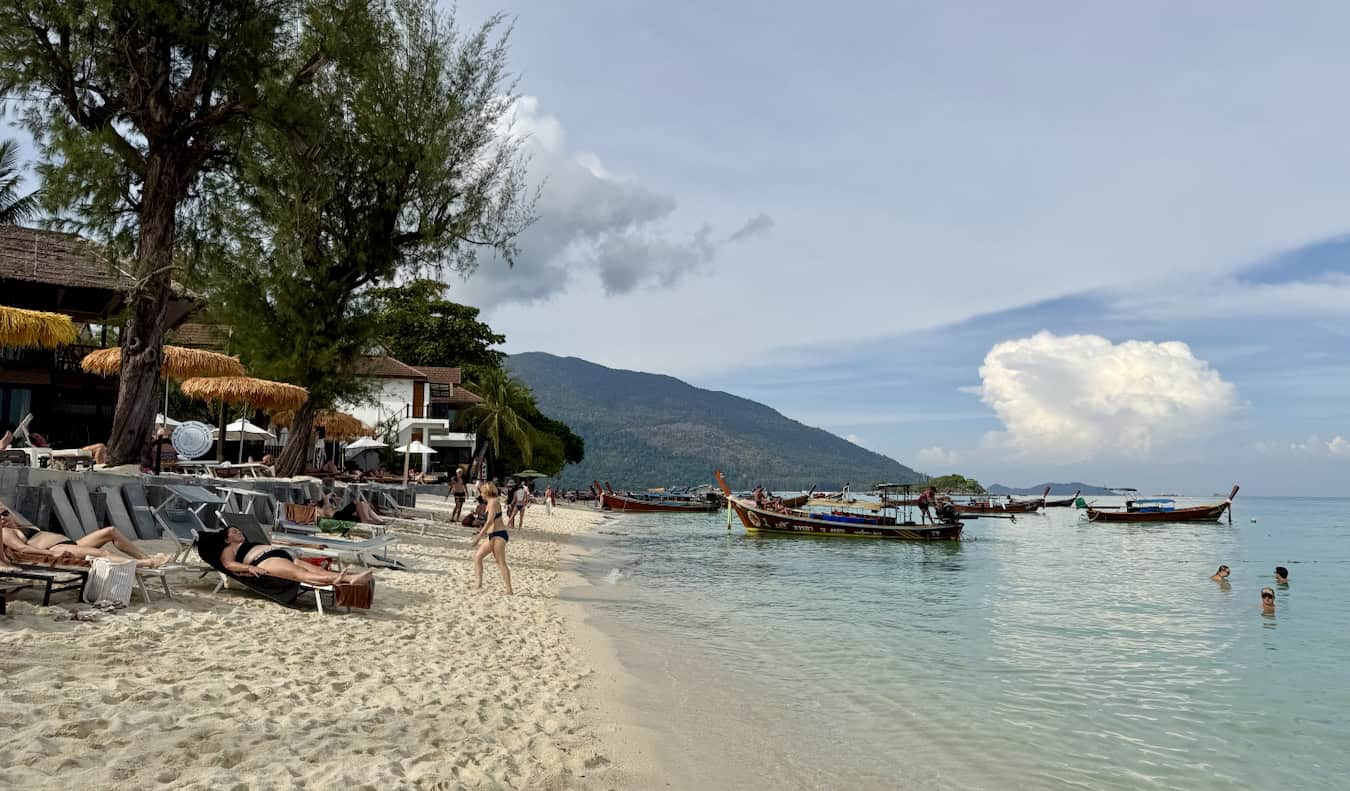
The transition of Ko Lipe from a sanctuary to an overdeveloped transit point demonstrates that once an island is "discovered" by mass tourism, the ability to protect its character is severely diminished. The "genie cannot be put back in the bottle," but the rate of consumption can be dictated by the demand of the traveler.
A New Philosophy of Travel
If we are to be good stewards of the planet, we must embrace a philosophy of "enough is enough." This involves:
- Prioritizing Sustainable Alternatives: There are still corners of the Andaman Sea that remain well-managed and under-visited, such as Ko Lanta, Ko Jum, and Ko Mook. These locations currently prioritize a slower, more deliberate form of tourism that attempts to work within the limitations of the island’s resources rather than against them.
- Conscious Consumption: Consumers hold the power to dictate industry trends. Just as the global outcry against elephant tourism forced a shift in how animal welfare is handled, a collective refusal to support destinations that do not prioritize sustainability can influence development policies.
- Recognizing the Limit of Growth: We must accept that not every location is meant to host a mass audience. Some places are, by their very nature, fragile. To visit them in large numbers is to destroy the very thing we seek to experience.
Conclusion: The Choice to Abstain
It pains me to write this. My original visit to Ko Lipe was a formative experience that defined my understanding of travel and connection. But my return has served as a sobering lesson in the limitations of nostalgia. To advocate for the preservation of a place often means advocating for the right of that place to remain unvisited by the masses.
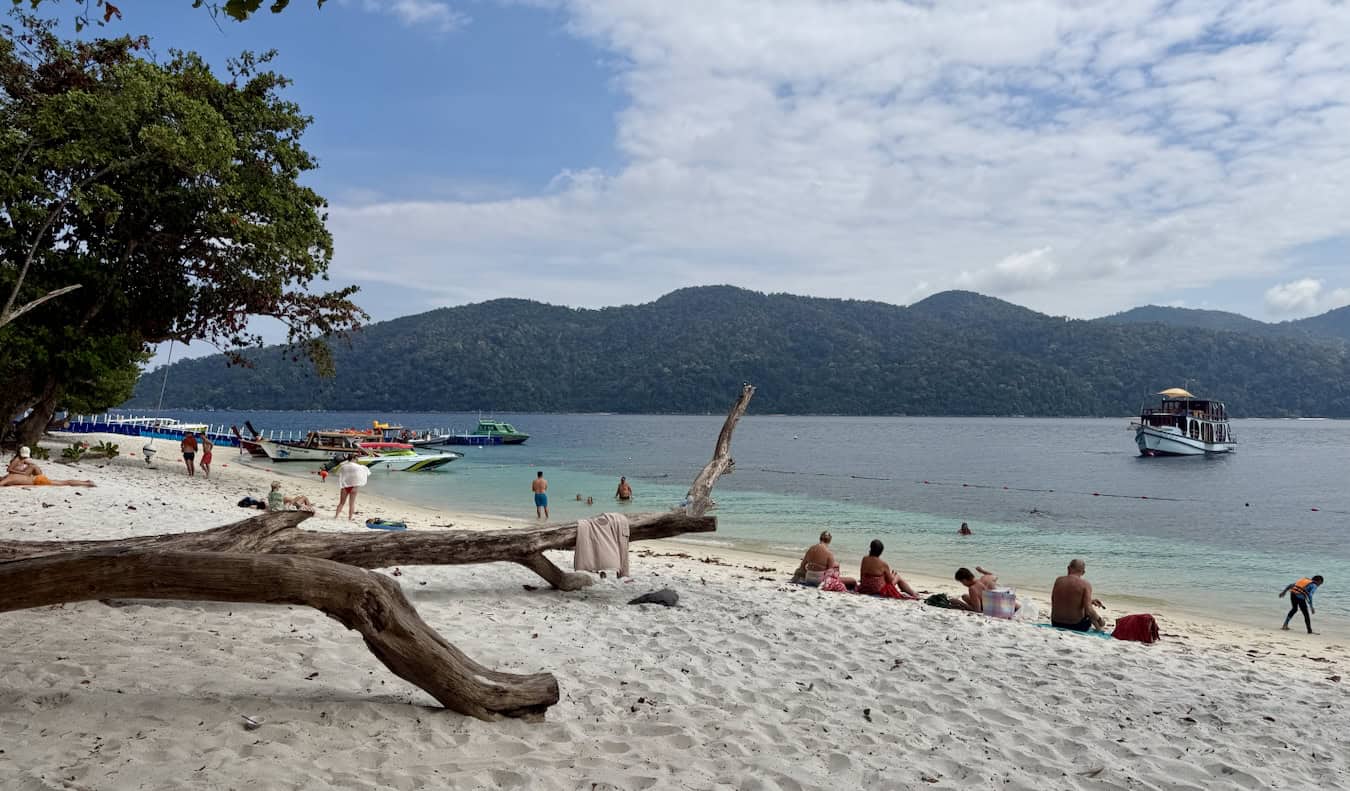
If we continue to flock to overdeveloped, resource-strained islands, we are not just witnessing the destruction of these environments—we are financing it. We are contributing to the displacement of local populations and the degradation of marine life.
Sometimes, the most ethical choice a traveler can make is to stay away. By choosing to visit better-managed destinations, or by opting for travel styles that place a premium on environmental and social impact, we can begin to shift the tide. Ko Lipe is a victim of its own success, but it is also a mirror held up to the global travel community. If we don’t like what we see, we must change our behavior—not in the future, but today. Your travel choices are the most powerful tool you have. Use them to ensure that the next nineteen years of travel are defined by preservation, not exploitation.