CONCORD, Mass. — A quiet, affluent Boston suburb has been plunged into grief and disbelief following the arrest of a 17-year-old boy accused of brutally murdering his mother and younger brother. On Thursday, prosecutors revealed a disturbing digital trail leading up to the tragedy: the teenager allegedly utilized the artificial intelligence chatbot ChatGPT to explore, plan, and indulge in fantasies about slaughtering his family.
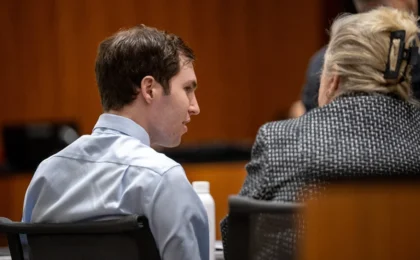
Arjun Aravind, 17, of Acton, was arraigned on Thursday, August 13, 2026, in Concord District Court. He faces two counts of murder, two counts of assault and battery with a dangerous weapon, two counts of assault and battery, use of a vehicle without authority, and theft of a motor vehicle. Because of the severity of the allegations, Aravind has been charged as an adult under Massachusetts law. Standing before the court, the teenager pleaded not guilty to all charges and was ordered held without bail by the presiding judge.
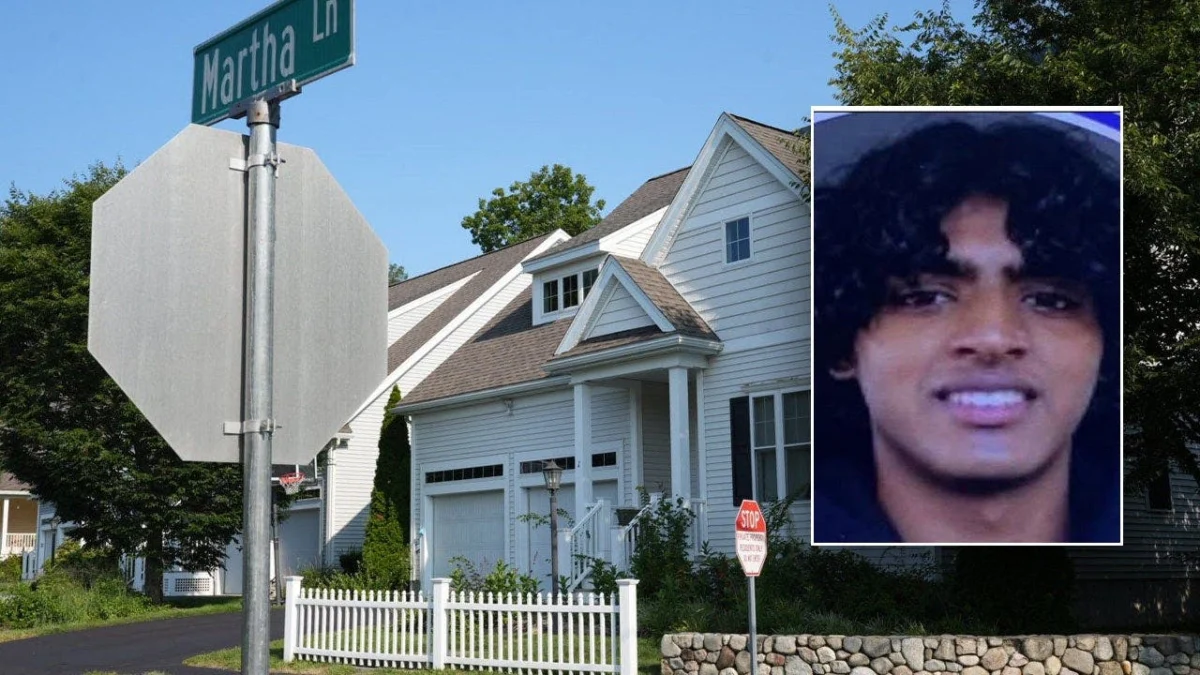
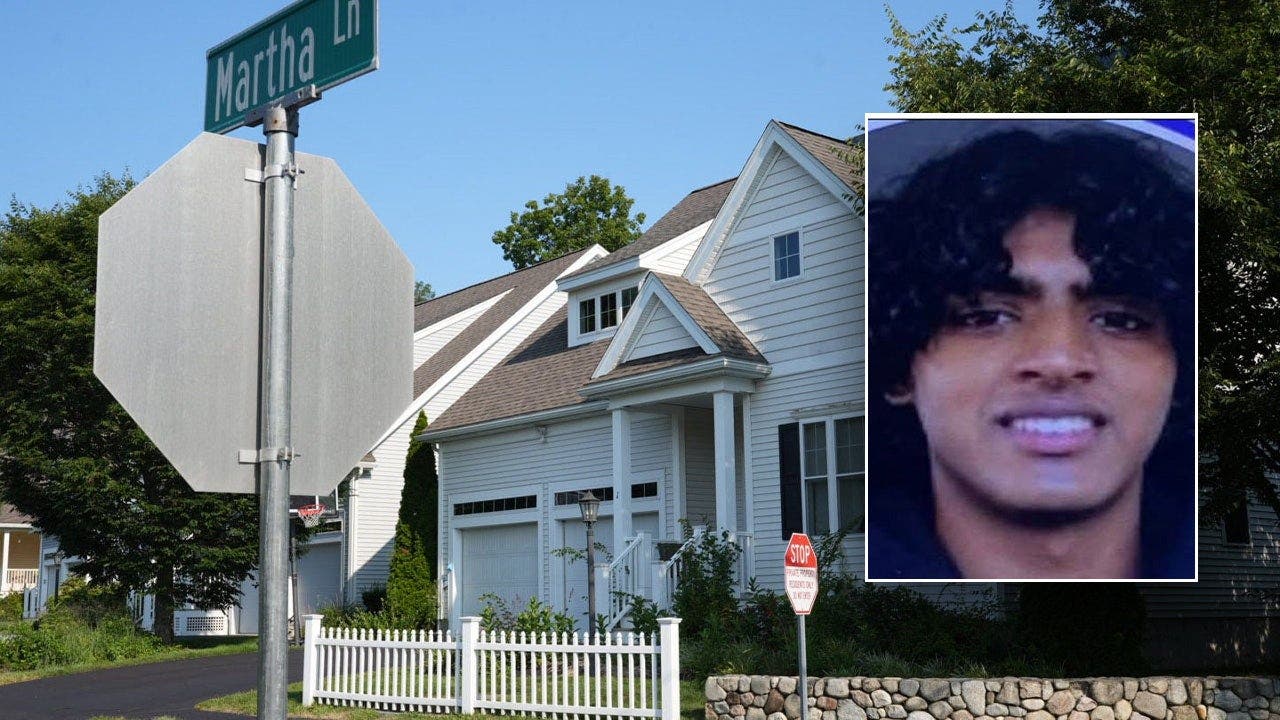
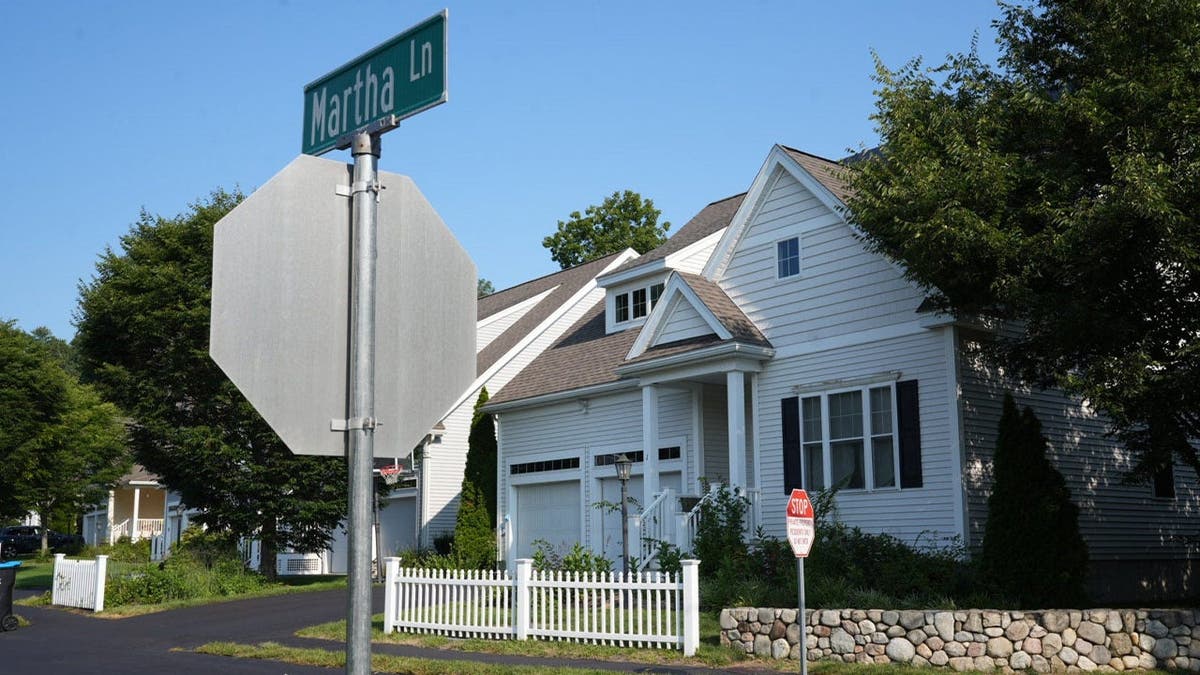
The victims, identified as the suspect’s mother, 45-year-old Sudha Venkatesan, and his 14-year-old brother, Siddharth Aravind, were discovered dead inside their suburban home on Martha Lane on Tuesday evening. The double homicide has sent shockwaves through the close-knit community of Acton, located approximately 30 miles northwest of Boston, known for its high-performing schools and quiet residential neighborhoods.
Chronology of the Tragedy
The events of mid-August 2026 unfolded rapidly, transitioning from an ordinary summer day to a horrific crime scene within a span of less than twenty-four hours.
Tuesday, August 11, 2026: The Fatal Timeline
- 7:00 AM: The suspect’s father leaves the family residence on Martha Lane for his workplace. This is the last time Sudha Venkatesan is seen alive by her husband.
- 9:00 AM: Fourteen-year-old Siddharth Aravind leaves the home to attend activities at a local recreational facility.
- 12:00 PM (Noon): Siddharth returns home to the Martha Lane residence. According to investigators, this is the last time he is accounted for outside the home.
- Afternoon: A private tutor arrives at the home for a scheduled session with one of the children. Despite knocking and attempting to make contact, the tutor is unable to gain entry to the house.
- Late Afternoon: Concerned by the tutor’s report and unable to reach his wife or sons via telephone, the father grows increasingly anxious at work. After repeated, unsuccessful attempts to contact his family, he contacts the Acton Police Department to request a well-being check.
- 6:30 PM: Acton police officers arrive at the Martha Lane residence. Upon entering the home, officers discover a gruesome scene. Siddharth is found dead on the first floor. Officers searching the rest of the house locate the body of Sudha Venkatesan in the finished basement. Investigators immediately note signs of a violent struggle and blunt-force trauma on both victims. The mother’s green Honda Accord is missing from the driveway.
Wednesday, August 12, 2026: Discovery and Apprehension
- Overnight: A multi-jurisdictional search is launched for Arjun Aravind and the missing green Honda Accord.
- 3:40 AM: Police officers in the neighboring town of Wayland, Massachusetts—approximately 15 miles south of Acton—spot the green Honda Accord parked in a local parking lot. Officers approach the vehicle and find Arjun Aravind inside. He is taken into custody without incident.
- Daytime: Investigators process both the crime scene on Martha Lane and the vehicle recovered in Wayland. Middlesex District Attorney Marian Ryan holds a press conference announcing the arrest and revealing the "concerning behavior" discovered in the suspect’s digital history.
Thursday, August 13, 2026: Arraignment and Court Proceedings
- Morning: Arjun Aravind receives medical clearance and treatment for unspecified hand injuries before being transported to Concord District Court.
- Afternoon: Aravind is formally arraigned on multiple felony charges, including two counts of murder. Dressed in court-appointed attire and flanked by his defense counsel, he enters a plea of not guilty. The prosecution presents preliminary forensic and digital evidence, and the judge orders him held without bail pending a probable cause hearing scheduled for September 11, 2026.
Supporting Data and Investigative Findings
The investigation into the double homicide has yielded a combination of forensic evidence and highly unusual digital footprints that prosecutors argue point to premeditation.
Digital Footprints: The Role of ChatGPT
Among the most startling revelations presented by the prosecution is Arjun Aravind’s internet activity leading up to the killings. Middlesex District Attorney Marian Ryan confirmed that investigators recovered search histories showing that the suspect had been utilizing OpenAI’s generative AI platform, ChatGPT, to explore highly dark and violent concepts.
According to Ryan, Aravind used the AI chatbot to "make searches including for theoretical ideas or fantasies regarding killing his family." The suspect reportedly queried the system regarding fictional scenarios, tactical execution, and theoretical frameworks surrounding parricide and family annihilation. While generative AI models are typically programmed with safety guardrails to block explicit prompts regarding violence or illegal acts, investigators are examining how the suspect bypassed these restrictions or structured his queries to elicit responses.
Pre-Incident Domestic Concerns and Forensic Evidence
Court documents paint a picture of a household that was experiencing escalating tension and quiet desperation. According to reports obtained by CBS News Boston, the suspect’s father had become deeply alarmed by his son’s erratic behavior and suspicious internet browsing history in the weeks preceding the attack.

In a desperate bid to ensure the safety of the household, the father had reportedly begun hiding knives and other sharp implements throughout the home. This preemptive measure, however, was tragically insufficient to prevent the violence that transpired on August 11.
The physical evidence recovered from the Martha Lane home indicates a highly volatile and physically demanding encounter. Responding officers reported signs of a violent physical struggle spanning multiple floors. Preliminary forensic examinations indicated that both Sudha Venkatesan and Siddharth Aravind died from blunt-force trauma, though official autopsies from the Office of the Chief Medical Examiner are still pending to determine the exact cause and manner of death.
Furthermore, upon arresting Aravind in the parking lot in Wayland, police searched the mother’s green Honda Accord. Inside the vehicle, investigators recovered several physical items that they believe directly correspond with forensic evidence gathered at the primary crime scene. The suspect himself bore physical signs of the struggle, requiring medical treatment for hand injuries prior to his court appearance.
Official Responses and Legal Perspectives
The gravity of the crime has drawn responses from law enforcement, the prosecution, and the defense, each highlighting different facets of the tragedy.

Prosecution and Law Enforcement Statements
Middlesex District Attorney Marian Ryan emphasized the methodical nature of the investigation and the tragedy of a family torn apart from within. "This is a profound tragedy for the family and the entire Acton community," Ryan stated during her briefing. She characterized the digital evidence, particularly the ChatGPT queries, as a critical component of the state’s case, demonstrating a premeditated focus on violence against his household.
Acton Police Chief Douglas Sturniolo expressed his condolences to the surviving family members and focused on community recovery. Chief Sturniolo confirmed that local police departments have been working closely with Acton-Boxborough regional schools to activate crisis counseling and mental health support services for students and residents affected by the news, noting that the younger victim was a student in the local school district.
Defense Strategy and Mental Health Concerns
Arjun Aravind’s defense attorney, Debra DeWitt, provided context regarding the family’s history, noting that they had recently relocated to the affluent suburb of Acton. According to DeWitt, the family chose the town specifically for its highly rated public school system and to establish a robust support network for their children.
Following the arraignment, DeWitt formally requested that the court order a comprehensive forensic mental health evaluation for her client. When questioned by the presiding judge as to whether the evaluation was intended to assess Aravind’s competency to stand trial or his criminal responsibility at the time of the offense, DeWitt stated that those determinations would be made following the initial psychiatric assessment.
Broader Implications: AI Guardrails and Juvenile Justice
The Acton double homicide touches upon several highly debated societal and legal issues, ranging from the efficacy of artificial intelligence safety protocols to the complexities of prosecuting minors as adults.
Generative AI and the Challenge of Content Moderation
The revelation that a teenager allegedly used ChatGPT to explore and refine fantasies about murdering his family is likely to intensify scrutiny on tech giants and AI developers. OpenAI, the creator of ChatGPT, maintains strict usage policies that explicitly prohibit the generation of violent, hateful, or illegal content. The system employs reinforcement learning from human feedback (RLHF) and automated classifiers to detect and block harmful prompts.
However, safety researchers have long warned of "jailbreaking" techniques—the practice of using complex, hypothetical, or role-play prompts to bypass an AI’s ethical guardrails. If Aravind successfully utilized ChatGPT to explore violent fantasies under the guise of "theoretical or fictional scenarios," it highlights a critical vulnerability in how large language models (LLMs) interpret intent. This case is expected to prompt renewed calls for regulatory oversight and more robust safety standards for consumer-facing AI products. Fox News Digital has reached out to OpenAI for comment regarding the case and their platform’s safety protocols.
Massachusetts Juvenile Prosecution Framework
Under Massachusetts General Laws, any juvenile aged 14 to 17 who is charged with first-degree or second-degree murder is automatically tried as an adult in the Superior Court system. This statutory requirement reflects the state’s tough stance on violent crime, bypassing the juvenile court’s focus on rehabilitation in favor of adult criminal liability and sentencing guidelines.

If convicted of first-degree murder, Aravind could face life imprisonment. However, due to landmark rulings by the Massachusetts Supreme Judicial Court and the U.S. Supreme Court regarding juvenile sentencing, life without the possibility of parole for individuals who committed crimes as minors is unconstitutional in Massachusetts. Consequently, even if convicted as an adult, Aravind would eventually be eligible for a parole hearing after a legally prescribed period, typically ranging from 20 to 30 years.
Suburban Isolation and Community Healing
The tragedy also underscores the unpredictable nature of domestic violence and mental health crises in affluent communities. Acton, with its manicured lawns and top-tier schools, represents an environment where domestic struggles are often kept behind closed doors. The revelation that the suspect’s father felt compelled to hide knives inside the home suggests a family living in silent terror, struggling to manage a deteriorating situation before it erupted into public view.
As the legal process moves forward, the community of Acton face the difficult task of mourning a mother and a young teenager while grappling with the disturbing details of the crime. Arjun Aravind remains in custody, with his next court appearance scheduled for the September 11 probable cause hearing, where more details regarding the forensic analysis and his digital history are expected to be disclosed.