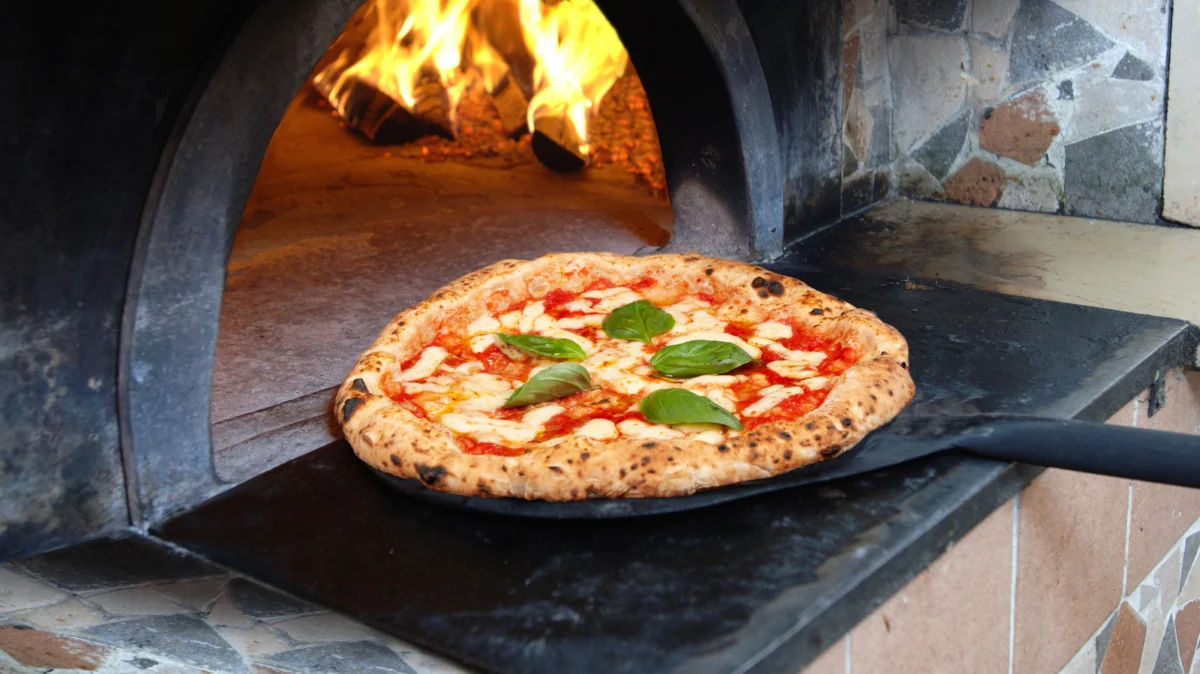
For the uninitiated, pizza is a global convenience food. But in Naples, Italy, pizza is a religion, a historical artifact, and a source of fierce civic pride. As the undisputed birthplace of the margherita, Naples maintains a standard for dough, sauce, and cheese that remains the benchmark for the rest of the world. Yet, with thousands of pizzerias operating within the city limits, finding the "best" pie is a Herculean task that can overwhelm even the most seasoned culinary traveler.
To cut through the noise, I spent an entire month in Naples, navigating the bustling, sun-drenched streets of the Centro Storico and beyond. By relying on local recommendations, digital consensus, and extensive, caloric-heavy fieldwork, I have curated a definitive guide to the city’s most essential pizzerias.
The Foundations of Neapolitan Excellence
Before diving into specific establishments, it is vital to understand what differentiates a true Neapolitan pie from its Roman or American counterparts. Neapolitan pizza is characterized by a "soupy" center, a pillowy, airy crust known as the cornicione, and the use of high-quality, often D.O.P. (Protected Designation of Origin) ingredients.
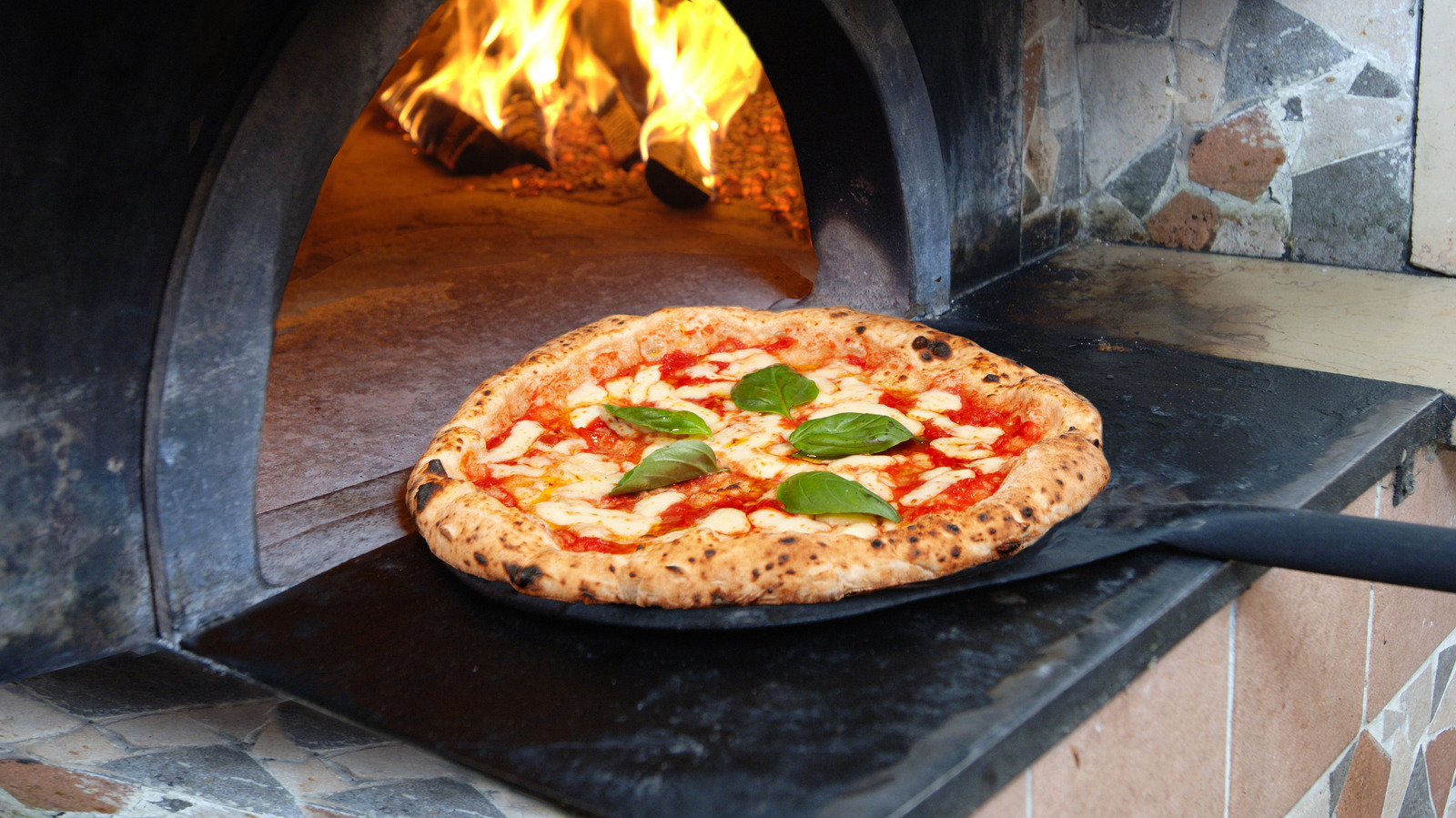
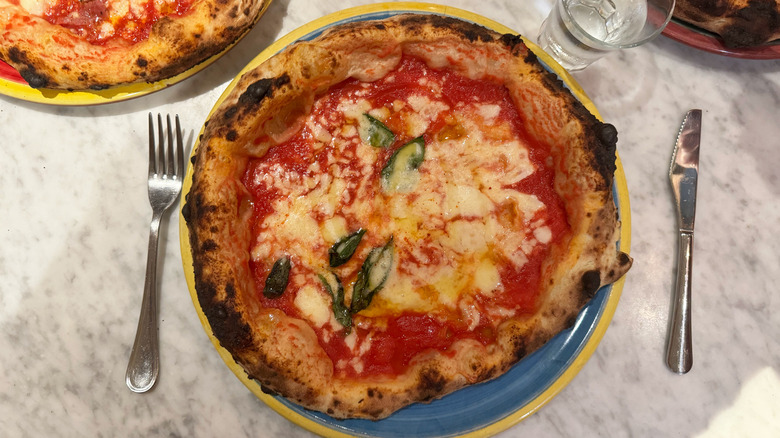
The crust is typically subjected to a high-heat, short-duration blast in a wood-burning oven, resulting in a soft, elastic texture with characteristic "leopard spotting" or char. Unlike the crispy, cracker-like crusts found in Rome, a Neapolitan pie is often served folded—the portafoglio style—or consumed with a knife and fork due to its delicate structure.
Chronology of the Craft: From Historic Halls to Modern Innovators
The history of pizza in Naples is a timeline of culinary evolution. While the street food culture of the city dates back centuries, the formalization of the pizzeria began in the 18th century.
1. L’antica Pizzeria da Michele: The Temple of Tradition
Established in 1870, L’antica pizzeria da Michele is arguably the most famous pizzeria on the planet. It operates on a philosophy of extreme simplicity: only four pizzas are available—margherita, marinara, cosaca, and a half-and-half hybrid.
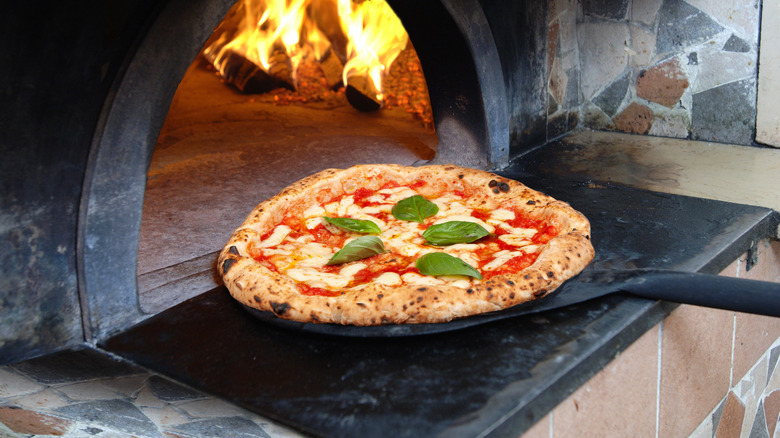
The Experience: Visitors should prepare for a wait. The system is efficient but intense: arrive, join the queue, and secure a numbered ticket. The dining experience is utilitarian, focusing entirely on the product.
The Flavor Profile: The pies here are massive. The crust is a cloud-like marvel—slightly salty with distinct pockets of char that provide a smoky crunch against the soft, pillowy interior. The sauce is bright and acidic, made from fresh tomatoes that cut through the richness of the chewy, high-quality mozzarella. At just €6.50, it remains one of the most honest culinary experiences in Italy.
2. Pizzeria Port’Alba: The Elder Statesman
Tracing its roots back to 1738, Port’Alba is widely recognized as the oldest continuously operating pizzeria in Naples. Tucked away on a cobblestone street near an ancient city gate, it offers a window into the past. Unlike the minimalist approach of other historic spots, Port’Alba functions as a full-service restaurant, offering pasta, fish, and salads alongside its signature pies.
The Flavor Profile: The crust here is notably sturdier than its rivals, offering a structural integrity that makes it feel slightly more substantial. It lacks the intense "flop" of contemporary styles, making it a perfect entry point for those accustomed to American-style pizza who might find the softer, wetter Neapolitan crusts initially disconcerting.
3. Sorbillo: The Modern Icon
Opening its doors in 1935, Sorbillo has evolved from a local family business into a global brand with locations spanning from Milan to Tokyo. Despite its international reach, the original location in the Centro Storico remains a must-visit.
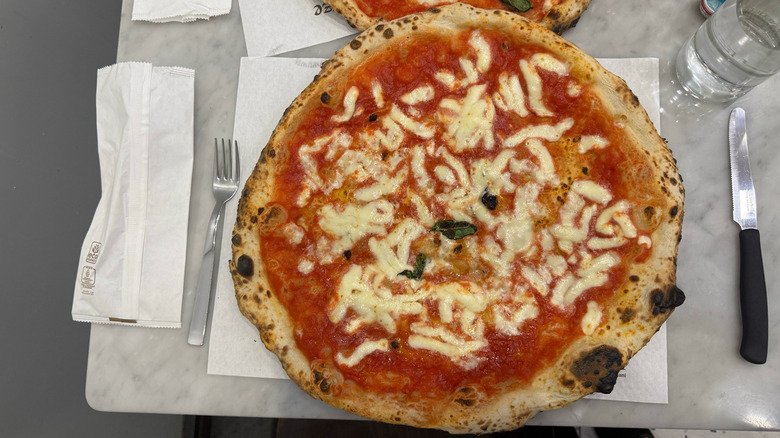
The Flavor Profile: Sorbillo is known for an ultra-thin, highly elastic crust. It is incredibly delicate and notoriously floppy, almost mandating the use of a knife and fork. What sets Sorbillo apart is the generosity of the toppings; it features a higher ratio of mozzarella and fresh basil than its competitors, balanced by a bold, punchy tomato base. They also cater to modern dietary requirements, offering excellent gluten-free options.
4. Concettina ai Tre Santi: The Renegade
Located in the Sanità district, a neighborhood that has historically been off the typical tourist path, Concettina ai Tre Santi has been operating since 1951. It represents the "new wave" of Neapolitan pizza—one that respects tradition but isn’t afraid to innovate with ingredients and techniques.
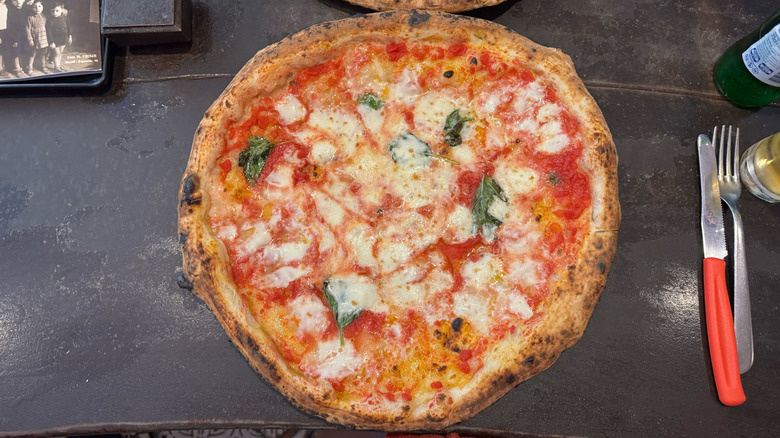
The Flavor Profile: The pizza here offers a "dairy-forward" profile. The crust, while soft and blistered, carries a distinct smokiness that complements the high-quality olive oil drizzled post-bake. A notable touch is the inclusion of red pepper flakes in the sauce, providing a subtle, warming kick that elevates the classic margherita into something more complex.
5. 50 Kalò: The Slow Food Masterpiece
50 Kalò is the brainchild of Ciro Salvo, a pizzaiolo who has become a celebrity in the culinary world. The name itself is a nod to ancient Neapolitan slang for "good dough."
The Methodology: Salvo’s approach is rooted in the "Slow Food" movement. He utilizes a high-hydration dough that undergoes a long, slow fermentation process. This creates a crust that is remarkably light and airy, seemingly defying physics.
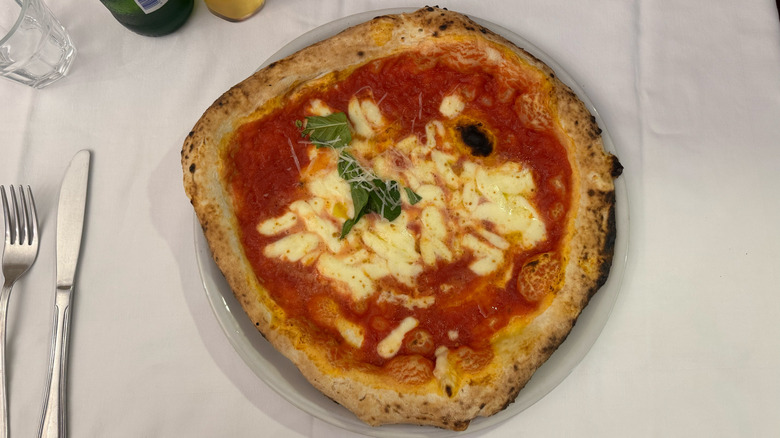
The Flavor Profile: The crust is the main event. It is pale, delicate, and lacks the heavy, yeasty weight of lesser doughs. Because the crust is so neutral and refined, it allows the seasonal, high-quality ingredients—the tomatoes, the buffalo mozzarella, the extra virgin olive oil—to take center stage.
Supporting Data: The Anatomy of the Perfect Margherita
To ensure a fair comparison, I adopted a strict methodology: I ordered only the margherita at every establishment. This controlled variable allowed me to measure three critical factors:
- The Fermentation: Observed through the presence of air pockets in the cornicione and the absence of a "heavy" feeling after eating.
- The Sauce-to-Cheese Ratio: Evaluated by how well the acidity of the tomatoes balanced the fat content of the buffalo or fior di latte mozzarella.
- The Char: Measured by the balance between the "leopard spotting" and the overall softness of the base.
While all the pizzerias on this list consistently scored high, 50 Kalò and Concettina ai Tre Santi displayed the most sophisticated fermentation techniques, while Da Michele remained the gold standard for traditional, uncompromising simplicity.
Implications for the Future of Pizza
The shift toward high-hydration, long-fermented doughs—as seen at 50 Kalò—suggests that the future of Neapolitan pizza is moving toward digestibility. As global awareness of gluten sensitivity and gut health increases, the traditional "heavy" pizza of the past is being replaced by these lighter, more scientific approaches.
Furthermore, the expansion of these family-run businesses into global markets proves that the "Neapolitan style" is no longer a localized phenomenon. However, the implication remains: while you can replicate the recipe in London or New York, the ambient humidity, the specific mineral content of the Neapolitan water, and the historic heat of the Vesuvian volcanic stones in the ovens remain difficult to recreate outside the city.
Final Recommendations for the Traveler
If you are planning a trip to Naples to sample these offerings, keep the following in mind:
- The Wait: Expect to wait in line at every one of these locations. Do not view the line as a deterrent; in Naples, a long line is a reliable indicator of quality.
- The "No-Wine" Policy: Some of the most traditional spots, like Da Michele, focus exclusively on beer and soda. Do not go expecting a complex wine pairing; the pizza is the star, and the beverage is merely a palate cleanser.
- Embrace the Flop: If you are used to a stiff slice, let go of your expectations. Neapolitan pizza is designed to be eaten with a knife and fork. Embrace the texture—it is part of the charm.
Naples is a city of layers, and its pizza is no different. Whether you prefer the historic, robust char of Pizzeria Port’Alba or the scientific, airy precision of 50 Kalò, you are participating in a tradition that has sustained a city for centuries. Take your time, eat with abandon, and remember: in Naples, the pizza is not just a meal—it is a piece of history.