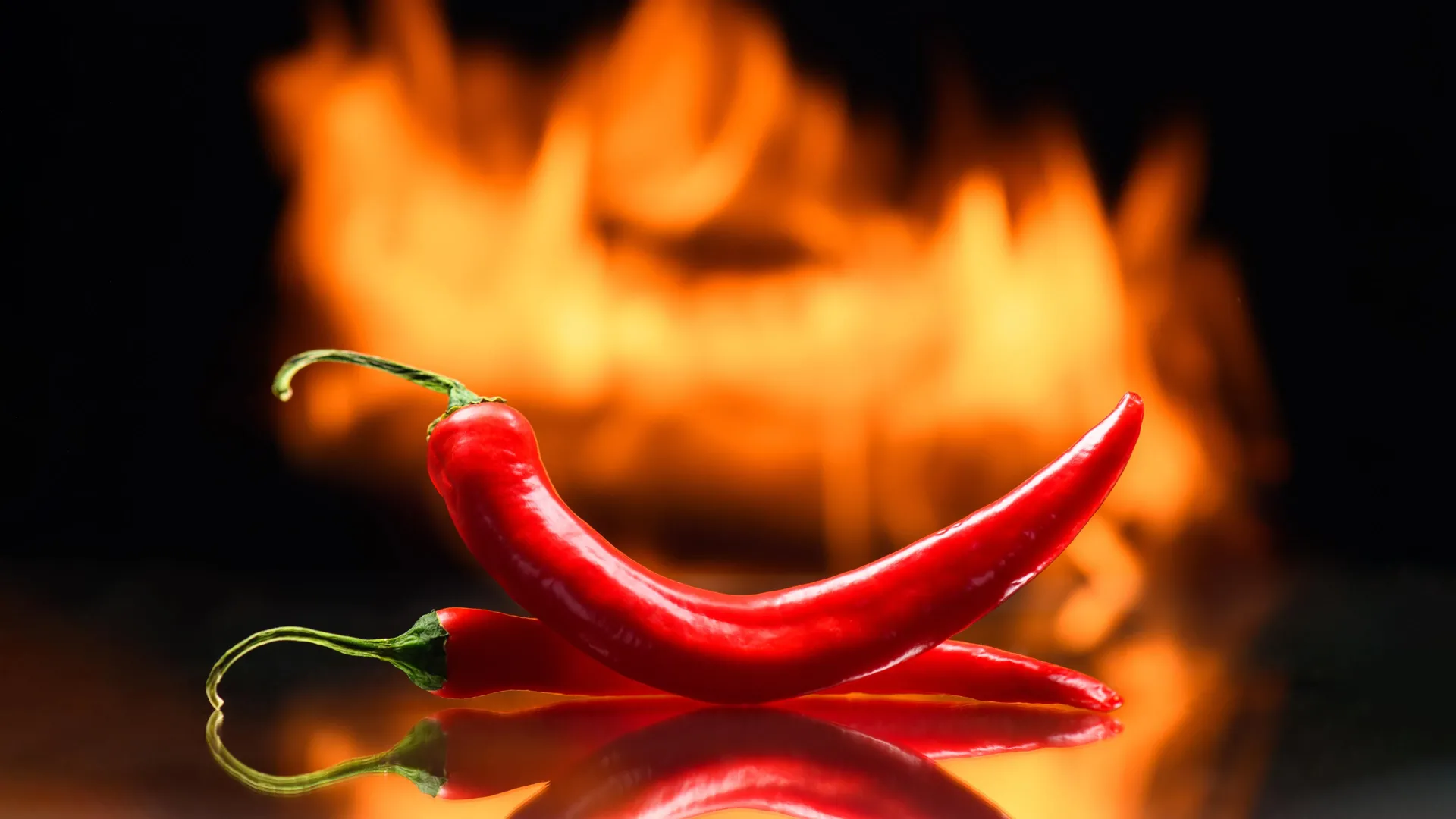
For billions of people across the globe, the inclusion of chili peppers in a daily diet is more than a culinary preference; it is a cultural cornerstone. From the fiery curries of South Asia and the complex moles of Mexico to the piquant stews of West Africa, chili peppers provide a signature heat that defines regional identities. However, for years, a lingering scientific debate has cast a shadow over this ubiquitous ingredient: Does the very substance that adds vitality to our meals carry a hidden risk for our long-term health?
New research published in Frontiers in Nutrition has reignited the conversation, suggesting that while chili peppers contain compounds with potential anticancer properties, excessive consumption may be linked to a higher incidence of specific gastrointestinal cancers. As the scientific community continues to parse through contradictory data, the relationship between capsaicin—the chemical responsible for the “burn”—and human health remains a profound, yet unresolved, puzzle.
The Main Facts: A Statistical Tug-of-War
The latest comprehensive review synthesized data from 14 observational studies, encompassing more than 11,000 participants, of which over 5,000 had been diagnosed with gastrointestinal (GI) cancers. The findings were stark: individuals with the highest intake of chili peppers were approximately 64% more likely to develop gastrointestinal cancers compared to those who consumed the least.
The most significant correlation was observed in esophageal cancer, where heavy consumers faced a risk nearly three times higher than their counterparts. While the data for stomach and colorectal cancers were less definitive, they still hinted at a potential trend toward increased risk among heavy users.
However, the scientific community is quick to emphasize that correlation is not causation. The study underscores a "spicy paradox": in laboratory settings, capsaicin has been shown to induce apoptosis (programmed cell death) in cancer cells and modulate inflammation. Yet, in human observational studies, the results often skew in the opposite direction. This discrepancy highlights the complexity of nutrition science, where the difference between a protective nutrient and a potential carcinogen may depend on dosage, frequency, and the environmental context of the consumer.
A Chronological Perspective: Decades of Debate
The history of capsaicin research is marked by oscillating conclusions. For decades, researchers have been fascinated by the chemical properties of Capsicum annuum.
- The Early Interest (1980s–1990s): Initial laboratory studies focused on the antioxidant and anti-inflammatory properties of capsaicin. Scientists were optimistic that this compound could serve as a therapeutic agent, potentially reducing metabolic syndrome and inhibiting tumor growth.
- The Shift in Human Observations (2000s): As epidemiological data began to accumulate, particularly from high-consumption regions in Asia, researchers noted a surprising correlation between high intake of spicy foods and an increased prevalence of esophageal squamous cell carcinoma.
- The Integrative Review Era (2010–Present): The recent surge in “umbrella reviews” and meta-analyses has attempted to harmonize these conflicting findings. The latest review in Frontiers in Nutrition represents the most current effort to aggregate years of disparate data, providing a clearer—though still cautious—roadmap for future inquiry.
Supporting Data: Regional Disparities and Biological Vulnerability
One of the most intriguing aspects of the study is the geographical divide in the data. Researchers observed that the association between chili consumption and cancer risk was notably higher in studies conducted in Asia, Africa, and North America. Conversely, data originating from Europe and South America frequently showed no increased risk, or in some instances, a protective effect.
Why Regional Context Matters
This variability suggests that the “chili factor” cannot be viewed in isolation. Several confounding variables are likely at play:
- Preparation Methods: How peppers are processed—whether they are dried, fermented, pickled, or fresh—significantly alters their chemical profile.
- Genetic Predisposition: Different populations may possess variations in the genes that govern how the body metabolizes capsaicin and repairs cellular damage in the digestive tract.
- Lifestyle Synergies: The researchers pointed out that in many regions, high chili intake is coupled with other lifestyle factors, such as smoking, alcohol consumption, and exposure to specific dietary carcinogens like nitrates or aflatoxins, which may exacerbate the irritation caused by capsaicin.
The Vulnerability of the Esophagus
Why does the esophagus bear the brunt of the risk? Scientists hypothesize that the esophagus, which is lined with delicate squamous epithelium, is uniquely sensitive to the physical and chemical irritation caused by spicy food. Capsaicin activates TRPV1 receptors—the same sensors that detect heat and pain. Chronic activation of these receptors through frequent, high-dose exposure may lead to sustained tissue inflammation. Over time, this constant “stress” on the cells may impair the mucosal lining’s ability to repair itself, creating a microenvironment more conducive to malignant transformation.
Official Responses and Scientific Nuance
The scientific consensus remains remarkably measured. Organizations that monitor cancer research, such as the International Agency for Research on Cancer (IARC), have not categorized chili peppers as a definitive carcinogen. Instead, they emphasize that the evidence is "inconsistent."
Leading researchers involved in the review suggest that the "dose makes the poison." It is currently unknown if there is a threshold of consumption beyond which the risk increases significantly. For the average consumer, the occasional spicy meal is vastly different from the high-frequency consumption patterns analyzed in these studies.
Furthermore, broader meta-analyses have highlighted the potential health benefits of spicy foods, including lower risks of cardiovascular disease and reduced mortality rates. The challenge for the medical community is to reconcile these findings. It is possible that for a healthy individual, the cardiovascular benefits of capsaicin outweigh the potential risks to the gastrointestinal tract, while for an individual with existing esophageal sensitivities, the opposite may be true.
Implications: Navigating the Spice Rack
For the public, these findings do not necessarily warrant a purge of the spice cabinet. Rather, they serve as a reminder of the need for nutritional nuance.
Recommendations for the Informed Consumer
- Moderation is Key: While a diet rich in vegetables and fiber remains the gold standard, there is no evidence to suggest that moderate consumption of chili peppers is harmful. The risk identified in the studies was primarily associated with the highest intake brackets.
- Monitor Individual Sensitivities: Individuals with a history of acid reflux, esophageal irritation, or gastrointestinal sensitivity should be more mindful of their intake of extremely spicy foods, as these pre-existing conditions may exacerbate the potential risks discussed in the research.
- Look at the Full Plate: Cancer risk is rarely determined by a single ingredient. The protective effects of an overall healthy diet—rich in antioxidants, vitamins, and minerals—likely act as a buffer. Focusing on high-quality, whole-food ingredients remains the most effective way to manage systemic health.
The Future of Research
The path forward requires more than just observational data. To move beyond the current impasse, researchers are calling for longitudinal studies that track individuals over decades, controlling for variables such as smoking, alcohol intake, and socioeconomic status. Furthermore, clinical trials are needed to determine if the anti-inflammatory benefits of capsaicin can be isolated and utilized without the irritant effects on the esophageal lining.
In conclusion, the debate over chili peppers and cancer is a microcosm of modern nutritional science: a blend of potential benefit and latent risk. While we wait for more rigorous, long-term studies to provide a definitive answer, the best approach is to embrace the variety of the human diet while remaining attuned to the body’s signals. For now, the fiery heat of the chili pepper remains a celebrated, albeit complex, part of the human experience—one that reminds us that even our favorite foods are subject to the rigors of scientific investigation.