The fast-food landscape has been transformed over the last decade by what industry analysts have dubbed the "Chicken Sandwich Wars." What was once a menu afterthought has evolved into a flagship product, a bellwether for a brand’s culinary integrity, and a high-stakes battleground for customer loyalty. Two heavyweights occupy this arena: the Louisiana-born icon, Popeyes, and the Midwestern staple, Culver’s. While Popeyes has long been hailed as the gold standard for Southern-style fried chicken, Culver’s has quietly built a reputation for high-quality, made-to-order fare that challenges the status quo.
In an effort to determine which chain truly reigns supreme, we conducted a comprehensive comparative analysis of the Popeyes Classic Chicken Sandwich and the Culver’s Crispy Chicken Sandwich. Through a rigorous taste test—evaluating everything from structural integrity during transport to the nuance of the breading profile—we aimed to look past the marketing hype and into the reality of the lunchbox.
Methodology: A Scientific Approach to Comfort Food
To ensure an equitable assessment, the testing parameters were strictly defined. Both sandwiches were purchased in the same afternoon to account for potential variations in supply chain freshness. To understand the true "shelf-life" of a modern fast-food sandwich, two units were acquired from each establishment: one to be consumed immediately on-site, and a second to be transported over a 10-minute drive, simulating the common consumer experience of taking takeout home.
The criteria for evaluation were multifaceted:
- Structural Integrity: How did the sandwich hold up during the transit process? Did the breading turn soggy or the bun lose its structural form?
- Flavor Profile: We assessed the balance of sodium, acidity, and protein quality. We looked for a hierarchy of flavors rather than a singular, overwhelming note of salt or grease.
- Textural Analysis: This included the "pinch test" on the crumb of the bun, the crunch factor of the breading, and the moisture level of the poultry.
- Ingredient Composition: We examined the quality of the fresh toppings (lettuce and tomato) versus the efficacy of the condiments (mayo and pickles).
Chronology of the Experience
The Popeyes Classic Chicken Sandwich
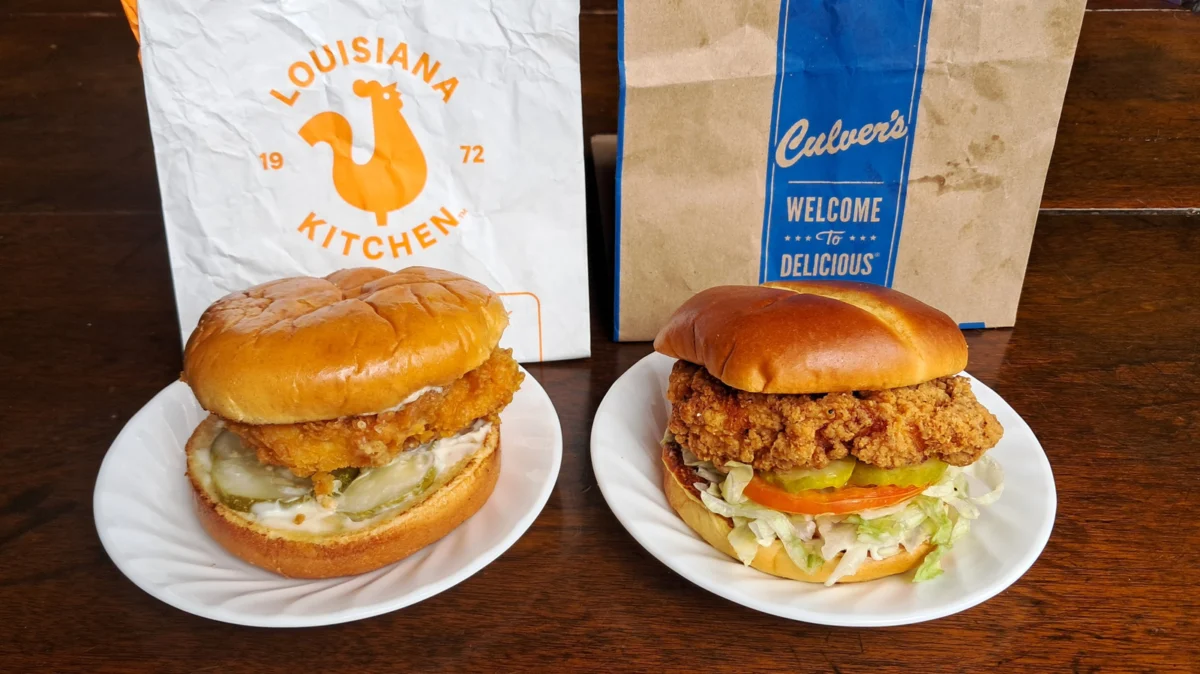
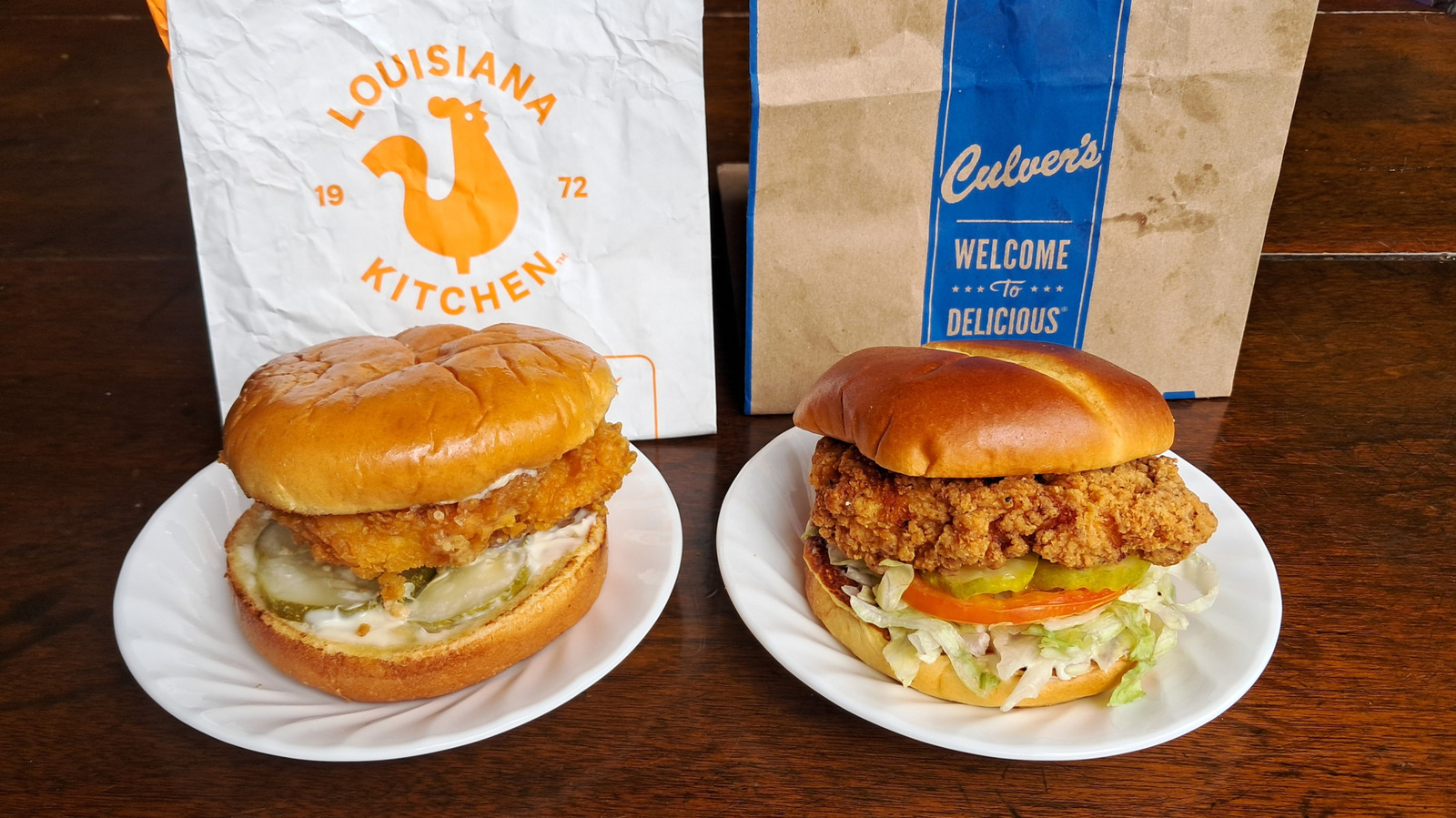
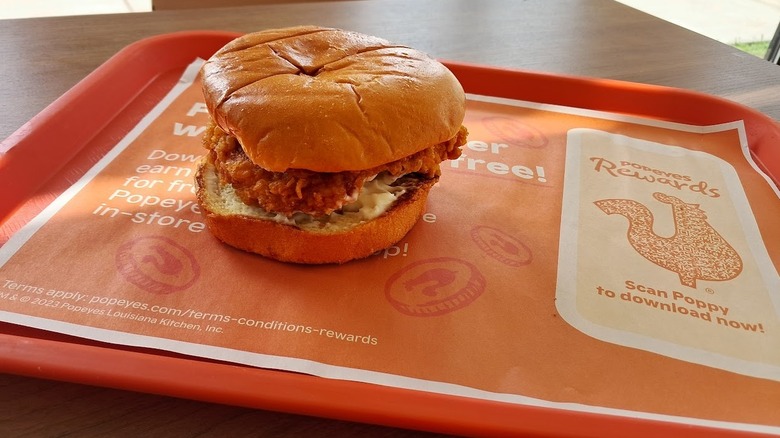
Upon arrival at Popeyes, the Classic Chicken Sandwich—long touted as the gold standard of the segment—presented as a visually simple, minimalist offering. Priced at approximately $6.00 and weighing in at 8.5 ounces, the sandwich features a substantial, thick-cut piece of white-meat chicken breaded in a proprietary, tempura-style crust. The assembly is utilitarian: a generous spread of mayonnaise on both halves of the bun and two pickle slices positioned on the bottom.
When eaten immediately, the Popeyes sandwich is an exercise in texture. The breading is exceptionally light and airy, providing an immediate, audible crunch. However, the experience shifts significantly during the transit test. Within ten minutes, the mayonnaise begins to saturate the bun and the delicate breading. The bun loses its structural lift, becoming wrinkled and soft, while the chicken’s exterior loses its characteristic crispness. Furthermore, the limited ingredient list works against the sandwich; with only mayo and pickles to cut through the heavy, oil-rich breading, the saltiness becomes the primary flavor note, eventually becoming overwhelming.
The Culver’s Crispy Chicken Sandwich
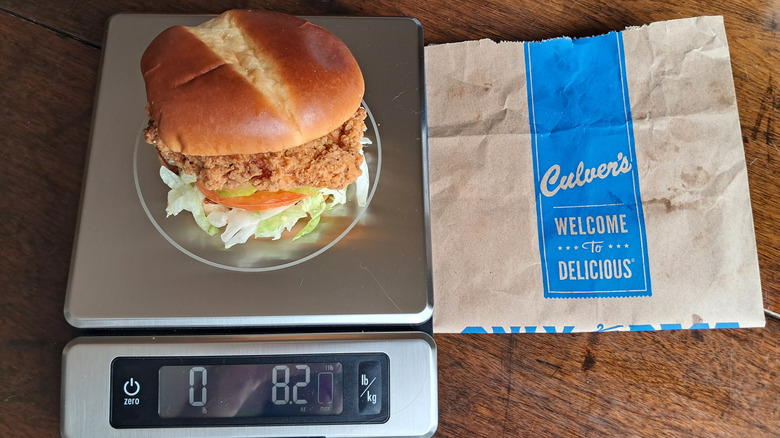
Culver’s approaches the category with a different philosophy. Priced at roughly $7.50, the 8.2-ounce sandwich is a more complex assembly. It includes the standard mayonnaise and pickle foundation but elevates the experience with the inclusion of crisp lettuce and a slice of tomato.
In-store, the Culver’s experience was defined by the immediacy of the kitchen. The chicken was piping hot and demonstrably juicy. Unlike the tempura-style crust at Popeyes, the Culver’s breading is thicker, more toothsome, and carries a distinct peppery profile that balances the savory nature of the chicken. When subjected to the transit test, the Culver’s sandwich demonstrated superior durability. The lettuce and tomato acted as a functional barrier, preventing the mayonnaise from compromising the integrity of the bottom bun. By the time it reached the destination, the breading remained remarkably crunchy, and the chicken, while slightly firmer, retained its flavor profile without descending into a soggy mess.
Supporting Data: Nutrition and Construction
The disparity in the construction of these two sandwiches highlights a broader trend in fast-food engineering.
| Feature | Popeyes Classic | Culver’s Crispy |
|---|---|---|
| Weight | 8.5 oz | 8.2 oz |
| Price | ~$6.00 | ~$7.50 |
| Breading Style | Light/Tempura-style | Thick/Crunchy |
| Toppings | Mayo, Pickles | Mayo, Pickles, Lettuce, Tomato |
| Bun Type | Brioche-style (Sweet) | Butter-toasted (Savory) |
The data suggests that while Popeyes prioritizes the "wow" factor of the breading texture, Culver’s prioritizes the "meal" experience. The inclusion of fresh vegetables in the Culver’s sandwich provides necessary acidity and texture that prevents palate fatigue. In contrast, the Popeyes sandwich, while technically impressive in its first bite, lacks the compositional components required to maintain quality over time.
Implications for the Fast-Food Industry
This comparison yields significant insights into the changing expectations of the modern consumer.
- The "Transit" Factor: As delivery and takeout become the primary modes of consumption, brands that design their sandwiches to withstand a 15-minute commute have a clear competitive advantage. Popeyes’ reliance on a delicate, oil-absorbent breading makes it a "dine-in only" experience, whereas Culver’s design allows for a more versatile consumption window.
- The Palate Shift: There is a growing fatigue regarding the "salt-bomb" approach to fast food. Consumers are increasingly favoring sandwiches that offer a balance of fresh produce and seasoning rather than just intense fried-food flavor.
- The Value Proposition: While Culver’s carries a higher price point, the inclusion of fresh, crisp produce justifies the cost for many. The "value" of a meal is not solely dictated by weight or price, but by the ability of the sandwich to remain palatable from the first bite to the last.
The Verdict: A Victory for the Wisconsin Standard
The race was narrow, but the Culver’s Crispy Chicken Sandwich emerges as the definitive victor. While Popeyes deserves credit for the sheer technical mastery of its light, crispy breading, the sandwich fails to hold its own against the realities of modern dining.
Culver’s has achieved a superior balance of flavors. The peppery, substantial breading creates a more satisfying bite, and the addition of lettuce and tomato serves a functional purpose, cutting through the richness and providing a necessary, refreshing crunch. Furthermore, the Culver’s bun—buttery, springy, and devoid of excessive sweetness—provides a more stable and flavorful foundation than its competitor.
For the average consumer who is likely grabbing a quick lunch to eat at their desk or in their car, the Culver’s sandwich provides a consistent, high-quality experience that does not degrade as quickly as the competition. Popeyes remains a formidable player, but for a truly fulfilling, balanced, and durable chicken sandwich, the Midwestern chain offers a more refined product that justifies the slight premium in price. If the soul of a chicken sandwich lies in its ability to delight from the first bite to the last, Culver’s has certainly fed the soul more effectively than its Louisiana counterpart.