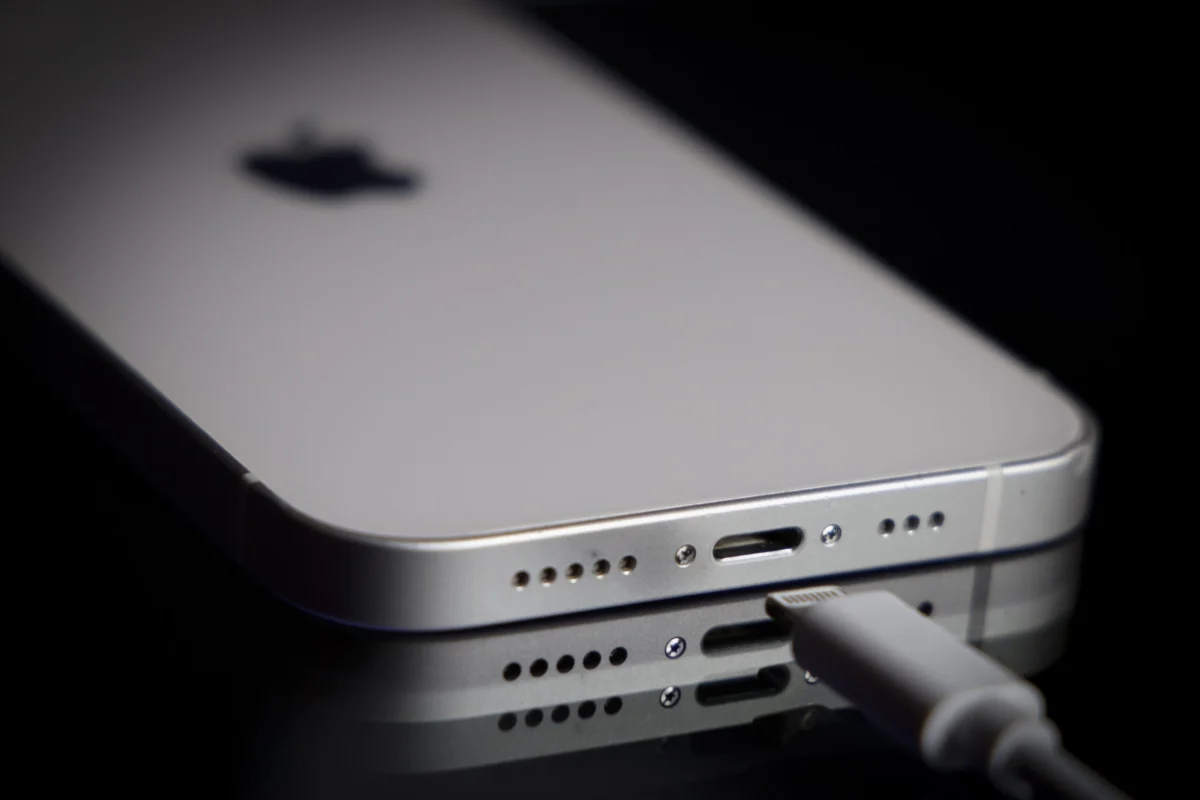
In a significant pivot aimed at maintaining market dominance amidst a volatile macroeconomic landscape, Apple is set to launch a comprehensive new lease-to-own initiative dubbed "Apple Upgrade." According to reports from Bloomberg, the tech giant has forged a strategic partnership with the Swedish fintech powerhouse Klarna to facilitate this transition. By expanding its financing footprint, Apple intends to streamline the acquisition of its premium hardware ecosystem, including iPhones, iPads, Macs, and Apple Watches, through a multi-year installment framework.
This move marks a departure from Apple’s existing, more restricted iPhone-specific financing model. As the company navigates a period of significant internal transition and external industry pressure, this partnership represents a calculated effort to preserve consumer loyalty while mitigating the sticker shock associated with recent hardware price hikes.
The Mechanics of Apple Upgrade
Understanding the Lease-to-Own Structure
The "Apple Upgrade" program is designed to provide consumers with greater flexibility than the company’s legacy programs. Under the new terms, customers can finance devices over extended durations tailored to the product category:
- iPhone and Apple Watch: These mobile devices will be available under a 24-month leasing term.
- Mac and iPad: Given the longer utility lifecycle of these devices, leasing terms will extend up to 36 months.
At the conclusion of these periods, consumers are granted a "trinity" of options: they may return the device, purchase it outright, or leverage the program’s namesake feature to upgrade to the latest iteration of the hardware. This cyclical approach is intended to lock users into the Apple ecosystem, ensuring a steady stream of hardware refreshes.
However, the program is not without caveats. Financial disclosures suggest that certain transactions may incur additional fees, a detail that remains somewhat opaque as the official launch approaches. This potential for extra costs reflects the complex credit arrangements required to maintain such an expansive leasing program.
Chronology: A Shift in Financing Strategy
To understand the necessity of this program, one must look at the timeline of events that led Apple to this decision.
April 2026: Apple’s leadership undergoes a tectonic shift as Tim Cook steps down, handing the reins to John Ternus. Despite the change in command, the company reports record-breaking sales. However, analysts begin sounding alarms regarding a looming "RAMageddon"—a critical industry-wide shortage of memory chips.
April 2026 (Continued): The impact of the AI revolution begins to manifest in the hardware supply chain. With AI developers and hyperscalers hoarding high-bandwidth memory (HBM) and DRAM, manufacturers like Apple find their hardware costs skyrocketing due to supply scarcity.
June 2026: Recognizing that the increased cost of components is unsustainable to absorb internally, Apple announces a series of price hikes across its Mac and iPad lines. While the iPhone remains spared for the moment, the market sentiment turns cautious.
July 2026: Apple initiates a high-stakes legal battle against OpenAI, alleging trade secret theft. This move highlights the company’s aggressive stance in the AI era.
July 21, 2026: Bloomberg breaks the news of the Apple-Klarna partnership, framing it as a direct response to the aforementioned supply chain pressures and the need to stimulate sales in an era of premium-priced hardware.
The Macroeconomic Context: Why Klarna?
The choice of Klarna as a partner is strategic. As a leader in the "Buy Now, Pay Later" (BNPL) space, Klarna brings a sophisticated risk-assessment engine that allows Apple to reach a broader demographic of consumers who might otherwise be deterred by the high upfront costs of premium tech.
The "RAMageddon" Factor
The semiconductor industry is currently defined by the insatiable appetite of AI models. Large Language Models (LLMs) and generative AI applications require immense amounts of memory to function. This "memory crunch" has forced companies like Apple to pay a premium for hardware components. By offering a leasing model, Apple effectively subsidizes the affordability of its devices, turning a one-time high-cost purchase into a predictable monthly operational expense for the consumer.
Competitive Positioning
Apple is not merely selling hardware; it is selling a subscription-like service. By moving customers away from a "pay-once" model toward a recurring lease, the company stabilizes its revenue streams. This is essential for a company that, under new CEO John Ternus, is looking to pivot toward AI integration and service-based growth, all while fending off competitors who are also struggling with the high costs of silicon.
Official Responses and Industry Skepticism
As of press time, both Apple and Klarna have been approached for comment regarding the specific APRs, fee structures, and credit check requirements for the "Apple Upgrade" program. Neither party has provided a granular breakdown, fueling speculation regarding the long-term impact on consumer debt and corporate liability.
Industry analysts suggest that while the program is a "conservative" move, it is nonetheless a necessary one. Critics argue that by tethering consumers to a multi-year lease, Apple is effectively creating a "golden cage," where the cost of exiting the ecosystem—or simply upgrading—becomes a financial burden that keeps users from exploring Android or Windows-based alternatives.
Implications: A New Era for Apple’s Business Model
The shift to an Apple-wide leasing program has profound implications for the future of the company:
1. Revenue Predictability
By transitioning the user base from traditional retail sales to a subscription-style leasing model, Apple can forecast revenue with greater accuracy. This is particularly vital for the company’s quarterly earnings calls, where even a slight dip in hardware sales can cause significant volatility in stock price.
2. Market Saturation and Retention
As the global smartphone and laptop market reaches a saturation point, the primary challenge for hardware manufacturers is retention. Apple’s existing "iPhone Upgrade" program was a resounding success in keeping customers loyal. By expanding this to the entire product portfolio, Apple is ensuring that the "Apple User" remains an "Apple User" for the entirety of their computing life.
3. The Legal and Regulatory Frontier
Apple is currently entangled in a complex legal dispute with OpenAI. This, combined with the launch of a new financial product in partnership with a third-party fintech, places the company under a microscope. Regulators in the EU and the U.S. are increasingly wary of "Buy Now, Pay Later" services, citing potential predatory lending practices. Apple will need to navigate these waters carefully to ensure that "Apple Upgrade" does not become a lightning rod for antitrust or consumer protection lawsuits.
4. Hardware as a Service (HaaS)
The ultimate trajectory of this program points toward a "Hardware as a Service" (HaaS) future. In this model, the consumer never truly owns the device; they pay for the utility of the hardware. While this offers the consumer the latest technology, it also shifts the power dynamic significantly in favor of the manufacturer.
Conclusion
The launch of the Apple Upgrade program, facilitated by the partnership with Klarna, is a masterclass in risk management and consumer psychology. By transforming high-end hardware into manageable monthly payments, Apple is insulating its sales volume against the inflationary pressures of the AI-driven chip shortage.
As John Ternus assumes leadership, the company faces a series of challenges—from legal warfare with AI startups to a shifting semiconductor landscape. The "Apple Upgrade" program serves as a critical buffer, ensuring that even as the cost of innovation rises, the barrier to entry for the consumer remains low enough to maintain the company’s record-setting momentum. Whether this program will satisfy shareholders and consumers alike remains to be seen, but one thing is clear: the era of the "one-off" hardware purchase is rapidly coming to an end.
Disclaimer: This article contains affiliate links. When you purchase through links in our articles, we may earn a small commission. This doesn’t affect our editorial independence.