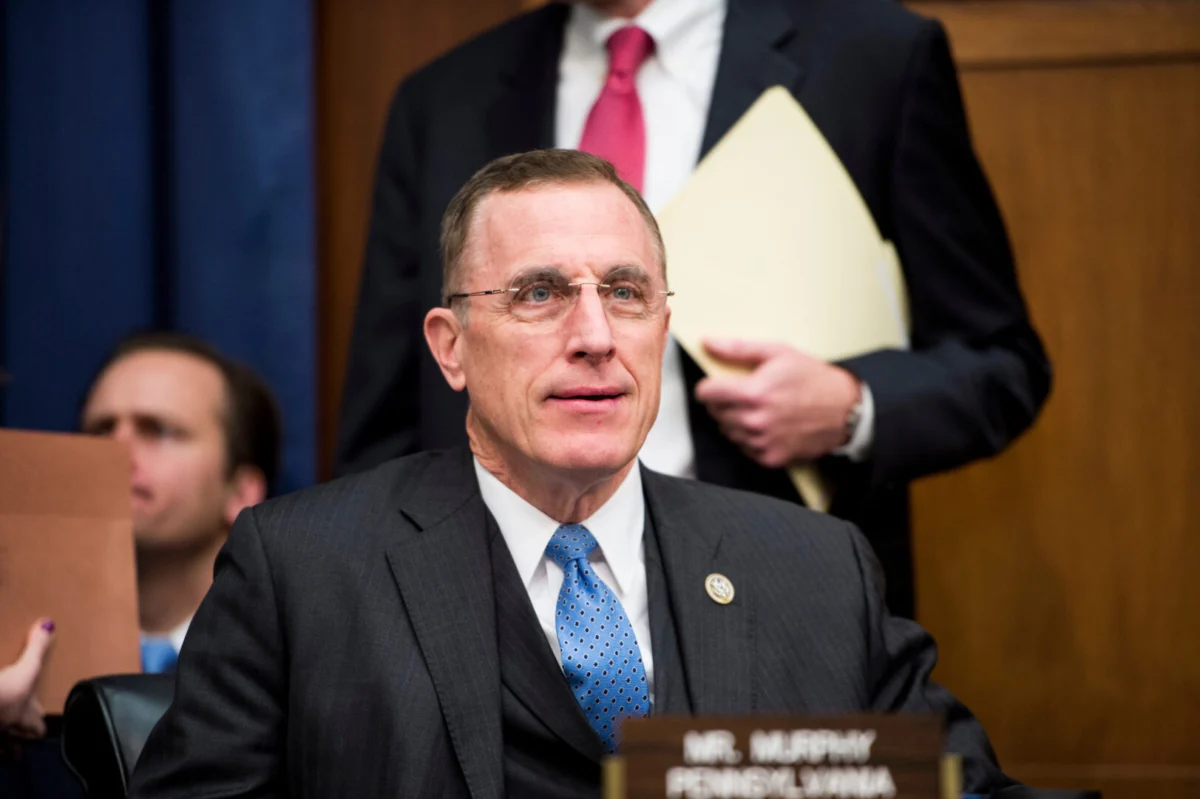
Pittsburgh, PA – Former U.S. Representative Tim Murphy, a Pennsylvania Republican who dedicated nearly 15 years in Congress to advancing mental health legislation before his abrupt resignation amid a personal scandal, has died at the age of 73. Murphy passed away on Saturday, with local news reports citing an apparent heart attack as the cause. His death marks the end of a complex life characterized by significant legislative achievements, a prominent public profile as a psychologist and advocate, and a sudden, career-ending downfall.
Murphy, a trained psychologist, was widely recognized for his unwavering commitment to mental illness research and treatment. He was a leading voice for integrated healthcare models, arguing for the coordinated treatment of chronic physical illnesses, such as heart disease, which are often correlated with higher rates of psychological ailments like depression. His tenure in Congress, however, concluded dramatically in October 2017 following revelations of an extramarital affair that contradicted his public stance as a staunch pro-life advocate.
Chronology: A Life in Public Service and Controversy
Tim Murphy’s journey into the national political spotlight was preceded by a career rooted in psychology and local community engagement, culminating in a significant, albeit ultimately truncated, period of federal service.
Early Life and Education
Born in Cleveland, Ohio, Murphy’s foundational years led him to Pennsylvania, where he would forge his professional and political identity. He pursued higher education with a focus on understanding the human mind, earning his Ph.D. in psychology from the University of Pittsburgh in 1979. This academic background not only shaped his career path but also profoundly influenced his legislative priorities later in life. Following his doctoral studies, Murphy established a private psychology practice, providing direct care to individuals and families. His expertise extended beyond the clinical setting; he also dedicated time to academia, teaching at his alma mater, the University of Pittsburgh, sharing his knowledge with aspiring psychologists. Furthermore, Murphy became a familiar voice and face in the Pittsburgh media landscape, dispensing advice and insights as "Dr. Tim" on local radio and television, cementing his public persona as a trusted expert on mental health issues.
Entry into Politics
Murphy’s transition from the consulting room and classroom to the political arena began in 1996 when he successfully ran for a seat in the Pennsylvania State Senate. His victory marked the beginning of his public service career, laying the groundwork for his eventual leap to federal office. Six years later, in 2002, an opportunity arose for Murphy to enter Congress. This path was significantly aided by a contentious redistricting effort undertaken by the GOP-led state legislature. The redrawing of the 18th Congressional District was strategically executed to favor Republican candidates ahead of that year’s midterm elections, creating a more favorable political landscape for Murphy to secure a seat in Washington, D.C. He successfully capitalized on this opportunity, embarking on a nearly 15-year career in the U.S. House of Representatives.
Congressional Tenure: Advocacy and Policy
Upon arriving in Washington, Tim Murphy quickly distinguished himself as a focused legislator with a clear set of priorities, particularly in the realm of mental health.
Mental Health Advocacy
Murphy’s most enduring legacy stems from his tireless advocacy for mental health reform. Armed with his professional background as a psychologist, he brought a unique and informed perspective to the complex issues surrounding mental illness. He was a steady and passionate advocate for increased research, improved access to treatment, and the destigmatization of psychological ailments.
One of his signature proposals and a crowning achievement was the "Helping Families in Mental Health Crisis Act of 2016." This landmark bipartisan legislation, which he championed for years, aimed to overhaul the nation’s mental health system by focusing on evidence-based treatment, promoting integrated care, and strengthening federal oversight. The bill sought to clarify ambiguities in HIPAA to allow for better information sharing between medical professionals and families in crisis, expand the mental health workforce, and push for early intervention programs. Murphy argued that a coordinated care model, which recognized the intrinsic link between physical and psychological health, could not only improve patient outcomes but also significantly reduce healthcare costs by preventing costly hospitalizations and emergency interventions. "The real cost saving in health care is not going to come just by providing more money, more insurance," Murphy stated in 2017, underscoring his belief that "It really has to come from doing a better job and focusing on quality and value." He was also a staunch opponent of cuts to federal research agencies crucial for mental health, such as the Substance Abuse and Mental Health Services Administration (SAMHSA), consistently arguing for robust funding to combat the nation’s mental health challenges.
Western Pennsylvania Interests
Beyond mental health, Murphy remained deeply committed to the economic and strategic interests of his Western Pennsylvania constituents. He was a vocal proponent of boosting the region’s burgeoning natural gas industry, recognizing its potential for job creation and energy independence. As chairman of the influential Congressional Steel Caucus, he tirelessly pushed for federal construction projects to prioritize domestically manufactured steel, a critical industry for his district and the nation. Furthermore, as an officer in the Naval Reserve, Murphy understood the importance of military installations to national security and local economies. He actively supported the Naval Reserve’s operations support center at Pittsburgh International Airport and the Air National Guard’s 911th Airlift Wing, ensuring these vital facilities received the necessary resources and attention.
Opioid Crisis Awareness
Murphy also emerged as a significant voice in raising alarms about the escalating epidemic of synthetic opioid addiction. His advocacy on this front was lent additional weight by his own harrowing personal experience. During a 2005 congressional delegation visit to Iraq, Murphy was injured in a vehicle rollover and subsequently treated with fentanyl, a powerful synthetic opioid. He later recalled the lack of information provided regarding the drug’s addictive potential: "At no point did anybody discuss with me, ‘be careful with this stuff… this can be addictive.’" This personal encounter fueled his legislative efforts to enhance public awareness, improve addiction treatment, and curb the flow of illicit opioids, highlighting the insidious nature of the crisis and the need for comprehensive solutions.
The Scandal and Resignation
Tim Murphy’s distinguished congressional career came to an abrupt and ignominious end in October 2017. The catalyst was a bombshell report by the Pittsburgh Post-Gazette, which revealed a deeply hypocritical private life that starkly contrasted with his carefully cultivated public image. The newspaper published text messages between Murphy and a woman with whom he was having an extramarital affair. In these messages, Murphy, a vocal member of the House Pro-Life Caucus and a fervent opponent of abortion rights, had urged the woman to get an abortion over an "unfounded pregnancy scare."
The revelation sent shockwaves through Washington and his district. The profound contradiction between his public pro-life stance and his private actions, coupled with the ethical breach of the affair itself, proved to be an insurmountable political obstacle. The scandal generated immediate and intense backlash, particularly from conservative groups and constituents who felt betrayed. Within a mere two days of the story breaking, facing immense pressure from his party leadership and a rapidly eroding base of support, Murphy submitted his resignation from Congress. His swift departure marked a tragic and ignominious end to a career that had been defined by significant legislative achievements and a strong public commitment to family values.
Supporting Data and Context
Understanding Tim Murphy’s career requires placing his legislative efforts and personal downfall within broader political and societal contexts.
The Landscape of Mental Health Advocacy in Congress
Murphy’s work on mental health reform was not just significant; it was groundbreaking in its scope and ambition. The "Helping Families in Mental Health Crisis Act of 2016" stands as a testament to his ability to forge bipartisan consensus on an issue often mired in ideological and budgetary disputes. Prior to this legislation, federal mental health policy was fragmented, underfunded, and often failed to address the systemic challenges faced by individuals and families grappling with mental illness. Murphy’s bill sought to streamline federal agencies, promote evidence-based practices, and, crucially, integrate mental healthcare with physical healthcare, a concept he championed as vital for holistic patient well-being and cost efficiency.
His persistence in shepherding this legislation through a divided Congress highlighted his political acumen and dedication. The act’s passage was celebrated by a wide array of mental health organizations, patient advocacy groups, and medical professionals who recognized its potential to transform care delivery. It aimed to reduce the stigma associated with mental illness by treating it with the same seriousness as physical ailments, thereby encouraging more individuals to seek help. This legislative effort provided a much-needed framework for federal agencies to better coordinate their efforts, ultimately impacting millions of Americans. Murphy’s emphasis on "quality and value" was a forward-thinking approach, pushing healthcare providers to demonstrate measurable improvements in patient outcomes rather than simply increasing spending.
Political Career Trajectory
Murphy’s rise in Pennsylvania politics was characteristic of a pragmatic Republican who understood the needs of his district. His initial victory for a state Senate seat in 1996 demonstrated his local appeal. The subsequent redrawing of the 18th District in 2002 was a strategic move by the state GOP to solidify Republican control, and Murphy proved to be an effective beneficiary. He consistently won re-election with comfortable margins, indicating strong constituent support and an ability to navigate the political currents of Western Pennsylvania. His focus on local industries like natural gas and steel, combined with his advocacy for military installations, resonated deeply with the working-class and veteran populations in his district. This sustained electoral success underscored his political strength and the trust he had built with his constituents, making his eventual fall from grace even more dramatic.
The Ethical Dimension of His Downfall
The scandal that ended Murphy’s career was not merely a personal failing but an ethical and political earthquake. As a prominent member of the House Pro-Life Caucus, Murphy had publicly championed the sanctity of life from conception, often voting and speaking in ways that aligned with the most conservative elements of the anti-abortion movement. The revelation that he had privately urged a woman to seek an abortion, even if for an "unfounded pregnancy scare," created an undeniable and devastating contradiction. This hypocrisy was particularly damaging, not only because it undermined his moral authority but also because it directly contradicted the core principles he publicly espoused and legislated upon.
The immediate and severe political consequences – his resignation within two days – highlighted the unforgiving nature of political scandals, especially when they involve a perceived breach of fundamental moral or ethical consistency. The incident sparked broader discussions about the private lives of public officials, the authenticity of their stated beliefs, and the double standards often applied in political discourse. For many, it represented a profound betrayal of trust, raising questions about the sincerity of his pro-life advocacy and the integrity of his public service.
Official Responses and Tributes
Following the news of Tim Murphy’s passing, members of Pennsylvania’s congressional delegation and others who knew him offered their condolences and reflections, largely focusing on his legislative achievements and personal qualities, while largely sidestepping the circumstances of his departure from office.
Republican Representative Guy Reschenthaler, whose current district overlaps significantly with Murphy’s former 18th District, expressed deep personal sadness. "Tim Murphy was a dear friend and a trusted mentor to me for many years," Reschenthaler stated, highlighting the personal relationship and guidance Murphy provided to younger politicians. "His commitment to Western Pennsylvania was unwavering, and he worked tirelessly to improve the lives of his constituents. We will miss his dedication and leadership."
GOP Senator Dave McCormick also issued a statement, emphasizing Murphy’s profound impact on mental health policy. "No one worked harder for his constituents, especially those struggling with mental health challenges," McCormick said. "He believed that no family should have to face a mental health crisis alone, and he dedicated his career to making that belief a reality. His legacy in mental health advocacy will continue to save lives and provide hope to countless individuals."
Numerous other colleagues, former staff members, and mental health advocates also took to social media and issued statements, universally praising Murphy for his pioneering work in mental health reform. Tributes often highlighted his deep understanding of psychological issues, his empathy for those suffering, and his ability to translate complex clinical concepts into effective public policy. While the circumstances of his 2017 resignation were a prominent part of his public narrative, the initial wave of responses to his death underscored a desire to remember his substantial contributions to healthcare and his unwavering commitment to his home region. Many acknowledged the complexity of his public life but chose to focus on the positive and lasting impact of his legislative achievements.
Implications and Legacy
Tim Murphy’s death prompts a reevaluation of his multifaceted legacy, which is undeniably shaped by both his significant legislative accomplishments and the shadow of his abrupt political exit.
Impact on Mental Health Policy
Murphy’s most profound and enduring impact lies in the realm of mental health policy. The "Helping Families in Mental Health Crisis Act of 2016" stands as a monumental achievement, a testament to his vision and perseverance. This legislation fundamentally reshaped the federal approach to mental healthcare, promoting integration, evidence-based practices, and enhanced coordination. It spurred a national conversation about destigmatizing mental illness and ensuring that individuals receive the comprehensive care they need. The principles he championed – particularly the "coordinated care" model linking physical and mental health – continue to influence healthcare reform efforts today, demonstrating the foresight of his advocacy. His work laid critical groundwork for future mental health initiatives and helped to secure increased funding and resources for a historically underserved area of healthcare. For many mental health professionals and patient advocates, Murphy will be remembered as a true champion who brought much-needed attention and legislative muscle to a critical public health issue.
The Shadow of Scandal
Despite his undeniable policy successes, it is equally undeniable that the scandal surrounding his extramarital affair and the associated hypocrisy significantly tarnished his public image and prematurely ended his career. The dramatic nature of his resignation meant that for many, particularly those outside the mental health advocacy circles, his legacy became inextricably linked to the ethical lapse. This raises the perennial question of how society weighs a public servant’s personal failings against their professional achievements. While his legislative record on mental health is robust, the circumstances of his departure cast a long shadow, complicating how his contributions are viewed by the broader public and political historians. The incident serves as a cautionary tale about the immense scrutiny faced by public figures and the unforgiving nature of perceived moral contradictions in the political sphere.
A Complex Figure
Ultimately, Tim Murphy emerges as a complex and often contradictory figure. He was a dedicated public servant with a deep professional understanding of the issues he championed, particularly mental health. His commitment to his constituents in Western Pennsylvania was evident in his advocacy for local industries and military installations. He achieved significant policy victories that will continue to benefit countless Americans. Yet, his career was also marked by a dramatic personal downfall that highlighted the tension between private conduct and public office, especially for those who stake their political identity on moral pronouncements.
He will be remembered by the mental health community as a tireless advocate who helped modernize federal policy and reduce stigma. His political colleagues will recall his intelligence, his legislative skill, and his passion for his causes. However, for many others, his legacy will remain a nuanced tapestry woven with threads of dedicated service, impactful legislation, and a personal scandal that brought an abrupt end to a remarkable, yet flawed, political career. His life serves as a powerful reminder of the intricate interplay between individual character, public trust, and the enduring impact of legislative action.