By Francesco Porzio
July 18, 2026
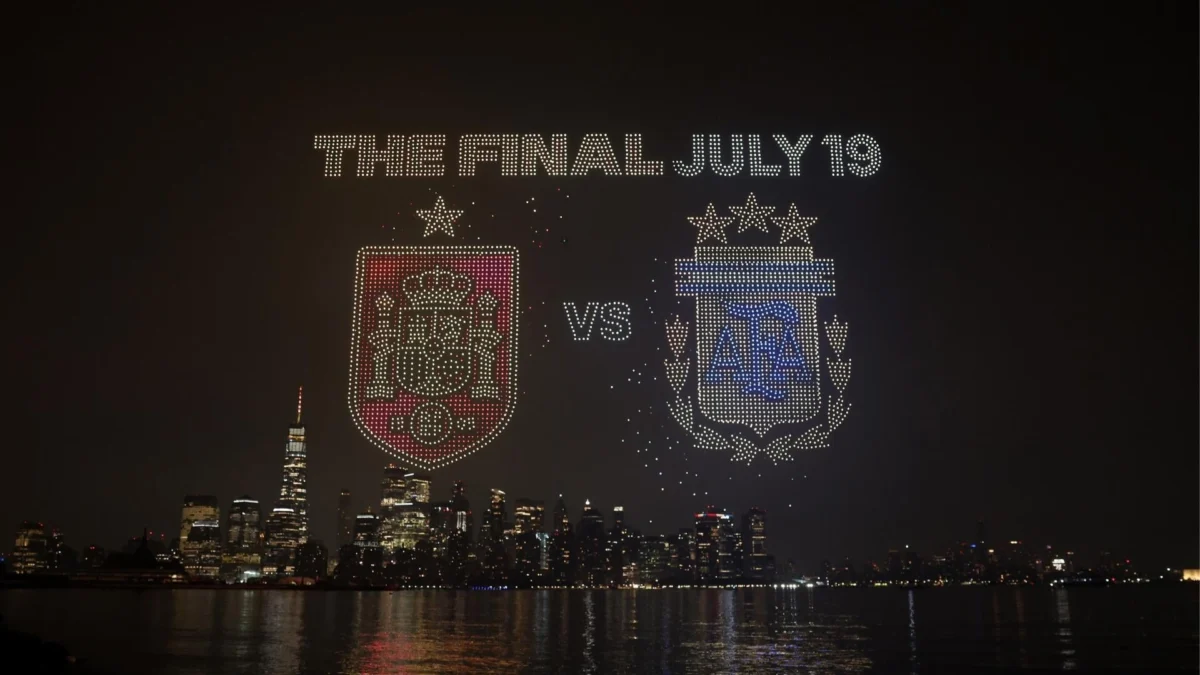
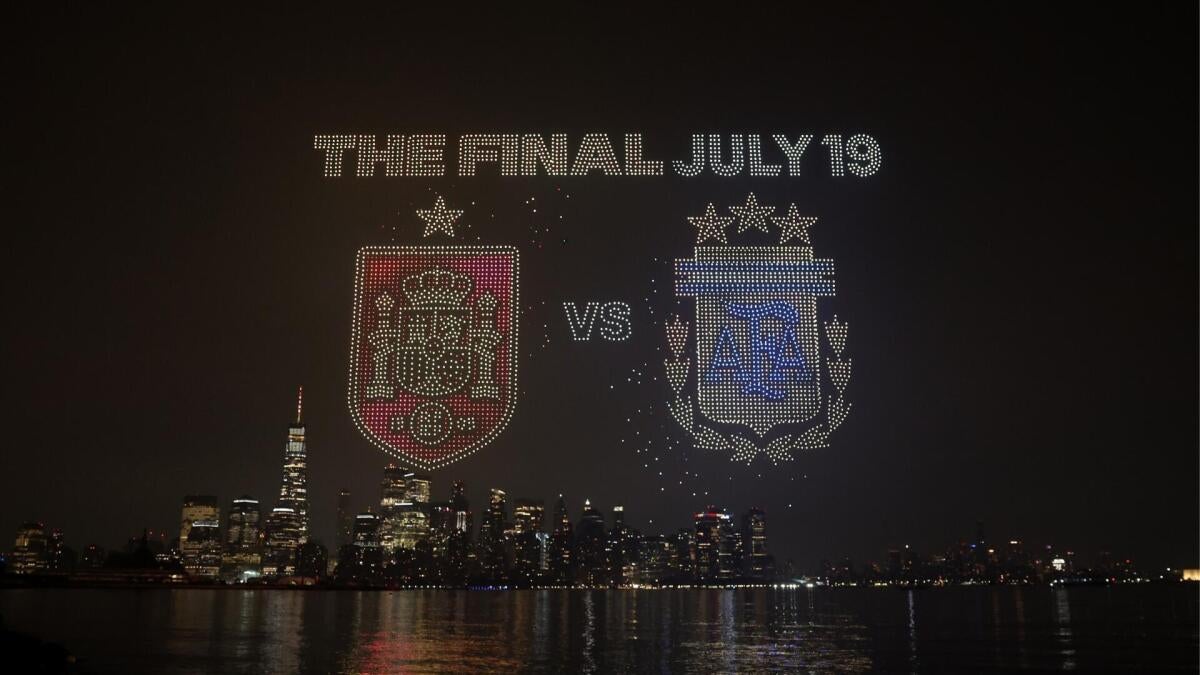
The stage is set for the grandest theater in sports. On Sunday, July 15, 2026, the eyes of the world will converge on MetLife Stadium in East Rutherford, New Jersey, for the final of the 2026 FIFA World Cup. It is a fixture that feels written by the gods of football: Luis de la Fuente’s formidable Spain, the tournament’s most tactically cohesive side, will face off against the reigning champions, Argentina, led by the incomparable Lionel Messi.
As the sun sets over the New Jersey horizon, this match will represent more than just a trophy; it is a generational transition, a battle of legacies, and the potential coronation of a new world order. For Spain, a victory would cement their return to the pinnacle of the sport after 16 years. For Argentina, a win would elevate them into the stratosphere of football history, joining Italy (1934–38) and Brazil (1958–62) as only the third nation to successfully defend the World Cup title.
The Main Facts: A Clash of Titans
The 2026 World Cup final is, by all metrics, the most anticipated sporting event of the decade. Spain enters the contest on the back of a breathtaking semifinal victory over France, a win that solidified their status as the most clinical team in the competition. Under De la Fuente, La Roja has blended the traditional tiki-taka philosophy with a newfound verticality and ruthless finishing.
Argentina, conversely, remains the heartbeat of global football. Having navigated a grueling tournament path, the Albiceleste continue to rely on the genius of Lionel Messi. With three world titles in their cabinet (1978, 1986, and 2022), Argentina is playing for more than just glory—they are playing for the immortality of back-to-back championships.
Key Match Details
- Date: Sunday, July 15, 2026
- Kickoff Time: 3:00 p.m. ET
- Venue: MetLife Stadium, East Rutherford, New Jersey
- Broadcast: Fox (English), Telemundo (Spanish)
- Streaming: Fubo (Free Trial Available)
A Chronology of Destiny: The Messi-Yamal Connection
Perhaps the most surreal narrative arc of this final is the history shared between Argentina’s captain and Spain’s rising star, Lamine Yamal. The story, now a staple of football folklore, dates back to the autumn of 2007.
In a charitable initiative organized by Diario Sport and UNICEF to create a 2008 calendar, a young, shy Lionel Messi—then a burgeoning prodigy at Barcelona—participated in a photoshoot with local children from the Rocafonda neighborhood of Mataró. Among those children was five-month-old Lamine Yamal.
Joan Monfort, the freelance photographer who captured the images, recalled the scene in an interview with The Athletic: “Destiny plays an important role. Messi was coming out of the locker room and suddenly he finds himself in a room with a plastic tub full of water and a baby. He didn’t even know how to hold him at first. But, bit by bit, it started to happen.”
Nearly two decades later, that baby is the spearhead of the Spanish attack, facing the man who once bathed him in a plastic tub. The symmetry is profound; the game is expected to be a direct showdown for the 2026 Ballon d’Or, with the world watching to see if the torch of greatness is officially passed from the greatest of all time to his successor.
Supporting Data: Tactical Breakdown
Spain’s Predicted XI (4-3-3)
- Goalkeeper: Unai Simon
- Defenders: Pedro Porro, Pau Cubarsí, Aymeric Laporte, Marc Cucurella
- Midfielders: Rodri, Fabián Ruiz, Álex Baena
- Forwards: Dani Olmo, Mikel Oyarzabal, Lamine Yamal
Spain’s strength lies in the engine room, anchored by Rodri. Their ability to control the tempo while maintaining a high defensive line has neutralized opponents throughout the tournament.

Argentina’s Predicted XI (4-4-2)
- Goalkeeper: Emiliano Martínez
- Defenders: Nahuel Molina, Cristian Romero, Lisandro Martínez, Facundo Medina
- Midfielders: Rodrigo De Paul, Alexis Mac Allister, Enzo Fernández, Thiago Almada
- Forwards: Lionel Messi, Julian Alvarez
Argentina’s approach remains pragmatic yet lethal. Under Scaloni, they have perfected the art of absorbing pressure and transitioning with lightning speed, with Messi often acting as the creative pivot.
Official Presence and Political Implications
The final will be marked by a significant political presence, with U.S. President Donald Trump confirmed to attend. The President is expected to present the trophy to the winning captain, a move that underscores the massive cultural footprint of this event on American soil.
However, the build-up to the final has not been without controversy. President Trump’s recent interactions with FIFA President Gianni Infantino have drawn intense scrutiny. The most notable incident involved the controversial lifting of a red card suspension for U.S. forward Folarin Balogun earlier in the tournament. Trump claimed credit for the intervention, stating the decision was made following his personal request. While the U.S. team was ultimately eliminated by Belgium, the incident cast a long shadow over the transparency of FIFA’s disciplinary processes.
The inclusion of championship rings, in addition to the traditional trophy, signals a move toward blending global football culture with American sporting traditions—a shift that has sparked debate among traditionalists regarding the integrity of the tournament’s customs.
The Path to Glory: A Statistical Perspective
Spain’s journey to the final has been defined by efficiency. They have scored 14 goals while conceding only three. Their semifinal performance against France—a defensive masterclass that stifled the likes of Kylian Mbappé—proved they are ready to handle the pressure of the big stage.

Argentina, meanwhile, has been a team of resilience. Their path included a penalty shootout victory in the quarterfinals and a hard-fought win in the semis. Statistically, they rely heavily on their ability to win individual duels in the midfield. With an average possession share lower than Spain, Argentina prefers to strike in transition, a strategy that has proven effective in the knockout rounds.
Expert Prediction
While Spain has been the more aesthetically pleasing and statistically dominant team, the narrative weight of a Lionel Messi final is impossible to ignore. Argentina has a habit of finding magic when the stakes are at their highest.
Final Prediction: Argentina 2, Spain 1.
Implications: The Legacy of 2026
Regardless of the outcome, the 2026 World Cup has redefined the sport’s reach. By utilizing the CBS Sports Golazo Network’s extensive coverage—from Morning Footy to the nightly Scoreline recap—fans have been treated to an unprecedented level of access.
The implications of this final are far-reaching. For the sport, it signals the definitive end of the "Messi Era" should he choose to retire from international duty, while simultaneously ushering in the era of Lamine Yamal. For the host nation, the successful execution of this final will be judged not just by the quality of the football, but by how the intersection of politics, global commercialism, and the "beautiful game" is perceived by the international community.
As the referee prepares to blow the whistle on Sunday, the world will hold its breath. One nation will write its name into the history books, one player will cement his legend, and the 2026 World Cup will finally find its defining moment. Whether it ends in Spanish tactical perfection or Argentine poetic justice, the world will be watching at MetLife Stadium.