In the modern landscape of higher education, the traditional metrics of student success—grade point averages, credit completion rates, and standardized test scores—are increasingly viewed as incomplete. As student demographics shift and the economic pressures on households intensify, colleges and universities across the United States are discovering a sobering truth: for many students, the greatest obstacles to academic achievement are not found in textbooks, but in the grocery aisle, the childcare center, and the administrative office.
Today, a growing number of institutions are moving beyond the traditional silos of tutoring and academic advising. They are embracing a holistic philosophy of student support that addresses the "whole student," recognizing that hunger, financial instability, and family obligations are not peripheral issues, but central factors in degree attainment. By dismantling these non-academic barriers, colleges are attempting to build a more robust safety net that ensures academic success remains accessible to all, regardless of socio-economic background.
The Paradigm Shift: Redefining Academic Support
For decades, the standard response to student struggle was to offer more supplemental instruction or to recommend a lighter course load. While these methods remain useful, they often fail to address the underlying causes of poor academic performance. If a student is juggling a part-time job, childcare, and food insecurity, an extra tutoring session may be a logistical impossibility.
The current trend in higher education involves "proactive intervention." Rather than waiting for a student to hit a breaking point, colleges are now integrating support services into the daily campus experience. This shift represents a transition from a reactive model—where services are available only to those who have the social capital to seek them out—to an inclusive, systemic model that treats student support as a core university function.

Case Studies in Innovation
1. Ferrum College: Mandatory Intervention as a Safety Net
At Ferrum College in Virginia, the institution is challenging the stigma often associated with academic intervention. In 2024, the college launched "Students Taking Academic Responsibility" (STAR), a mandatory program for students on academic probation.
Rather than relying on students to opt-in, the program automatically enrolls those whose GPA falls below a 2.5 threshold. The curriculum is comprehensive, blending weekly academic coaching, subject-specific tutoring, and strict attendance monitoring with a unique one-credit college skills seminar grounded in the principles of Stoic philosophy.
John DeVault, associate vice president of student success at Ferrum, argues that this mandatory approach is a form of care. "I saw trends with students that had nothing to do with how smart they were," DeVault explains. "They didn’t know how to use the resources around them, and there was a lot of anxiety about asking for help or even admitting they were having an issue. What I’ve seen is that you have to require it, and most families love that. They love having that safety net."
2. LaGuardia Community College: Integrating Childcare and Education
The struggle to balance parenting and academics is a primary driver of attrition among non-traditional students. LaGuardia Community College in New York City has addressed this through its Early Childhood Learning Center, which now hosts "Horizons NYC"—a unique summer program that bridges the gap between childcare and enrichment.

By offering a seven-week program that includes academics, arts, swimming, and field trips, LaGuardia allows student parents to focus on their own studies knowing their children are in a safe, intellectually stimulating environment. With the program currently at capacity and a growing waitlist, the college plans to expand the initiative by one grade level each year, eventually serving students from kindergarten through ninth grade. Sonya Evariste, executive director of the center, notes that the impact is profound: "We wanted to ensure that we have campus childcare available for student parents so that they can meet their goals and finish their education without worrying about their children."
3. Stony Brook University: The Evolution of the Campus Pantry
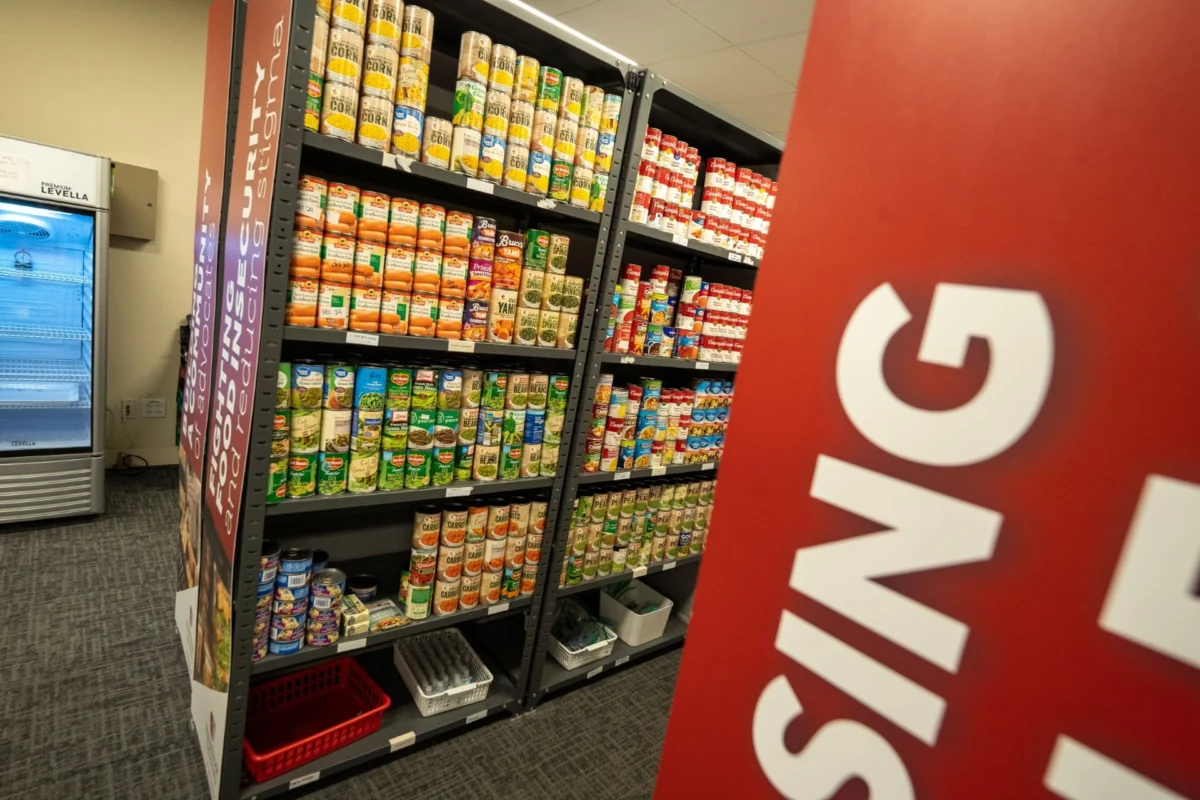
Food insecurity remains a silent epidemic on college campuses. Stony Brook University has moved beyond the traditional "canned goods" pantry model, transforming its "Seawolves Pantry" into a comprehensive basic needs hub.
Since the pandemic, the pantry has expanded its scope to include culturally specific food items, professional hygiene products, and multilingual educational resources. The data collected by the pantry is revealing: usage increased by nearly 30 percent in the last year, with over 9,000 visits recorded. Crucially, the usage is evenly split across the student body—undergraduates and graduates, commuters and residential students alike. Katie McCombs, coordinator for the Department of Student Community Development, highlights that the pantry’s expansion is a direct response to the rising cost of living, which affects all students regardless of their academic level or living situation.
4. Coppin State University: Tackling Nontuition Expenses
Coppin State University, a historically Black university in Baltimore, is tackling the financial side of the equation head-on. Recognizing that tuition is only one part of the cost of attendance, the administration has negotiated a new food service agreement that will reduce meal plan costs by 12 percent starting this fall. Simultaneously, the university has committed to freezing mandatory student fees.

President Anthony Jenkins views these fiscal decisions as an essential part of the university’s commitment to equity. "We started looking at where else could we help students save, and where can we help families save," Jenkins said. "With what we were seeing around food insecurity and the rising cost of all of these external factors, we wanted to have an impact on one of the biggest expenses for college students, and that’s their meal plan."
Chronology of the Support Movement
- 2013: Stony Brook University launches its original campus food pantry, marking an early acknowledgement of student food insecurity.
- 2020: The COVID-19 pandemic forces a massive expansion of campus basic needs services, as financial instability hits record highs across the nation.
- 2023–2024: Colleges begin formalizing "Student Success" offices that move away from strictly academic oversight toward holistic, interdisciplinary support models.
- 2024: Ferrum College implements the mandatory STAR program, signaling a shift toward proactive, rather than elective, support services.
- 2026: Institutions like LaGuardia and Coppin State refine their operational efficiencies to provide direct, tangible relief (childcare and meal plan reductions) to their student populations.
Data-Driven Insights
The supporting data from these institutions provides a clear mandate for future policy. At Stony Brook, the even split in pantry usage between graduate and undergraduate students debunks the myth that food insecurity is a "freshman problem." At LaGuardia, the presence of a long waitlist for the Horizons program indicates that current demand for affordable childcare on college campuses significantly outstrips supply. Meanwhile, Coppin State’s decision to lower meal plan costs acknowledges that external economic factors—such as inflation and energy costs—are now the primary variables in student retention.
Implications for the Future of Higher Education
The move toward these "barrier-reduction" strategies carries significant implications for the future of the college experience:
- Normalization of Support: As programs like Ferrum’s STAR become more common, the stigma associated with seeking help will likely diminish. By making support a requirement rather than a privilege, institutions ensure that the students who need help the most are not left behind due to pride or lack of information.
- Operational Efficiency as Equity: Institutions are learning that affordability is not just about tuition hikes or financial aid packages. By negotiating better contracts with vendors and managing campus resources (like food services and childcare) as public goods, universities can create a more sustainable financial ecosystem for their students.
- Holistic Success Metrics: The traditional focus on "time to degree" or "GPA" is being augmented by metrics related to "student well-being." Future accreditation and ranking systems may eventually need to account for how well a university supports the physical, nutritional, and familial needs of its students.
As higher education continues to evolve, the distinction between "academic life" and "student life" is becoming increasingly blurred. For institutions to thrive in an era of demographic and economic volatility, they must continue to treat the student as a whole person. By addressing the barriers that exist outside the classroom, colleges are not just helping students pass exams; they are ensuring that the promise of higher education remains a viable pathway to social and economic mobility for the next generation.