Washington, D.C. – As the summer primary season heats up, Michigan stands poised as the next critical battleground, not just for control of Congress, but for the very ideological direction of the Democratic Party. With an early August primary looming, the Great Lakes State offers a stark contrast to recent progressive triumphs in deep-blue bastions like New York and Colorado. Here, in a perennial swing state, the internal tensions between the party’s centrist and progressive factions are playing out with national implications, particularly for the fiercely contested Senate race and several pivotal House seats.
This dynamic political landscape, detailed weekly by the CQ Roll Call campaign team, underscores a broader narrative of shifting allegiances, high-stakes fundraising, and unexpected turns that define the 2026 midterm cycle. From the sudden passing of a seasoned senator to a former representative’s surprising pivot away from politics, the path to November is proving to be anything but predictable.
The Michigan Senate Showdown: A Test of Democratic Power
Main Facts: The Democratic primary for Michigan’s open U.S. Senate seat has narrowed to a high-stakes, two-person contest between centrist Representative Haley Stevens and progressive former public health official Abdul El-Sayed. This race is shaping up to be a definitive test of progressive strength in a battleground state, with the winner advancing to face unopposed Republican former Representative Mike Rogers in what is rated a "Toss-up" by Inside Elections with Nathan L. Gonzales. Securing this seat is paramount for Democrats hoping to flip control of the Senate.
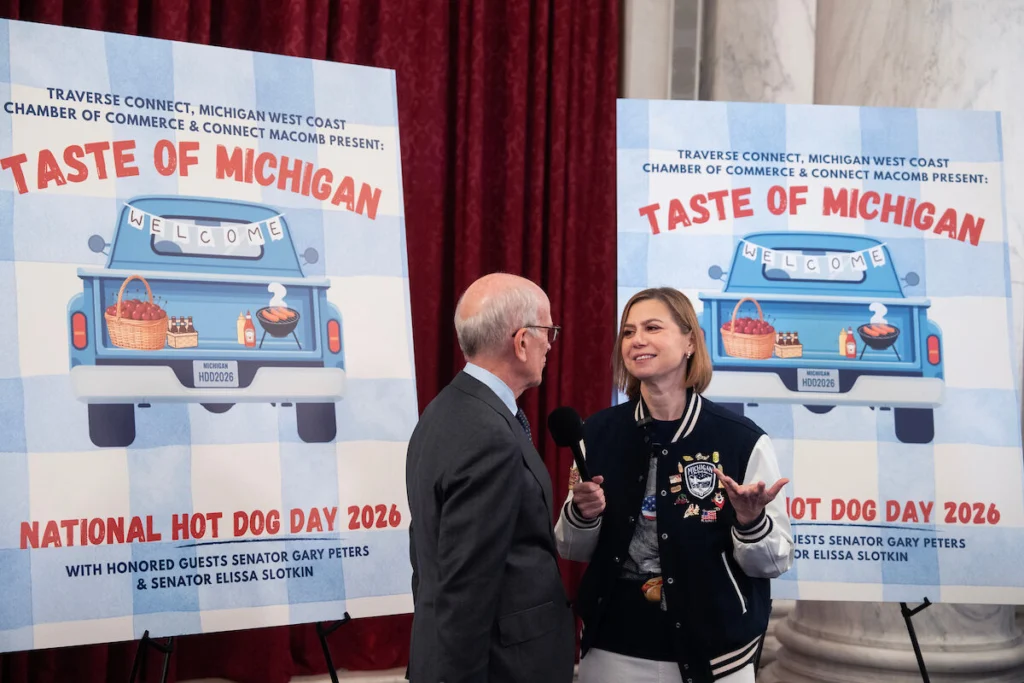
Chronology: The primary, set for August 4th, follows a month of intense campaigning, marked by a flurry of endorsements and conflicting internal poll releases. Representative Stevens, often characterized as a pragmatic moderate, has garnered significant institutional support, including a crucial endorsement this week from retiring Michigan Senator Gary Peters, whose seat she hopes to fill. Her campaign has also benefited from substantial independent expenditures by the American Israel Public Affairs Committee (AIPAC) through its super PAC, the United Democracy Project, which has placed the charged topic of U.S.-Israel policy squarely at the center of the race.
Conversely, Abdul El-Sayed, a prominent figure in the progressive movement, is leveraging his grassroots appeal and national progressive backing. His campaign received a significant boost with planned weekend appearances from Senator Bernie Sanders (I-VT) and Representative Alexandria Ocasio-Cortez (D-NY), signaling a united front from the party’s left flank. Earlier in the week, Representatives Ilhan Omar (D-MN) and Lateefah Simon (D-CA) also threw their support behind El-Sayed, further solidifying his progressive credentials.
Supporting Data: Both campaigns have released internal polls this week, each claiming a lead for their respective candidate, highlighting the neck-and-neck nature of the contest. The involvement of AIPAC’s super PAC for Stevens reflects a broader trend of significant outside spending in primaries, particularly in races where Israel policy is a salient issue, and demonstrates the group’s continued influence within Democratic contests.
Official Responses: Representative Stevens has publicly cautioned that Republicans would prefer to face El-Sayed in the general election, implicitly questioning his electability in a swing state against a seasoned Republican like Mike Rogers. This narrative aligns with centrist arguments that a more moderate candidate stands a better chance of capturing the broader electorate. El-Sayed’s campaign, meanwhile, frames his progressive platform as energizing the base and capable of mobilizing voters disillusioned with traditional politics, asserting that his policy stances resonate deeply with working-class families and younger voters across Michigan.
Implications: The outcome of this primary will serve as a crucial barometer for the Democratic Party’s direction in battleground states. A Stevens victory would reinforce the strategy of fielding centrist candidates in competitive areas, while an El-Sayed win would embolden the progressive wing, demonstrating their ability to win in diverse electoral landscapes and potentially reshaping the party’s policy agenda on key issues, including foreign policy. The race also highlights the persistent tension between the party’s ideological wings and the powerful role of outside money in shaping primary narratives.
The House Battle in MI-07: A Microcosm of Party Divides
Main Facts: Beyond the Senate race, Michigan’s 7th Congressional District, formerly represented by Senator Elissa Slotkin, presents another compelling Democratic primary. This race, also rated a "Toss-up" by Inside Elections, is a three-way contest to challenge freshman Republican Tom Barrett. The dynamics here further illustrate the Democratic Party’s internal struggles over candidate selection and ideological purity.
Chronology: Senator Slotkin, while not weighing in on the Senate primary, has endorsed retired Navy SEAL Matt Maasdam in her old House district, praising him as a "fighter" against political corruption and for working people. Maasdam faces Bridget Brink, a former U.S. ambassador to Ukraine, and William Lawrence, a co-founder of the Sunrise Movement. Lawrence, notably, is backed by key progressive figures and is slated to campaign alongside Senators Sanders and El-Sayed this weekend, linking his candidacy directly to the broader progressive movement in Michigan.
Supporting Data: The race for MI-07 has been complicated by a recent HuffPost report highlighting past controversial comments made by William Lawrence. The report detailed remarks in which Lawrence allegedly derided Black political leaders, stating they "defang the white left."
Official Responses: Following the HuffPost report, the Congressional Black Caucus PAC (CBC PAC) issued a strong statement urging Lawrence’s backers to withdraw their support, underscoring the severity of the alleged remarks. Lawrence has since sought to clarify his comments, attempting to mitigate the damage and reaffirm his commitment to progressive values and racial justice. Senator Slotkin’s endorsement of Maasdam, emphasizing his fighting spirit and commitment to democratic values, offers a contrast to the controversies surrounding Lawrence, suggesting a preference for a candidate with an unblemished public record.
Implications: This primary is a stark reminder of how past statements can impact a candidate’s viability and expose fault lines within a diverse party coalition. The CBC PAC’s intervention signals the deep concern within the Democratic Party about maintaining unity and avoiding candidates whose past rhetoric could alienate crucial demographic blocs. The outcome will not only determine who faces Republican Tom Barrett but also reflect the party’s tolerance for past controversies and the ongoing debate about the authenticity and electability of progressive candidates.
Beyond Michigan: National Political Earthquakes and Shifting Landscapes
The political tremors extend far beyond Michigan, with several national developments shaping the broader electoral outlook.
The Sudden Void in South Carolina: Lindsey Graham’s Legacy and Succession
Main Facts: The political world was rocked by the sudden death of South Carolina Senator Lindsey Graham at the age of 71. A four-term senator, Graham was a prominent figure known for his hawkish foreign policy stance, his role as Budget Committee chair, and his complex, yet often close, relationship with former President Donald Trump.

Chronology: Senator Graham passed away suddenly on Saturday from a tear in his artery, according to preliminary medical reports. His death created an immediate vacancy in the Senate and set off a scramble in South Carolina politics. Just a day after his passing, Governor Henry McMaster appointed Darline Graham, the late senator’s younger sister, to serve out the remainder of his term, which concludes in early January. Darline Graham was sworn into the Senate on Tuesday, making history as the first sister to directly succeed a deceased senator and the first woman to represent South Carolina in the U.S. Senate. A special primary election to select a nominee for the full term will be held on August 11, with several South Carolina Republicans expected to enter the fray.
Supporting Data: Lindsey Graham’s career spanned decades, marking him as a significant voice in national security debates and a key intermediary between Senate Republicans and the Trump White House. His unexpected demise leaves a considerable void in Senate leadership and within the Republican Party. Darline Graham’s appointment, while temporary, carries immense symbolic weight, breaking barriers in a state that has historically sent few women to Congress.
Implications: The abrupt vacancy introduces a new element of uncertainty into the Senate’s delicate balance of power. While South Carolina is a reliably red state, the special primary will be closely watched for potential shifts within the state’s Republican establishment. Darline Graham’s decision on whether to seek a full term will be a major factor in the upcoming primary, adding an emotional dimension to the political calculus. The event underscores the fragility of political continuity and the immediate impact of personal tragedies on national governance.
The Money Trail: Q2 Fundraising Reveals Party Strengths and Strains
Main Facts: The second-quarter fundraising reports, filed with the Federal Election Commission ahead of Wednesday’s deadline, provided a crucial snapshot of campaign finance health across the nation. Many Democratic candidates in key House and Senate races significantly outraised their Republican opponents.
Supporting Data: This financial disparity suggests a robust fundraising environment for Democrats, potentially signaling strong grassroots engagement and donor confidence. Conversely, the reports indicated that many Republican campaigns are struggling to keep pace, which could impact their ability to mount competitive challenges in November. A striking example of financial might was seen in Maryland, where Democratic former Representative David Trone spent a staggering $18 million in the second quarter alone on his losing effort to regain his House seat—an amount that would require 240 of this cycle’s most frugal House primary winners to collectively match.
Implications: Fundraising prowess is often a strong indicator of a campaign’s organizational strength and potential for success. The Democratic advantage in the money race could provide them with critical resources for advertising, voter outreach, and ground operations, potentially widening their path to retaining or expanding their majorities. The financial struggles of some GOP candidates, particularly in competitive districts, could necessitate greater reliance on party committees and external super PACs, which can bring their own set of strategic limitations.
Congressional Ideological Fault Lines: Israel Aid and Progressive Pushback
Main Facts: Deep divisions within the House Democratic caucus were laid bare during a floor vote Wednesday on an amendment that sought to block billions of dollars in U.S. military aid to Israel.
Supporting Data: The split vote underscored the growing ideological chasm within the Democratic Party regarding U.S. foreign policy in the Middle East, particularly concerning Israel. While a significant portion of the caucus continues to support military aid, a vocal and growing progressive wing has expressed increasing concerns over the aid’s implications and its alignment with their broader human rights and foreign policy principles.
Implications: This vote highlights the increasing pressure from the progressive base on traditional Democratic foreign policy stances. As the party grapples with evolving geopolitical realities and domestic calls for a more values-driven foreign policy, these internal debates are likely to intensify. The division could also impact future legislative efforts and primary challenges, particularly for incumbents in districts with strong progressive or Arab-American constituencies.
Primary Previews and Political Currents
Maine’s Unique Senate Race
The race to replace Graham Platner as Maine’s Democratic nominee for Senate has taken an unusual turn. Thirteen candidates filed before Wednesday evening’s deadline, although at least one has since withdrawn. These candidates are now engaged in a frenetic, two-week sprint to a party convention next weekend, where 601 delegates will select Platner’s replacement. The already complex race was further overshadowed this week by the tragic fatal shooting of a Colombian immigrant in Biddeford by an Immigration and Customs Enforcement agent, a somber event that could inject new issues into the campaign discourse.
Wyoming’s Open House Seat: A Deep-Red Scramble
In deep-red Wyoming, Republican Senator Cynthia Lummis’s retirement announcement last year sparked a political free-for-all for the state’s at-large House seat. With Representative Harriet Hageman vacating the seat to run for Lummis’s position, ten Republicans and two Democrats are now vying for the opportunity. The August 18 primary is the true contest, as the GOP nominee is almost certainly assured victory in the general election.
The Republican field is notable for its conservative leanings and significant self-funding. Candidates like Reid Rasner, Frank Chapman, Chuck Gray, and Steve Friess have loaned their campaigns substantial sums, often making up the bulk of their fundraising totals. David Giralt, a former policy adviser to Lummis, boasts endorsements from several House Republicans and even entertainer Ted Nugent. While all GOP contenders align closely with the Trump agenda, the former president has not yet publicly endorsed a candidate, despite his ties to some of the individuals and their families. This non-endorsement leaves the field wide open, creating an unpredictable primary where grassroots appeal and personal wealth could prove decisive.
Gubernatorial Contests Across the Nation
- Nebraska: Former state Senator Brett Lindstrom, who lost a Republican bid for governor in 2022, is launching a nonpartisan gubernatorial run, gathering signatures to qualify for the ballot.
- Wisconsin: Lieutenant Governor Sara Rodriguez, a Democratic contender to succeed retiring Governor Tony Evers, fired her campaign manager citing financial irregularities but remains committed to her race, highlighting potential vulnerabilities for frontrunners.
- Colorado: Pastor and Marine Corps veteran Victor Marx was declared the winner of the state’s Republican primary last week. He faces an uphill battle against Democratic nominee Phil Weiser, who will be a decided underdog.
Notable Shifts and Controversies
- NRCC Expands "MAGA Majority" Program: The National Republican Congressional Committee (NRCC) added seven more candidates to its "MAGA Majority" program, identifying promising contenders seeking to flip Democratic-held seats and signaling the party’s continued embrace of the Trump brand in targeting competitive races.
- Katie Porter’s Political Exit: Former California Representative Katie Porter, after unsuccessful gubernatorial and Senate bids, announced on Instagram that she is "done for now with politics and campaigning." She plans to rebrand as a "bookstagrammer," using her platform to promote book recommendations and author content, a surprising pivot from her high-profile political career.
- Elaine Luria’s Stock Trading Reversal: Former Virginia Representative Elaine Luria, campaigning to reclaim the 2nd District seat she lost four years ago, now supports a congressional stock trading ban—a notable reversal from her stance while in Congress. This shift likely reflects evolving public sentiment and a strategic move to align with calls for greater transparency in government.
- Trump’s Endorsements: The former president continued to shape the Republican landscape with a series of endorsements this week, including MyPillow founder Mike Lindell for Minnesota Governor, Tennessee state Senator Brent Taylor in the 9th District, and businessman Anthony DiLorenzo in New Hampshire’s 1st, among several House nominees. These endorsements remain powerful signals for GOP primary voters.
- Lawler’s Re-election Challenge in NY-17: New York Representative Mike Lawler (R) faces a challenging re-election in a swing district. NOTUS reports that he is relying on retail politicking and carefully navigating his relationship with the White House as Democrats seek to nationalize the Hudson Valley race. Lawler also publicly disclosed a 2012 arrest for driving under the influence in a television interview, a move that could preemptively address potential attacks.
- DeSantis’s Diminishing Influence: Florida Governor Ron DeSantis, once a formidable 2024 presidential contender known for his "war on woke" policies, appears to have lost much of his political pull in his final six months in office, according to the Tallahassee Democrat. This decline in influence suggests that his confrontational approach may have alienated key figures and limited his long-term legislative effectiveness.
- Pennsylvania’s Cost-of-Living Crunch: Pennsylvania Representatives Rob Bresnahan and Ryan Mackenzie, who flipped seats last year by campaigning on lowering prices, now face the challenge of running for re-election amidst persistent high costs. The Washington Post highlights how these GOP lawmakers must contend with voter concerns over inflation as their party strives to maintain its narrow House majority, particularly in a period complicated by the "Iran war" narrative influencing global economics.
- Georgia Senate Race: Collins’s Family Ties Controversy: CNN’s KFile reported that Georgia Representative Mike Collins, the Republican challenging Senator Jon Ossoff, has close ties to a white nationalist influencer—who is also Collins’s son-in-law. The influencer has reportedly shared posts with Nazi imagery and advocated for "clearing our land of other people," raising serious questions about Collins’s associations and judgment.
Looking Ahead: The Road to November
As the primary season continues, with Arizona voters heading to the polls next Tuesday, the national picture remains largely undefined. Roll Call elections analyst Nathan L. Gonzales of Inside Elections notes that with less than four months until Election Day, clarity over the fight for the Senate is still elusive. If history is any guide, control of the chamber will likely remain up for grabs all the way to November, keeping both parties on tenterhooks.
The current political cycle is a dynamic tapestry woven with ideological battles, personal dramas, and shifting power dynamics. From Michigan’s pivotal primaries to the unexpected void in South Carolina, every development underscores the high stakes of the 2026 midterms, promising an electoral season filled with intrigue and profound implications for the future of American governance.
For continuous, in-depth coverage and analysis from our dedicated campaign team, be sure to subscribe using this link: rollcall.com/newsletters/?newsletter=at-the-races.