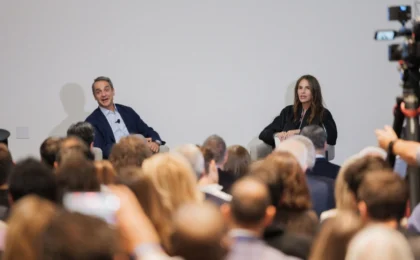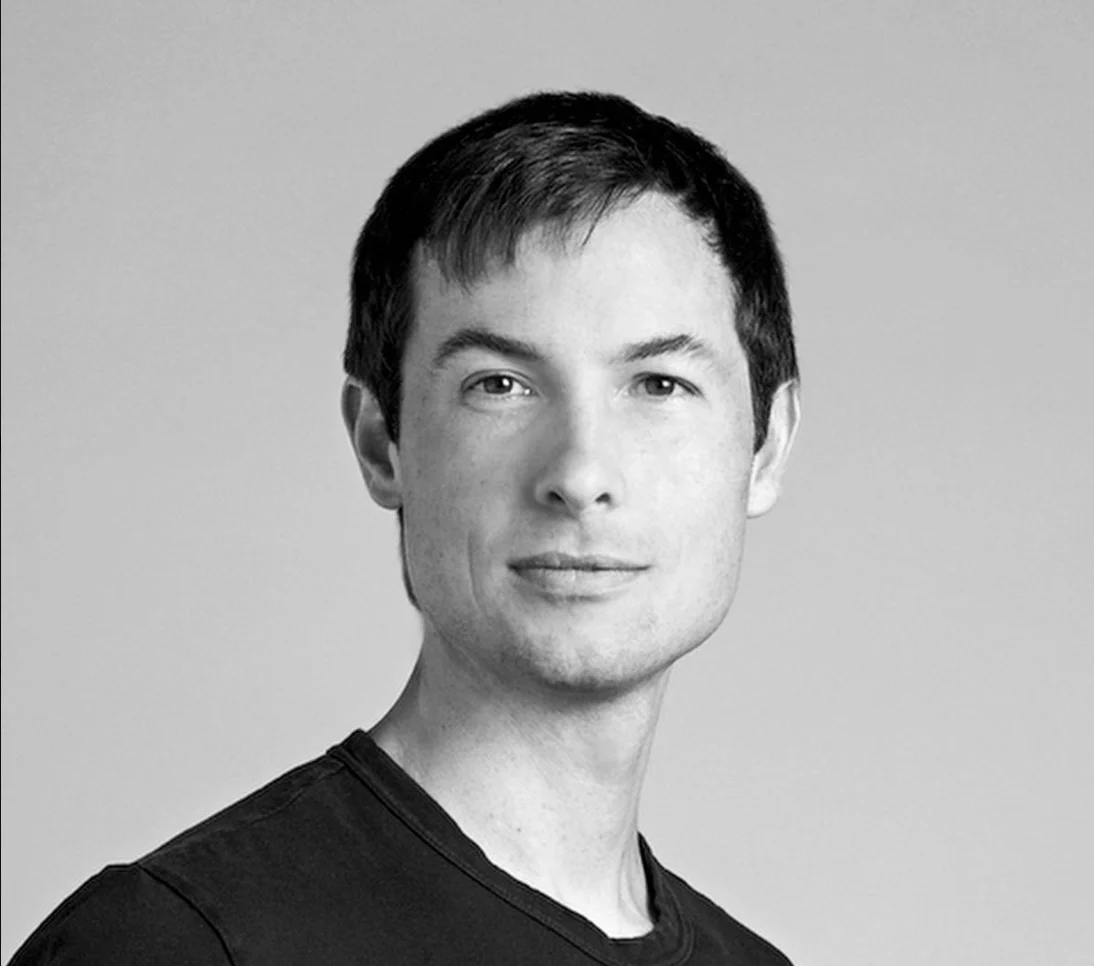
Reed Jobs has cultivated a professional identity that is distinctly his own, defined by a rapid-fire, analytical intellect and a self-deprecating humor that disarms even the most skeptical industry observers. While the world inevitably connects him to the legacy of his father, Steve Jobs, Reed’s focus is fixed on a different kind of "design"—the complex, biological architecture of cancer cells. As the founder of Yosemite, an oncology-focused venture firm launched in 2023, he is steering a new course in biotech, blending the high-stakes world of venture capital with the altruism of academic philanthropy to tackle the most elusive targets in human health.
The Genesis and Evolution of Yosemite
Three years ago, the biotech landscape was in the doldrums. The industry was reeling from a post-pandemic correction, capital was drying up, and investors had retreated into a defensive, conservative posture. It was in this climate that Jobs launched Yosemite. Today, the firm has matured into a 17-person team managing a portfolio of approximately 25 companies, bolstered by a recently announced $350 million second fund.
Yosemite’s philosophy is rooted in a fundamental belief that the most transformative cancer cures will not be found sitting on a pharmaceutical shelf, but must be built from the ground up. By marrying “no-strings-attached” philanthropic grants with traditional venture funding, Jobs aims to de-risk high-potential ideas while they are still in their infancy within university labs.
Chronology of Growth
- 2023: Yosemite is founded amid a biotech market crash, with a mandate to focus exclusively on oncology.
- 2023–2024: The firm seeds its first portfolio, with two out of 20 companies emerging directly from university grants.
- 2025: The firm successfully closes its second fund, reaching a $350 million target.
- 2026: Yosemite moves into a phase of high activity, capitalizing on the “patent cliff” facing major pharmaceutical companies and the rapid integration of AI in clinical trial design.
The Mechanics of Innovation: Building, Not Just Betting
Unlike traditional VC firms that primarily invest in pre-existing startups, Yosemite operates as a “venture builder.” Approximately one-third of the firm’s capital is dedicated to spinning up companies internally—often in partnership with prestigious institutions like Yale, Berkeley, and Stanford.
The firm’s portfolio includes standout entities like Azalea, which evolved from a grant to Jennifer Doudna’s lab, and Quarry, which is pioneering “induced proximity” therapeutics. By physically forcing disease-causing proteins toward a cell’s internal degradation machinery, Quarry bypasses the limitations of traditional drug blocking.
“If you want to be first, and you want to help discover new areas, that’s what we’re going to be best at,” Jobs notes. The firm has carved out a niche in epigenetic gene editing—altering how genes are expressed without modifying the underlying DNA—and solving the long-standing bottleneck of delivering gene-editing tools safely to specific cells.
Data-Driven Oncology: The AI Intersection
A central pillar of Yosemite’s current strategy is the aggressive integration of Artificial Intelligence. While some sectors of tech have viewed AI through a lens of hype, Jobs maintains a pragmatic view: it is the ultimate tool for accelerating the "grunt work" of drug discovery.
Transforming Clinical Trials
The most significant drag on drug development is the Phase 3 clinical trial, which often costs upward of $260 million with a high failure rate. Jobs identifies patient recruitment and retention as the primary culprits of this inefficiency.
Yosemite is advocating for the use of “synthetic control arms”—computer-generated cohorts built from existing longitudinal patient data. By reducing the need for a full, real-world control group, researchers can effectively halve the patient requirements for trials, dramatically increasing the speed to market. Regulatory bodies like the FDA are increasingly showing openness to this methodology, signaling a fundamental shift in how clinical evidence is gathered.

Solving the “Undruggable”
AI is also changing the landscape of molecular chemistry. Historically, scientists could only target about 15% of the genome, as many disease-driving proteins—like the infamous KRAS gene—lack the surface “pockets” required for drug molecules to latch on. KRAS, often described as a “Death Star” due to its smooth, featureless surface, was long considered impossible to target. Recent breakthroughs, accelerated by AI-driven structural modeling, have allowed firms like Revolution Medicines to find cryptic pockets on these proteins, paving the way for therapies that have already shown the ability to double survival rates in pancreatic cancer patients.
Implications for the Future of Healthcare
The landscape of oncology is shifting under the influence of several macro-economic and scientific tailwinds. As the “patent cliff” looms—a period where many blockbuster drugs lose exclusivity simultaneously—major pharmaceutical companies are sitting on record cash reserves and are in an acquisition frenzy.
The NIH Funding Debate
Jobs remains a vocal advocate for federal support of basic science. Despite political pressure in recent years to slash the National Institutes of Health (NIH) budget, the scientific community has seen bipartisan support hold firm against drastic cuts. Jobs argues that the government should be going on the offensive. “On a dollar basis, [NIH funding] hasn’t grown in about a decade,” he says. “Relative to inflation, it’s actually shrunk.” He advocates for a massive increase in funding, pushing for a $100 billion annual budget to ensure the basic research pipeline does not dry up.
The Rise of GLP-1s and “Pan-Disease” Prevention
The success of GLP-1 weight-loss drugs has introduced a new variable into the oncological equation. Beyond weight management, there is emerging evidence that these drugs may offer protective benefits against neurodegenerative diseases and certain cancers. Because obesity is a “pan-disease” risk factor—one of the few variables that increases the risk for almost every major condition—the success of these drugs is prompting investors to re-examine previously “cold” disease areas with renewed capital and ambition.
The Human Element: Founder Archetypes and Storytelling
When asked about the qualities of a successful founder, Jobs emphasizes that the best science often requires a division of labor. He notes that the founder is frequently an academic—a chief scientist or medical officer—whose primary talent lies in discovery, not in corporate narrative.
“I’ve seen companies with great science fail because of bad storytelling,” Jobs admits. However, he cautions that the CEO role is distinct from the scientific lead. The most successful ventures are those that pair brilliant academics with professional operators capable of navigating capital markets and articulating the vision of the company to the broader world.
Conclusion: A Mission Beyond the Bottom Line
While Yosemite is a venture firm, its operations are underpinned by a mission-driven approach. By dedicating 2.5% of the fund’s assets under management to a no-strings-attached donor-advised fund, Jobs ensures that the firm remains connected to the academic roots of medicine.
As he looks toward the next phase of the firm’s growth, Jobs remains focused on the "Achilles’ heels" of cancer—specifically the p53 tumor suppressor gene, which is mutated in nearly every form of cancer. His goal is to find a way to "turn back on" or attack these mutated forms, a feat that would represent one of the most significant advancements in the history of medicine.
Reflecting on the pace of progress, Jobs expresses a sentiment that is both exhilarating and sobering. “This time is more important than I realized, which is both scarier and more empowering.” With a clear-eyed focus on the collision of AI, philanthropy, and clinical innovation, Yosemite is positioning itself not just as an investor, but as an architect of a future where the most lethal diseases may finally become manageable, or even curable.