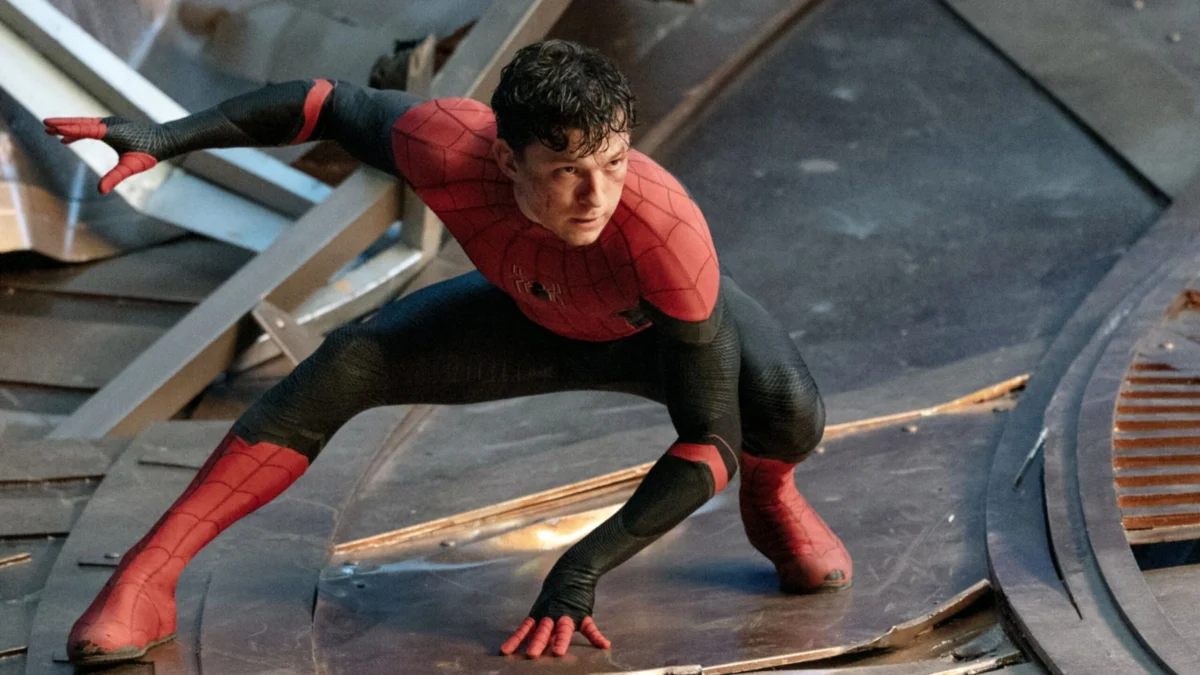
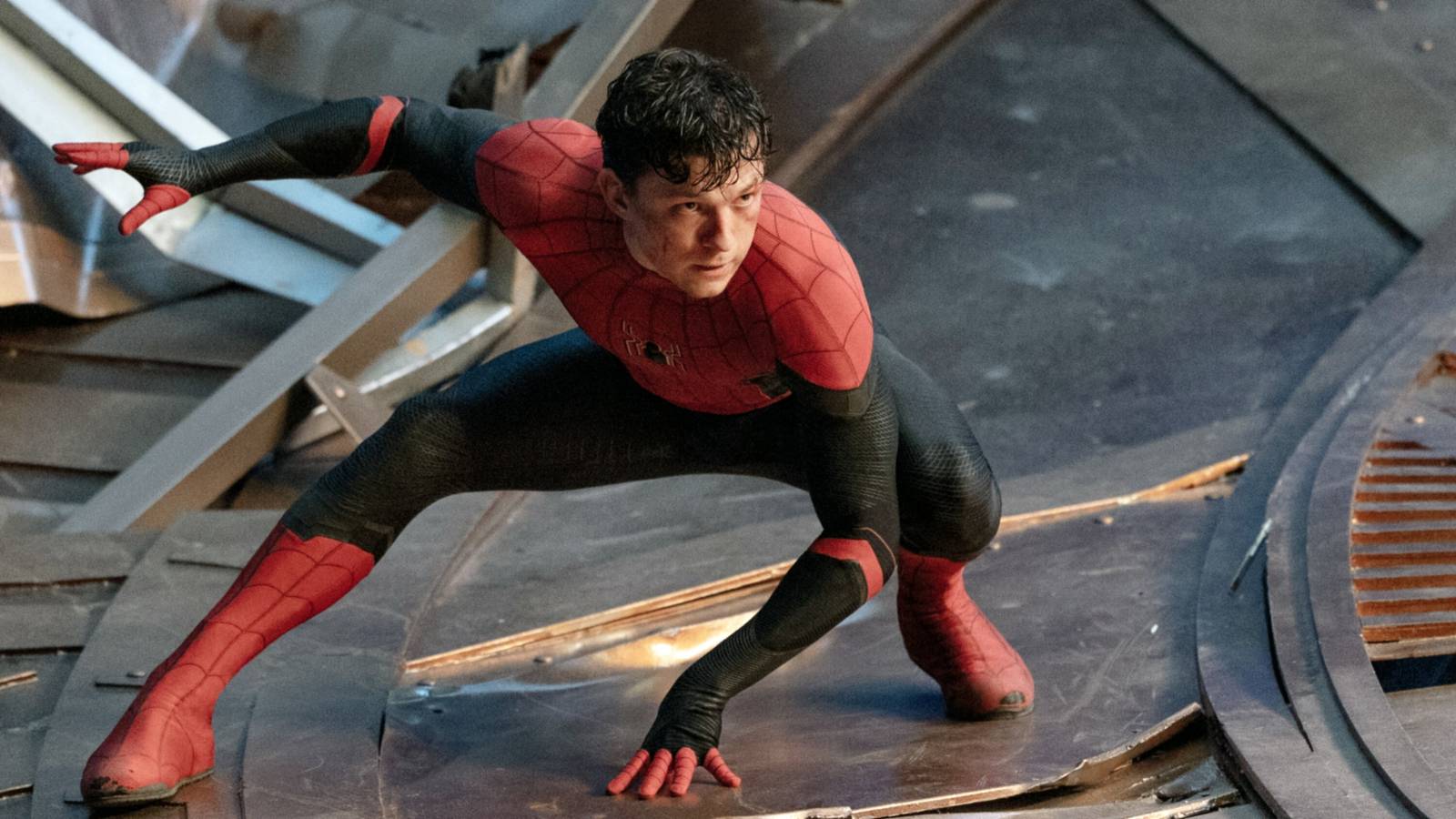
As the release date for Spider-Man: Brand New Day approaches, the Marvel Cinematic Universe (MCU) is bracing for a potential shift in its web-slinging hierarchy. Tom Holland, who has occupied the role of Peter Parker since his debut in 2015’s Captain America: Civil War, has once again signaled his intention to eventually step back from the iconic spandex. In a surprising turn, Holland has publicly identified his preferred successor: rising star Owen Cooper.
This latest revelation has ignited intense speculation regarding the future of the franchise, the potential introduction of Miles Morales, and the intricate, often turbulent, legal landscape governing the character’s rights between Sony Pictures and Marvel Studios.
The Torch-Passing Mentality: A Legacy in the Making
For nearly a decade, Tom Holland has defined a generation of Peter Parker. However, the actor has been increasingly vocal about the necessity of change. Drawing a direct parallel to the mentorship he received from Robert Downey Jr., who served as a guiding force both on and off-screen, Holland expressed a desire to facilitate a similar transition for the next generation.
"I would love to be a part of setting up the next chapter," Holland remarked in a recent interview with Empire. "Whatever that looks like, I don’t know. But if I could do what Downey did for me, then I would be so content swinging off into the sunset."
This sentiment underscores a shift in how modern superhero franchises manage long-term talent. By actively participating in the "fancasting" process, Holland is positioning himself not just as a departing star, but as a stakeholder in the continuity of the Spider-Man brand.
Meet Owen Cooper: The Next Web-Slinger?
In a recent interview with Esquire, Holland identified Owen Cooper as his top choice to inherit the mantle. "Owen Cooper would be awesome," Holland noted. "Obviously, he’s super-talented and he’s the talk of the town right now."
Cooper’s trajectory in Hollywood has been meteoric. Best known for his chilling performance in last year’s Netflix thriller Adolescence—where he portrayed a preteen accused of murder—Cooper has demonstrated a range that defies his youth. His accolades are already piling up, including a BAFTA for Best Supporting Actor and a Golden Globe for his television work. His recent film debut in the adaptation of Wuthering Heights and his upcoming role in the 2027 epic Cry to Heaven suggest an actor with the gravitas to handle the emotional weight of Peter Parker’s journey.
A Chronology of the MCU’s Spider-Man
To understand the weight of Holland’s comments, one must look back at the tenure of the character within the Marvel Cinematic Universe:
- 2015: Tom Holland is cast as Peter Parker, marking the first time the character is fully integrated into the MCU.
- 2016: Captain America: Civil War introduces Holland’s iteration, receiving critical acclaim for its youthful energy and adherence to the source material.
- 2017–2021: The Home trilogy (Homecoming, Far From Home, No Way Home) cements Holland as a global superstar, culminating in a multiversal crossover that honored the legacy of his predecessors, Tobey Maguire and Andrew Garfield.
- 2026: Spider-Man: Brand New Day is slated for a July 31 release, with anticipation mounting over how it will address the character’s evolution.
- Present: Holland shifts the conversation toward his eventual departure, suggesting a transition period that mirrors the "passing of the torch" narrative arc seen in the comics.
The British Connection: A Pattern of Casting
If Owen Cooper were to step into the role, he would continue a peculiar trend of British actors dominating the portrayal of the Queens-born superhero. Both Holland and Andrew Garfield—who led Sony’s The Amazing Spider-Man duology—hail from the United Kingdom.
While some purists argue that the role should remain with an American actor to better reflect the character’s New York roots, industry analysts suggest that casting directors are prioritizing versatility and the ability to handle the rigorous physical and promotional demands of the franchise. The "British Invasion" of the MCU’s Spider-Man franchise has proven to be a formula for both critical and commercial success.
Official Responses and Industry Implications
While Marvel Studios and Sony Pictures have remained largely silent on the specific prospect of Owen Cooper joining the franchise, the industry reaction has been one of calculated optimism.
"Tom Holland is a massive asset to the MCU," says one industry analyst. "If he wants to step down, the studio will likely listen to his input. He has earned the right to have a say in the legacy of the character."
However, the path to a new Spider-Man is rarely straightforward. The licensing agreements between Disney and Sony remain a complex web of legal clauses. For years, the two studios have danced a delicate tango regarding character rights, which significantly limits who can appear in the MCU.
The Miles Morales Question
Beyond the casting of a new Peter Parker, a significant portion of the fanbase is clamoring for Miles Morales to take the lead. The success of the Spider-Verse animated films has elevated Morales to a level of popularity that rivals Parker himself.

Holland’s own commentary suggests he is aware of this shift. By referencing a desire to mentor the "next chapter," Holland implies that he is open to a dynamic similar to the one between Jake Johnson’s Peter B. Parker and Miles Morales. If the MCU were to pivot toward Morales, it would allow the studio to maintain the brand’s momentum while providing a fresh, diverse narrative foundation.
However, the "up in the air" nature of the Disney-Sony deal remains the primary obstacle. Whether or not Morales can officially cross over into the live-action MCU remains a topic of intense negotiation, with fans waiting for a definitive answer that has yet to arrive.
The Future of the Franchise: Looking Toward ‘Brand New Day’
As we approach the July 31 premiere of Spider-Man: Brand New Day, the focus remains on the immediate future. Holland is currently fully committed to the role, and reports suggest the film is poised to be one of the most ambitious entries in the series to date.
Some rumors suggest that the film will grapple with the "Spider-Puberty" narrative—a concept Holland himself has championed—focusing on the transition from a teenage hero to a young adult navigating the complexities of adulthood, grief, and power.
Conclusion: A Graceful Exit
Tom Holland’s public endorsement of Owen Cooper serves as a strategic move. By setting the narrative framework for his own exit, Holland is ensuring that the transition, when it eventually happens, will feel earned and intentional rather than abrupt.
The Marvel Cinematic Universe is built on a cycle of renewal. From Iron Man to Captain America, the greatest heroes have always made room for those who follow. If Tom Holland is indeed preparing to "swing off into the sunset," he is doing so with a clear vision for the future—and if that future involves Owen Cooper, it seems the next chapter of Spider-Man is in capable, albeit young, hands.
For now, the audience must wait for Spider-Man: Brand New Day to understand the context of these remarks. Will the film offer a hint of the mentor role Holland desires? Or is this merely the beginning of a long goodbye? As the summer release date approaches, one thing is certain: the world is watching, and the webs are ready to be spun anew.