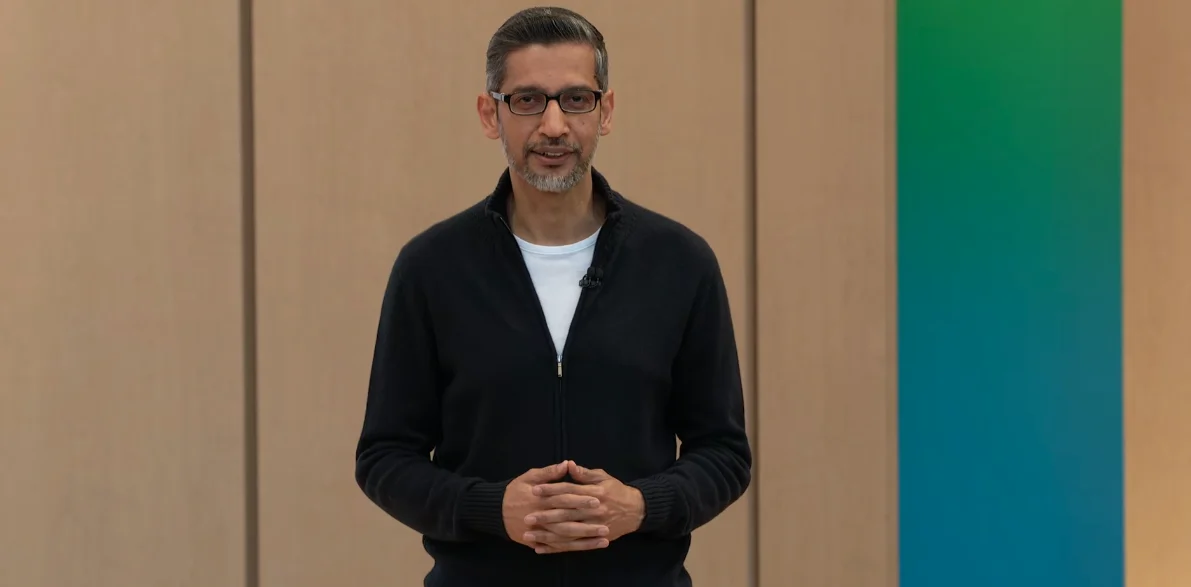
The tradition of the university commencement ceremony—a time-honored ritual of cap-and-gown transition, optimistic speeches, and the celebration of intellectual achievement—was irrevocably disrupted this past weekend at Stanford University. When Google CEO Sundar Pichai, an alumnus of the institution, took the stage to address the graduating class, he was not met with the customary applause. Instead, he faced a coordinated walkout and a chorus of boos, marking a significant moment in the growing chasm between the leaders of Big Tech and the generation they aim to recruit.
The protest, which saw approximately 200 students exit the ceremony, was not a general grievance against the tech industry; it was a targeted moral indictment of Google’s specific business partnerships. The primary focus of the unrest was "Project Nimbus," the $1.2 billion cloud-computing and artificial intelligence contract Google shares with Amazon to provide infrastructure for the Israeli government and military. Beyond the Middle East, the students also signaled their opposition to Google’s ongoing technological collaborations with U.S. Immigration and Customs Enforcement (ICE).
The Chronology of Discontent: From Silicon Valley Boardrooms to Graduation Stages
To understand the intensity of the reaction at Stanford, one must view it as the culmination of a multi-year trend of internal and external pressure. The friction between Google’s workforce and its leadership has been mounting since the inception of Project Nimbus.
2021-2023: The Inception and Early Opposition
Project Nimbus was signed in 2021, and almost immediately, it sparked controversy among human rights advocates and Google’s own employees. Activist groups, most notably "No Tech for Apartheid," began lobbying for the company to terminate the contract, citing concerns that the AI services provided could facilitate surveillance and human rights violations.
April 2024: The Breaking Point
The tension escalated significantly in April 2024, when Google terminated 28 employees who had participated in sit-ins at company offices to protest the Nimbus contract. Rather than silencing the dissent, the move emboldened it, solidifying the narrative among young tech workers and students that Google had prioritized government contracts over the welfare of its own workforce and its stated ethical principles.
Mid-2025 to Present: Academic and Institutional Scrutiny
Throughout 2025, internal dissent continued to simmer, with reports surfacing of ongoing employee dissatisfaction. Simultaneously, the Electronic Frontier Foundation (EFF) published a blistering critique, accusing Google and Amazon of "choosing to look the other way" regarding how their cloud technology was being deployed in active conflict zones. The pressure moved from the corporate office to the campus, leading to the dramatic protest at Stanford this past weekend.
Supporting Data and Context: The AI Ethics Debate
The student-led protest was characterized by specific, emotive messaging. Attendees held signs bearing slogans such as "ICE SPIES WITH GOOGLE AI," "GENOCIDE RUNS ON GOOGLE," and "FREE FREE PALESTINE." The protest was facilitated by a coalition of organizations, including Stanford Students for Justice in Palestine, No Tech for Apartheid, and Tech for Liberation.
The scale of the opposition is not isolated. Across the United States, students are increasingly interrogating the ethics of the companies that define the modern workforce. While previous generations of Stanford graduates often viewed Silicon Valley firms as the pinnacle of professional success, this cohort is demonstrating a shift in values. A survey conducted by KQED recently highlighted that many recent California college graduates are deeply skeptical of AI’s societal impact, fearing both the displacement of labor and the potential for these technologies to be used in ways that cause real-world harm.
Furthermore, the comparison to other tech giants provides context for the protest. While Google and Amazon have maintained their commitment to the Israeli military contract, other industry players have faced similar heat but responded differently. Notably, Microsoft—which has also faced immense pressure regarding its own technology—eventually restricted the Israeli government’s access to specific cloud services following an internal investigation that linked its tools to the mass surveillance of Palestinians. This contrast has made Google’s refusal to pivot appear, to its critics, as a deliberate moral choice rather than a neutral business decision.
Official Responses and The Billionaire Backlash
In the wake of the Stanford walkout, the reaction from the broader business community was swift and polarized. While Google has generally remained reticent in official statements—a spokesperson indicated they would reach out to address the concerns—the silence from the C-suite was filled by vocal proponents of the current industry trajectory.
Vinod Khosla, the billionaire venture capitalist and co-founder of Sun Microsystems, took to the social media platform X to condemn the students. In a post that quickly went viral, Khosla characterized the protest as "biased, idiotic, short-sighted and very selfish." His argument rested on the utilitarian potential of AI: that by focusing on the geopolitical implications of a contract, the students were losing sight of the "bottom 3 billion people on this planet" who might benefit from the democratization of AI services.
Khosla’s reaction underscores a fundamental divide in the tech ecosystem. On one side are the "techno-optimists" who believe that the deployment of AI is an absolute good that should not be hindered by political or humanitarian constraints. On the other side are the "tech-critics"—the students and employees—who argue that technology is never neutral and that the providers of such infrastructure must be held accountable for the end-use of their tools.
The Broader Implications: What Does This Mean for Big Tech?
The incident at Stanford is more than a momentary embarrassment for Sundar Pichai. It signals a shift in the power dynamics of the tech industry.
1. The Erosion of Brand Loyalty
For decades, tech giants like Google cultivated a "cool" factor—a sense of idealism represented by their original, if later discarded, motto, "Don’t be evil." As these companies have become massive, entrenched government contractors, that idealism has evaporated. This makes it increasingly difficult for these firms to recruit top-tier talent from elite universities where students are increasingly focused on the ethical ramifications of their work.
2. The Normalization of Political Dissent in the Workplace
The firing of 28 employees in 2024 and the subsequent protests suggest that the "silicon ceiling" for dissent is cracking. Employees and students are no longer willing to compartmentalize their professional labor from their political beliefs. This creates a challenging environment for leadership, which must now navigate a workforce that demands a seat at the table regarding company ethics and contract selection.
3. The "AI Hype" vs. "AI Harm" Narrative
Commencement speakers across the country have faced boos throughout 2026, often when attempting to drum up excitement for the AI revolution. However, the Stanford protest was different. It was not a rejection of technology itself, but a rejection of the business practices surrounding it. This represents a more sophisticated form of protest. The students are not anti-tech; they are anti-complicity.
4. Regulatory and Public Pressure
The Electronic Frontier Foundation’s involvement, combined with the increasing scrutiny from human rights groups, suggests that the "business as usual" approach for companies like Google is becoming a liability. As governments and international bodies begin to draft stricter regulations for AI deployment, the reputational damage caused by incidents like the Stanford walkout could lead to increased legislative pressure to force transparency in military and surveillance contracts.
Conclusion: A New Era for Corporate Responsibility
The walkout at Stanford is a microcosm of a larger, systemic crisis of confidence. Sundar Pichai’s attempt to deliver an inspirational message was effectively neutralized by the very students who are expected to build the future of his company.
As the war in Gaza continues to serve as a lightning rod for global activism, the pressure on tech corporations to take a definitive stance on the human rights implications of their products will only intensify. Silicon Valley can no longer rely on the assumption that innovation is inherently moral. The students who walked out of the Stanford stadium have signaled that the era of unquestioning deference to tech leadership is over. For companies like Google, the path forward will require more than just technical innovation; it will require a fundamental reassessment of the ethical costs of their business, or risk becoming increasingly isolated from the next generation of intellectual and professional leaders.