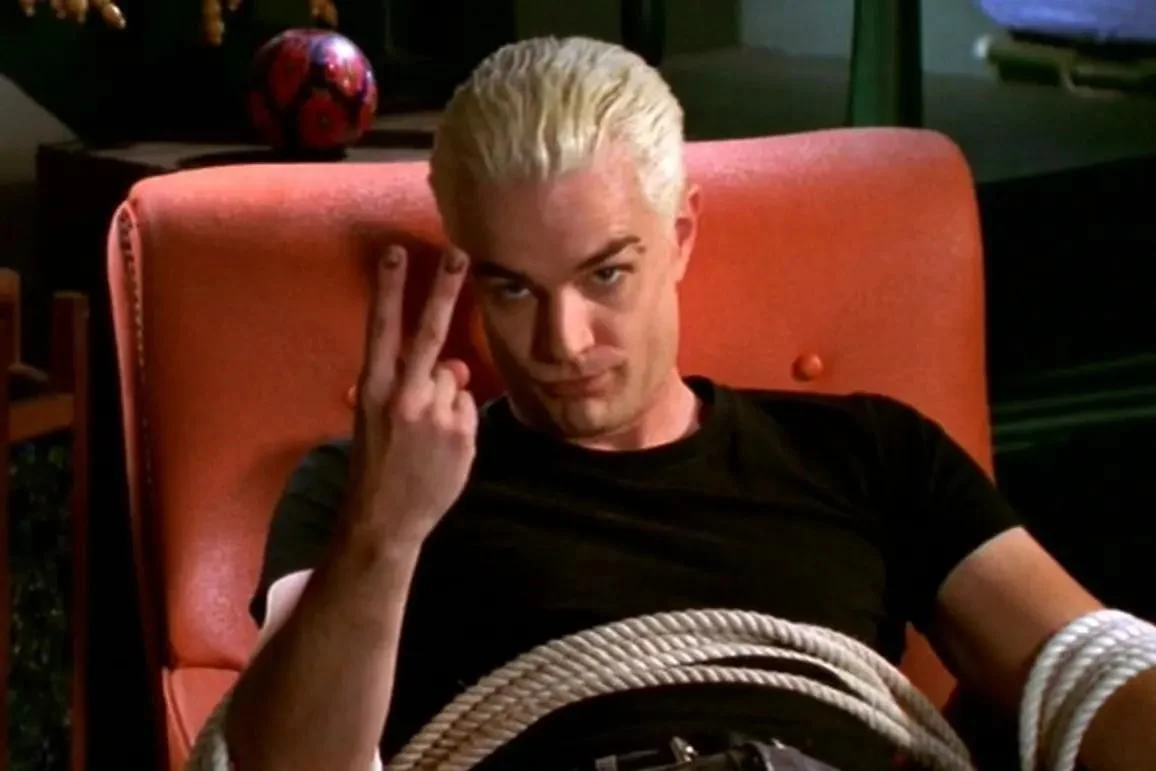
In the pantheon of television anti-heroes, few characters have undergone a transformation as radical, polarizing, and ultimately profound as William the Bloody—better known to the world as Spike. Played with electric, sneering charisma by James Marsters, the platinum-blonde vampire evolved from a punk-rock villain into the emotional anchor of the Buffy the Vampire Slayer series finale, "Chosen." While the show is famous for its witty dialogue and genre-bending premise, it is Spike’s final, selfless act that remains etched in the memories of fans decades later.
The Architecture of an Icon: Main Facts
Spike entered the Sunnydale scene in the second season, initially presented as a chaotic, thrill-seeking foil to the brooding, soulful Angel. Over the course of the series, Spike transitioned from a monster who enjoyed the hunt to a complex, soul-searching entity who fought alongside the Scooby Gang.
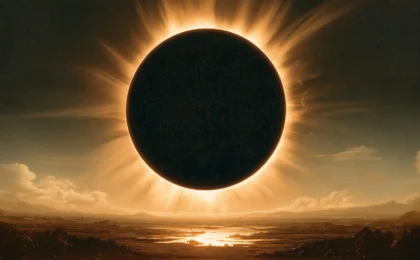
The defining moment of his arc occurs in the series finale. As the Hellmouth begins to collapse, swallowing the town of Sunnydale, Spike chooses to remain behind. Using a mystical amulet provided by Angel, Spike serves as the conduit for a massive solar flare that destroys the Turok-Han army and seals the Hellmouth. In his final moments, as he is consumed by the very fire that saves the world, he shares a poignant, heartbreaking exchange with Buffy Summers. When Buffy tells him, "I love you," Spike’s response—"No, you don’t. But thanks for saying it"—serves as the definitive proof of his character development: he finally values Buffy’s autonomy and truth over his own desperate desires.

A Chronology of a Vampire’s Soul
To understand the gravity of Spike’s sacrifice, one must trace the winding path of his journey:
- Season 2: The Villainous Debut: Spike arrives in Sunnydale with Drusilla, acting as a direct antagonist to Buffy. He is defined by his unpredictability and his disdain for the "boredom" of typical vampire life.
- Season 4: The Chipped Vampire: The Initiative captures Spike and implants a microchip in his brain that prevents him from harming humans. This forced neutrality forces him into a reluctant alliance with Buffy, turning him from a predator into a begrudging accomplice.
- Season 6: The Darkest Hour: This remains the most controversial period for the character. After a failed attempt to force himself upon Buffy, Spike is horrified by his own lack of humanity. This realization acts as the catalyst for his quest to regain his soul.
- Season 7: The Redemption Arc: Spike returns to Sunnydale with his soul restored. He endures intense physical and psychological suffering to prove his loyalty. He is no longer fighting for himself; he is fighting for the girl he loves, regardless of whether she reciprocates.
- The Finale ("Chosen"): Spike’s arc concludes. He accepts his role as the savior, choosing death to protect the world, finally achieving the nobility he spent his afterlife chasing.
Supporting Data: Why the Performance Resonates
Critics and fans alike have long pointed to the "Spike effect" as a masterclass in long-form television writing. Unlike traditional redemption arcs, which often rely on a "heroic turn" that erases past sins, Buffy writers allowed Spike to remain stained by his history.
Data from audience engagement metrics and retrospective critiques consistently highlight that Spike is the only character to undergo a complete shift in moral alignment without losing his core personality. He remains snarky, cynical, and fashion-forward, yet his actions become consistently altruistic. James Marsters’ performance added a layer of vulnerability that wasn’t necessarily on the page; his ability to pivot from a sneering villain to a weeping, soul-searching martyr is cited in acting masterclasses as a benchmark for genre television.

The Narrative of "No, You Don’t"
The dialogue in the finale is frequently analyzed for its brutal honesty. Throughout the series, Spike was defined by his obsession with Buffy. He viewed their relationship as a possession or a prize to be won. By the time of his death, he had shed that possessiveness.
When he tells Buffy she doesn’t love him, he is not seeking a final moment of comfort; he is acknowledging that her affection is a reaction to his sacrifice, not a reflection of a balanced, romantic partnership. This maturity is the ultimate proof of his redemption. He dies as the most "human" person in the room because he is the only one capable of putting someone else’s emotional state before his own immediate gratification.
Implications for Modern Television
Spike’s journey set a precedent for the "anti-hero redemption" trope that has since become a staple of prestige television. Shows like Game of Thrones, Breaking Bad, and The Boys have all attempted to navigate the space between villainy and heroism. However, Spike remains the gold standard because his transformation was earned through suffering and time, rather than a single act of convenience.
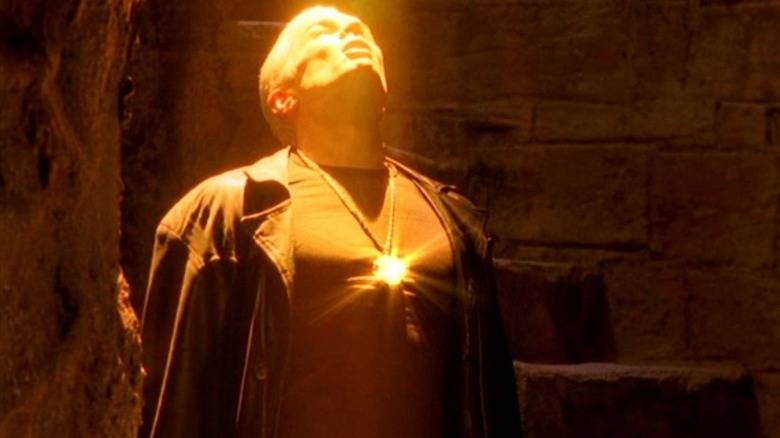
The implication for writers is clear: the audience does not need to forgive a character for their past crimes to root for their growth. By allowing Spike to maintain his edge, the show maintained its integrity. Spike never became a "good guy" in the traditional sense; he became a man—well, a vampire—who chose to do the right thing despite the fact that he was, by his very nature, a creature of the dark.
Final Reflections: The Legacy of a Slayer’s Ally
Today, Buffy the Vampire Slayer is widely available on streaming platforms like Hulu, allowing new generations to witness the slow-burn brilliance of Spike’s evolution. His legacy is not just in his iconic one-liners or his leather-clad aesthetic, but in the idea that one’s past does not dictate their future.
Whether you view him as a villain who went too far or a hero who started too late, Spike remains the beating, albeit undead, heart of the series. As the Hellmouth closed and the sunlight consumed him, Spike finally found the peace that had eluded him for over a century. He didn’t need the girl to love him to know that he was worthy of the sacrifice—and that, in itself, is the greatest character arc in the history of the genre.