In a medical breakthrough that promises to reshape the landscape of gastroenterology, researchers have identified a clandestine series of immune system shifts that occur up to a decade before the clinical onset of inflammatory bowel disease (IBD). Presented at the prestigious UEG Week 2026, these findings offer a profound new understanding of Crohn’s disease and ulcerative colitis, suggesting that the "hidden" phase of these debilitating conditions is far more active than previously imagined. By leveraging artificial intelligence to analyze hundreds of thousands of blood-based antibody patterns, scientists are moving toward a future where a routine blood test could predict an individual’s risk of developing IBD long before the first symptom manifests in the digestive tract.
The Silent Onset: Defining the Hidden Phase of IBD
Inflammatory bowel disease, an umbrella term encompassing Crohn’s disease (CD) and ulcerative colitis (UC), represents a group of chronic, often progressive, conditions characterized by persistent inflammation of the gastrointestinal tract. While the exact etiology remains a subject of intense scientific debate, the consensus has shifted toward a model of immune dysregulation—a scenario where the body’s defense mechanisms turn inward, mistakenly attacking the lining of the intestines.
For decades, the medical community viewed the diagnosis of IBD as the "starting line" of the disease. Patients typically present with symptoms such as severe abdominal pain, chronic diarrhea, and systemic fatigue, prompting colonoscopies or imaging that confirm the condition. However, the latest research suggests this clinical presentation is merely the "tip of the iceberg." Beneath the surface, the immune system undergoes a silent, decade-long transformation. Understanding this preclinical period is the "holy grail" of modern gastroenterology, as it offers the only window of opportunity for preventative intervention before irreversible tissue damage occurs.
The Chronology of a Decade: A Retrospective Analysis
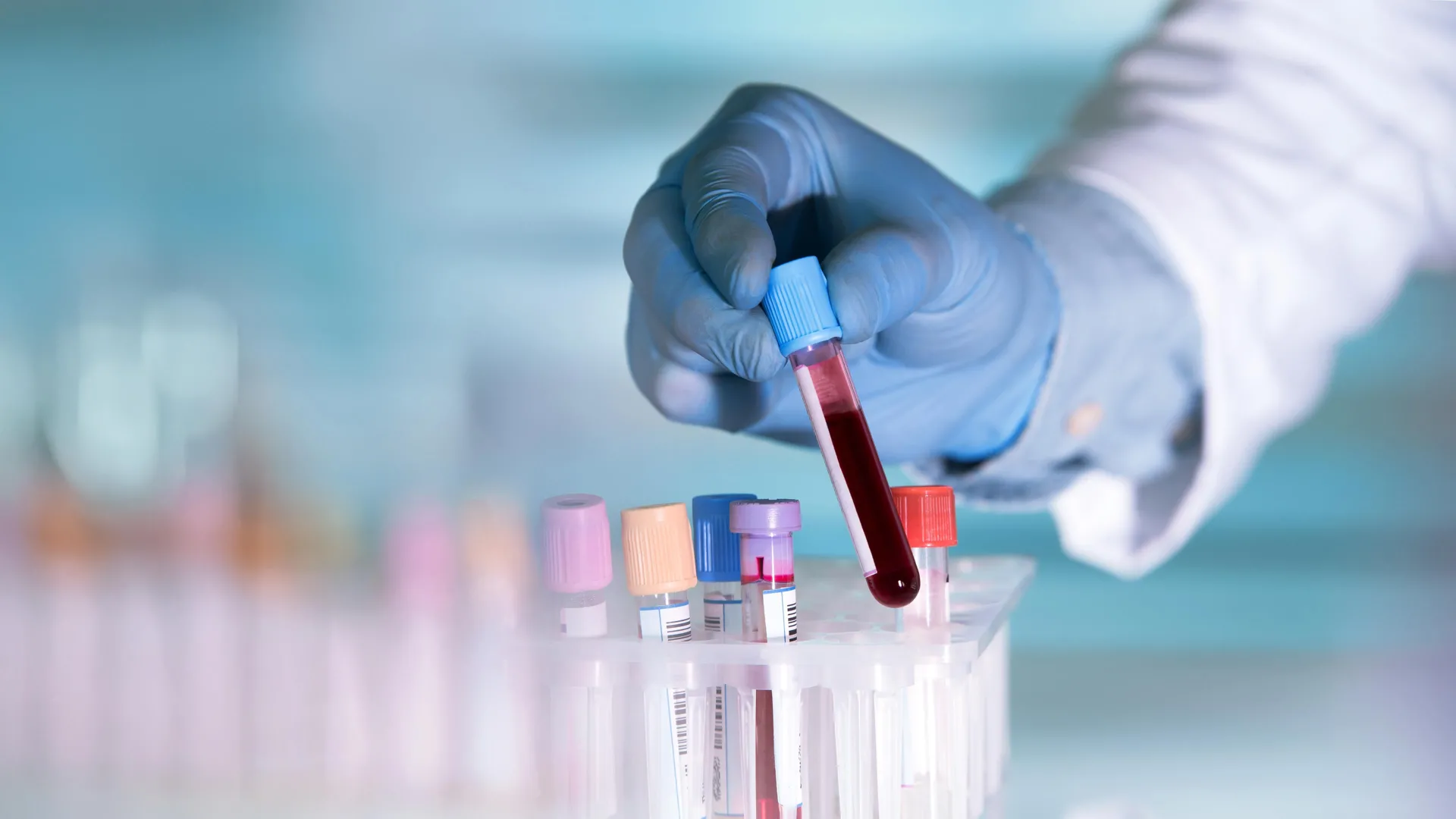
To map this elusive period of development, researchers conducted a massive, longitudinal study using 2,000 blood serum samples derived from 500 individuals. The cohort was meticulously balanced to provide a clear picture of disease progression: 200 participants who were later diagnosed with Crohn’s disease, 200 with ulcerative colitis, and a control group of 100 healthy individuals matched for age and sex.
The strength of this study lay in its temporal depth. By accessing samples collected at the point of diagnosis and at intervals of approximately two, four, and 10 years prior, the research team was able to effectively "rewind" the biological clock. This longitudinal design allowed the scientists to identify specific immunological biomarkers that emerged long before the diseases were clinically recognized.
The team utilized high-throughput technology to analyze antibody reactions to approximately 357,000 distinct antigens—substances ranging from common dietary proteins to viral and bacterial components. Across this vast dataset, the researchers detected 123,980 unique antibodies, providing a granular view of the immune system’s changing landscape.
Supporting Data: The "Narrowing" of the Immune Shield
A defining observation in the study was the loss of immune complexity. In healthy individuals, the immune system maintains a robust, diverse repertoire of antibody responses, allowing the body to recognize and manage a wide array of environmental challenges. In contrast, those who went on to develop IBD exhibited a marked reduction in antibody diversity.
This "narrowing" of the immune system’s defensive range was not a late-stage development; it was detectable as far back as 10 years before the formal diagnosis. This suggests that the immune system in future IBD patients enters a state of restricted or dysfunctional surveillance years before the gut itself shows signs of active inflammation.
Divergent Immune Signatures
The study further revealed that Crohn’s disease and ulcerative colitis possess distinct "immune fingerprints," allowing for potential differentiation between the two conditions long before they manifest clinically.
- Crohn’s Disease: Individuals who eventually developed Crohn’s exhibited heightened antibody responses to herpesviruses and bacterial flagellin—a protein essential for the motility of certain gut bacteria. Crucially, these elevated responses were most prominent in those who later developed complex forms of the disease or inflammation affecting the ileum (the terminal part of the small intestine).
- Ulcerative Colitis: This condition was characterized by a different profile: increased antibody responses to autoantigens (the body’s own tissues) and herpesviruses, coupled with a specific decline in responses to encapsulated pathogens.
This clear differentiation suggests that the biological pathways leading to CD and UC are distinct from their inception, reinforcing the need for personalized monitoring strategies.
AI and the Predictive Power of Machine Learning
The complexity of the data—spanning hundreds of thousands of antigens and a decade of longitudinal samples—necessitated the use of machine learning. The researchers trained AI models to determine if these specific antibody signatures could distinguish future IBD patients from healthy controls.
The performance metrics were, by medical standards, exceptional. The models successfully identified future Crohn’s disease cases with an area under the curve (AUC) of 0.90, and ulcerative colitis cases with an AUC of 0.84. In the field of predictive diagnostics, an AUC of 1.0 represents perfect accuracy, while 0.5 represents a coin flip. Scoring 0.90 signifies a high level of discriminative power, suggesting that the "immune signature" is a potent, albeit hidden, predictor of future health outcomes.
Perhaps most impressively, the AI was able to distinguish between patients who would develop "complicated" Crohn’s disease—requiring surgery or aggressive biologic therapy—and those who would have a more manageable course. This distinction was achievable 10 years in advance with an AUC of 0.85, offering a potential paradigm shift in how we stratify patients at risk.
Official Perspectives: Translating Research into Reality
Dr. Arno Bourgonje, the lead author of the study, expressed optimism regarding the implications of these findings. "It is fascinating to see that complicated CD at diagnosis is associated with a distinct antibody profile years before the first clinical symptoms and is not simply the consequence of disease progression after diagnosis," Dr. Bourgonje stated.
He emphasized that these findings provide a "proof of principle" that immune profiling could fundamentally alter clinical workflows. By identifying patients at the highest risk for severe disease early on, physicians could theoretically bypass "trial and error" treatment approaches, moving instead toward a more proactive, precision-medicine model.
However, the researchers remain cautious about the immediate implementation of these findings in a primary care setting. "The next priority is to validate these signatures in independent, more diverse and prospectively followed populations," Dr. Bourgonje noted. The journey from a promising research discovery to a clinical blood test is rigorous. It requires proving that these antibody tests provide added value over current gold-standard markers, such as fecal calprotectin, C-reactive protein (CRP), and genetic screenings. Furthermore, any such test must be reproducible, affordable, and, most importantly, must be shown to improve actual patient outcomes—such as reducing hospitalization rates or preventing the need for bowel resection surgery.
Implications for the Future of Gastroenterology
If these results are validated in larger, multi-ethnic cohorts, the clinical implications are profound.
- Early Intervention: If doctors can identify an individual at high risk of IBD, they might be able to intervene with dietary changes, microbiome-modulating therapies, or lifestyle adjustments that could potentially delay or even prevent the onset of clinical symptoms.
- Precision Stratification: The ability to predict disease severity 10 years in advance could allow for "precision prevention." Patients identified as high-risk could be enrolled in closer monitoring programs, ensuring that if symptoms do appear, treatment is initiated immediately to minimize long-term damage.
- Refining Disease Classification: Currently, IBD is categorized based on clinical presentation. This research suggests that IBD may be better understood as a molecular disorder, where the specific antibody profile dictates the biological trajectory of the patient.
- Economic and Quality-of-Life Gains: By shifting from reactive treatment to predictive, preemptive care, the burden on healthcare systems could be significantly reduced. Chronic diseases like IBD are costly, both in terms of direct healthcare expenditure and lost productivity for patients. Earlier identification could lead to better management and higher quality of life.
Conclusion
The findings presented at UEG Week 2026 serve as a stark reminder that chronic diseases often have long, quiet histories. The immune system, our most complex defense network, appears to be "talking" to us years before a formal diagnosis is made. By learning to interpret these signals—the loss of antibody diversity, the emergence of specific pathogen responses, and the activation of autoantigens—scientists are on the verge of turning the tide against inflammatory bowel disease. While the path to a routine, predictive blood test remains paved with necessary validation studies, the prospect of intercepting a disease before it takes hold is no longer a distant dream, but a tangible, science-driven ambition. The decade of silence before an IBD diagnosis is finally beginning to speak.