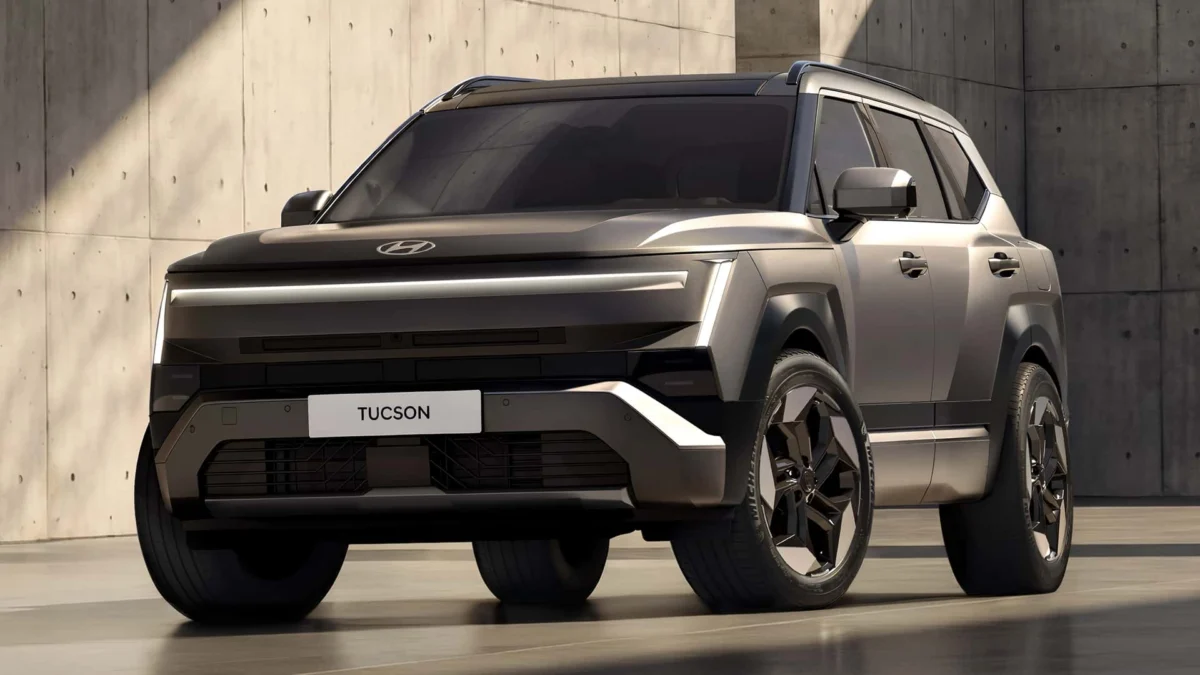
The automotive industry is currently witnessing a tectonic shift in consumer preference, and Hyundai sits at the very epicenter of this transformation. With the official unveiling of its fifth-generation 2027 Tucson, the South Korean automaker has not merely updated a best-seller; it has fundamentally reimagined what a mid-size SUV should represent in an increasingly tech-centric and design-conscious market.
Early indicators suggest this bold gamble is paying off in spectacular fashion. According to data from The Korean Car Blog, the 2027 Tucson has shattered previous records, securing an unprecedented 15,045 pre-orders on its inaugural day of availability. This figure eclipses the 10,842 pre-orders recorded during the 2020 launch of the fourth-generation model, signaling a significant surge in consumer confidence and brand momentum.
A Legacy of Growth: The Chronology of Success
To understand the significance of the 2027 model’s success, one must examine the trajectory of the Tucson nameplate over the last half-decade. The outgoing fourth-generation model was a pivotal vehicle for Hyundai, serving as a cornerstone for the brand’s record-breaking global sales streaks.
Despite the looming transition to the new generation, the 2026 sales figures for the outgoing model have been nothing short of remarkable. Year-to-date, Hyundai has moved 181,687 units of the current Tucson—a 10 percent increase over the previous year. Even more impressively, third-quarter sales surged by 32 percent, proving that the public’s appetite for the current design remains ravenous even as the new, more radical iteration approaches. This "buy-in" from consumers suggests that the Tucson has reached a level of brand equity that few competitors in the crowded crossover segment can claim.
The Aesthetic Shift: A Radical Redesign
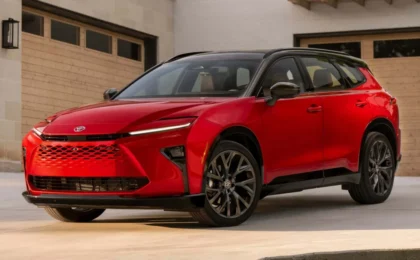
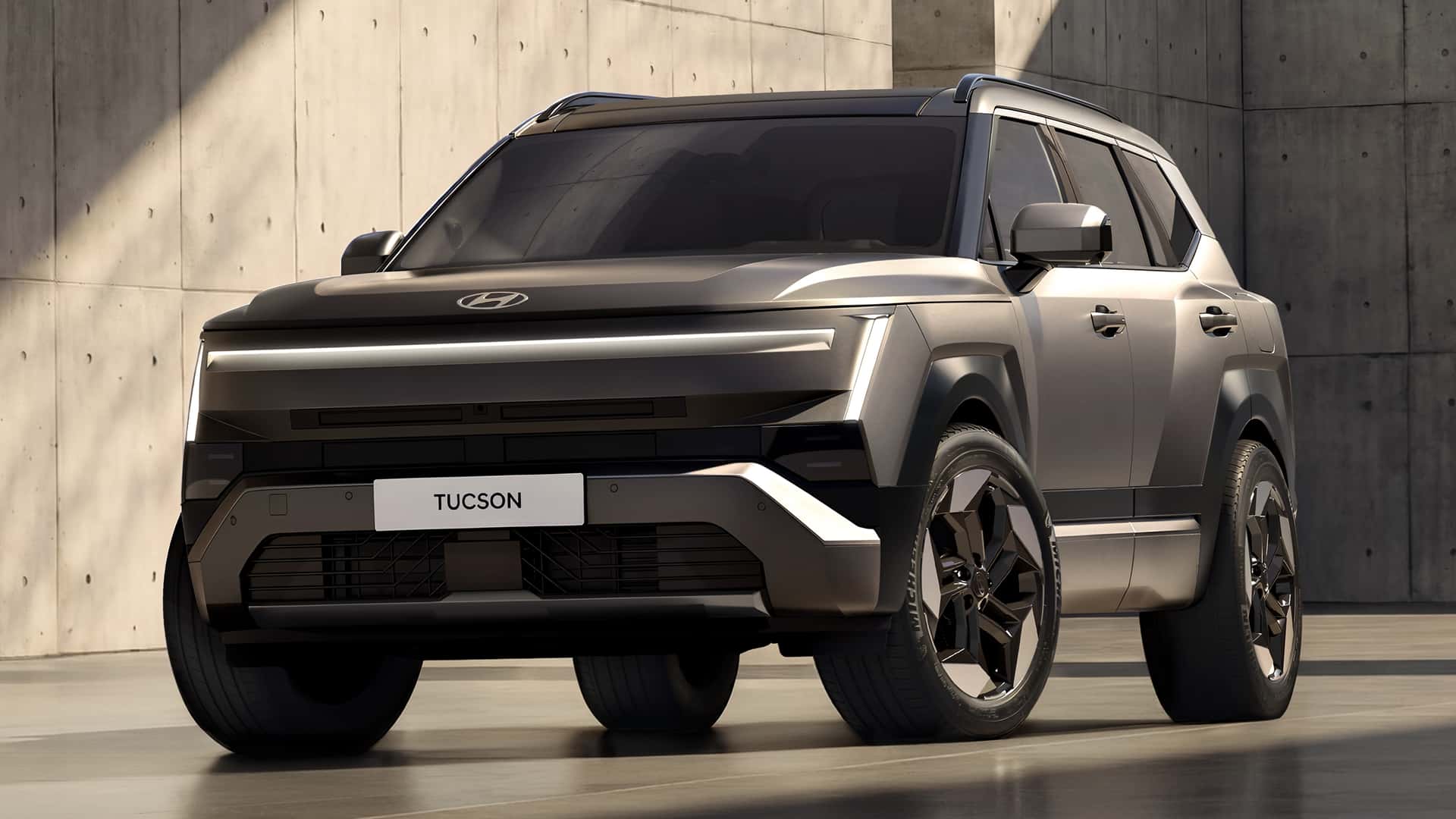
The most immediate talking point regarding the 2027 Tucson is its exterior styling. Departing from the more conservative, fluid lines of previous generations, the new model adopts a sharp, aggressive, and angular design language that aims to carve out a distinct identity on the road.
Beyond the sheet metal, the 2027 Tucson has undergone a dimensional expansion. It is 2.3 inches longer, 1.57 inches wider, and 0.8 inches taller than its predecessor. These adjustments are not merely cosmetic; they are engineered to provide a tangible increase in interior volume and passenger comfort, addressing one of the primary criteria for modern SUV buyers who prioritize utility and cabin space.
Interior Innovation: The Tech-Forward Cabin
Stepping inside, the cabin is perhaps the most profound departure from the outgoing model. Hyundai has implemented its proprietary "Pleos" infotainment system, which serves as the digital heartbeat of the vehicle. The centerpiece of this system is an expansive 17.0-inch display that dominates the dashboard, offering a level of screen real estate typically reserved for high-end luxury vehicles.
Interestingly, while many manufacturers are rushing to migrate all vehicle functions to touchscreens, Hyundai has opted for a balanced approach. The 2027 Tucson retains key physical controls, acknowledging the ergonomic superiority of tactile buttons for frequently used functions. Complementing this is a sleek 9.9-inch digital driver display positioned higher on the dash, specifically aligned with the driver’s natural eyeline to minimize distraction while maximizing access to essential vehicle data.
Market Dynamics and Consumer Preferences
The pre-order data provides a fascinating window into the buyer profile for the new Tucson. The distribution of these orders reveals a bifurcated market:
- The Premium Seekers: A staggering 44 percent of early adopters opted for the flagship trim level. This suggests that the Tucson is successfully migrating "upmarket," attracting buyers who are willing to pay a premium for high-end features, advanced driver-assistance systems, and luxury-grade materials.
- The Value-Conscious: Conversely, 33 percent of customers chose the entry-level trim, indicating that the vehicle remains a highly attractive proposition for budget-conscious families and first-time SUV buyers.
This wide demographic spread—spanning from value-seekers to luxury-oriented buyers—is the "Goldilocks" zone that every automaker strives to hit. By offering such a broad spectrum of configurations, Hyundai is effectively insulating the model against market fluctuations.
The Hybrid Imperative: Efficiency in an Expensive Market
As fuel prices in the United States hover above the $4-per-gallon mark, the powertrain strategy for the 2027 Tucson has become a vital component of its marketing success. Hyundai has doubled down on electrification, confirming that the new Tucson will offer two distinct hybrid powertrains within its three-model lineup.
This shift is not merely about environmental responsibility; it is a calculated economic response to consumer anxiety regarding long-term fuel costs. By providing hybrid options that offer better efficiency without sacrificing the power delivery expected of an SUV, Hyundai is positioning the Tucson as a pragmatic choice for the modern household.
Implications for the Global Automotive Landscape
The success of the Tucson’s pre-order phase has several far-reaching implications for the industry at large:
1. The Power of "Design-First" Branding
Hyundai’s willingness to pivot to a "radical" design language demonstrates that risk-taking is rewarded in the current market. In an era where many SUVs have become visually indistinguishable from one another, the Tucson’s sharp, angular aesthetic provides the "visual thumbprint" necessary to stand out in a crowded parking lot.
2. The Hybrid-Utility Sweet Spot
The industry has long struggled to balance the demand for SUVs with the demand for fuel efficiency. The Tucson’s high uptake of hybrid models confirms that the "crossover-hybrid" is the dominant vehicle class of the next decade. If the 2027 model continues to see high hybrid demand, it will likely force competitors to accelerate their own hybrid-powertrain rollouts.
3. The Digital Cabin War
The integration of the 17.0-inch Pleos display is a direct shot across the bow of tech-focused rivals. As the cabin becomes the primary interface between the user and the vehicle, the quality of the UI/UX design—and the physical integration of that tech—will become the primary deciding factor for tech-savvy consumers.
Looking Ahead: A Record-Breaking Future?
As the 2027 Tucson prepares for its full-scale market release in late 2026 or early 2027, the internal buzz at Hyundai is palpable. While official pricing remains under wraps, the company is expected to release details as the launch date approaches.
If the initial pre-order volume in Korea is any indication, the North American and European markets are likely to follow suit with similarly high demand. The combination of a fresh, divisive design, an elevated cabin experience, and a robust hybrid strategy creates a perfect storm for sales growth.
For now, Hyundai’s current strategy is clear: provide more space, more tech, and more choice. If the current trajectory holds, the 2027 Tucson is not just poised to continue the legacy of its predecessors—it is set to rewrite the record books entirely. The automotive market is, for all intents and purposes, bracing for a new standard in the mid-size SUV segment, and it appears to be arriving wearing a Hyundai badge.