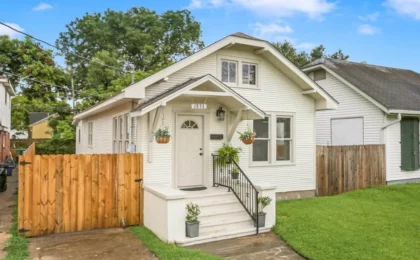


In the shifting landscape of American real estate, the strategy of purchasing property through a Limited Liability Company (LLC) has moved from a niche investor tactic to a mainstream topic of conversation. While buying a home in one’s personal name remains the gold standard for the average primary residence buyer, the rising popularity of real estate as an investment vehicle—coupled with a complex regulatory environment—has led many to reconsider how they hold title to their properties.
As of mid-2026, data from Redfin indicates that approximately 16% of single-family homes in the United States were purchased by investors, the vast majority of whom utilized an LLC structure. However, the transition from individual ownership to entity-based ownership is not merely a bureaucratic checkbox; it is a fundamental shift in financial liability, tax obligation, and mortgage eligibility.
Understanding the LLC Framework: A Protective Layer
A Limited Liability Company (LLC) is a legal entity that creates a wall of separation between a business and its owners. For the real estate investor, this structure is designed to shield personal assets from the potential liabilities associated with a rental or investment property.
However, experts caution that this "shield" is not impenetrable. "Buying a house under an LLC is primarily for investors who intend to lease or develop the property," explains Scott Scher of the Seattle Real Estate Law Group. "An LLC provides a distinct legal entity to manage risks, but it is not a magic wand. Owners must maintain the entity correctly—keeping personal and business finances strictly separated—or they risk a court ‘piercing the corporate veil,’ which would render the liability protection void."
The Chronology of an LLC Real Estate Acquisition
For those deciding to proceed with an LLC purchase, the process requires a departure from standard residential home-buying procedures. The following seven-step roadmap outlines the typical progression:
- Entity Formation: The process begins with filing "Articles of Organization" with the state’s business registration office. This establishes the LLC as a legal entity, distinct from the owner.
- Federal Identification: Securing an Employer Identification Number (EIN) from the IRS is mandatory. This serves as the "Social Security Number" for the business, essential for tax filings and opening corporate bank accounts.
- Operating Agreement: Even in states where it is not legally required, a formal operating agreement is critical. It codifies how the LLC functions, how decisions are reached, and how capital is managed.
- Capital Segregation: One must open a dedicated business bank account. Commingling funds—using personal accounts for business expenses—is the fastest way to lose the liability protections the LLC is intended to provide.
- Targeted Financing: Traditional FHA, VA, or USDA loans are rarely available to LLCs. Investors must seek out commercial, portfolio, or DSCR (Debt Service Coverage Ratio) lenders who specialize in entity-based financing.
- Offer and Procurement: The purchase agreement must explicitly name the LLC as the buyer. This requires coordination between the title company, the realtor, and the lender to ensure the deed is issued correctly at the closing table.
- Ongoing Compliance: Post-closing, the owner must maintain active status by filing annual reports, paying necessary state fees, and ensuring that all property-related insurance policies list the LLC as the insured party.
Supporting Data: Personal Ownership vs. LLC Ownership
The decision to utilize an LLC requires a pragmatic assessment of trade-offs. The following table illustrates the primary considerations between individual and corporate ownership:
| Consideration | Personal Ownership | LLC Ownership |
|---|---|---|
| Financing | Access to traditional, low-rate mortgages | Specialized commercial/investment loans |
| Liability | Full personal exposure | Potential protection from business risks |
| Taxation | Potential primary residence deductions | Pass-through taxation; deductible expenses |
| Complexity | Minimal paperwork | High; requires filings and recordkeeping |
When Personal Ownership Prevails
For the average buyer seeking a primary residence, the benefits of personal ownership far outweigh the drawbacks. Individual buyers qualify for government-backed loan programs that offer the most competitive interest rates and down payment terms. Furthermore, the tax advantages associated with owning a primary home—such as the capital gains exclusion on the sale of a principal residence—are often lost or significantly complicated when an LLC is the owner.
The Investor’s Rationale
"It is usually preferable to buy as an LLC if you are an investor," notes David Page, executive director of the Baltimore REIA. "But you must treat it like a business. If you are sloppy with your books or fail to maintain the legal requirements of your LLC, you lose the primary reason for having it in the first place."
The Impact of the ROAD to Housing Act
The regulatory environment is also undergoing a significant transformation. The introduction of the ROAD to Housing Act signals a legislative shift in how corporations and entities participate in the single-family housing market. The bill proposes limiting the number of homes large companies can purchase to 350, a move intended to preserve inventory for individual families.
While the nuances of this legislation are still being finalized, it serves as a warning to investors: the era of unchecked institutional or large-scale LLC accumulation may be coming under closer federal scrutiny. Investors must remain agile and informed, as potential future mandates could require greater transparency regarding the ultimate beneficial owners behind these LLCs.
Financing and Official Perspectives
Financing remains the most significant hurdle for LLC-based purchases. Kathy Portley of the Tulsa REIA points out that the funding landscape for LLCs is fundamentally different from that of a homebuyer.
"Serious investors use LLCs to compartmentalize risk and access funding sources like hard money lenders or private equity partnerships," Portley explains. "Once a property is stabilized with tenants, they often refinance into a commercial loan based on the property’s rental income rather than the owner’s personal credit score. It is a strategic, multi-phase approach to capital."
The "Due-on-Sale" Trap
A critical risk for those attempting to transfer an existing property into an LLC after purchase is the "due-on-sale" clause. Most mortgage contracts allow lenders to demand immediate repayment of the entire loan balance if the borrower transfers the deed to a third party, including an LLC they own. Before moving a property into an LLC, owners must consult with their lender to avoid triggering an accidental foreclosure.
Professional Implications and Final Considerations
The decision to purchase property via an LLC is a commitment to a higher level of administrative rigor. It is not merely a tax strategy; it is an organizational structure that demands strict adherence to corporate formalities.
Common pitfalls include:
- Neglecting the Operating Agreement: Failing to define roles can lead to internal disputes.
- Inadequate Insurance: Relying on personal homeowner’s insurance instead of a commercial policy that recognizes the LLC as the owner can lead to denied claims.
- Mixing Finances: Using personal credit cards for property repairs is a classic error that can invalidate liability protections.
Ultimately, the choice to use an LLC should be driven by the intended use of the property. For a primary residence, the complexities rarely justify the cost. For an investor building a portfolio, however, the LLC is an essential tool for managing the risks inherent in the real estate business.
As the market continues to evolve, potential buyers are encouraged to build a "professional team"—comprising a real estate attorney, a tax professional, and a specialized mortgage broker. By leveraging expert advice, investors can navigate the intricacies of entity-based ownership while ensuring that their assets are shielded and their portfolios are built on a foundation of sound, compliant, and sustainable business practices.