By Chuck Booth
October 14, 2026
CHESTER, Pa. — The atmosphere at Subaru Park on a crisp October evening was electric, charged with the kind of intensity typically reserved for the knockout stages of a major tournament. For the 18,648 fans in attendance, the friendly match between the United States Women’s National Team (USWNT) and Spain was far more than a mere exhibition; it was a tactical referendum on the current state of women’s international soccer.
As the USWNT continues its transition under manager Emma Hayes, the match against the reigning world leaders provided a sobering, yet optimistic, blueprint for the road ahead. While a 2-2 draw highlighted significant defensive vulnerabilities, it also showcased the grit and individual brilliance that define the American program as it recalibrates for the 2027 World Cup cycle.
The Tactical Battlefield: Spain’s Dominance and USWNT’s Response
From the opening whistle, the contrast in philosophy was stark. Spain, coached by Sonia Bermudez, operated with a surgical precision that has become their hallmark. Their ability to drag opposing players out of position and maintain structural integrity while in possession is currently the gold standard of the women’s game.
For the USWNT, the challenge was clear: bridge the gap between their historical status as the world’s undisputed superpower and their current reality as one of several elite contenders. Without key defensive anchor Naomi Girma—sidelined by a recent injury suffered with Chelsea—the American backline faced a stern test of communication and discipline.
Early on, Emily Fox attempted to set a physical, aggressive tone, looking to disrupt Spain’s rhythm. However, as the game progressed, the Americans’ tendency to ball-watch proved costly. Spain capitalized on these lapses, pulling the USWNT defense apart and forcing goalkeeper adjustments that were often reactionary rather than proactive.
Chronology of a Resilient Performance
The narrative of the match was one of constant adjustment. Spain controlled the tempo for large swaths of the first half, silencing the Chester crowd with clinical sequences of passing that culminated in dangerous looks at goal.
The turning point for many observers was the moment Alexia Putellas—a player who has dismantled countless defensive schemes—split the central USWNT defense. Her ability to navigate the pockets of space between the midfield and the back four acted as a stark reminder of the technical disparity that still exists between the two sides.
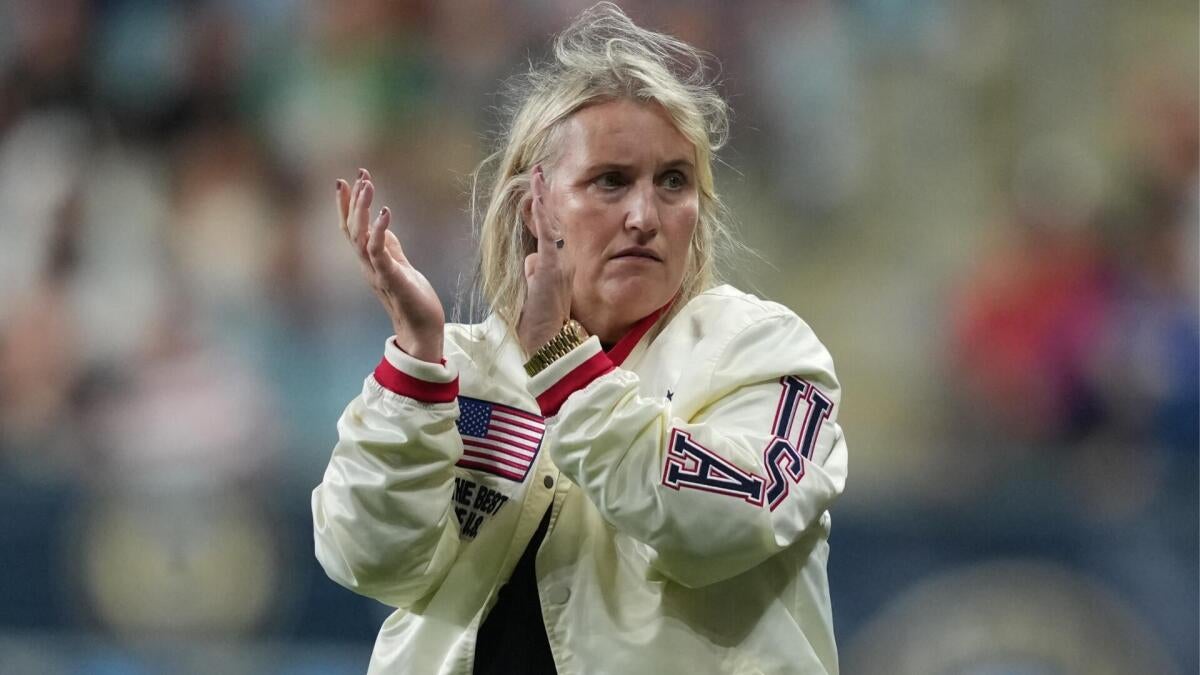
However, the USWNT’s hallmark has always been its refusal to fold. As the clock ticked into the final ten minutes, the urgency shifted. The introduction of fresh attacking energy and a renewed tactical focus allowed the Americans to push back.
The breakthrough moment arrived in the 86th minute. Mallory Swanson, fresh off a prolific run at the Paris Olympics where she tallied four goals and two assists, once again proved her status as a game-changer. Her clinical finish drew the sides level, salvaging a result that felt like a victory in terms of momentum. It was a goal born of persistence, rewarding a team that had spent the previous hour chasing shadows against the world’s most disciplined midfield.
Supporting Data: The Individual Brilliance of Ashley Sanchez
While the collective performance showed room for improvement, individual standout moments provided concrete evidence that Hayes’ deep talent pool is beginning to bear fruit. Ashley Sanchez, making her first start since October 2024, provided the highlight of the night.
Tasked with operating on the wing, Sanchez displayed a fearlessness that forced the Spanish defense into uncomfortable decisions. Her goal—a sharp, confident strike after taking on two defenders—was a masterclass in individual efficiency.
Statistical Snapshot:
- Sanchez xG: 0.17 (demonstrating clinical finishing beyond expected metrics).
- USWNT Roster Depth: 46 different players used in 2026 (a new national team record).
- Debut Impact: Kate Del Fava recorded an assist in her USWNT debut, marking yet another successful integration of new talent into the squad.
The goal was more than just a tally on the scoresheet; it served as a morale boost for a team in the midst of a rigorous evaluation process. As Rose Lavelle noted post-match, "Sanchez is back… she capitalized on the opportunities that she was given, and she did great."
Official Responses and Tactical Reflection
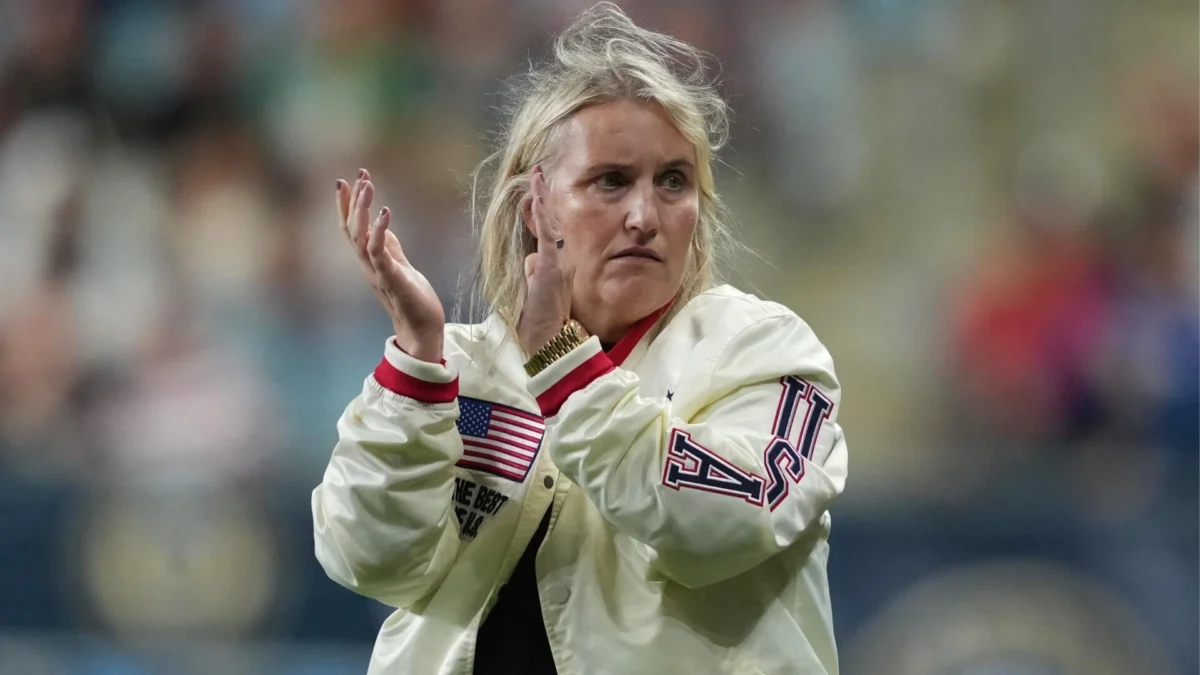
Emma Hayes, known for her pragmatic and demanding approach, was characteristically blunt when discussing the lessons learned from the camp. When pressed on what the result revealed about the current squad, her response was devoid of platitudes.
"They’re the best team in the world," Hayes remarked. "I didn’t learn anything that I didn’t already know."

Hayes’ transparency is perhaps the most important asset for the USWNT right now. She is not interested in sugarcoating the gap between the Americans and the Spanish side. Instead, she views these friendlies as high-stakes laboratories. The challenge, as Hayes sees it, is the "configuration" of the team—ensuring that her "Legos," as she affectionately refers to her tactical pieces, are snapped into the correct order.
The players share this sentiment. Alyssa Thompson, representing the younger cohort looking to secure their spot for the 2027 World Cup, emphasized the value of the experience. For players who have not yet competed in a major tournament, facing a side like Spain is the ultimate litmus test. It forces them to accelerate their development, sharpen their decision-making, and understand the cost of a mental lapse at the international level.
Implications: The Road to the 2027 World Cup
The draw against Spain serves as a pivotal checkpoint for the USWNT. While the result was positive, the underlying data confirms that consistency remains the elusive variable. The team has demonstrated the ability to beat anyone on their day—a fact proven by their recent Olympic campaign—but the transition from "dangerous opponent" to "dominant favorite" requires a higher baseline of stability.
Key Takeaways for the Future:
- Closing the Structural Gap: The defensive lapses during the match underscored the need for better communication when key personnel like Girma are absent.
- Building Chemistry: With the Concacaf W Championship approaching in November, the team will have a more consistent schedule. This is crucial for Hayes to move beyond experimentation and toward building a solidified starting XI.
- The "Swanson Factor": Mallory Swanson has solidified her role as the team’s primary offensive engine. Her ability to score under pressure is a luxury that Hayes must continue to leverage as the tournament roster takes shape.
- Tactical Flexibility: The record number of players used in 2026 shows that the door remains open. The success of debutants like Del Fava indicates that the depth chart is not just large, but functional.
As the team pivots toward the Concacaf W Championship and matches against El Salvador, the mission is clear: translate the flashes of brilliance seen in Chester into a sustained, 90-minute tactical dominance.
The USWNT is no longer the automatic favorite in every match they play. They are currently in a period of intense evolution, testing combinations and hardening their resolve against the world’s elite. Under the guidance of Emma Hayes, the team is not just preparing to qualify for the World Cup—they are building a machine designed to peak at the right moment.
The draw against Spain was a reminder that while the path to the top is fraught with challenges, the foundation is solid. The "Legos" are being arranged, the chemistry is evolving, and the USWNT is methodically positioning itself for what they hope will be a triumphant run to the 2027 World Cup final. The work remains, but the trajectory is undeniable.