When filmmakers translate true-life stories of heroism to the screen, they often walk a razor-thin line between authentic tribute and hagiography. Clean Hands, the latest feature written, produced, and directed by Jake Allyn (Ride), attempts to navigate this precarious terrain. The film chronicles the harrowing real-life struggle of Kevin Simmers, a Hagerstown, Maryland narcotics officer portrayed by Zach Braff, as he battles to save his daughter, Brooke (Esther McGregor), from the devastating clutches of drug addiction. While the film provides a visceral look at the "happening right under his nose" tragedy of a law enforcement official confronting a crisis in his own home, it ultimately struggles to reconcile its message of empathy with its protagonist’s aggressive, often ethically dubious methods.
The Narrative Foundation: A Father’s War
At its core, Clean Hands presents Kevin Simmers as a pillar of his community—a "hero cop" whose by-the-book reputation commands respect among his peers and the townsfolk of Hagerstown. However, his world is upended when he discovers that his 19-year-old daughter, Brooke, has spiraled into an addiction to Percocet, a situation compounded by her proximity to an abusive dealer named Brick (Kraig Dane).
The film follows a desperate, escalating trajectory. Simmers initially attempts the traditional, institutional route, seeking to enroll Brooke in a private rehab facility. When these efforts hit bureaucratic and financial walls, he shifts to a "tough-love" methodology, including allowing Brooke to be arrested in the hopes that incarceration might serve as a necessary shock to the system. When that fails and her habit shifts to heroin, Simmers’ professional instincts take over. He begins to wage a personal crusade to eradicate the supply chain directly affecting his daughter, turning his investigative skills toward the very addicts he once viewed primarily as subjects of criminal enforcement.
Chronology of a Crisis
The film is structured around the widening gap between Simmers’ professional life and his domestic desperation.
- Phase One: The Awakening: Simmers, a seasoned narcotics detective, learns of his daughter’s secret life. The film highlights the irony of his position: a man whose life’s work is the suppression of narcotics finds himself entirely blindsided by the reality within his own household.
- Phase Two: The Failed Intervention: The narrative moves through a series of unsuccessful attempts to leverage the system to save Brooke. Simmers attempts to use his influence, his wife Dana’s (Abigail Spencer) faith, and his status on the police force to force a change in Brooke’s behavior, only to watch as every attempt at "correction" falls flat.
- Phase Three: The Escalation of Tactics: As the situation turns dire, Simmers begins to cross lines. The narrative shows him abusing his authority—lying to medical professionals, conducting extrajudicial inquiries, and targeting individuals based on their association with his daughter.
- Phase Four: The Shift in Perspective: The film’s climax suggests an evolution in Simmers’ thinking. He begins to realize that the criminalization of addiction is a blunt instrument that fails to address the underlying humanity of the user. This culminates in the eventual founding of "Brooke’s House," a real-world recovery facility.
Supporting Data and Ethical Friction
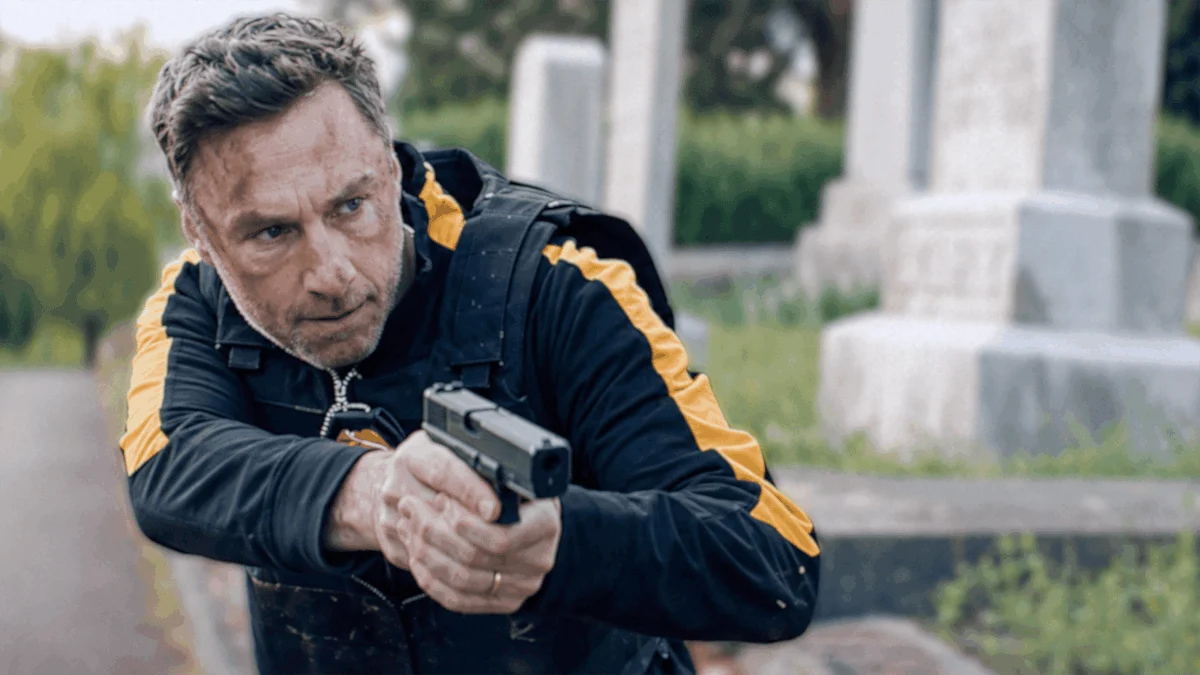
A significant point of contention for viewers and critics alike is the film’s portrayal of Simmers’ morality. While the film explicitly advocates for a more compassionate approach to the drug crisis, its visual language often contradicts this. Allyn leans heavily into the tropes of the police procedural—high-stakes chases, aggressive interrogations, and a pulse-pounding score by Those Who Ride With Giants. By framing these "tough-cop" moments as the primary way Simmers interacts with the world, the film inadvertently glorifies the very behavior it seeks to critique.
The role of the "hero cop" is interrogated, but perhaps not as deeply as the subject requires. Simmers is portrayed as a man who possesses deep reserves of compassion for strangers, yet he reserves a distinct, cold-blooded detachment for those he views as threats to his family. This duality raises uncomfortable questions: Should an audience sympathize with a father who is willing to destroy the lives of others to secure the safety of his own child? The film does not shy away from the collateral damage—Brooke suffers in jail due to her father’s aggressive posturing, and the family’s domestic life is fractured by his volatility.
Official Responses and Creative License
The inclusion of an infomercial-style segment at the end of the film for the real-world "Brooke’s House" indicates that the real Kevin Simmers likely endorsed the project. However, the film’s placement of its legal disclaimer—oddly positioned at the start of the closing credits rather than the end—hints that the filmmakers took significant narrative liberties.
This creates a "credibility gap." If the film is meant to be a cautionary tale about the pitfalls of police-driven approaches to addiction, it must be honest about the protagonist’s flaws. Instead, the film frequently presents Simmers’ bullying and overreach as "heroic" acts of desperation. When he screams at a rehab administrator or antagonizes guards at the jail where his daughter is held, the script frames these moments as the actions of a man pushed to the brink, rather than a man who, perhaps, needed to learn that his badge did not give him authority over the laws of human recovery.
Implications: The Limits of the "Quick Fix"
The ultimate tragedy of Clean Hands is that it settles for a relatively tidy resolution. The establishment of "Brooke’s House" is presented as a triumphant conclusion to the chaos, implying that the solution to a complex, systemic failure was merely a shift in one man’s tactics.
The reality of addiction, as many experts and families know, is rarely so linear. The film overlooks the "messy" middle—the years of struggle, the relapse, the failure of willpower, and the slow, grueling process of recovery that cannot be solved by a single epiphany. By focusing so intensely on Simmers’ professional transformation, the film minimizes the internal work required by the person struggling with addiction.
Performances and Character Dynamics
Despite these narrative shortcomings, the performances serve as the film’s strongest asset. Zach Braff delivers a committed, often grueling performance that succeeds in conveying the sheer, desperate tenacity of a father who cannot accept defeat. Whether the audience is intended to like him is unclear, but Braff makes it impossible to look away.
Esther McGregor provides a necessary, grounded counterweight as Brooke. She captures the exhaustion and the quiet defiance of a young woman caught between a father who wants to own her recovery and a disease that threatens to consume her life. Abigail Spencer, as the religious and resilient Dana, offers a portrait of grace that the film desperately needs. She is the only character who seems to recognize that Simmers’ "war" on drugs is, in fact, a war against the people he loves.
Conclusion: A Missed Opportunity for Nuance
Clean Hands is a film that wants to be two things at once: an intense, high-stakes police drama and a soulful, humanistic exploration of the opioid epidemic. By attempting to marry these two genres, it creates a tonal dissonance that weakens both.
The film’s failure to truly grapple with the implications of Simmers’ actions—the way his "tough-love" approach potentially exacerbated the very trauma that drove his daughter to addiction—is its greatest weakness. While it succeeds in highlighting the need for better, more compassionate addiction recovery, it ultimately falls into the trap of prioritizing the "hero’s journey" over the complex reality of the crisis it depicts.
For viewers, Clean Hands provides a compelling, if deeply flawed, look at one family’s struggle. It serves as a reminder that even those who are ostensibly on the side of "good" can be blinded by their own power, and that true recovery is rarely found through the barrel of a gun or the weight of a badge, but through the much harder, quieter work of human connection. The film is a serviceable, well-acted drama, but it lacks the grit and honesty required to truly elevate the subject matter beyond a standard cinematic portrait of heroism.