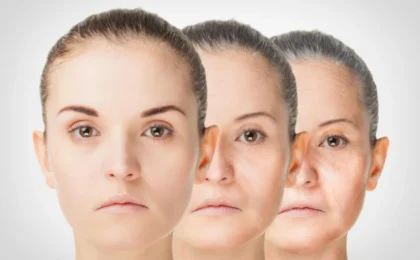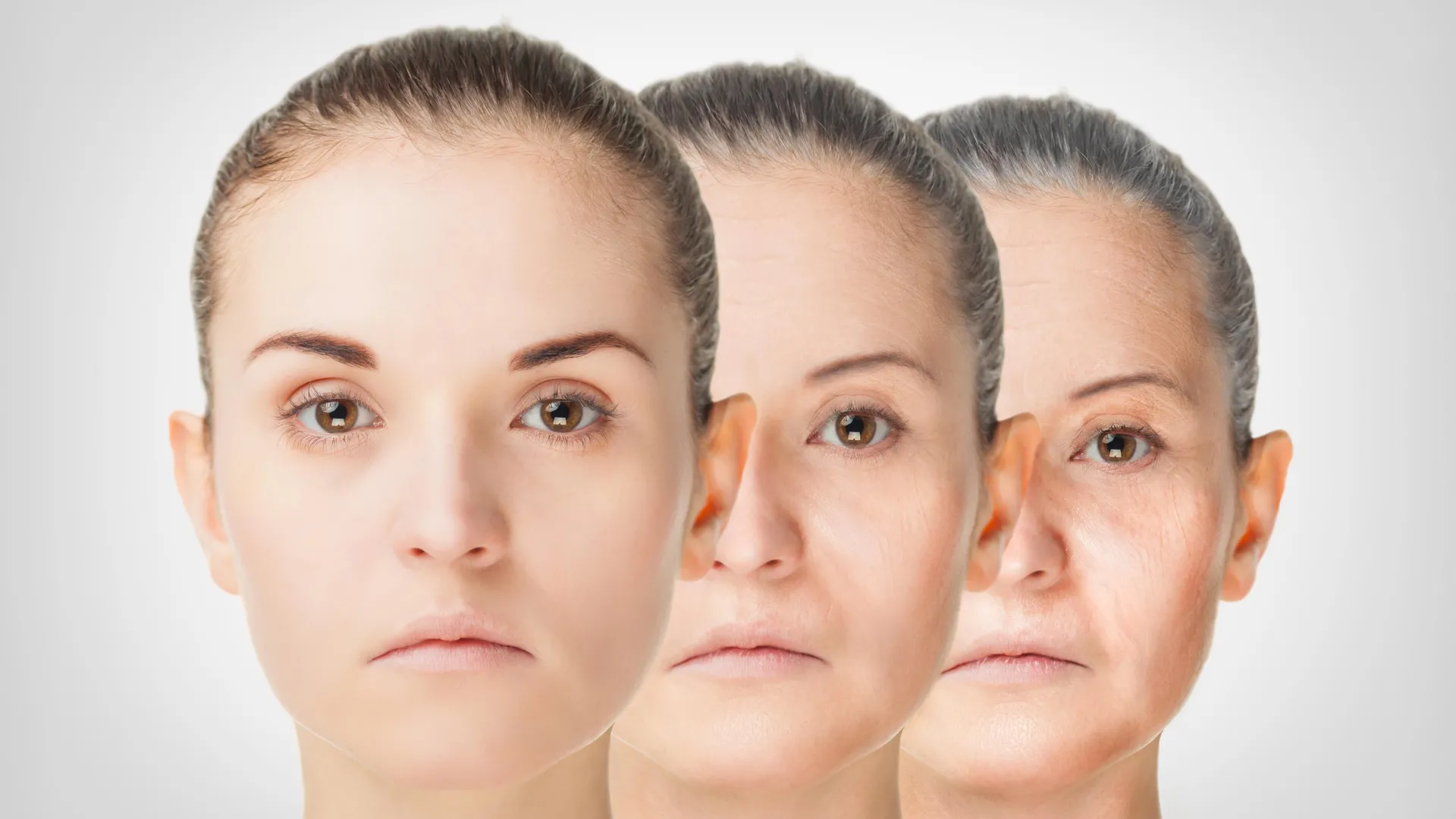
For centuries, aging was viewed as an inevitable, systemic decline—a gradual wearing down of the body’s machinery, akin to a machine slowly grinding to a halt. However, recent breakthroughs in neurobiology are challenging this paradigm. Researchers are increasingly focusing on the hypothalamus, a small region at the base of the brain, as a potential "control center" for the aging process. New evidence suggests that the loss of a single protein within this region may be a primary driver of the physical and cognitive decline we associate with getting older.
The Discovery of the Menin Pathway
At the heart of this emerging field is a 2023 study published in PLOS Biology, led by Lige Leng of Xiamen University. The research team identified that a protein called Menin—previously known for its role in gene regulation and tumor suppression—plays a critical role in restraining neuroinflammation.
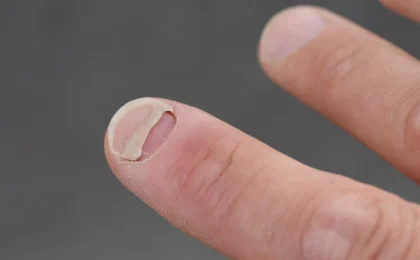
As mammals age, Menin levels in specific hypothalamic neurons gradually decline. The researchers discovered that this decrease is not merely a bystander to aging; it is an active driver. By selectively disabling Menin in the brains of mice, the team observed a rapid onset of age-related phenotypes: thinning skin, reduced bone mass, systemic inflammation, and significant cognitive impairment. Remarkably, when the team used gene delivery techniques to restore Menin levels in the ventromedial hypothalamus of 20-month-old mice, the animals experienced a reversal of these markers in just 30 days. These mice showed improved balance, better learning capabilities, and, notably, an extended lifespan compared to their untreated counterparts.
Chronology of Research: From 2023 to 2026
The discovery regarding Menin opened a floodgate of inquiry into the hypothalamus-body axis. The subsequent three years have seen a rapid expansion in our understanding of how the brain dictates systemic longevity.
- March 2023: The landmark PLOS Biology paper establishes the Menin-D-serine axis. It reveals that Menin regulates the production of D-serine, a signaling molecule essential for NMDA receptor function and memory formation.
- 2024: A series of studies published in Cell Metabolism and the Journal of Physiology and Biochemistry expanded the scope. Washington University researchers identified specific neural circuits connecting the hypothalamus to fat tissue that regulate metabolism and physical activity. Simultaneously, laboratory studies confirmed that Menin protects hippocampal cells from stress-induced death, providing a cellular mechanism for its neuroprotective role.
- January 2025: A massive genomic analysis published in Nature profiled 1.2 million mouse brain cells. The study pinpointed the third ventricle of the hypothalamus as a "hotspot" for aging-related gene expression changes, specifically highlighting increased inflammatory pathways.
- 2026: A banner year for the field. Research in Cell demonstrated that stabilizing circadian rhythms in the hypothalamus can reverse epigenetic markers of aging. Another study in Cell Metabolism identified Mimecan, a protein facilitating communication between skeletal muscle and the hypothalamus, as a key factor in extending lifespan.
Supporting Data: The D-Serine Connection
One of the most intriguing aspects of the Menin research is its connection to D-serine. While Menin acts as a broad-spectrum regulator, D-serine is a specific neurotransmitter modulator. When Menin levels drop, the enzyme PHGDH becomes less active, leading to a deficiency of D-serine in the hippocampus.
The study showed that simply supplementing older mice with D-serine in their drinking water for three weeks could partially restore cognitive function. However, the data also provided a crucial nuance: while Menin restoration reversed both physical aging (bone density, skin thickness) and cognitive decline, D-serine supplementation was limited primarily to cognitive benefits. This suggests that while D-serine is a vital downstream effector, the Menin protein governs a much broader, multi-systemic network of aging pathways.
Official Responses and Scientific Perspective
The scientific community has reacted with cautious optimism. Lige Leng, the lead researcher of the 2023 study, emphasizes that these findings represent a fundamental shift. "We speculate that the decline of Menin expression in the hypothalamus with age may be one of the driving factors of aging," Leng stated. "Menin appears to be the key protein connecting the genetic, inflammatory, and metabolic factors of aging."
However, other experts caution against oversimplifying these findings. The role of D-serine, in particular, remains complex. A 2025 study in Cellular and Molecular Life Sciences demonstrated that in models of Alzheimer’s disease, an excess of D-serine signaling can actually be detrimental, suggesting that brain chemistry requires a "Goldilocks" balance rather than simple supplementation. Furthermore, the 2016 clinical trial testing D-serine in humans showed inconsistent results, failing to produce widespread cognitive improvements. These discrepancies highlight that human biology—far more complex than that of a mouse—may require highly personalized approaches to aging intervention.
Implications for Future Medicine
The implications of these studies are profound. If the hypothalamus acts as a metabolic and inflammatory thermostat for the entire body, then targeting this region could offer a "master key" for treating age-related conditions.
The Challenge of Translation
Translating these mouse studies into human therapies remains the primary hurdle. Several questions persist:
- Delivery Mechanisms: How can we safely and specifically target the ventromedial hypothalamus in humans without systemic side effects?
- Long-term Safety: While gene therapy or protein supplementation shows promise in controlled settings, what are the long-term risks of modulating such a sensitive brain region?
- Biological Context: As the 2025 Alzheimer’s study suggests, the same molecule (D-serine) can have vastly different effects depending on the underlying pathology of the brain.
A New Era of Anti-Aging Science
Despite these challenges, the research has effectively dismantled the idea that aging is a passive, uniform decay. Instead, the brain appears to be actively coordinating the aging process through specific hormonal, inflammatory, and metabolic signals.
The focus is shifting from "treating the symptoms of aging" (such as bone density loss or memory decline) to "treating the regulators of aging." If scientists can learn to stabilize the Menin pathway or optimize the signaling between muscle tissue and the hypothalamus, we may eventually reach a point where the physical and mental deterioration associated with old age can be delayed or even partially reversed.
Conclusion: The Road Ahead
The path from a mouse model to a human clinical treatment is long and fraught with potential pitfalls. The history of biomedical research is littered with "miracle" molecules that succeeded in mice but failed in human trials. Nevertheless, the convergence of evidence from 2023 to 2026 is undeniable. The hypothalamus is no longer just a regulator of body temperature and hunger; it is increasingly viewed as the brain’s aging clock.
Whether it is through the stabilization of the Menin protein, the modulation of D-serine levels, or the orchestration of circadian rhythms, the potential to modify the aging process is moving from the realm of science fiction into the rigorous domain of experimental medicine. As research continues to map these hypothalamic circuits, the goal is no longer just to extend the human lifespan, but to extend the human healthspan—the number of years we spend in a state of cognitive and physical vitality.
For now, these findings remain experimental. But as we peel back the layers of how the brain communicates with the rest of the body, we are coming closer to answering a question that has haunted humanity for millennia: Is aging a fundamental law of nature, or is it a biological process that we might one day learn to rewrite? The evidence, though still in its infancy, suggests that the answer may lie deep within the folds of the hypothalamus.