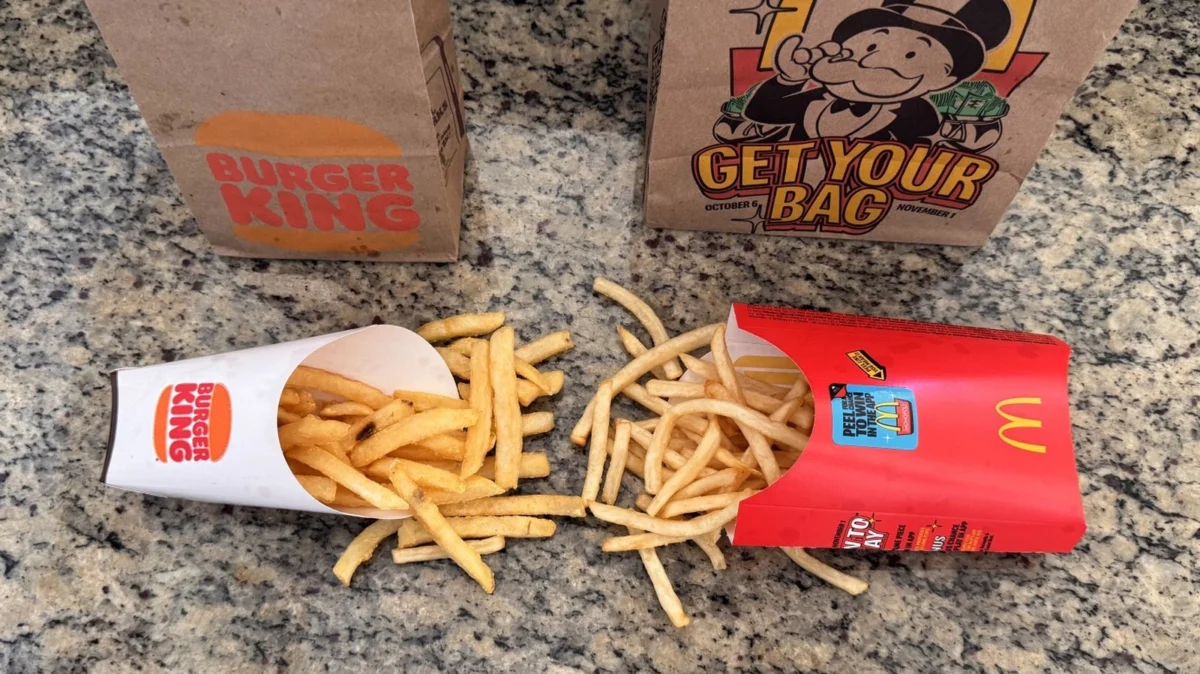
In the high-stakes world of quick-service restaurants, the battle for dominance is often fought in the boardroom, but it is ultimately won on the tray. While global fast-food titans McDonald’s and Burger King have spent decades vying for the title of the nation’s favorite burger purveyor, a quiet but fierce war has been waged over a more humble commodity: the french fry.
For the average consumer, the choice of side is often reflexive—a "Golden Arches" default or a "Home of the Whopper" preference. However, when one peels back the layers of seasoning, texture, and potato integrity, the differences between these two iconic products are profound. This report examines the objective reality behind the two most ubiquitous potato strips in the modern diet, settling the debate on who truly wears the fry crown.
The Methodology of the Taste Test
To move beyond anecdotal evidence and brand loyalty, this investigation required a rigorous, controlled environment. To ensure a level playing field, I set aside all prior biases, approaching both chains with a "clean slate" mentality. The goal was to capture the products at their absolute zenith: fresh from the fryer.
The sampling occurred immediately following the transition from breakfast to lunch menus at 10:30 a.m. This timing is critical in the fast-food industry, as it ensures that fryers are freshly prepped and the product is at its peak velocity—hot, crisp, and untainted by the stagnation of a long-running lunch rush.
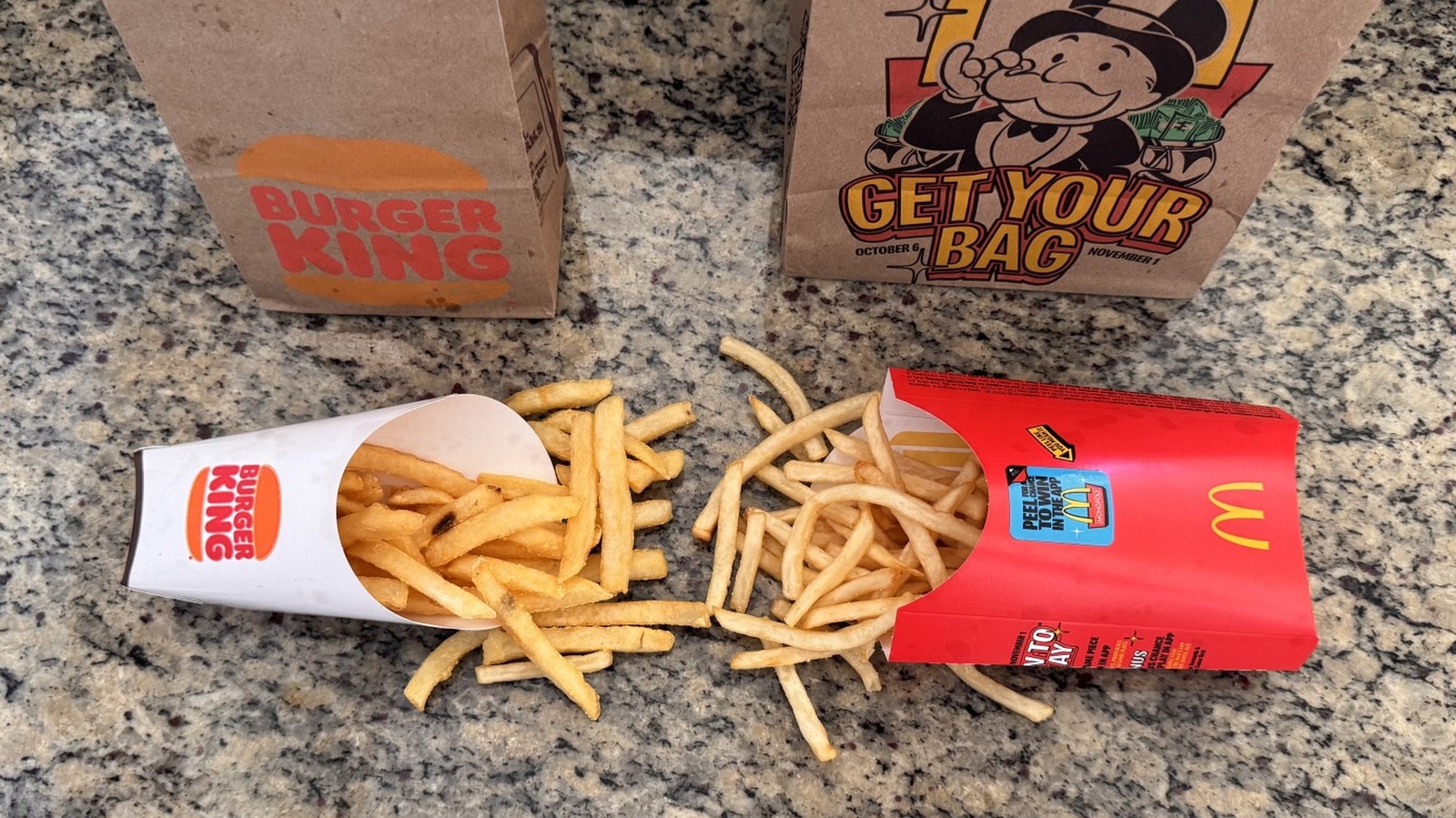
Large orders were purchased via the drive-thru from both chains. The testing process involved three distinct phases:
- The Immediate Assessment: Consumption of the fries within three minutes of receiving the order, focusing on structural integrity and initial flavor profiles.
- The "Cool-Down" Observation: Allowing the fries to sit for 15 minutes to evaluate how they hold up to time—a crucial metric for any drive-thru customer who may have a commute.
- The Air-Fryer Revival: A controlled reheating process to determine which product maintained its quality after being subjected to home-kitchen restoration.
Chronology of the Comparison
The journey of a french fry from the farm to the drive-thru window is a complex industrial process, but the consumer experience is instantaneous.
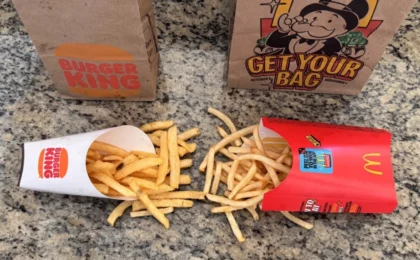
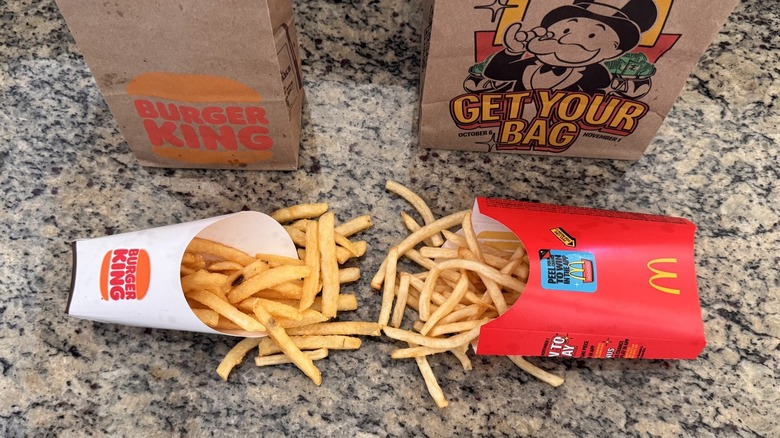
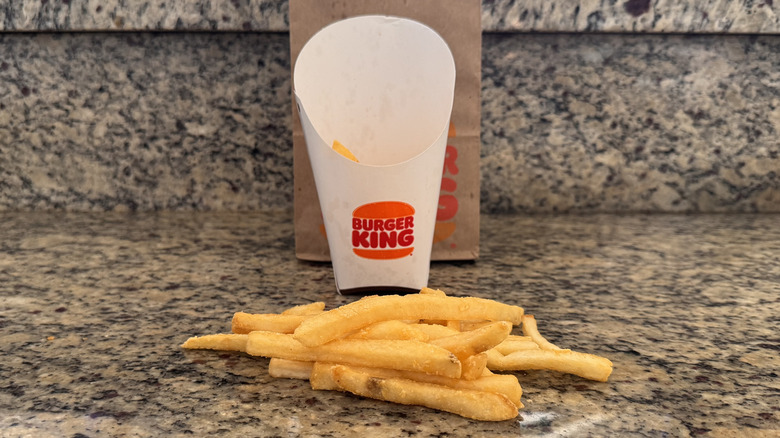
The Burger King Experience: Upon arrival at Burger King, the product was notably consistent. The fries possessed a distinct, audible crunch, a hallmark of their specific coating and frying technique. The flavor profile leaned heavily into the potato’s natural earthy notes, balanced by a precise, even application of salt.
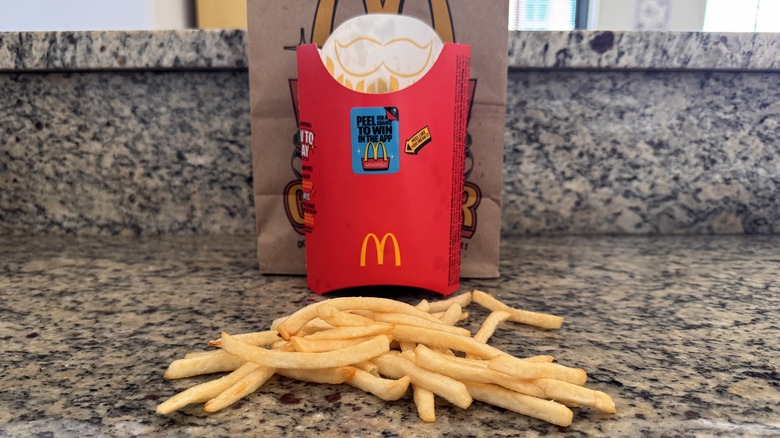
The McDonald’s Experience: Historically, the McDonald’s fry has been a global benchmark for fast-food sides. However, the experience during this trial highlighted the inconsistency that often plagues high-volume chains. While the initial batch was hot, the salt distribution was uneven—a common complaint among diners. Some fries were perfectly seasoned, while others were noticeably bland. Furthermore, the texture lacked the structural resilience found at Burger King, trending toward a softer, less defined bite.
Supporting Data: Texture and Flavor Profiles
When breaking down the science of the fry, three factors reign supreme: the "snap," the "fluff," and the "salt."
The "Snap" and "Fluff" Factor
Burger King’s fries are designed with a structural coating that creates a protective barrier. This ensures a crisp exterior that acts as a vessel for the interior "pillowy" potato. During the 15-minute cool-down test, the Burger King fry maintained this contrast. Even as the heat dissipated, the shell did not compromise the integrity of the center.
McDonald’s, conversely, relies on a thinner, more traditional frying method. While this allows for a classic, oily flavor that many consumers find nostalgic, it leaves the fry vulnerable to moisture absorption. Within 15 minutes, the fries had lost their crispness, becoming somewhat limp and uniform in texture.
The Seasoning Equilibrium
Seasoning is the silent killer of the fast-food fry. Burger King’s process appears to favor a more systematic application of salt, ensuring that the savory experience is uniform from the first fry to the last. McDonald’s, which has historically relied on a more sporadic salt-shaking method, suffered from a lack of consistency. When the salt hits the mark, it is iconic; when it misses, the product falls flat.
The Implications of Industry Evolution
Why do these differences exist in an era of massive, centralized food supply chains? The answer lies in the diverging philosophies of the two giants.
McDonald’s has spent years refining its "Golden Arches" brand to emphasize speed and predictability. However, their reliance on a specific potato variety and a standardized fry length has arguably made the product more susceptible to quality-control issues at the franchise level.
Burger King’s approach, which favors a slightly thicker cut and a seasoned coating, suggests a move toward a more "gourmet" fast-food experience. By prioritizing texture, they are attempting to differentiate themselves from the ubiquity of their competitor.
For the consumer, the implication is clear: if you are looking for a reliable, crispy experience that holds its own even after a short drive home, the data suggests that Burger King has optimized their fry for the modern, on-the-go lifestyle.
Official Responses and Market Positioning
While neither company issues "official statements" regarding the specific outcome of individual taste tests, their marketing strategies reveal their priorities. McDonald’s continues to double down on the "fry as a sidekick" strategy—a product that is meant to be eaten immediately and in tandem with their signature burgers. They lean into the nostalgia of the taste.
Burger King, by comparison, often markets their sides as a central component of their value proposition. By positioning their fries as a stand-alone, high-quality product, they are essentially asking the consumer to evaluate the fry not just as a filler, but as a culinary experience in its own right.
Final Verdict: Why Burger King Takes the Crown
After a comprehensive review of the sensory data, the conclusion is statistically and flavor-wise significant: Burger King currently produces a superior french fry.
The difference, while seemingly nuanced, is staggering when compared side-by-side. To use a culinary analogy, if the McDonald’s fry represents the convenience of "instant" food, the Burger King fry represents the effort of a "home-cooked" style. The structural integrity, the consistent seasoning, and the resilience of the Burger King fry against time and temperature cooling make it the clear winner.
While the "Golden Arches" will likely remain the sales leader due to sheer volume and brand penetration, the empirical evidence suggests that the throne of the best fast-food fry has been usurped. For the discerning diner who demands more than just salt and oil, the path leads to the King.
Summary of Findings
- Crispiness: Burger King maintains a superior crunch due to its protective coating.
- Consistency: Burger King demonstrates higher uniformity in salt distribution.
- Durability: Burger King fries hold their texture significantly longer than those of McDonald’s.
- Overall Experience: Burger King’s product offers a better contrast between a crispy exterior and a soft, potato-heavy interior.
As the fast-food industry continues to evolve in 2026, the humble fry remains a bellwether for the health of these brands. While McDonald’s struggles with the inconsistencies of mass production, Burger King has managed to elevate a simple side into a consistent, crave-worthy staple. Whether this trend will force a change in the fry-making process at the Golden Arches remains to be seen, but for now, the verdict is in: for the perfect fry, Burger King is the undisputed victor.