Hyundai continues its aggressive expansion of the 2027 Tucson lineup, proving that the South Korean automaker is committed to catering to every segment of the SUV market. Hot on the heels of the rugged, off-road-oriented XRT Pro reveal, Hyundai has pulled the curtain back on the 2027 Tucson N Line. This new iteration balances the family-friendly versatility of the standard Tucson with a more assertive, sport-inspired aesthetic, marking a significant evolution in the brand’s "N" branding strategy.
While purists may note the absence of a high-performance drivetrain, the N Line is not intended to be a track-day weapon. Instead, it serves as a "style-first" proposition, aimed at buyers who want the visual punch of a performance vehicle without sacrificing the comfort, fuel efficiency, or practicality of a daily driver.
Main Facts: A Sportier Persona
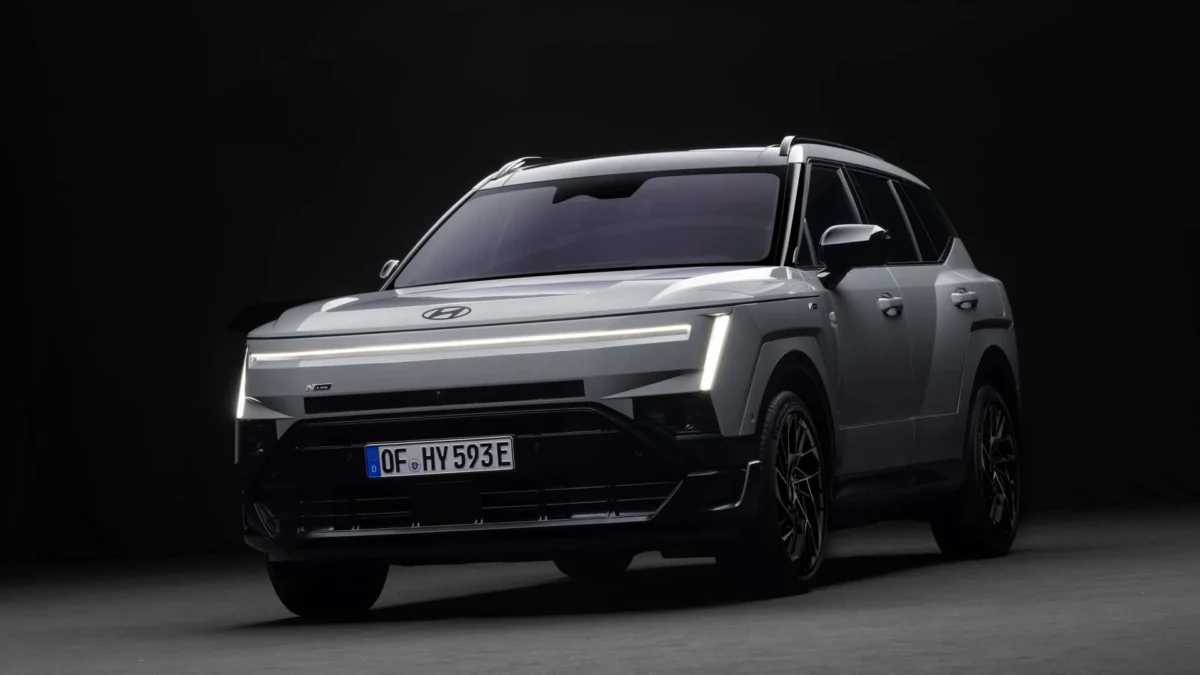
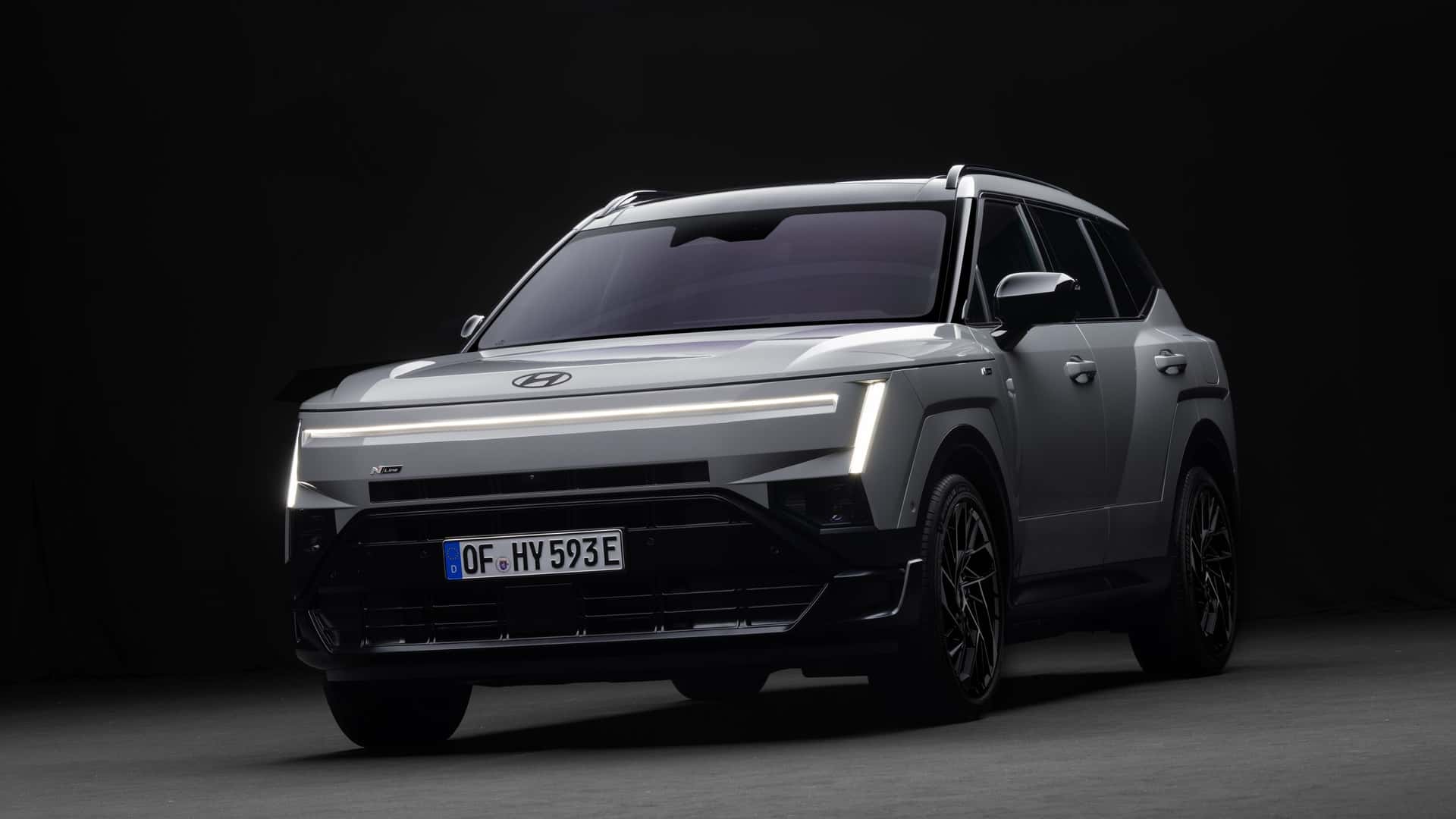
The 2027 Hyundai Tucson N Line distinguishes itself from the base model through a series of intentional visual and tactile upgrades. On the exterior, the SUV rolls on exclusive 20-inch alloy wheels that provide a more grounded, aggressive stance. The design language is further sharpened by distinct red accents that contrast against the bodywork, signaling the N Line’s sportier pedigree.
Perhaps the most notable design choice is the inclusion of dual exhaust tips. In an era where many manufacturers choose to hide exhaust hardware beneath the rear bumper for a "clean" look, Hyundai has made a deliberate aesthetic decision to put these pipes on display. This serves as a stylistic nod to the high-performance heritage of the N division, even if the engine under the hood remains unchanged from the standard model.
Inside, the cabin receives a comprehensive makeover. The standard upholstery is swapped for premium suede seats, which offer both enhanced grip for spirited driving and a more luxurious, tactile feel for daily commuting. These materials, combined with unique interior trim, ensure the cabin feels as distinct as the exterior.
Chronology of the Development
The path to the 2027 Tucson N Line follows Hyundai’s broader strategy of platform maturation. Since the introduction of the current generation, Hyundai has been methodically filling the gaps in its SUV portfolio.
- Early 2026: Hyundai teases a redesigned, more angular Tucson, focusing on improved aerodynamics and cabin space.
- Mid-2026: The standard 2027 Tucson debuts with significant powertrain updates, including a new, more efficient 1.6-liter T-GDI engine and updated hybrid configurations.
- Late 2026: The rugged XRT Pro model is unveiled, catering to the "overlanding" and adventure-seeking demographic.
- Paris Motor Show 2026: The N Line makes its official debut alongside the second-generation Bayon N Line, signaling a company-wide push to inject sportier visuals into its entire SUV lineup.
This rapid-fire rollout reflects Hyundai’s agile manufacturing and development processes, which allow them to move from standard vehicle launches to specialty trims in a fraction of the time required by legacy competitors.
Powertrain Dynamics and Efficiency
For the European market, the Tucson N Line adheres to a familiar, robust powertrain hierarchy. The entry-level option remains the 1.6-liter T-GDI gasoline engine, producing 148 horsepower. This engine offers a choice between a six-speed manual transmission or a seven-speed dual-clutch transmission (DCT), providing flexibility for different driving preferences.
The Hybrid and Plug-In Hybrid (PHEV) Options
For those requiring more punch, the hybrid variant is the standout performer. By pairing the 1.6-liter turbocharged engine with an electric motor and a 1.49-kWh battery, the total system output climbs to 242 horsepower. Whether in front-wheel-drive or all-wheel-drive configuration, the hybrid utilizes a smooth six-speed automatic transmission. In testing, this setup allows the N Line to reach 62 mph (100 km/h) in 8.3 seconds—a respectable figure for a family-oriented crossover.
The forthcoming Plug-In Hybrid (PHEV) variant will take this further, utilizing a larger 17.1-kWh battery to reach a combined output of 288 horsepower. Impressively, even with the larger battery and 20-inch wheels, Hyundai estimates an electric-only driving range of up to 42 miles (67 km). The PHEV is equipped with a 7.2-kW onboard charger, and in its all-wheel-drive configuration, it serves as the quickest member of the family, clipping the 0–62 mph sprint in just 7.9 seconds.
Integrating the Pleos Infotainment System
A defining feature of the 2027 Tucson lineup is the introduction of the Pleos Connect infotainment system. Built on the Android Automotive OS, this platform represents a leap forward in user experience.
The system is available with either a 12.9-inch or a massive 17-inch central touchscreen. While large screens are the industry norm, Hyundai has been praised for its balanced approach; the new system retains physical controls for frequently used functions like volume, climate, and basic navigation, ensuring the driver doesn’t have to navigate through layers of digital menus while in motion.
Key features of the Pleos system include:
- Gleo AI: A sophisticated voice recognition assistant that leverages live internet data to provide real-time updates on traffic, weather, and points of interest.
- Over-the-Air (OTA) Updates: Ensuring that the vehicle’s software remains current long after it leaves the dealership, fixing bugs and adding features as they become available.
- Smartphone-Like Fluidity: The integration of Android Automotive OS means the interface is intuitive and supports a wide range of third-party applications.
Official Responses and Strategic Implications
Hyundai officials have been clear about the "N Line" designation: it is a badge of style, not necessarily a badge of track-ready performance. During the launch, company representatives emphasized that while the N Line looks the part of an athlete, its primary mission remains "family transportation."
By positioning the N Line as a trim level rather than a performance model, Hyundai avoids the "false promise" pitfall that has plagued other brands. Instead, they are leaning into the "German formula"—a concept pioneered by brands like BMW (M Sport) and Audi (S-Line)—which involves offering a sharper, more aggressive aesthetic to customers who desire the look of a performance car without the harsher ride quality or increased fuel consumption associated with true high-performance engines.
The Future of "N"
The ambiguity surrounding a "full-fat" Tucson N (the performance-oriented equivalent of the Elantra N or Ioniq 5 N) remains. However, Hyundai has hinted at a new category of "affordable performance" vehicles, which are expected to bridge the gap between the N Line and the full-performance N models by 2030. These vehicles will likely utilize existing N-division components to offer a "daily high-performance experience" at a lower price point. Whether the Tucson will eventually receive this treatment remains an open question, though it is highly likely given the SUV’s status as a top-selling global platform.
Conclusion: A Balanced Approach
The 2027 Hyundai Tucson N Line is a masterclass in product segmentation. It satisfies the consumer’s desire for individuality and sportiness without forcing them into a vehicle that is unsuited for the school run or the grocery store. By focusing on interior luxury (suede seating), exterior presence (20-inch wheels and dual exhausts), and cutting-edge software (Pleos Infotainment), Hyundai has created a vehicle that feels special without compromising its core competencies.
As the automotive industry pivots toward electrification and software-defined vehicles, the Tucson N Line proves that there is still room for a "fun" SUV. It represents a pragmatic evolution, ensuring that the brand’s most popular SUV remains competitive, relevant, and visually exciting in an increasingly crowded market. Whether one is drawn by the tech, the aesthetics, or the diverse range of hybrid powertrains, the 2027 Tucson N Line offers a compelling argument for those looking to upgrade their daily commute.