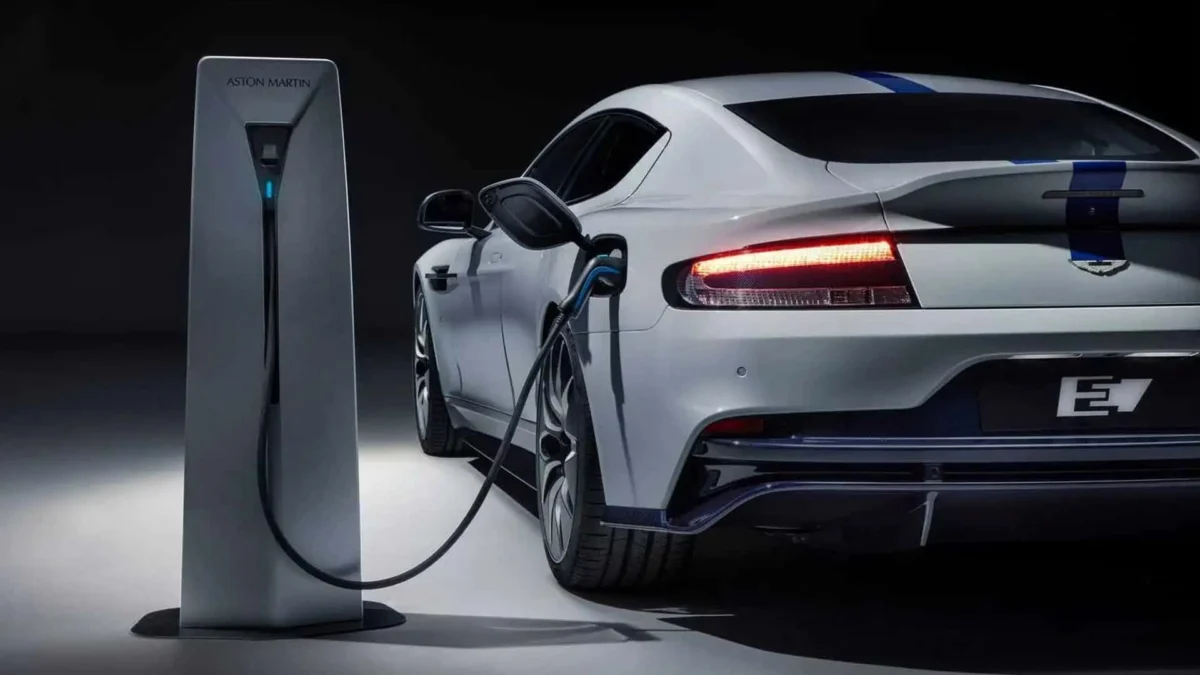
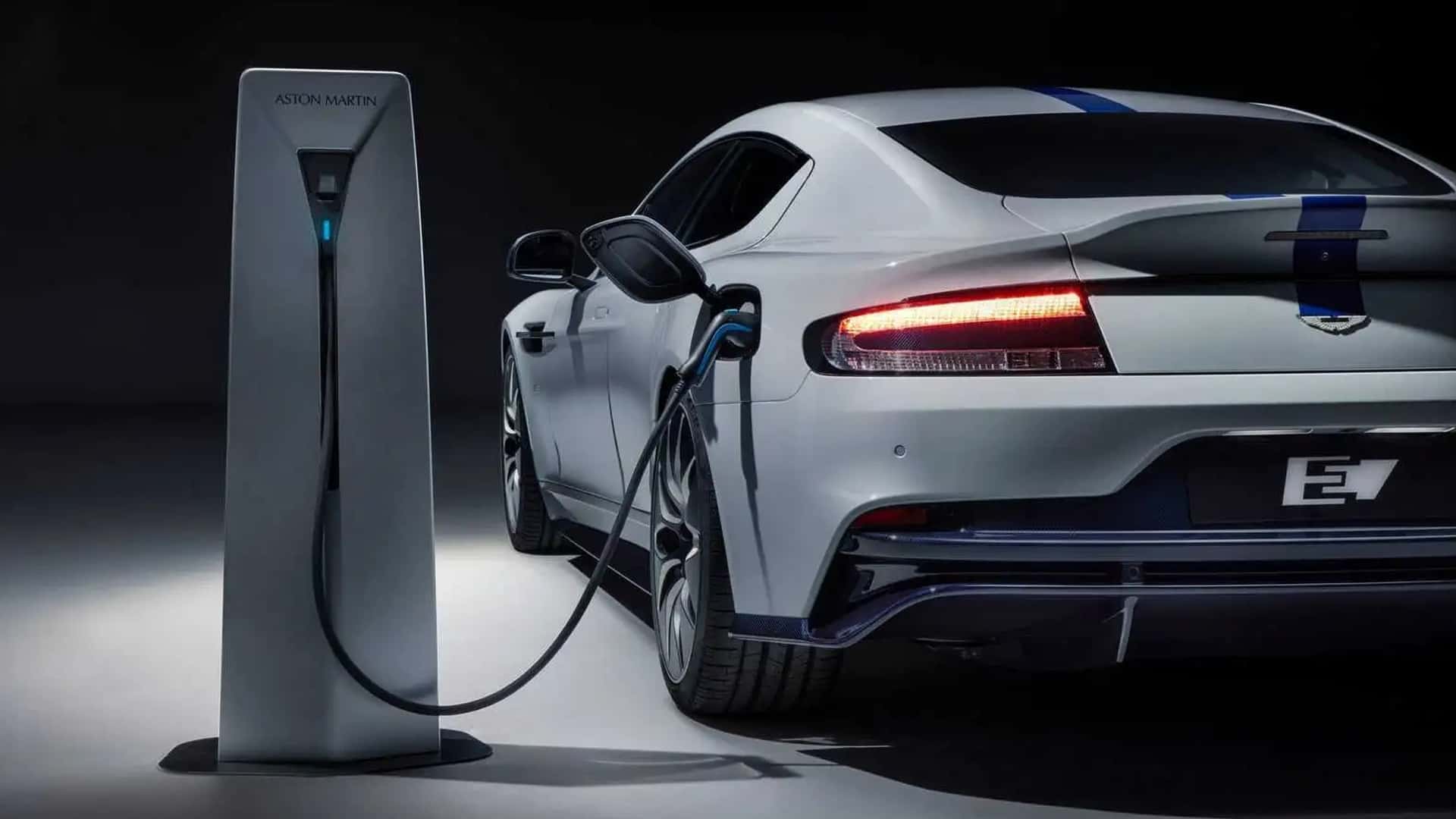
In a significant strategic pivot that reflects the cooling global enthusiasm for battery-electric vehicles (BEVs) among high-end luxury manufacturers, Aston Martin has officially delayed the launch of its first fully electric model. Under the leadership of CEO Adrian Hallmark, the storied British marque has confirmed that its debut EV will not arrive before 2033, with a potential release window extending as far as 2035. This announcement marks a stark departure from the company’s previous, more aggressive timelines and signals a renewed commitment to the internal combustion engine (ICE) for the foreseeable future.
A Shifting Timeline: From 2027 to 2035
The journey toward an electrified Aston Martin has been characterized by shifting goalposts. Under previous management, the company had set a relatively ambitious target of 2027 for its maiden electric vehicle. When Adrian Hallmark joined the company from Bentley in September 2024, the timeline was recalibrated to 2030. However, in his latest address to stakeholders and media, Hallmark has effectively discarded that 2030 target.
"I’m not going to give an absolute date, because it’s imprecise," Hallmark stated during a recent briefing. "It could be 2035, it might be 2033, but it’s in that three-year window. It’s not 2031."
This recalibration is not merely a delay; it is a fundamental reassessment of the brand’s product lifecycle and market readiness. By positioning itself as a "BEV delayer" rather than a "BEV denier," Aston Martin is attempting to thread a needle between technological advancement and the visceral, high-performance expectations of its ultra-wealthy clientele.
The Resilience of the Internal Combustion Engine
While the electric transition remains a distant prospect, the roar of the V8 and V12 engines is set to continue for at least another decade. Hallmark emphasized that Aston Martin’s current product roadmap ensures that both its signature V8 and V12 powerplants will remain in production through 2035.
This decision is rooted in the company’s "combustion-first" approach to its core portfolio, which includes iconic models like the Vantage, the DB12, and the ultra-luxury Vanquish. For Aston Martin, these engines represent more than just propulsion; they are the heart of the brand’s identity. The company is actively investing in technologies to ensure these engines remain compliant with tightening global emissions regulations, including the use of mild-hybrid systems that enhance efficiency without the prohibitive weight and complexity of large-scale plug-in hybrid (PHEV) battery arrays.
The recent launch of the $260,000 DBX GT—a powerhouse SUV built around a high-performance twin-turbo V8—serves as a physical manifestation of this philosophy. By doubling down on combustion, Aston Martin is betting that its customers will continue to prioritize the emotional and acoustic experience of traditional engines over the clinical efficiency of electric motors for the next ten years.
The Technological Advantage of Waiting
One of the most compelling arguments Hallmark has made for the delay is the rapid evolution of electric vehicle technology. Aston Martin has a standing partnership with Lucid Group, which provides the British automaker with access to high-performance electric powertrain components, including motors and battery management systems.
According to Hallmark, the delay actually serves the company’s long-term interests. "We have the deal with Lucid, and the interesting thing is, because we delayed, by the time we activate that deal, the technology that we will get is totally different to what we signed up the original contract for," he explained.
By waiting until the early-to-mid 2030s, Aston Martin expects to integrate next-generation solid-state battery technology or more advanced power-density motors that will be significantly more capable than the current offerings. This allows the company to bypass the "early adopter" phase of EV development, where rapid depreciation and technological obsolescence are common, and instead enter the market with a product that truly reflects the performance standards of an Aston Martin.
Navigating a Fragmented Global Landscape
Aston Martin’s decision to push back its EV launch is also a pragmatic response to the "stress-testing" of global markets. Unlike mass-market manufacturers that must pursue a one-size-fits-all electrification strategy, a low-volume luxury brand has the flexibility to respond to regional differences in infrastructure, demand, and legislation.
Regulatory Pressures
The European Union’s mandate to move toward a 100 percent CO2 reduction for new car fleets by 2035 serves as a de facto deadline for the industry. However, the EU has provided a crucial "e-fuel" exemption for low-volume manufacturers, allowing them to continue selling combustion-engine vehicles if they run on carbon-neutral fuels. This regulatory pathway has provided Aston Martin with the legal cover necessary to keep its V12s and V8s in production well into the next decade.
In the United Kingdom, the government’s stance remains similarly nuanced, with plans to allow new hybrid vehicles until 2035, followed by a total shift to zero-emission tailpipes. These policies have created a stable, if challenging, environment where Aston Martin can continue to sell high-performance gas engines while simultaneously researching and refining its electric future.
Consumer Demand
Beyond legislation, there is the simple reality of market demand. Aston Martin’s core demographic—affluent, performance-oriented enthusiasts—has shown a lingering preference for the engagement provided by traditional engines. While the market for electric luxury cars is growing, it is not yet the monolithic force that many industry analysts predicted five years ago. By opting to "delay," Aston Martin is avoiding the risk of forcing an unwanted technology onto its customers, thereby protecting its brand equity and resale values.
Implications for the Future
The decision to postpone the electric revolution has profound implications for Aston Martin’s corporate identity and financial outlook. Under Adrian Hallmark’s guidance, the company is shedding the pretenses of a Silicon Valley-style disruptor and returning to its roots as a boutique, high-performance manufacturer.
"Aston now feels like a normal company," Hallmark noted. This "normalcy" is defined by a balanced portfolio, a focus on engineering excellence, and a refusal to chase short-term trends at the expense of the brand’s core values.
Financial and Operational Impacts
From a financial perspective, the delay allows Aston Martin to reallocate capital that would have been spent on premature EV tooling toward the continued development of its sports car platforms. This minimizes the "burn rate" of research and development costs and ensures that when the company does launch an EV, it will be on its own terms, with its own unique platform and design language.
The Role of Partnerships
The continued reliance on Mercedes-AMG for V8 engines and electrical architectures remains a cornerstone of the company’s stability. By leveraging these strategic partnerships, Aston Martin maintains the ability to produce world-class vehicles without the staggering costs of developing every sub-component in-house. This allows the company to remain profitable while it keeps a watchful eye on the evolving EV landscape.
Conclusion: A Measured Evolution
Aston Martin’s recalibrated strategy is a lesson in corporate discipline. In an industry currently gripped by the frantic pressure to electrify, the company has chosen to prioritize its heritage and the specific desires of its customers. By pushing its EV launch to 2033 or later, Aston Martin is not admitting defeat; rather, it is positioning itself to be a leader when the technology is truly ready to match the standards of a grand tourer.
As the industry enters the 2030s, the automotive landscape will undoubtedly look very different. However, for those who value the legacy of the V12 and the timeless appeal of a driver-focused machine, Aston Martin’s commitment to internal combustion remains a welcome reprieve. The "BEV delayer" strategy ensures that the brand remains relevant, profitable, and, above all, true to the spirit that has defined it for over a century. The electric future is coming, but for Aston Martin, it will arrive on its own terms—and not a moment before the technology is worthy of the wings.