In the complex, often unpredictable landscape of multiple sclerosis (MS), the chasm between a mild diagnosis and rapid, debilitating progression has long remained a medical enigma. Why do some patients live for decades with minimal impairment, while others face aggressive, life-altering disability within just a few years of onset?
A groundbreaking study led by researcher Daan van der Vliet and a multidisciplinary team from the Netherlands Institute for Neuroscience, Leiden University, and Utrecht University, has potentially unlocked a critical piece of this puzzle. By peering into the microscopic architecture of brain tissue from deceased MS patients, the researchers have identified a biological phenomenon that shifts our understanding of the disease: the emergence of "foamy microglia."
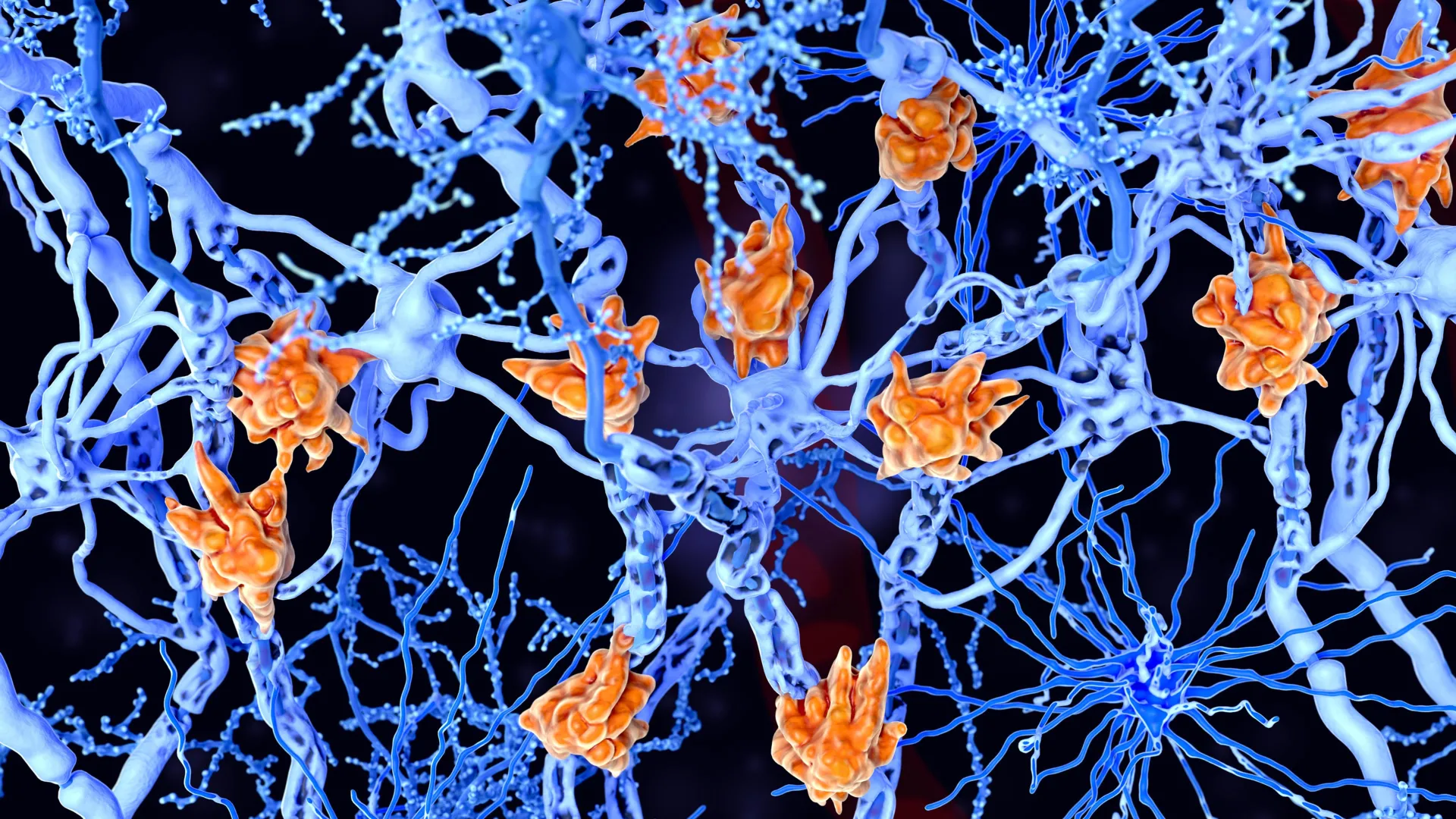
These specialized immune cells, tasked with the brain’s maintenance and repair, appear to be suffering from a catastrophic case of metabolic overload. This discovery not only sheds light on why MS becomes particularly severe in some individuals but also paves the way for new diagnostic biomarkers and personalized treatment strategies.
The Biological Context: Myelin and the Role of Microglia
Multiple sclerosis is fundamentally a disease of miscommunication. It targets myelin, the fatty, lipid-rich sheath that insulates nerve fibers in the central nervous system. Much like the plastic coating on an electrical wire, myelin ensures that signals travel efficiently between the brain and the body. In MS, the immune system mistakenly attacks this protective barrier, leading to the formation of lesions. As the insulation breaks down, neural transmission falters, resulting in symptoms ranging from sensory disturbances and vision impairment to profound mobility issues and paralysis.
At the center of this battleground are microglia. These are the brain’s resident macrophages—the "custodians" of the central nervous system. Under healthy conditions, microglia are dynamic, shifting their shape and function to clear cellular debris, prune synapses, and orchestrate tissue repair. However, in the presence of chronic MS lesions, these cells undergo a radical, and ultimately harmful, transformation.
Chronology of Discovery: From Observation to Molecular Mapping
The journey to this discovery began with the realization that traditional models of MS inflammation were incomplete. While inflammation is a hallmark of the disease, targeting it broadly has not always stopped the progression of disability. The research team decided to pivot their focus toward the metabolic state of the brain’s immune cells.
Phase 1: Identifying the "Foamy" Anomaly
The researchers analyzed post-mortem brain tissue provided by the Netherlands Brain Bank, specifically focusing on 28 individuals who had lived with MS. Using advanced histological staining, they noticed a distinct population of microglia packed with lipid droplets—the "foamy" cells. These cells were not merely present; they were abundant in the lesions of patients who had experienced the most rapid and severe clinical declines.
Phase 2: High-Resolution Molecular Profiling
To understand what these cells were doing, the team utilized a suite of cutting-edge technologies. By integrating transcriptomics (gene activity), proteomics (protein expression), and lipidomics (fat composition) at the single-cell level, they were able to map the internal state of these microglia. The data revealed that these cells were essentially "choking" on the very myelin debris they were attempting to clean up.
Phase 3: Correlating Pathology with Clinical History
By cross-referencing these molecular findings with the detailed clinical records preserved by the Netherlands Brain Bank, the team established a powerful correlation: the higher the density of foamy microglia in a patient’s brain, the more aggressive the clinical progression of their MS had been during their lifetime.
Supporting Data: When Cleanup Becomes a Liability
The study’s findings suggest a tragic irony in the body’s self-repair mechanism. When MS lesions form, microglia rush to the site to ingest the damaged myelin. Normally, the cell would process these fats and recycle them. However, in the hostile environment of an MS lesion, the influx of damaged material is too high.
"These cells are probably trying to do something good: clearing up damage," explains Daan van der Vliet. "But they become overloaded, so to speak. As a result, they can no longer effectively contribute to repair."
The molecular analysis further revealed that these foamy microglia were not just inert storage units; they were metabolically distinct. The areas surrounding these cells were enriched with specific, complex fats that triggered long-lasting inflammatory signaling. This suggests that the "cleanup crew" is not only failing to clear the mess but is actively exacerbating the inflammatory environment, creating a vicious cycle of damage and metabolic dysfunction.
Official Responses and Scientific Perspective
The scientific community has reacted with significant interest to these findings, as they move the needle from viewing MS as purely an immune-mediated disease to seeing it as a metabolic-immune hybrid.
Daan van der Vliet emphasizes that the success of the study relied on the synergy between new technology and old-school pathology. "Today we have incredibly sophisticated techniques that can map the brain in great detail," he says. "The technologies are fantastic, but they tell you relatively little if you cannot connect them to pathology in brain tissue. Precisely because brain tissue has been carefully studied and classified for years by the Netherlands Brain Bank, we were able to recognize these abnormal patterns."
Other experts in the field have noted that this research provides a plausible explanation for the "chronic active" lesions that are notoriously difficult to treat with current disease-modifying therapies. By identifying that the problem is not just the initial immune attack, but the subsequent failure of microglial metabolism, the study opens a new front for therapeutic intervention.
Implications: The Road to Personalized MS Treatment
The implications of this research are twofold: the development of predictive biomarkers and the creation of targeted metabolic therapies.
1. Biomarkers for Prognosis
One of the most daunting aspects of an MS diagnosis is the uncertainty of the disease trajectory. Currently, there are few reliable ways to predict which patients will develop severe disability. The research team discovered evidence that the specific fats associated with foamy microglia may leak into the cerebrospinal fluid (CSF). If clinical trials can validate these as biomarkers, doctors could eventually perform a lumbar puncture or potentially even a blood test to identify patients at high risk of rapid decline. This would allow for earlier, more aggressive intervention.
2. Metabolic Therapies
Perhaps most exciting is the potential for new treatments. If the "foamy" state is a result of metabolic overload, therapies that enhance the lipid-processing capacity of microglia could potentially "re-activate" these cells, turning them from harmful agents back into repair specialists.
The research aligns with current experimental efforts aimed at targeting lipid metabolism and the expansion of chronic lesions. Several of these therapeutic avenues are already under investigation, with some clinical studies currently being conducted in collaboration with industry partners like Roche.
A More Complex View of Multiple Sclerosis
The study by Van der Vliet and his colleagues marks a significant departure from the traditional, singular focus on inflammation. It posits that MS progression is a nuanced chain of events where the immune system’s protective intentions are subverted by metabolic exhaustion.
"It does not appear to be simply about the inflammatory response alone," says Van der Vliet. "These cells are probably attempting to clear damage and promote repair, but that process fails, worsens inflammation, and counteracts recovery."
By looking at the "foamy" microglia, researchers have found a tangible, measurable target that explains the variance in disease severity. This shift from viewing the immune system as simply "misguided" to understanding it as "overwhelmed" changes the therapeutic calculus. It suggests that the future of MS care lies in supporting the brain’s own restorative machinery, ensuring that the cleanup crew can finish their job rather than becoming part of the damage themselves.
As the scientific community digests these findings, the focus will now shift to clinical translation—turning these insights from the microscope into the clinic, and ultimately, into a better quality of life for those living with multiple sclerosis.
This research was supported by two Gravitation programs: the Institute for Chemical Immunology (ICI) and the Institute for Chemical NeuroScience (iCNS).