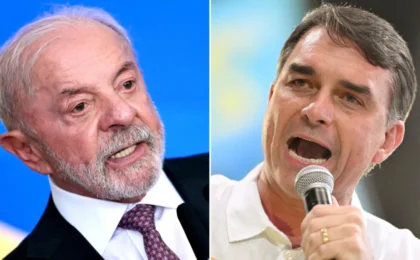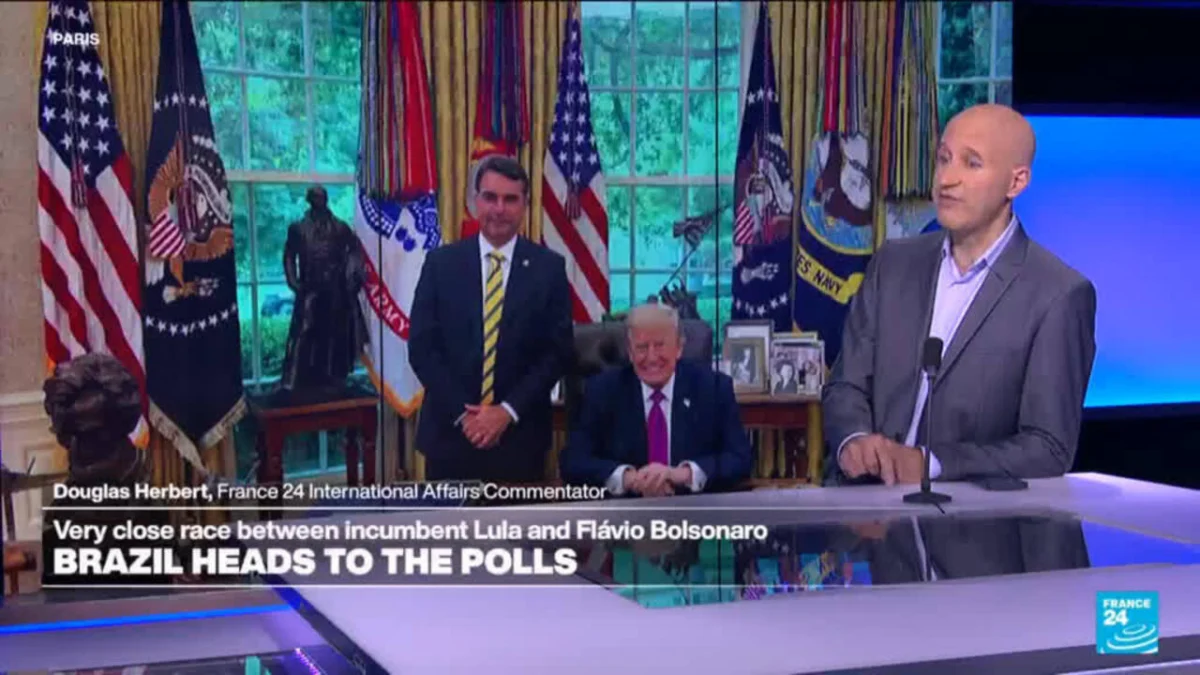
BRASÍLIA – As the sun rises over the vast, diverse landscape of Brazil, millions of citizens are heading to the polls in what is being described by political analysts as the most consequential election in the nation’s democratic history. The contest pits the incumbent, veteran leftist Luiz Inácio Lula da Silva, against the challenger, Flávio Bolsonaro, a figure representing the enduring influence of the conservative movement that dominated Brazilian politics for much of the early 2020s.
The atmosphere across the country is one of palpable tension. In the bustling metropolises of São Paulo and Rio de Janeiro, as well as the remote interior, voters are lining up to decide not just the occupant of the Alvorada Palace, but the fundamental trajectory of Brazil’s economy, its environmental commitments, and its place on the global stage.
I. Main Facts: A Divided Electorate
The core of this election lies in the starkly different visions offered by the two candidates.
Lula da Silva, seeking to cement his legacy, has campaigned on a platform of social welfare expansion, poverty reduction, and a return to "green" diplomacy. His administration has focused heavily on rebuilding the social safety net, which he argues was severely eroded during the preceding administration. For his supporters, Lula represents stability, international legitimacy, and a commitment to the marginalized.
Opposing him is Flávio Bolsonaro, who has effectively galvanized the right-wing base. His campaign centers on "traditional values," deregulation of the economy, and a robust stance on law and order. Bolsonaro’s rhetoric resonates deeply with a demographic that feels alienated by modern progressive policies and is concerned about the country’s economic security.
As polling stations opened, election officials emphasized that the integrity of the electronic voting system—a subject of intense debate in recent cycles—has been bolstered by new transparency measures. The Superior Electoral Court (TSE) has worked tirelessly to counter misinformation, deploying task forces to ensure that voters can cast their ballots without intimidation or interference.
II. Chronology: The Road to Election Day
To understand the current political climate, one must look back at the turbulent events that shaped the 2026 campaign cycle:
- Early 2026: The electoral season began under the shadow of economic volatility. Inflationary pressures and fluctuating commodity prices defined the early months, forcing both camps to debate the efficacy of the current government’s fiscal policies.
- April 2026: Official candidate registration confirmed the Lula-Bolsonaro showdown, setting the stage for months of aggressive campaigning.
- July 2026: The televised debates became the primary battlefield. These events were characterized by sharp personal exchanges and deep policy disagreements regarding the Amazon rainforest and agricultural trade.
- September 2026: The final stretch of the campaign saw a surge in grassroots mobilization. Both candidates traveled extensively, targeting "swing" regions in the Northeast and the agricultural heartlands of Mato Grosso.
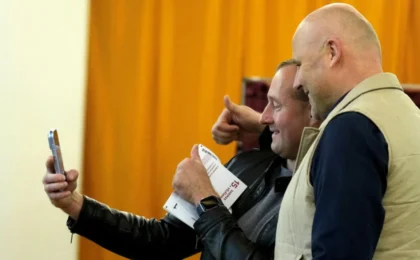
- October 4, 2026: Election Day. Despite concerns about political polarization, the voting process proceeded with high turnout reported in major urban centers by early afternoon.
III. Supporting Data: The Economic and Social Landscape
The electoral outcome will likely be dictated by the "pocketbook" issues of the average Brazilian citizen. According to data from the Brazilian Institute of Geography and Statistics (IBGE), the nation’s GDP has shown signs of resilience, yet the distribution of wealth remains a critical point of contention.
Labor and Income
Lula’s supporters point to the rise in the minimum wage and the expansion of the Bolsa Família program as proof of progress. Critics, however, argue that these social programs are unsustainable and have contributed to a bloated public deficit.
Environmental Metrics
The Amazon remains the "X-factor" of the campaign. Data from the National Institute for Space Research (INPE) indicates that while deforestation rates have stabilized compared to the early 2020s, they remain above the target goals set by international climate accords. Lula has campaigned on a promise of "zero deforestation," whereas Bolsonaro has frequently questioned the economic cost of strict environmental regulations, advocating for a balance that prioritizes agricultural expansion.

Polling Trends
Throughout the final weeks, independent polling firms, including Datafolha and IPEC, showed a neck-and-neck race. The margins of error have consistently suggested that the result may come down to the performance in a few key states, specifically Minas Gerais and Rio de Janeiro, where undecided voters have been the focus of last-minute advertising blitzes.
IV. Official Responses and Institutional Stability
The Superior Electoral Court (TSE) has issued several statements emphasizing the resilience of Brazil’s democracy. The Chief Justice of the TSE recently addressed the nation, stating: "The ballot box is the only legitimate instrument for the expression of the popular will. We are prepared to ensure that the results are respected and that the transition of power, if necessary, is conducted with the solemnity required by the Constitution."
International observers, including delegations from the Organization of American States (OAS), are on the ground monitoring the proceedings. Their preliminary reports have lauded the efficiency of the voting infrastructure, though they have expressed concern regarding the "toxic" nature of the online discourse leading up to the vote.
V. Implications: What Comes Next?
The implications of the 2026 election extend far beyond Brazil’s borders. As the world’s fourth-largest democracy, the outcome will signal a shift in regional power dynamics across Latin America.
The Regional Impact
A Lula victory would likely solidify a "pink tide" alignment across South America, strengthening regional blocs like MERCOSUR. A victory for Flávio Bolsonaro, conversely, would likely lead to a pivot toward more conservative bilateral partnerships, potentially realigning Brazil’s foreign policy closer to the United States and other right-leaning global powers.
The Economic Trajectory
Investors are watching the fiscal policy implications with bated breath. The markets are braced for volatility; a win for the incumbent suggests continuity in existing social policies, while a victory for the challenger is expected to trigger a rally in the equities market, driven by expectations of rapid privatization and tax reform.
Social Cohesion
Perhaps the most significant challenge for the winner will be the task of reconciliation. The campaign has widened the chasm between the urban and rural, the poor and the middle class, and the traditionalist and the progressive. Whoever emerges victorious will inherit a nation that is deeply divided, and the ability to bridge these gaps will be the ultimate test of their leadership.
Conclusion: A Nation Pauses
As the polls close across the country’s various time zones, Brazil stands at a definitive crossroads. The result of this election will be more than just a tally of votes; it will be an indicator of whether Brazil chooses to continue on the path of state-led social reform or pivots toward a model defined by market liberalism and traditionalist governance.
For now, the Brazilian people wait. In cafes from Porto Alegre to Manaus, the conversations are hushed but intense. The ballot boxes are sealed, the observers are reporting, and the world is watching to see how the largest nation in South America chooses to write the next chapter of its democratic story. Regardless of the victor, the path forward requires not just a winning policy platform, but a concerted effort to heal the wounds of a fiercely fought campaign.