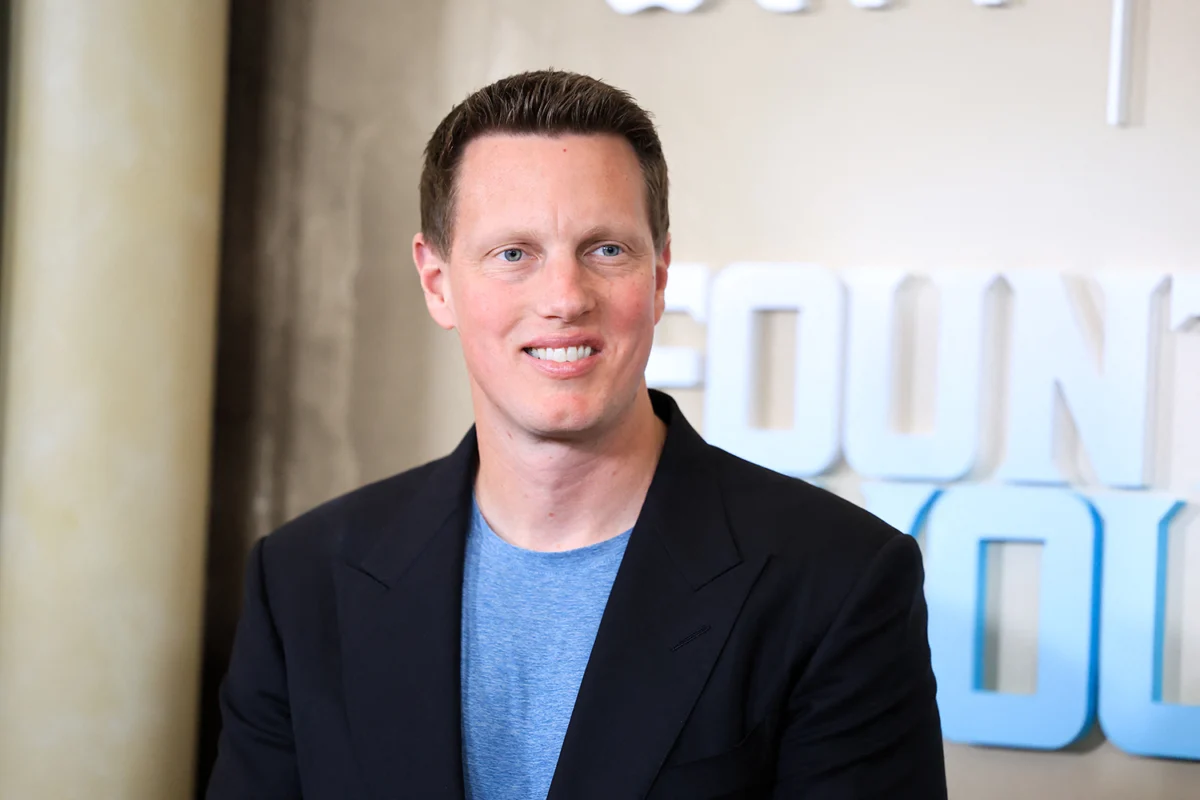
The landscape of American media is on the precipice of a seismic shift. After months of regulatory gridlock, legal maneuvering, and intense industry speculation, David Ellison—the mogul behind Skydance Media—has secured the path to orchestrate one of the most significant corporate unions in entertainment history: the merger of Paramount Global and Warner Bros. Discovery (WBD).
The endgame, which seemed distant just weeks ago, has been accelerated by a flurry of weekend negotiations. By securing settlements with a coalition of 12 state attorneys general and the Writers Guild of America (WGA), Ellison has effectively dismantled the primary legal barriers that threatened to derail the deal. With the green light now visible, the industry is bracing for the emergence of a new powerhouse, colloquially being dubbed “ParaBros.”
The Path to Consolidation: A Chronology of the Deal
The road to this merger has been anything but linear. For much of the year, Paramount Global faced a volatile period of internal leadership shifts and external pressure from shareholders. When David Ellison emerged as the primary suitor, the narrative was framed around his ability to revitalize the storied studio through Skydance’s operational prowess.
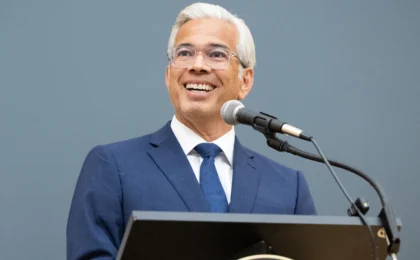
However, the path was quickly obstructed. A group of state attorneys general, led by California’s Rob Bonta, raised significant antitrust concerns. Their primary argument was that the consolidation of two such massive content libraries would stifle competition, reduce output, and potentially harm labor interests. Simultaneously, the WGA maintained a watchful eye, concerned that a massive merger could lead to further industry contraction and reduced job security for creators.
The turning point occurred this past weekend. Through a series of intensive, high-stakes negotiations, Ellison’s team worked to bridge the gap. By committing to specific labor protections and production benchmarks, Ellison was able to convert his fiercest critics into partners. On Monday, the announcement of a formal settlement with the 12 state AGs provided the necessary regulatory clearance to move forward.
Breaking Down the Commitments: What the Deal Means for Production
Central to the success of this merger is a set of ironclad commitments that Ellison has made to regulators and the WGA. These are not merely corporate platitudes; they are structural promises aimed at placating fears of a "content desert" following the merger.
Key components of the settlement include:
- Annual Production Minimums: The merged entity has committed to a minimum of 30 feature-length films annually, ensuring that the combined library does not lead to a reduction in output.
- Domestic Expansion: A significant portion of these productions will be anchored in the United States, a move designed to stimulate local economies and support the massive infrastructure of American production crews.
- Labor Stability: The settlement with the WGA provides assurance that the creative workforce will be protected during the transition, with mechanisms in place to ensure that the "art of visual storytelling" remains at the center of the corporate strategy.
For many, this is a distinct pivot from the original narrative. Critics who once decried the merger as anticompetitive are now highlighting the "increased volume" and "job security" that the combined entity can offer. By positioning the merger as a "revitalization" of the industry rather than a consolidation of power, Ellison has successfully altered the optics of the deal.
The Sentiment on the Lot: A Celebration Amidst Controversy
Despite the logistical weight of the merger, the mood at the Paramount lot in Hollywood has been described by insiders as celebratory. The atmosphere is charged with a sense of relief; the "uncertainty and anxiety" that Ellison acknowledged in his staff memo have finally been replaced by a clear, albeit challenging, roadmap.
The timing of the announcement—falling during Yom Kippur, the holiest day in the Jewish calendar—has added a layer of irony to the proceedings. While much of the entertainment industry observed the day with reverence, the wheels of corporate machinery continued to turn. Sources within the company noted that several of Ellison’s top lieutenants, recognizing the sensitivity of working during the holiday, have pledged “guilt donations” to various charities, acknowledging the necessity of their labor during such a significant moment.
Implications for the Future of Media
The merger of Paramount and WBD represents more than just a change in ownership; it signals a fundamental restructuring of the streaming and theatrical landscape. As Ellison noted in his address to staff, the closing of the deal is "really just the starting line."
1. Competitive Dynamics in the Streaming Era
The combined entity will possess one of the most robust content libraries in existence. By merging the intellectual property of Paramount—including the Star Trek, Mission: Impossible, and Top Gun franchises—with the vast archives of Warner Bros. Discovery—which includes the DC Universe, Harry Potter, and the CNN/HBO networks—the company will be uniquely positioned to compete with Netflix and Disney+.
2. The Shift Toward "Integrated" Media
Ellison’s strategy relies on the belief that scale is the only way to survive the high costs of content production. By integrating the two companies, the leadership aims to realize massive synergies in technology, distribution, and marketing. This will likely involve a deep integration of their respective streaming platforms, creating a "mega-app" experience that provides consumers with unprecedented choice.
3. Impact on the Creative Ecosystem
While Ellison has promised more opportunities for creatives, the reality of corporate mergers is often defined by cost-cutting. The "Integration Hub" established by the company suggests that the next few months will be dedicated to identifying redundancies. The industry will be watching closely to see how many roles are consolidated and how the corporate culture of the new entity evolves.
Official Responses and the Road Ahead
In his internal memo, David Ellison was transparent about the challenges ahead. "We don’t have all the answers yet, and I won’t pretend otherwise," he admitted. His message to the staff was one of cautious optimism, emphasizing that the merger is about "building a stronger Hollywood."
For the state attorneys general, the settlement represents a victory for regulatory oversight. By forcing Ellison to put his commitments in writing—specifically regarding domestic production and volume—the AGs have set a precedent for how future media mega-mergers might be scrutinized.
The WGA’s involvement, meanwhile, underscores the increasing power of labor unions in the corporate boardroom. By engaging in good faith, the union has ensured that the creative interests of writers are woven into the very fabric of the new company’s operating charter.
Conclusion: A New Chapter for Hollywood
As the "ParaBros" deal moves toward its final closing—tentatively slated for roughly two weeks from now—the industry finds itself in a state of transition. For David Ellison, the success of this merger will be measured not by the signing of the final documents, but by his ability to successfully integrate two massive, legacy-driven cultures into a single, cohesive force.
The promise of "entertaining, uniting, and inspiring the world" remains the stated mission. Whether this merger will indeed revitalize the industry or lead to the further concentration of power remains to be seen. However, one thing is certain: the era of the individual studio is fading, and the era of the consolidated media conglomerate has firmly arrived.
As the employees of Paramount and WBD look toward an uncertain but potentially transformative future, the words of Ellison provide a guiding principle for the transition: "We’re grateful to Attorney General Bonta and his fellow AGs, and to the WGA, for engaging in good faith to reach this resolution… We’re confident we’re going to build something special together in the years ahead."
The clock is now ticking. In two weeks, the landscape of global entertainment will be irrevocably changed. For the executives, the creatives, and the audiences watching from home, the "ParaBros" era is officially underway.