By Editorial Staff
Published September 29, 2026
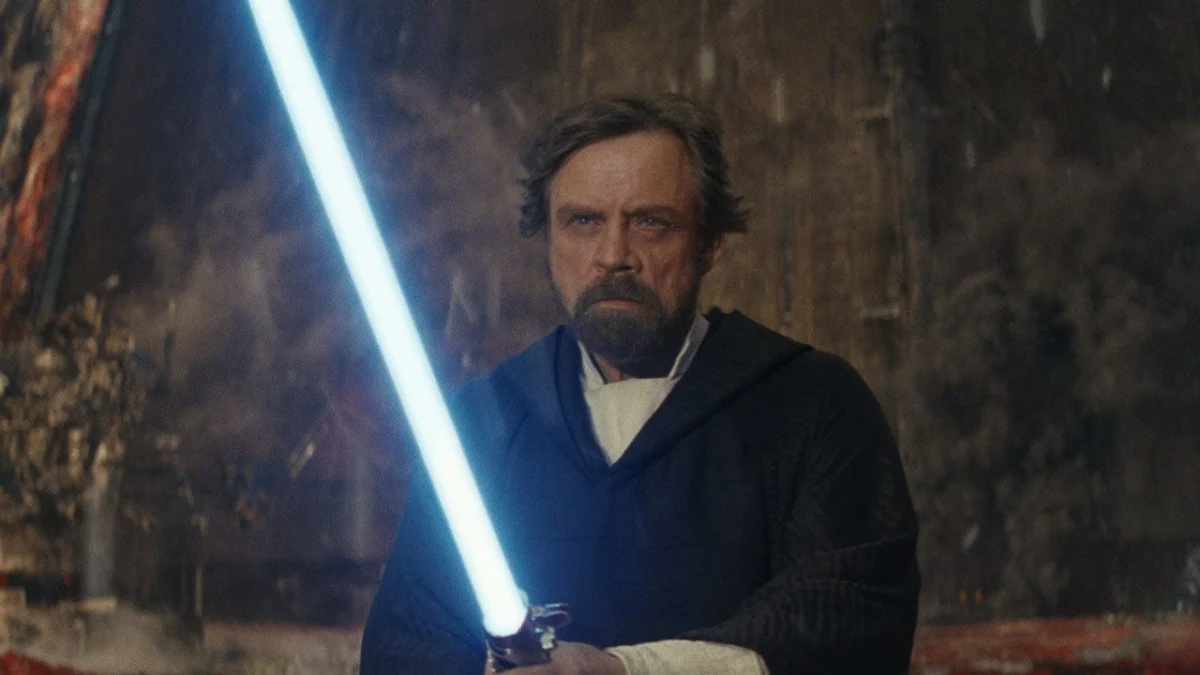
The Star Wars franchise stands at a crossroads. As Lucasfilm looks toward the next decade, the creative roadmap—spearheaded by executive producer and creative lead Dave Filoni—has become increasingly clear. Following a revealing D23 panel in August 2026, the studio’s strategy has solidified: a deliberate, calculated effort to unify a fragmented fanbase by leaning into the legacy of the Skywalker saga. However, this strategy has sparked a fierce debate among critics and fans alike, raising questions about whether Lucasfilm is prioritizing long-term artistic evolution or the short-term security of established intellectual property.
The Filoni Doctrine: Unifying a Divided Galaxy
During the D23 presentation, Dave Filoni articulated a mission statement that acts as the cornerstone of his leadership. "We have several different generations of Star Wars fans," Filoni noted. "There’s original trilogy fans, prequel fans, sequel trilogy fans, Clone Wars fans, expanded universe fans. They all have different interests. And I always look at how we’re going to serve all these different interests. And most importantly, how do we bring them all together because they have this common love of Star Wars."

This philosophy, while undeniably noble in its intent to bridge the chasm between disparate fan factions, has drawn criticism for its inherent risk-aversion. To many, the desire to "serve all interests" is synonymous with "playing it safe." When a creative mandate is built upon the foundation of mass appeal, the capacity for subversion, daring storytelling, or experimental filmmaking is often the first casualty.
Chronology of a Retrenchment
The narrative of Star Wars over the last decade has been one of extreme volatility. Following the acquisition of Lucasfilm by Disney, the studio attempted to expand the Star Wars universe with both the Sequel Trilogy and spin-off "A Star Wars Story" films. The results were mixed, leading to internal shifts that culminated in the current era of "Skywalker-centric" focus.
- 2015–2017: The era of The Force Awakens and The Last Jedi. While commercially successful, the creative divergence between the two films—and the starkly different visions of directors J.J. Abrams and Rian Johnson—created a fracture in the fanbase that has yet to fully heal.
- 2018–2019: The "Solo" effect. Following the polarized reception of The Last Jedi, the standalone Solo: A Star Wars Story underperformed, leading Disney to hit the brakes on theatrical spin-offs.
- 2020–2025: The "Disney+ Pivot." Lucasfilm retreated to television, finding success with The Mandalorian, Andor, and The Acolyte, which explored different corners of the lore.
- 2026–Present: The return to the theatrical stage. With the announcement of a new trilogy helmed by director Jon Watts and screenwriter Simon Kinberg, the franchise is officially moving back to the core Skywalker-adjacent narrative, starting with "Episode X."
The Creative Team: Palatability vs. Provocation
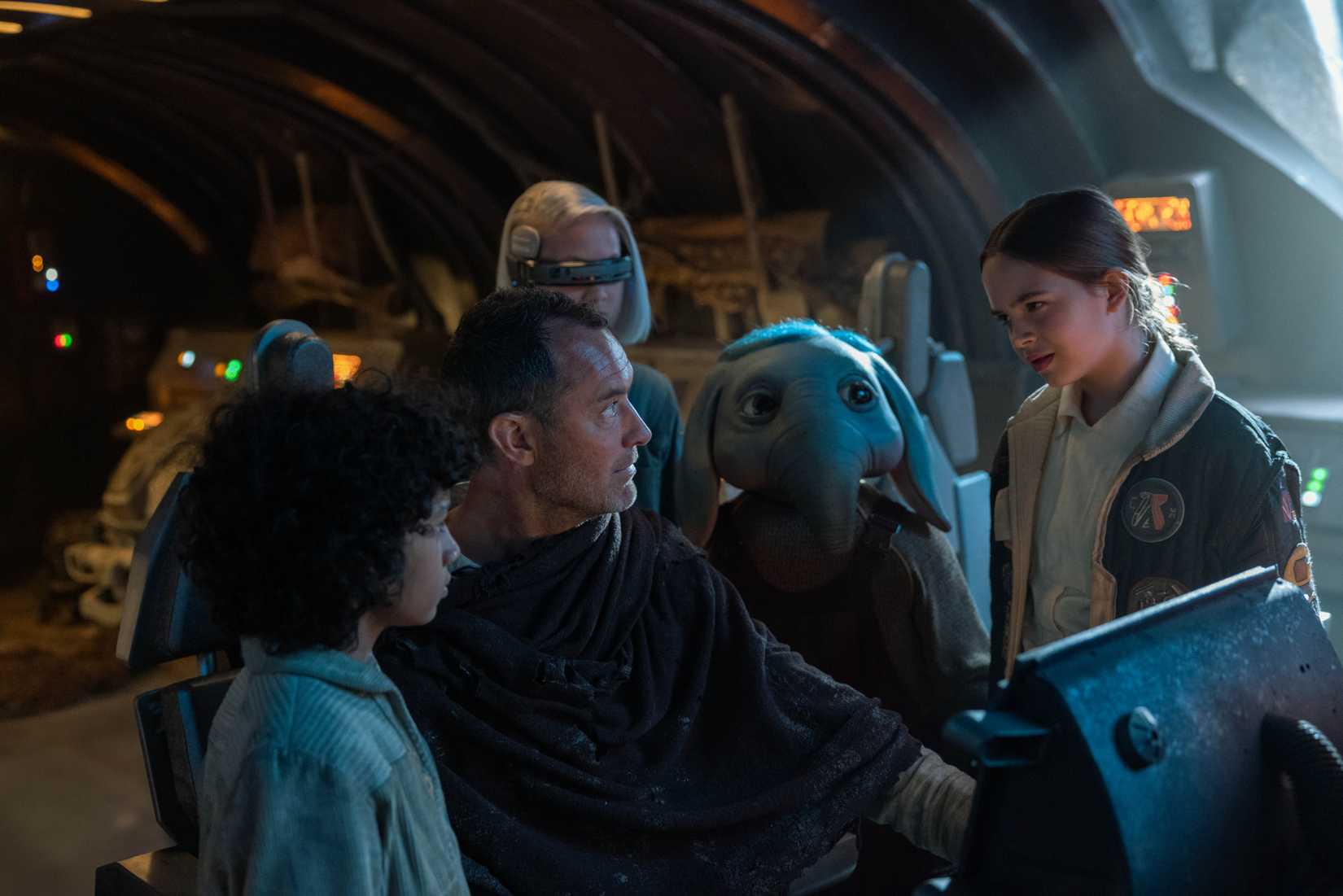
The decision to pair director Jon Watts with writer Simon Kinberg for the new trilogy serves as a microcosm of Lucasfilm’s current strategy. Watts, known for his work on the Marvel Cinematic Universe’s Spider-Man "Home" trilogy and the recent Star Wars: Skeleton Crew, is widely viewed as a "safe pair of hands." His ability to manage high-budget, IP-heavy projects without compromising on character beats is well-documented.

Conversely, the hiring of Simon Kinberg has triggered a more skeptical response. Kinberg’s history with the X-Men franchise—particularly the widely panned Dark Phoenix—has left many fans concerned. While his work on the animated series Star Wars Rebels is held in high regard, critics argue that the jump from serialized children’s animation to a high-stakes, multi-billion-dollar theatrical trilogy requires a level of narrative weight that Kinberg has yet to consistently demonstrate.
The concern is not necessarily that these creators are "bad" filmmakers, but that they are "palatable" ones. In an industry that is increasingly rewarding bold, genre-bending cinema, Lucasfilm appears to be opting for a predictable, polished output that risks feeling stagnant to audiences who have grown accustomed to the grittier, more unique tones found in Andor or the animated Visions anthology.
The Shadow of The Last Jedi
To understand why Lucasfilm is retreating to the "safe" middle ground, one must analyze the toxic discourse surrounding 2017’s The Last Jedi. At the time of its release, the film was hailed by critics as a masterpiece of subversion, earning a 91% rating on Rotten Tomatoes. However, the "Popcornmeter" (audience score) lagged significantly behind at 41%.
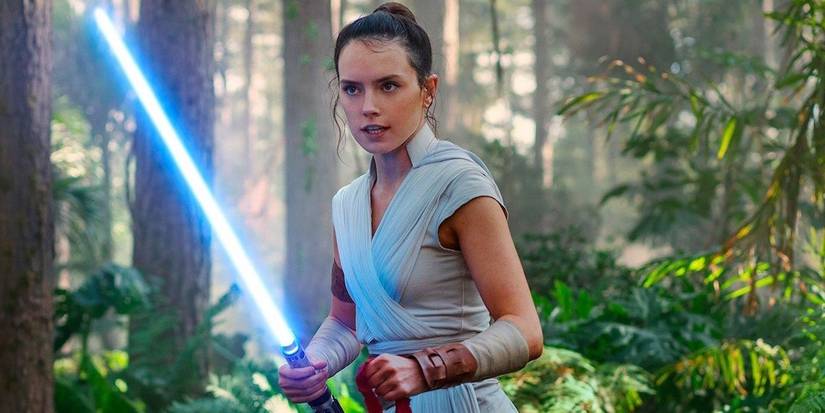
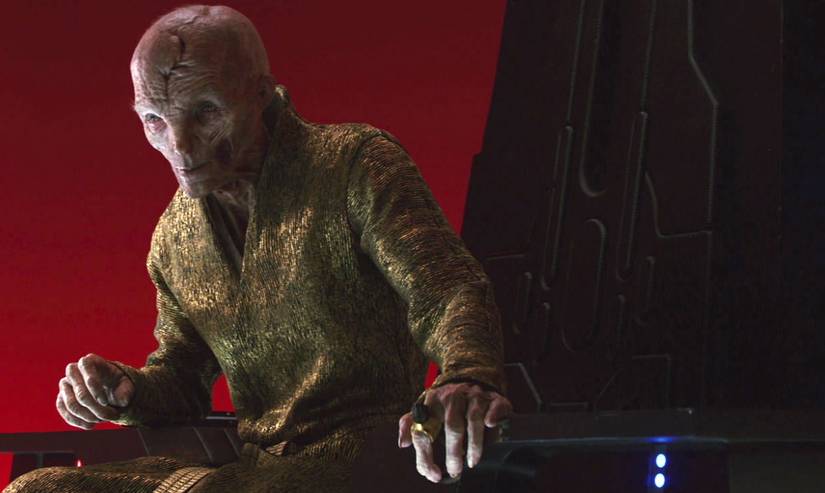
The backlash was not merely about plot points like the death of Snoke or the "Holdo Maneuver." It became a flashpoint for a culture war, with vitriolic online campaigns targeting the director and cast. This environment effectively spooked Disney. The subsequent The Rise of Skywalker was, by many accounts, a reactionary course-correction—a film that desperately tried to undo the thematic risks of its predecessor, resulting in a cluttered, disjointed final product.
This history has created a "bed of our own making." Disney is now in a position where any attempt to innovate is met with the fear of repeating the Last Jedi fallout, leading to a feedback loop where the studio refuses to take risks because it fears the very audience it is trying to unify.
Implications for the Future of the Franchise
What does this mean for "Episode X"? The film is tasked with an almost impossible mandate: it must serve as a continuation of the Skywalker saga while simultaneously "correcting" the perceived inconsistencies of the Sequel Trilogy.
1. The Financial Imperative
Disney is a publicly traded company that requires the safety of recognizable intellectual property to justify the massive production budgets of modern blockbusters. A film centered on "Skywalker lore" is a safer bet for theatrical distribution than a completely new, experimental entry in a different timeline. The industry reality is that Disney needs to fill seats, and "Episode X" is a guaranteed draw.
2. The Creative Ceiling
By sticking to the Skywalker family tree, Lucasfilm is effectively placing a ceiling on its own potential. The Star Wars galaxy is vast, filled with thousands of years of history and infinite planetary systems. By constantly anchoring the films to one family, the studio limits its ability to tell stories that don’t revolve around the same tired themes of Jedi-Sith binary conflicts and parental angst.
3. The "Andor" Paradox
Interestingly, the most critically acclaimed Star Wars project in recent years, Andor, succeeded precisely because it abandoned the "Skywalker" crutch. It focused on the mechanics of rebellion, political intrigue, and human morality. The fact that the studio has mastered this formula on TV but refuses to bring it to the big screen suggests a fundamental disconnect between their business strategy and their artistic potential.
Conclusion: A Yawn in the Making?
As we look toward the premiere of Episode X, the prevailing sentiment is one of weary resignation. While fans will undoubtedly flock to theaters for the nostalgia and the spectacle, the underlying question remains: how long can the Star Wars brand sustain itself on legacy and safety?
The decision to appoint Watts and Kinberg is a clear signal that the era of experimentation is being put on hold in favor of a unified, albeit predictable, brand identity. For some, this will be a welcome return to form—a comfort blanket for a turbulent franchise. For others, it represents a missed opportunity to push the boundaries of space opera. In its attempt to satisfy everyone, Lucasfilm may find that it is slowly losing the very thing that made Star Wars a cultural phenomenon in the first place: the capacity to surprise.
The galaxy is vast, but for now, it seems we are destined to stay trapped in the orbit of the Skywalkers. Whether that is a return to glory or a slow slide into irrelevance remains to be seen.