In the high-stakes world of modern cinema, where marketing campaigns often begin years before a film’s completion and trailers are dissected for clues months in advance, the Telluride Film Festival achieved the impossible: a total, impenetrable blackout. On a crisp Sunday evening, 650 unsuspecting festivalgoers filed into a theater, their smartphones surrendered to locked pouches, awaiting a film they knew nothing about. The only intel provided was that the project was nearly three hours long, entirely unseen by the public, and that its creators were waiting in the wings.
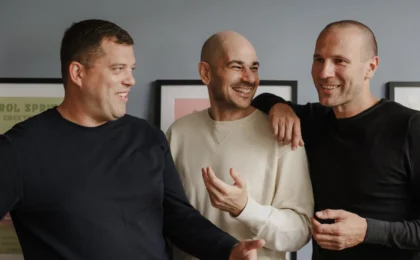
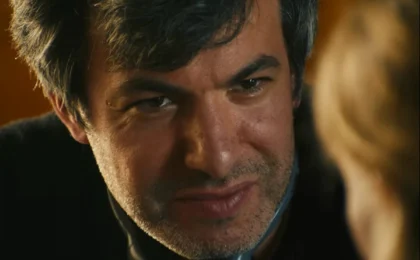
When the screen flickered to life, the audience was not presented with a standard biopic or a flashy Hollywood blockbuster. Instead, they were plunged into the intimate, claustrophobic reality of one of the most polarizing figures of the 21st century: Elizabeth Holmes. The documentary, titled You Can See Everything, is a collaborative effort between the notoriously deadpan auteur Nathan Fielder and documentarian Lance Oppenheim. It captures the final 34 days of Holmes’ life before she reported to federal prison in May 2023 to serve an 11-year sentence for her role in the Theranos fraud scandal.
The Genesis of a Modern Myth: Chronology of the Theranos Collapse
To understand the weight of this documentary, one must revisit the dizzying ascent and catastrophic fall of Theranos. For over a decade, Elizabeth Holmes was the darling of Silicon Valley, a Stanford dropout who promised to revolutionize healthcare with blood-testing technology that required only a single drop.
- 2003: Holmes founds Theranos at age 19.
- 2014: The company reaches a peak valuation of $9 billion. Holmes is hailed as the "next Steve Jobs."
- 2015: The Wall Street Journal publishes a bombshell report by John Carreyrou, exposing that Theranos’ proprietary technology was largely fraudulent.
- 2018: The SEC charges Holmes and former COO Ramesh "Sunny" Balwani with massive fraud. Theranos officially dissolves.
- 2022: A federal jury convicts Holmes on four counts of wire fraud and conspiracy.
- May 2023: Holmes reports to a federal prison camp in Bryan, Texas, to begin her 11-year sentence.
You Can See Everything picks up exactly where the headlines left off, documenting the surreal, mundane, and deeply unsettling countdown to her incarceration. It is a portrait of a woman who, having lost her empire, her reputation, and her freedom, was forced to confront a life stripped of the artifice that defined her for years.
Supporting Data: The Access That Shocked the Industry
Perhaps the most startling element of the film is the level of access Fielder and Oppenheim secured. It has been reported that Fielder, known for his experimental and often uncomfortable approach to social dynamics in Nathan for You and The Rehearsal, actually took up residence in the guest house of the home shared by Holmes and her husband, Billy Evans, during the filming process.
This immersive, fly-on-the-wall methodology provides a perspective that traditional investigative journalism could never achieve. By embedding themselves within the couple’s domestic sphere, the filmmakers captured the silence between the chaos—the conversations, the domestic routines, and the psychological toll of a high-profile legal defeat.
Furthermore, the film’s buzz has been amplified by the unexpected involvement of an A-list actress, whose presence in the film reportedly blurs the line between documentary and meta-narrative. Sources suggest her inclusion is not merely a cameo but a structural choice that challenges the audience’s perception of truth, performance, and celebrity. With A24 slated to distribute the film this October, the industry is bracing for a project that likely defies categorization, blending the clinical detachment of a true-crime documentary with the psychological depth of a character study.
Legal Limbo and the Clemency Question
While the documentary focuses on the final days of Holmes’ freedom, the legal battle continues to simmer in the background. Holmes’ journey through the justice system has been a series of aggressive maneuvers met with consistent judicial rejection.
In February of last year, her appeals to overturn the conviction and negotiate a shorter sentence were definitively struck down. Having exhausted the traditional appellate process, Holmes pivoted to a more controversial avenue: a formal petition for presidential clemency.
According to the U.S. Department of Justice, the petition remains "pending." This status indicates that the request has been received, processed, and is currently under review by the Office of the Pardon Attorney. While such petitions are often a long shot, the fact that Holmes remains in the queue adds a layer of political intrigue to the documentary. The film, in many ways, serves as an unofficial counter-narrative to the court records—a plea for humanization that stands in direct opposition to the cold, hard facts of the fraud conviction.
Implications: The Ethics of the "Redemption Arc"
The release of You Can See Everything raises profound ethical questions regarding the documentary form. Are Fielder and Oppenheim offering a platform for an unrepentant fraudster, or are they providing the definitive autopsy of a sociopathic corporate culture?
The "Fielder Factor"
Nathan Fielder’s involvement is the wild card. His previous work has consistently interrogated the concept of "authenticity." By applying his lens to Elizabeth Holmes, he is not merely documenting her life; he is likely dissecting the very idea of a "public image." If Fielder is the one behind the camera, the audience must assume that the film is as much about the process of filmmaking as it is about the subject herself.
The A24 Effect
A24’s decision to pick up the film speaks volumes. The studio has built its reputation on elevated, psychologically complex, and often divisive cinema. By positioning this as an October release, they are signaling that they view the film as a major awards contender—a bold move for a documentary that deals with a figure as widely reviled as Holmes.
The Public Perception
The public reaction to the teaser has been one of intense curiosity mixed with moral indignation. There is a palpable tension in the air regarding whether the film will attempt to "rehabilitate" Holmes or whether it will serve as a final indictment of her actions. As the film nears its wide release, the discourse is likely to center on the responsibility of the filmmaker. When a director gains such intimate access to a convicted criminal, they take on the burden of framing that person for history.
Conclusion: A Mirror for Our Times
Ultimately, You Can See Everything is not just about Elizabeth Holmes. It is about the era of "fake it until you make it," the cult of personality that allowed a young woman to deceive the most powerful people in Silicon Valley, and the strange, voyeuristic fascination we maintain for those who fall from the highest pedestals.
As the industry prepares for the October premiere, the film stands as a testament to the power of the secret. In an age where everything is documented and everyone is a brand, Fielder and Oppenheim managed to reclaim the power of the reveal. Whether or not the film succeeds in changing the public’s mind about Holmes, it has already succeeded in doing what every great piece of art should: it has demanded that we look at something we thought we already knew, and realize we haven’t seen anything yet.
With the clemency petition still dangling in the ether and the documentary set to bring these 34 days of domestic isolation into the light, the story of Elizabeth Holmes is far from over. It has simply transitioned from the courtroom to the cinema—a change of venue that may prove to be the most complex trial of all.